*By Christian Smith*
South Koreans responded with a mix of optimism and worry Tuesday after President Trump announced he would suspend joint military exercises with South Korea as Kim Jong-un considers how to dismantle North Korea's nuclear arsenal.
President Moon Jae-In of South Korea [watched on TV and smiled](https://www.facebook.com/KoreaClickers/photos/rpp.181274814520/10156484091904521/?type=3&theater) as the American president and the North Korean leader met in Singapore. But Trump's unexpected announcement that he would stop joint military drills made some of America's allies in South Korea uneasy, according to Martyn Williams, editor at NorthKoreaTech.org.
"The right wing in South Korea is already not very pleased with these military drills stopping taking place," Williams said in an interview with Cheddar.
The president's statement, which appeared to be an off-the-cuff comment in a discussion with reporters after his meeting with Kim, was not part of the joint statement signed by the two leaders. The United States and South Korea conduct regular war games to prepare for the possibility of a conflict with North Korea, and there are about 28,500 U.S. troops stationed in South Korea.
Trump had said he hoped to strike a deal with Kim to eliminate North Korea's nuclear program, and touted the "very comprehensive" statement the leaders agreed to at the summit. But Williams said denuclearization will take more negotiations.
"I think it was a good first step, but what comes next is the most important thing," Williams said.
For full interview, [click here](https://cheddar.com/videos/the-winners-and-losers-of-the-north-korea-summit).
President Trump has already spurned key allies at the annual summit, accusing Germany of being a "captive of Russia." Cheddar's J.D. Durkin, who is on the ground in Brussels, gets into the latest.
The U.S. tariffs would only end up hurting the consumer and the automakers employees across its plants and distribution centers in America, says Zack Hicks, CEO and president of the Toyota Connected unit in North America.
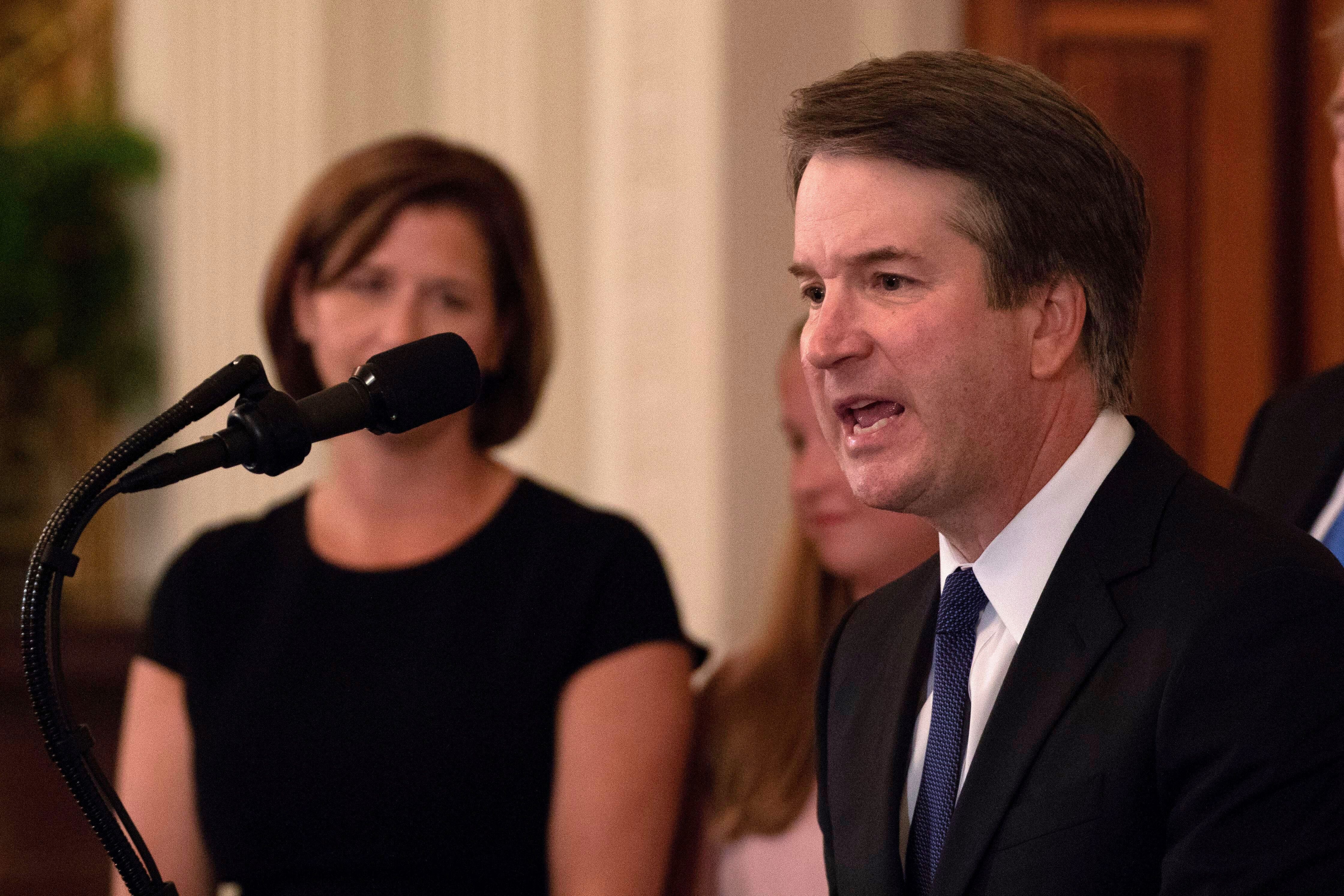
President Donald Trump nominated the DC appellate court judge to replace Supreme Court Justice Anthony Kennedy, who's retiring at the end of the month.
A study finds male political reporters in Washington, D.C., retweet other men more than women. “Men and women are operating in gender echo chambers in Washington on Twitter,” says Nikki Usher, the lead author of the study.
Members of the military alliance are prepared to be spurned by the president and worry he may start to unravel the organization. But the Trump administration has, in fact, increased its spending on NATO, suggesting that worries surrounding the event might not turn transpire, says Dan Michaels, the Wall Street Journal Brussels bureau chief.
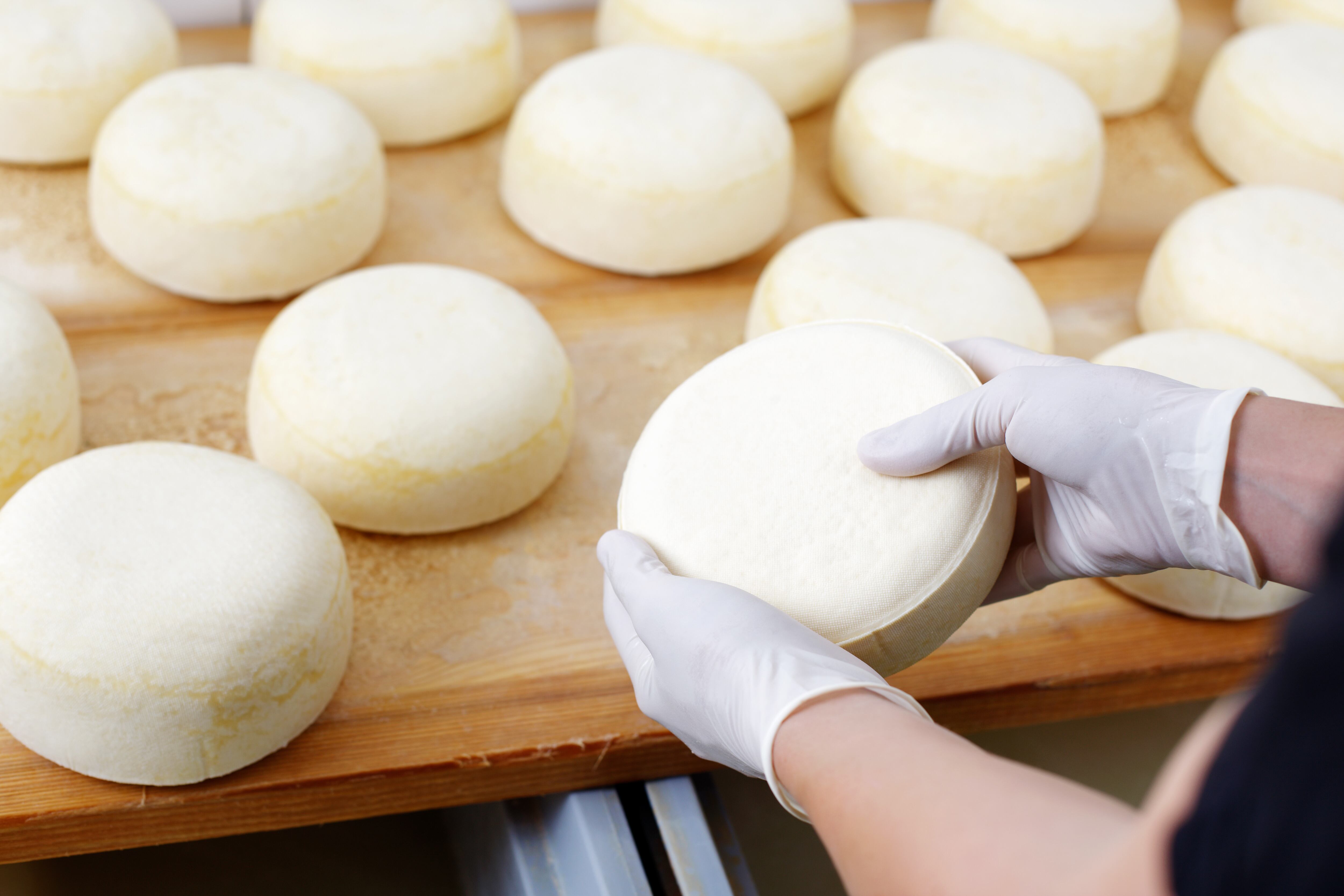
American cheese producers that rely heavily on exports are already feeling the impact of tariffs on their products, forcing them to reconsider their strategy completely, says Heather Hadden, a reporter for the Wall Street Journal.
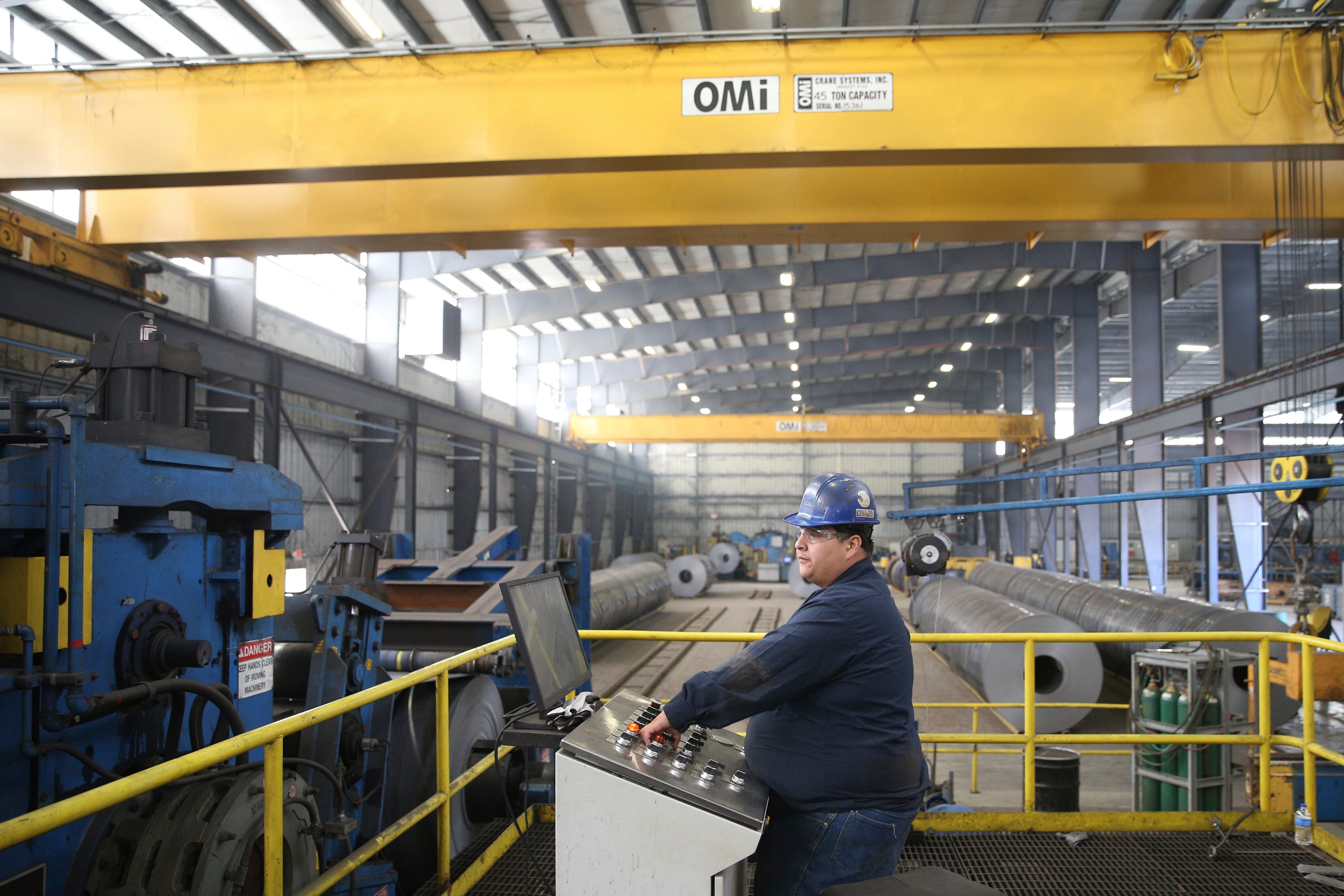
Although the recent job report showed the U.S. economy added 213,000 jobs in June, the trade war is predicted to have a significant impact on the economy. "Unless we get either isolated resolutions of these disputes or global resolutions ... we don't see any momentum in that space," Mark Hamrick, senior economic analyst at Bankrate.com, tells Cheddar.
President Trump is expected to submit his Supreme Court nominee to replace Justice Anthony Kennedy on Monday.
The three favorites are almost "identical" in policy stances, says Rick Hasen, professor of law and political science at UC-Irvine.
The U.S. tariffs on Chinese products that kicked in on Friday are specifically targeted at high-tech goods, an attempt to crack down on alleged intellectual property theft. But they could end up raising the cost of products like e-cigarettes, e-bikes, and smart home devices that are overwhelmingly used by millennials, says Axios reporter Erica Pandey.
U.S. tariffs on $34 billion worth of Chinese goods kicked in early Friday, prompting China to respond in kind and escalating tensions between the two countries into what Beijing describes as "the biggest trade war in economic history."