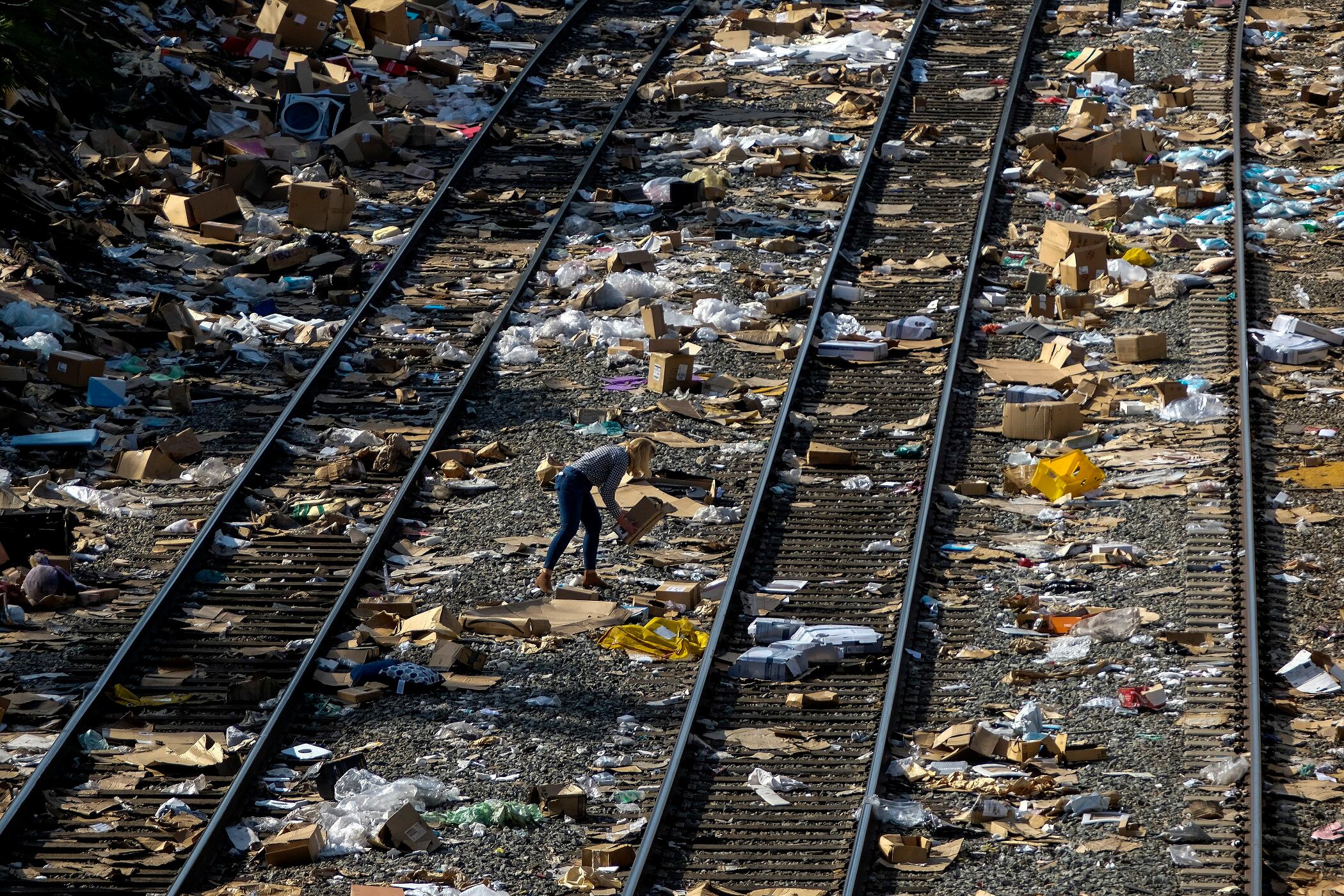
A member of the media picks up a shredded box at a section of the Union Pacific train tracks in downtown Los Angeles, Friday, Jan. 14, 2022. Thieves have been raiding cargo containers aboard trains nearing downtown Los Angeles for months, leaving the tracks blanketed with discarded packages. The sea of debris left behind included items that the thieves apparently didn't think were valuable enough to take, CBSLA reported Thursday. (AP Photo/Ringo H.W. Chiu)
Crews made railroad repairs in Los Angeles Monday after a train derailed near the location where thieves have been raiding cargo containers, leaving the tracks littered with emptied boxes of packaged good sent by retailers.
It wasn't immediately clear if the derailment that happened Saturday was caused by the debris left behind by thieves in the Lincoln Heights area near downtown Los Angeles. Union Pacific said the cause of the derailment was under investigation.
The derailment caused 17 train cars to go off the tracks, Union Pacific said in a statement. No injuries were reported.
Cargo containers aboard trains have been targeted by thieves for months, authorities said. The stolen packages are from retailers including Amazon, REI and others, the CBSLA television newscast reported last Thursday.
Union Pacific said in a statement to CBSLA that the railroad was concerned about increased cargo thefts in California.
“We have increased the number of Union Pacific special agents on patrol, and we have utilized and explored additional technologies to help us combat this criminal activity. We also will continue to work with our local law enforcement partners and elected leaders,” the railroad company said.
Amazon said it was directing inquiries to police. The United Parcel Service declined to comment on investigations into the cargo thefts but said the company was cooperating with authorities.
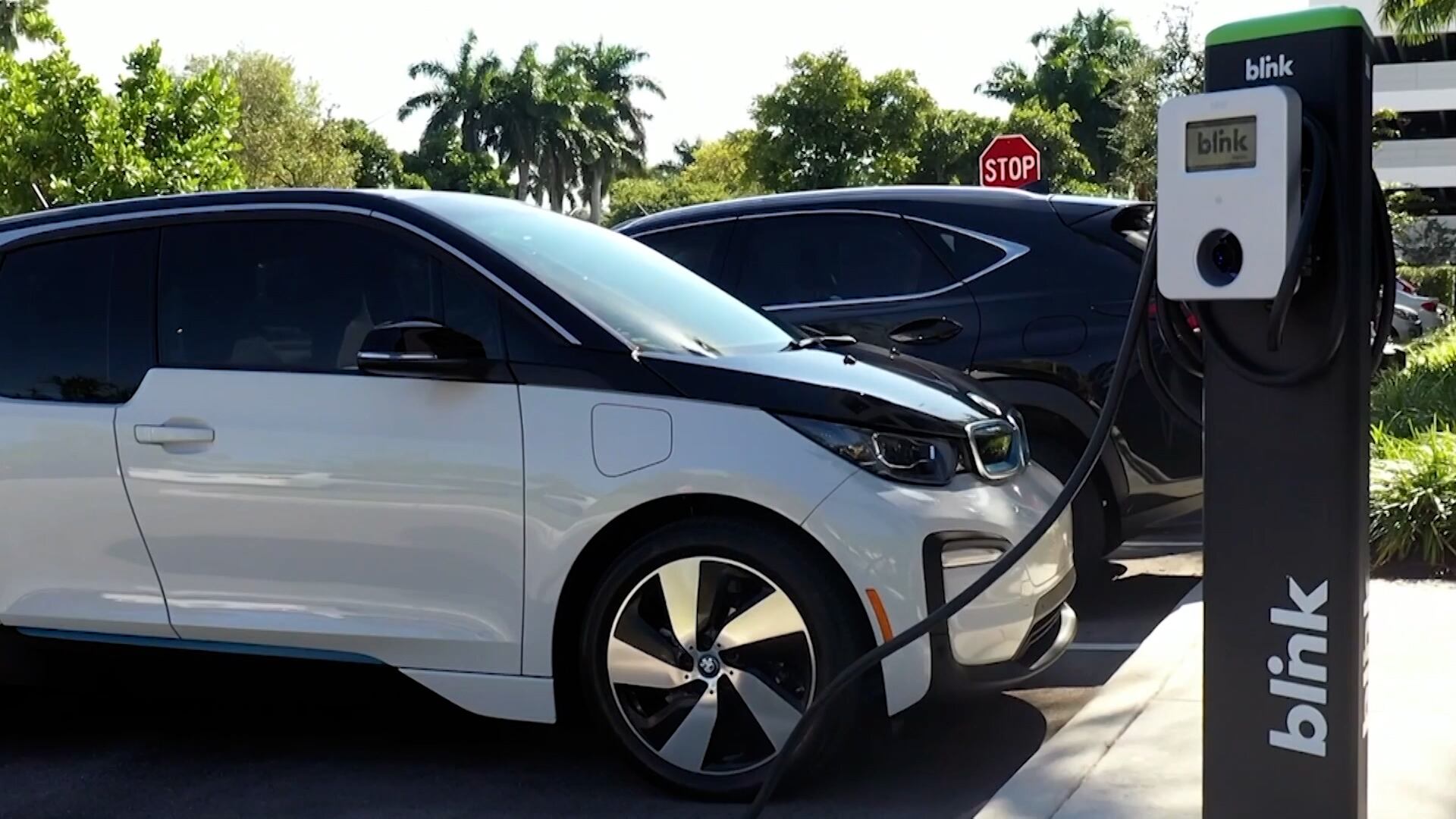
Coming off of CES, Blink Charging announced a partnership with legacy automaker General Motors to provide charging stations for its newest electric cars. The company specializes in stations they own and operate that also accommodate residential and commercial locations. Michael D. Farkas, founder and CEO, noted that they "don’t discriminate” when it comes to locating their chargers while also taking the philosophy of seeing their hardware more like hot water heaters rather than smartphones constantly in need of upgrading. "We believe it's one of the reasons why we were selected by GM," Farkas said. "These dealerships have to invest in these locations and make sure that this hardware is workable for a very, very long period of time."
Simeon Siegel, managing director and senior analyst at BMO Capital Markets joins Cheddar News to discuss CNBC's report that Peloton plans to halt production, despite the company's CEO denying those claims.
Mona Zhang, states cannabis policy reporter at POLITICO Pro joins Cheddar News to discuss major factors that caused Canada's retail marijuana sales to drop last year.
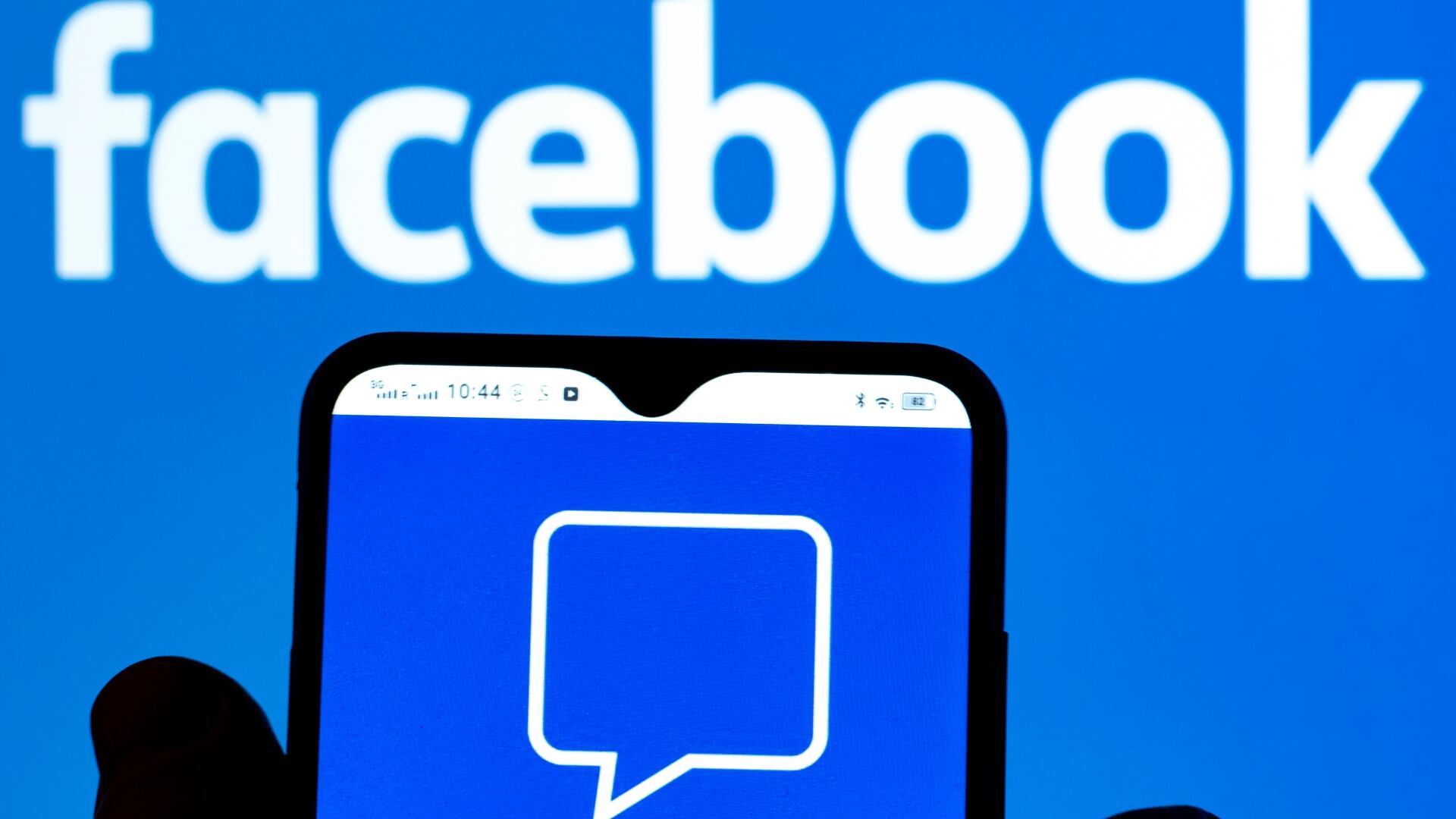
Jackie Rotman, founder and CEO of the Center for Intimacy Justice joins Cheddar News to talk about why Facebook is banning ads by companies targeting women's sexual health but not ads catered to men.
TikTok recently announced that it is testing a paid subscription model. The news comes days after Instagram publicized a similar service. TikTok has made $2.3 billion from in-app purchases, but mostly through tips, in 2021, showing that its users may be open to spending money on the platform.
The NCAA voted to streamline their constitution at their annual convention on Thursday. Each of the three college divisions can decide how student-athletes can make money from outside sources but still restricts schools from directly paying its players.
Netflix beat its earnings projections for Q4 — but the stock still plummeted as the streaming pioneer cut back on its forecast for future subscribers. Michael Robinson, the chief technology strategist at Money Map Press, joined Cheddar to discuss the report and what's driving the downward pressure on its shares. "It's the growth is really what's worrying people," he said. "'A' we have slowing economic growth, and 'B' we've got slowing growth for this company, as 'C' we have an increase in competition."