The Key to U.S. GDP Growth is Women, Says S&P Global Economists
It's no secret that the financial industry used to be dominated by men, but there are a few women who are breaking the mold and rising through the ranks. Beth Ann Bovino, S&P Global's Chief Economist, was with us to explain how important women are to not only the workforce, but the economy.
Bovino shares the keys for women to overcome obstacles and climb the corporate ladder. One of the biggest burdens women face, she said, is that they don't pursue opportunities because they are held back by the responsibility of childcare. Bovino said companies have been taking steps in the right direction with benefits such as paying for maternity leave and family care. She does think an area of improvement would be "flex time."
In her recent report titled "The Keys to Unlocking U.S. GDP Growth? Women," Bovino highlights the positive impact of female participation in the labor force. If the U.S. had a similar female workforce to Norway, for example, its economy would be $1.6 trillion larger than it is today, according to S&P Global economists.
Eliott Wellenbach, vice president and institutional ETF strategist with Direxion, joined Cheddar News to explain how investors are bracing for interest rate hikes after last week's inflation report and ahead of the Fed's upcoming meeting. Wellenbach also discussed how traders are taking advantage of volatility as earnings season continues and amid geopolitical conflicts.
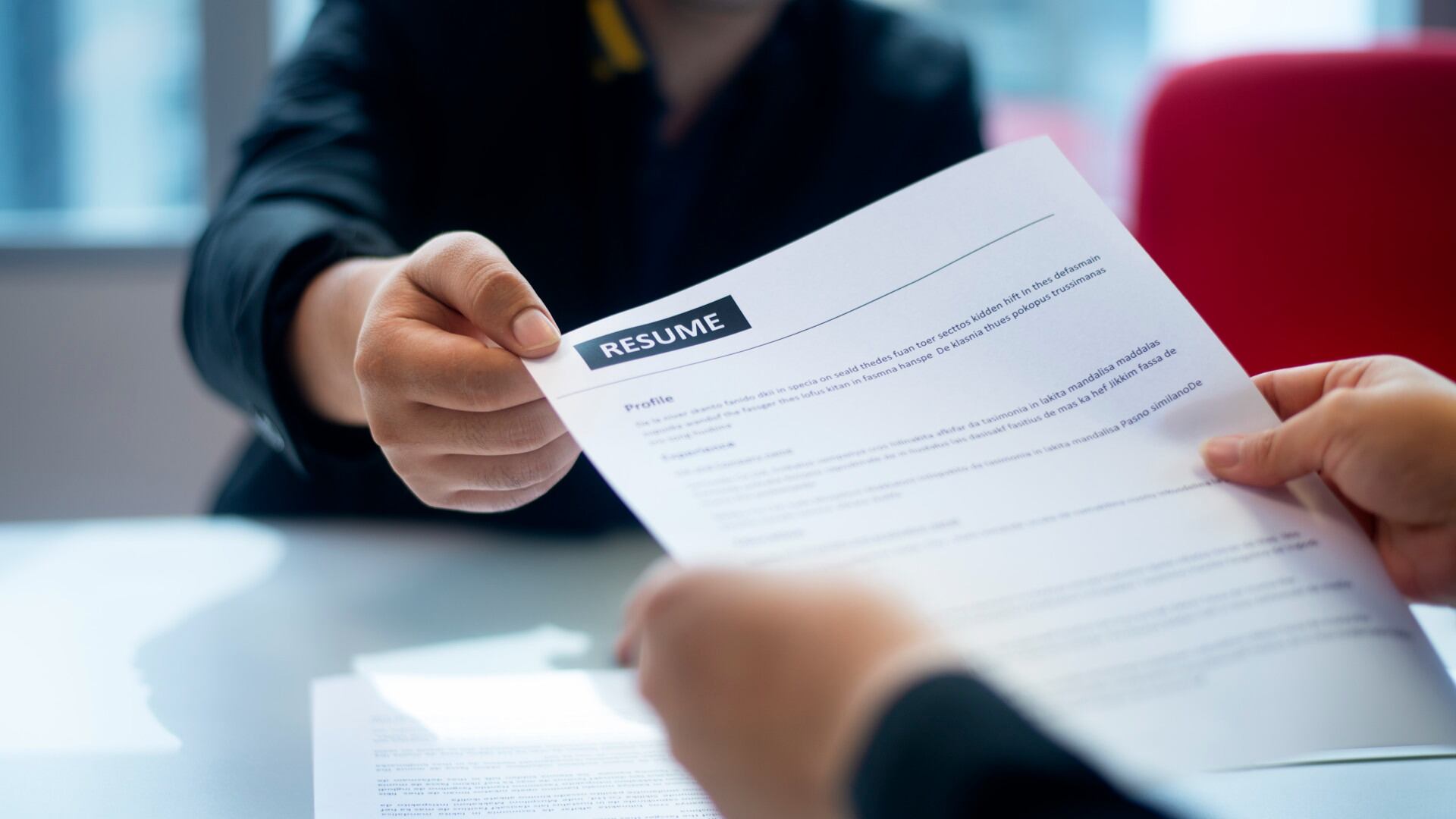
One of the most difficult parts of a job search is writing resumes. Cheddar News' docuseries Ready 4 Work explores the pitfalls of that and helps job seekers stand out from all those other applicants.
They are playfully called the “forgotten five”: A handful of toys — the pogo stick, the Fisher-Price Corn Popper, My Little Pony, PEZ dispensers, and Transformers — that regularly approach toybox royalty as finalists for the National Toy Hall of Fame, only to be tossed back on the pile.
Rite Aid’s plan to close more stores as part of its bankruptcy process could hurt access to medicine and care, particularly in some majority Black and Hispanic neighborhoods and in rural areas, experts say.