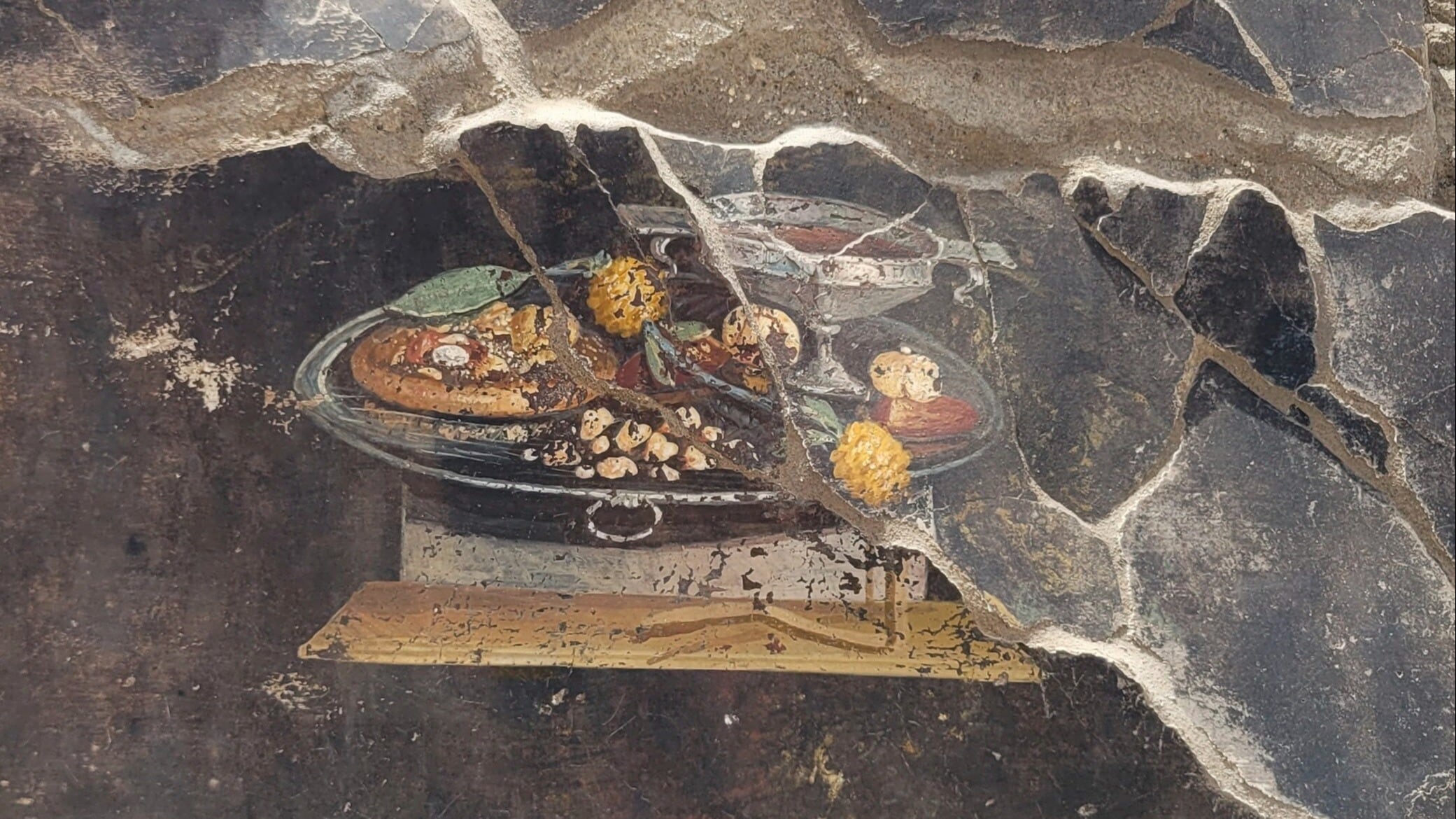
This picture provided on Tuesday, June 27, 2023, by the Pompeii Archaeological Park shows the wall of an ancient Pompeian house with a fresco depicting a table with food. The fresco was found in the atrium of a house in Insula 10 of Regio IX under excavation, to which a bakery was annexed, already partially explored between 1888 and 1891 and whose investigations were resumed last January. (Pompeii Archaeological Park via AP, ho)
A still-life fresco discovered recently in the Pompeii archaeological site looks like a pizza, but it's not, experts at the archaeological site said Tuesday.
They noted that key ingredients needed to make Italy's iconic dish — tomatoes and mozzarella — were not available when the fresco was painted some 2,000 years ago.
Tomatoes were only introduced to Europe from the Americas a few centuries ago, and some histories have it that the discovery of mozzarella led directly to the invention of pizza in nearby Naples in the 1700s.
The image is instead believed to be a focaccia covered with fruit, including pomegranate and possibly dates, finished with spices or a type of pesto, experts said. In the fresco, it is served on a silver plate and a wine chalice stands next to it.
The contrast of the frugal meal served in a luxurious setting, denoted by the silver tray, is not unlike modern-day pizza, “born as a poor-man’s dish in southern Italy, which has won over the world and is served even in starred restaurants," said Gabriel Zuchtriegel, director of the Pompeii archaeological site.
The ancient Roman city of Pompeii was destroyed in the eruption of nearby Mount Vesuvius in 79 A.D. The sudden and deadly event left much of the structure intact, embalmed in volcanic ash, and the site is now a major archaeological project and tourist attraction.
The Coldiretti ag lobby immediately seized on the discovery of the fresco to promote pizza — invented as a quick meal for the working poor — as a national treasure. Today, pizza represents one-third of the food budget of foreign visitors and generates total annual revenues of 15 billion euros ($16.4 billion) in Italy.
The art of the Neapolitan pizzamaker was put on UNESCO’s intangible cultural heritage list in 2017, recognized for its four phases of dough preparation and for being baked exclusively in a wood oven at 485 degrees Celsius (905 degrees Fahrenheit.)
In what could be the biggest deal in video games history, Microsoft's purchase of Activision Blizzard underlines the company's aggressive push in gaming and beyond into its long-term vision of being top dog in the metaverse. Adam Hollander, former director of gamification at Microsoft and founder of Hungry Wolves NFT, joined Cheddar's Opening Bell to discuss. “Microsoft always plays chess, not checkers," he said, describing the price tag as an opportunity cost. "It's about integrating Activision Blizzard in with Azure and Windows and Xbox and Hololens and Minecraft and everything else that they're doing for the inevitable goal of being the major player in the next phase of the internet."
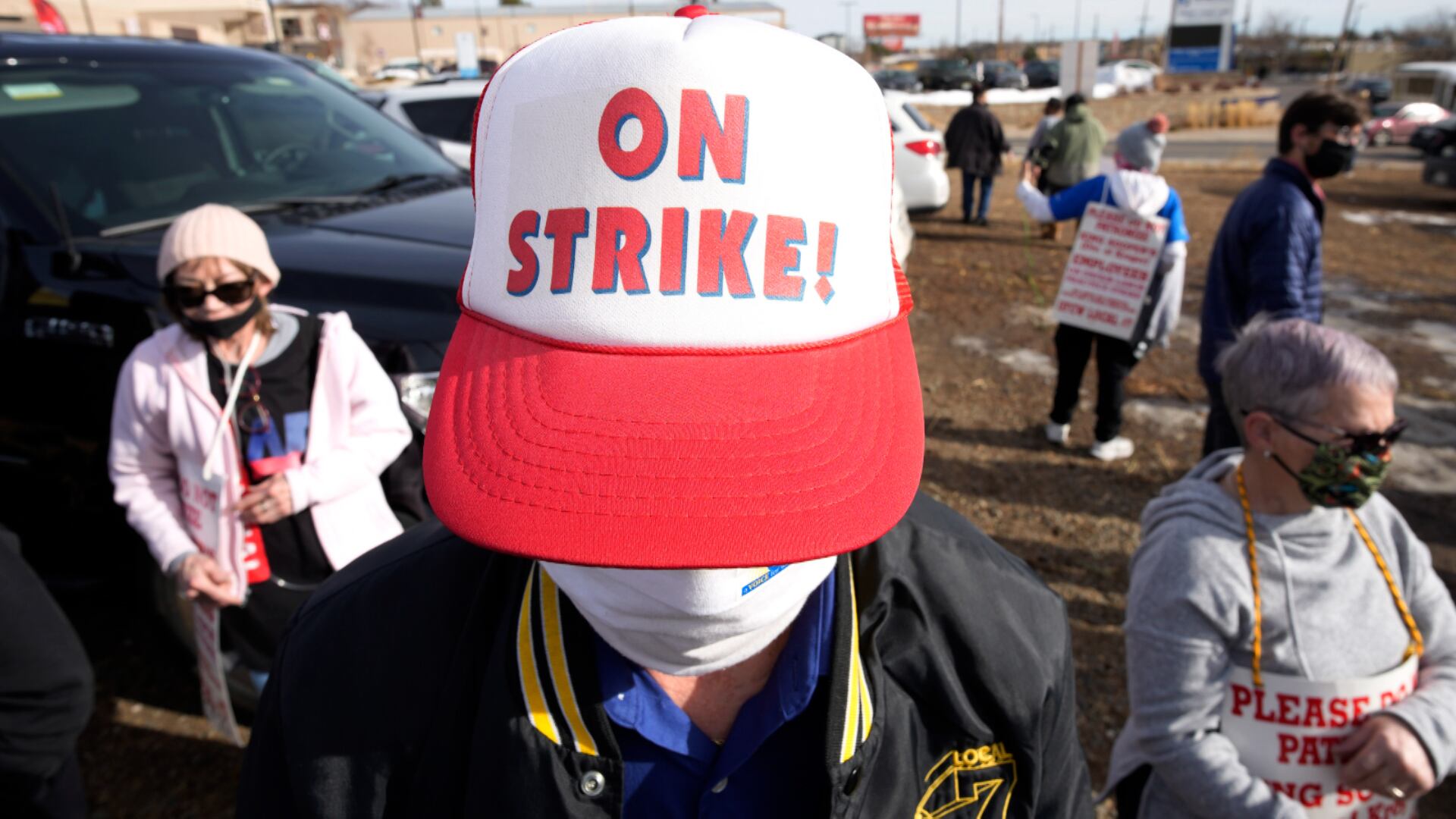
Jordan Zakarin, Media Producer at A More Perfect Union, joined Cheddar News to break down the latest from Colorado, where at least 8,700 Kroger employees walked off the job in demand of increased benefits and wages.
Food waste is a major contributor to greenhouse gas emissions in the United States. Strella Biotechnology is trying to solve the problem by introducing new technology to a business that's been around for generations -- farming. The 24-year-old CEO created hi-tech sensors that interpret the shelf life of produce and alert farmers when fruits and vegetables are ready to be sent to supermarkets. The company says the process can help farmers make money, reduce food waste and increase the quality of produce. Strella Biotechnology's co-founder and CEO Katherine Sizov and co-founder and COO Jay Jordan joined Cheddar Climate to discuss.
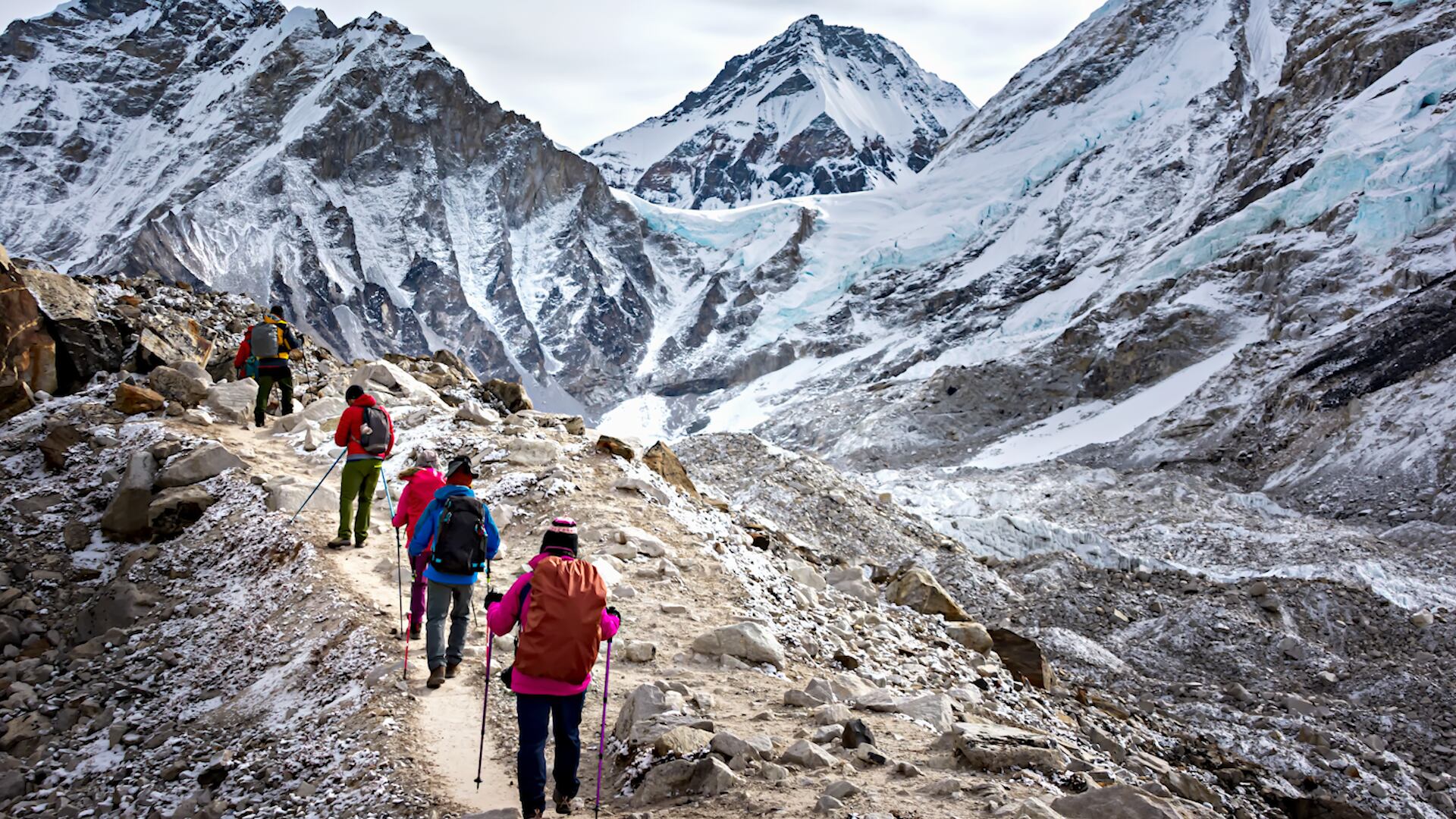
Norbu Tenzing, Vice President of the American Himalayan Foundation and the son of the first Sherpa to ever summit Everest, joins Cheddar Reveals to discuss how Sherpa's put themselves in danger for clients, and the dangers of Everest's 'Death Zone.'
Gordon Janow, Director of Programs at Alpine Ascents, joins Cheddar Reveals to discuss how to get mentally and physically prepared to climb Mount Everest.
Netflix may not be staying at the top of the streaming wars, according to some wary investors, as competition heats up and it raises prices yet again. Tuna Amobi, director and senior equity analyst at CFRA Research, spoke with Cheddar about what investors should be considering should they stick with the streaming pioneer or drop the investment. "I think it's always mostly about the subscriber growth for the Q4, which is going to be an indicator of how the company has been navigating the speed bumps that we saw early in the year," said Amobi.
Daniel Loría, SVP content strategy and editorial director at Boxoffice Media, joins Cheddar News to discuss what helped 'Scream' score number one at the box office and what it means for the horror genre.
Dave Levinthal, deputy Washington Bureau chief at Insider, joins Cheddar News to discuss Gallup's new survey that reveals more Americans leaned Republican by the end of 2021.