By Jessica Gresko
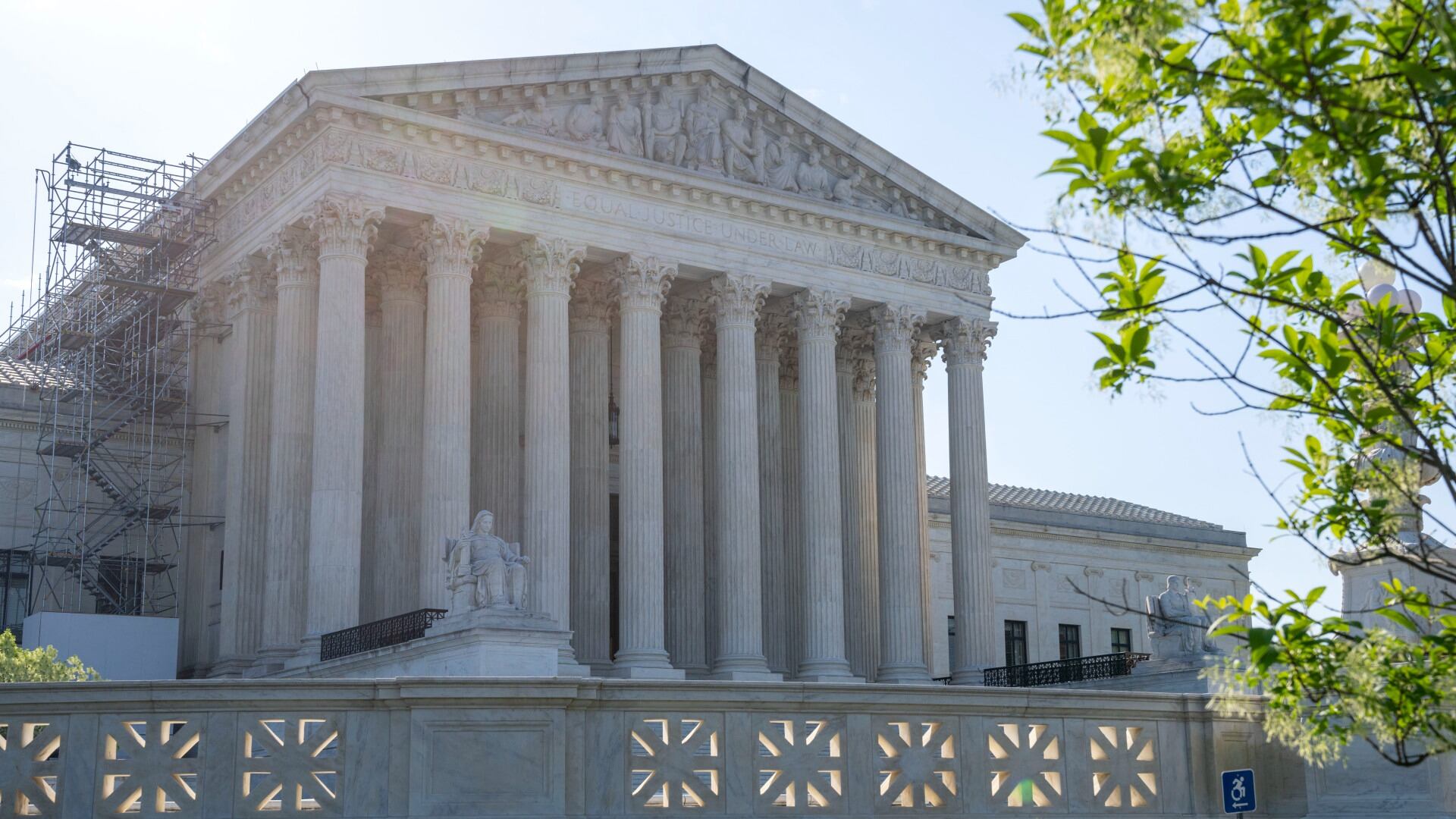
The Supreme Court said Monday it won't review North Carolina's decision to stop issuing specialty license plates with the Confederate flag.
As is typical, the court did not comment in declining to hear the case, which challenged the state's decision. The dispute was one of many the court said Monday it would not hear. It was similar to a case originating in Texas that the court heard in 2015, when it ruled the license plates are state property.
The current dispute stems from North Carolina's 2021 decision to stop issuing specialty license plates bearing the insignia of the North Carolina chapter of the Sons of Confederate Veterans. The chapter sued, claiming that the state's decision violated state and federal law. A lower court dismissed the case, and a federal appeals court agreed with that decision.
North Carolina offers three standard license plates and more than 200 specialty plates. Civic clubs including the Sons of Confederate Veterans can create specialty plates by meeting specific requirements.
In 2021, however, the state Department of Transportation sent the group a letter saying it would "no longer issue or renew specialty license plates bearing the Confederate battle flag or any variation of that flag" because the plates "have the potential to offend those who view them."
The state said it would consider alternate artwork for the plates' design if it does not contain the Confederate flag.
The organization unsuccessfully argued that the state's decision violated its free speech rights under the Constitution's First Amendment and state law governing specialty license plates.
In 2015, the Sons of Confederate Veterans’ Texas chapter claimed Texas was wrong not to issue a specialty license plate with the group's insignia. But the Supreme Court ruled 5-4 that Texas could limit the content of license plates because they are state property.
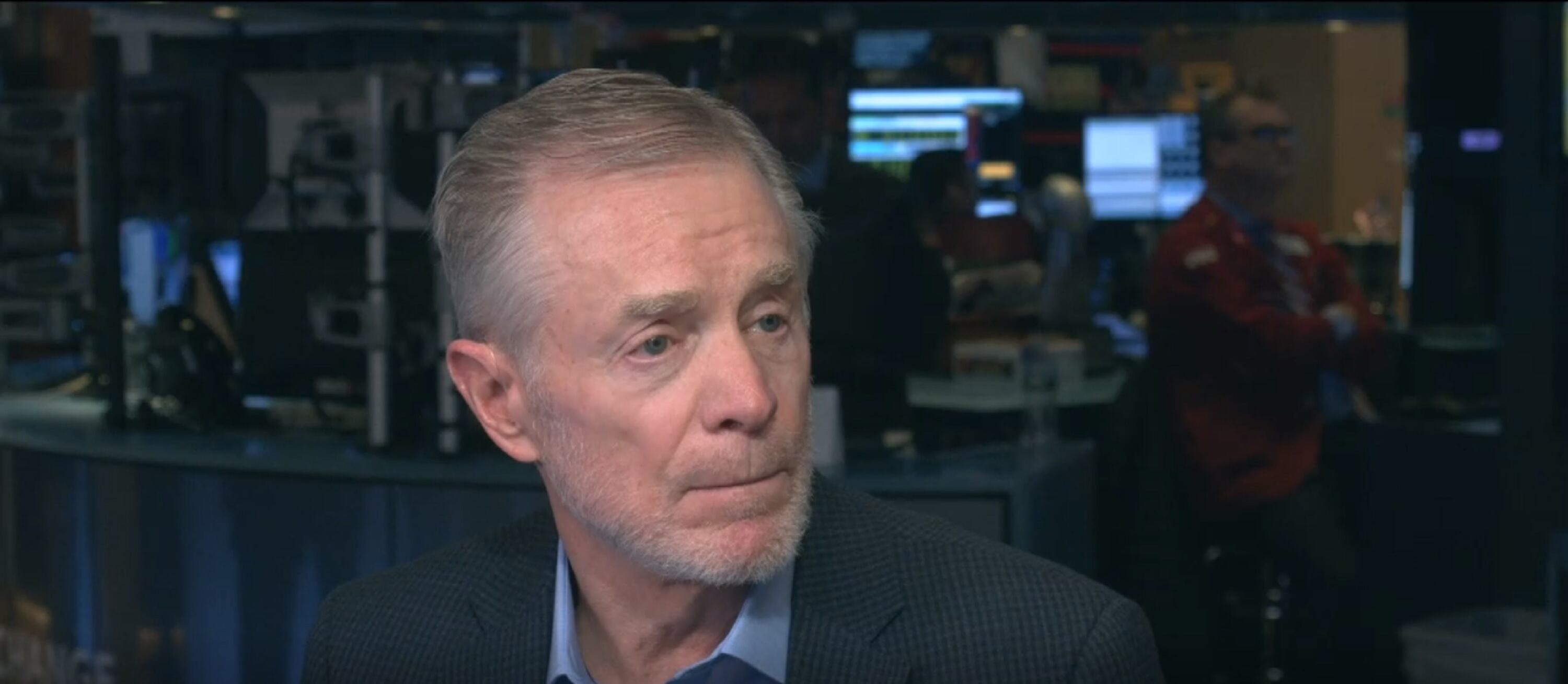
The head of security for Huawei, the embattled Chinese tech giant that has been accused of working as a front for Chinese intelligence services, told Cheddar's Hope King on Monday that "no government has ever asked us to spy" and that those accusations were part of a "drumbeat of anti-Huawei criticism."
These are the headlines you Need 2 Know for Monday, Jan. 7, 2019.
From Wall Street to Silicon Valley, these are the top stories that moved markets and had investors, business leaders, and entrepreneurs talking this week on Cheddar.
For the vast majority of Americans, the partial shutdown of the federal government is felt in small ways. For Native Americans, a prolonged shutdown could mean life or death. Aaron Payment, chairman of the Sault Ste. Marie tribe, told Cheddar that he's focused on one date: Jan. 15. That's when the tribe's next drawdown of federal funds is scheduled.
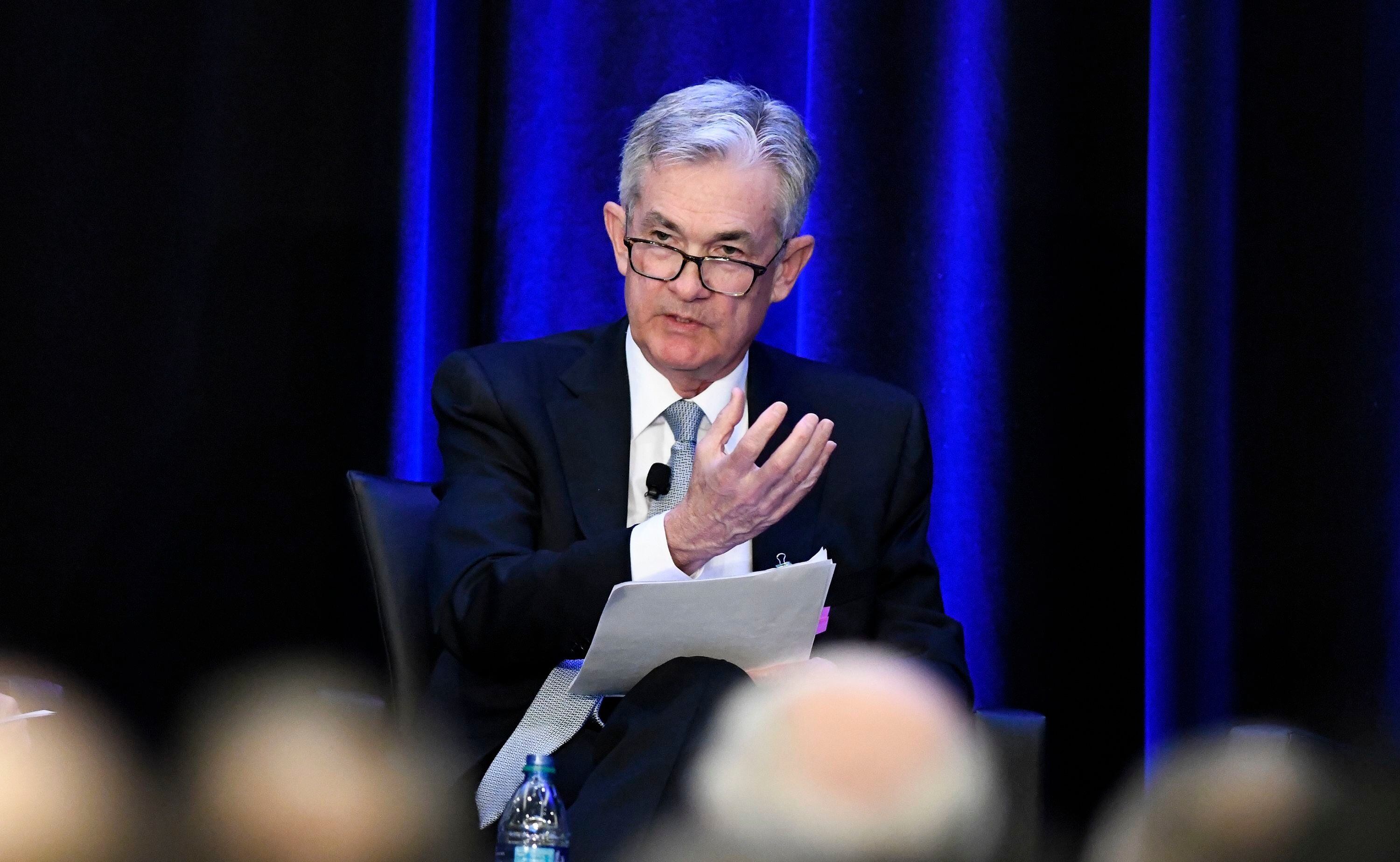
Markets soared on Friday ー the Dow Jones Industrial Average leading gaining more than 670 points ーfollowing comments by Fed Chair Jerome Powell on monetary policy and reports that the jobs market is not slowing.
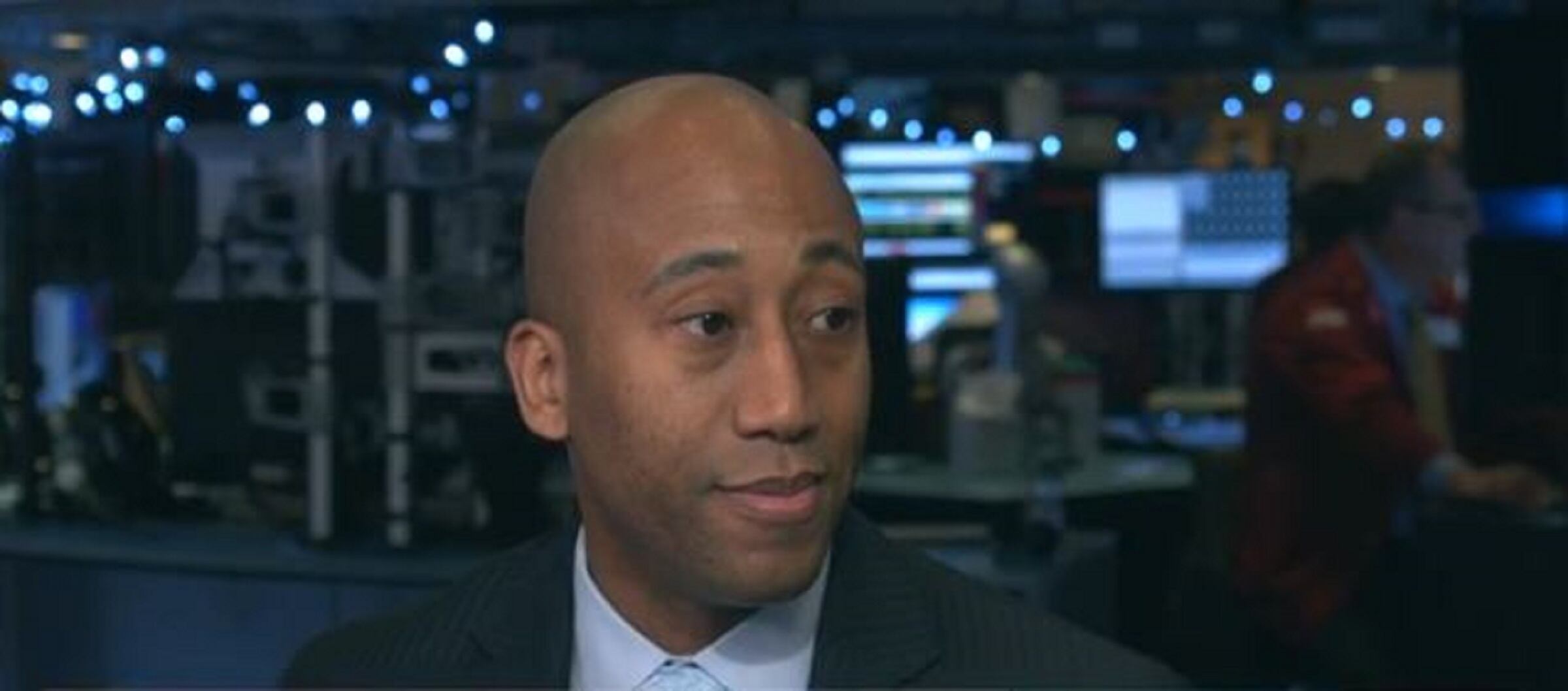
New York is getting into a crypto state of mind with plans to create the nation's first Crypto Task Force. "New York State is the financial capital of the world, and we must have the proper regulations and proper balance to be able to figure out how to regulate in this space," N.Y. Assemblyman Clyde Vanel told Cheddar.
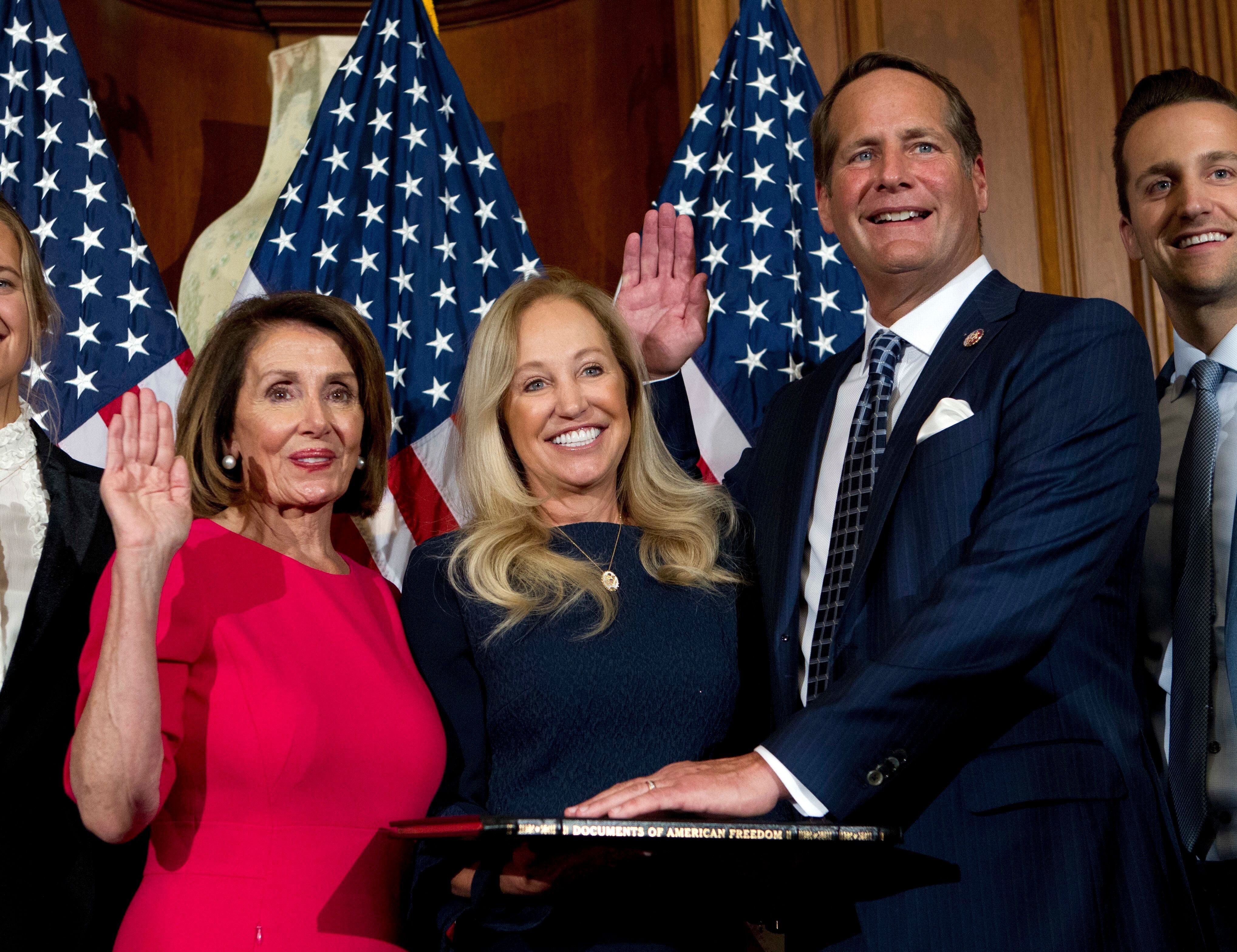
Rep. Harley Rouda, the newly elected Democrat from California's 48th district, doesn't want to waste any time getting legislation to the floor that will stimulate wage growth, which showed better-than-expected strength in Friday's blowout jobs report but remains a concern for economists.
These are the headlines you Need 2 Know for Friday, Jan. 4, 2019.
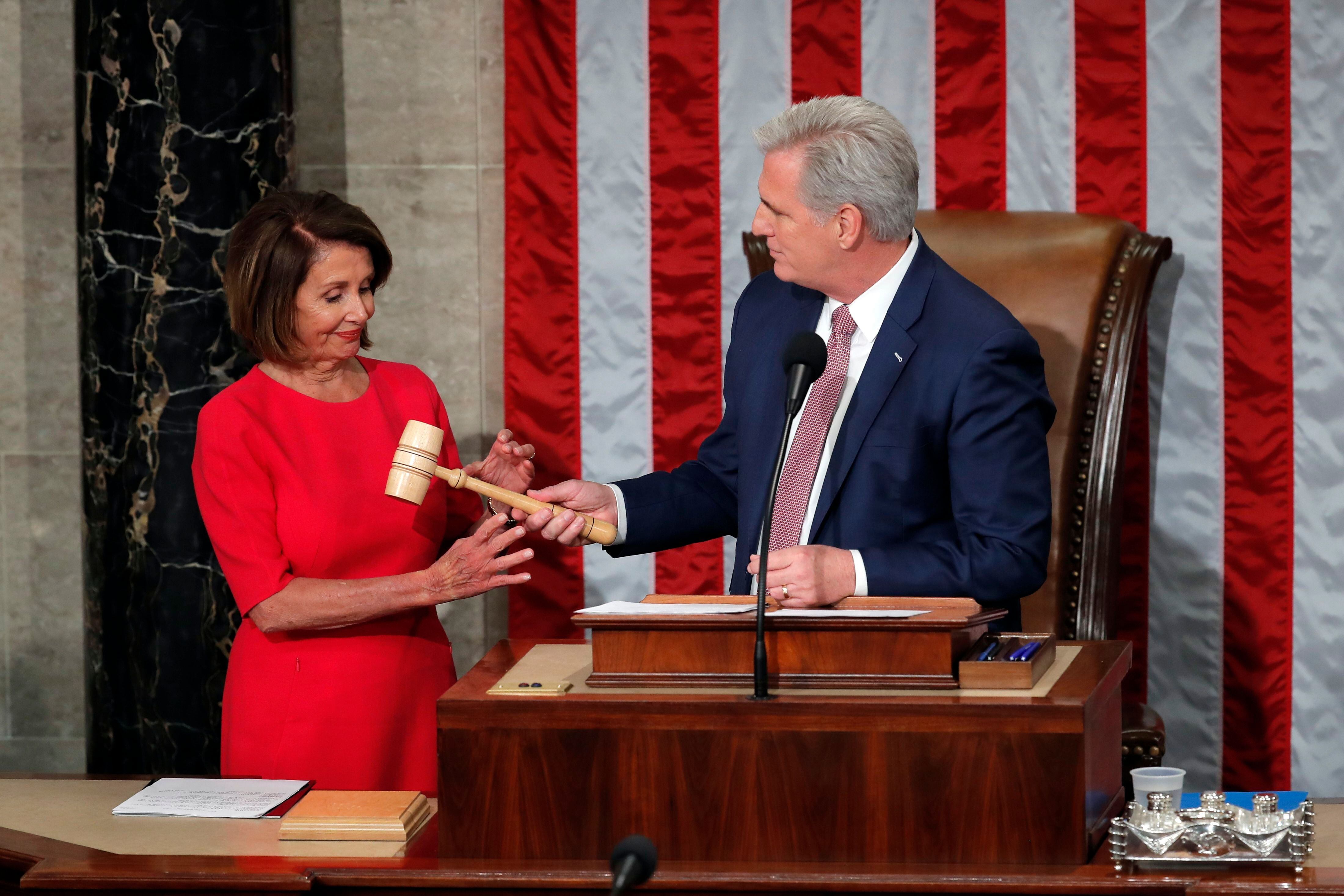
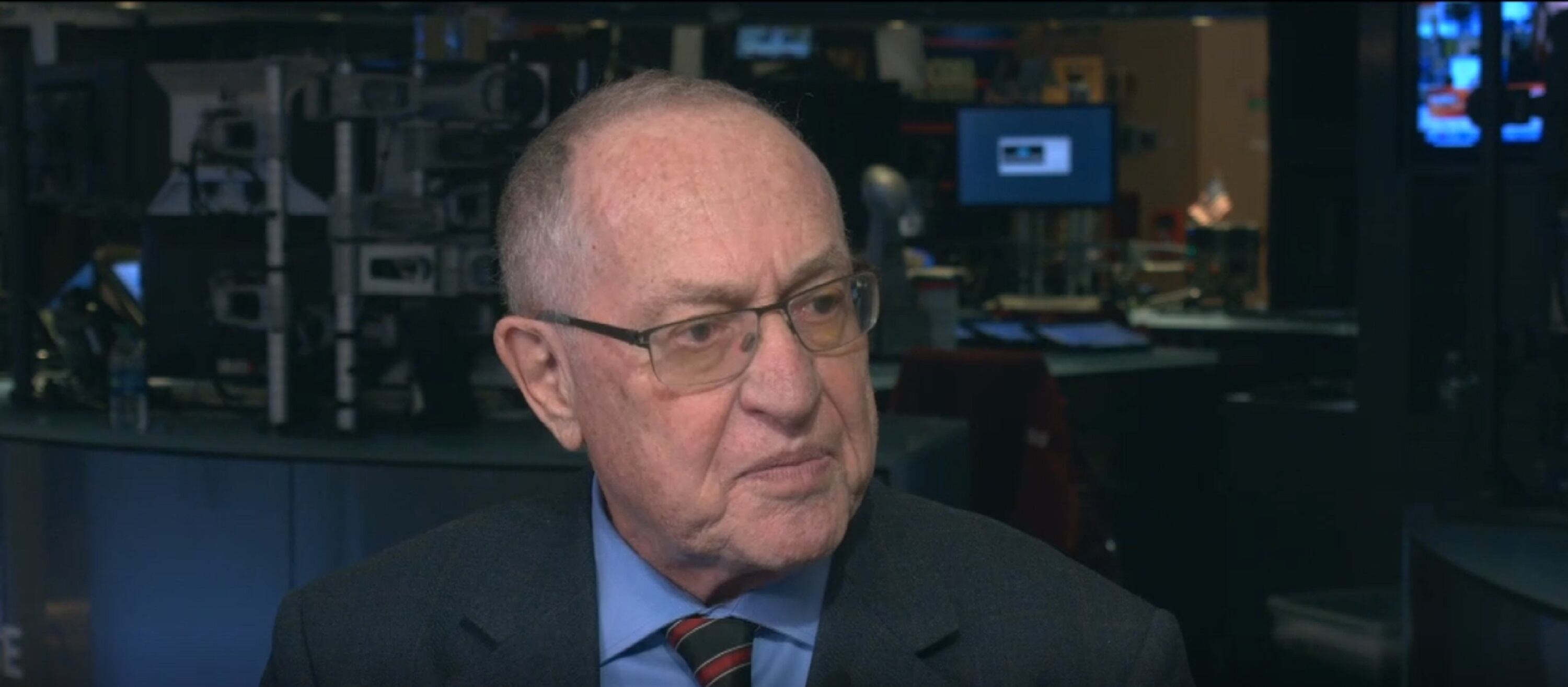
Alan Dershowitz has written the book on reasons not to impeach President Trump ー and he thinks re-elected House Speaker Nancy Pelosi just might follow his counsel. "I think she is the adult in the room and she'll take my advice," Dershowitz told Cheddar on Thursday.
These are the headlines you Need 2 Know for Thursday, Jan. 3, 2019.