By Jessica Gresko
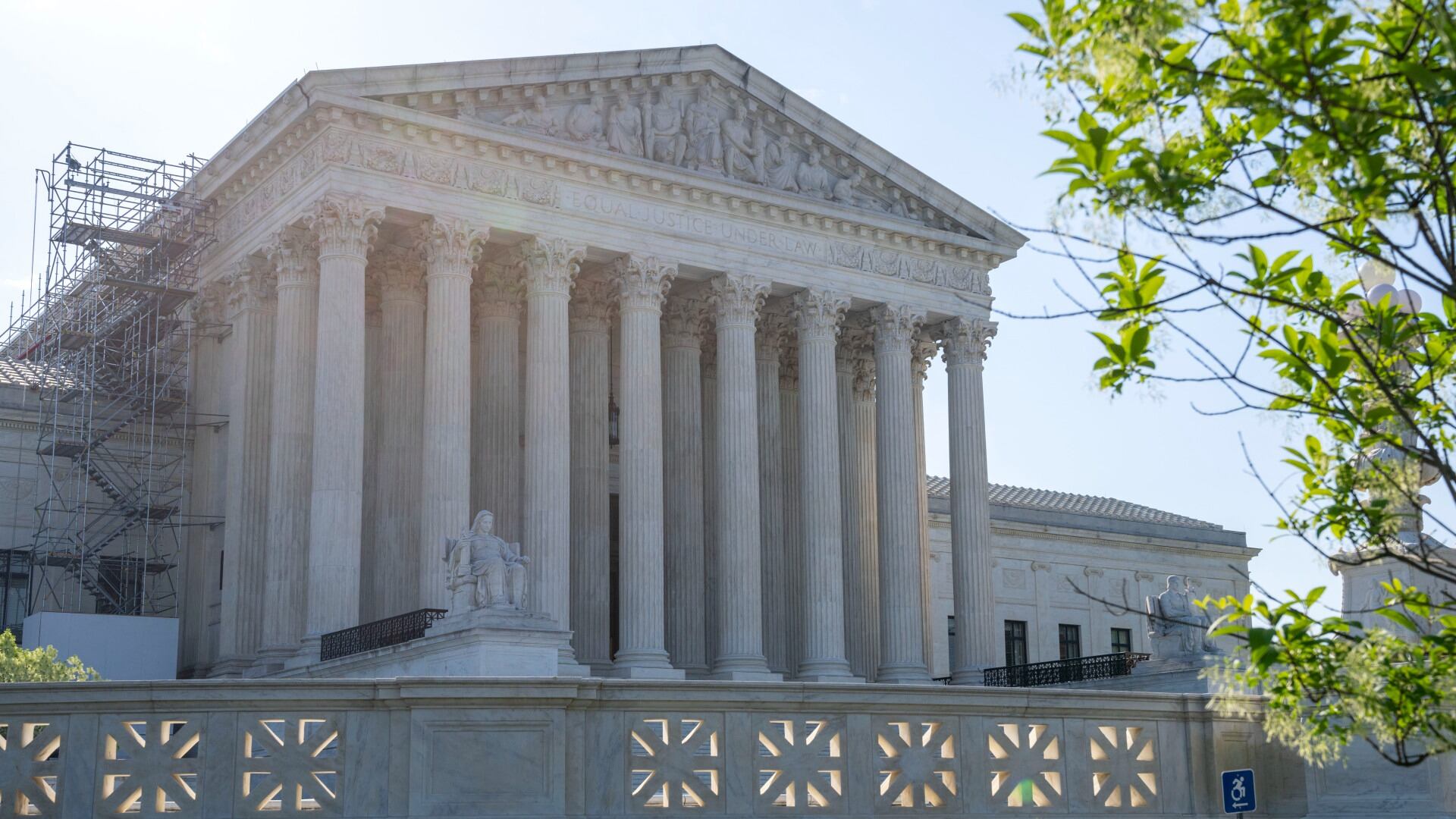
The Supreme Court said Monday it won't review North Carolina's decision to stop issuing specialty license plates with the Confederate flag.
As is typical, the court did not comment in declining to hear the case, which challenged the state's decision. The dispute was one of many the court said Monday it would not hear. It was similar to a case originating in Texas that the court heard in 2015, when it ruled the license plates are state property.
The current dispute stems from North Carolina's 2021 decision to stop issuing specialty license plates bearing the insignia of the North Carolina chapter of the Sons of Confederate Veterans. The chapter sued, claiming that the state's decision violated state and federal law. A lower court dismissed the case, and a federal appeals court agreed with that decision.
North Carolina offers three standard license plates and more than 200 specialty plates. Civic clubs including the Sons of Confederate Veterans can create specialty plates by meeting specific requirements.
In 2021, however, the state Department of Transportation sent the group a letter saying it would "no longer issue or renew specialty license plates bearing the Confederate battle flag or any variation of that flag" because the plates "have the potential to offend those who view them."
The state said it would consider alternate artwork for the plates' design if it does not contain the Confederate flag.
The organization unsuccessfully argued that the state's decision violated its free speech rights under the Constitution's First Amendment and state law governing specialty license plates.
In 2015, the Sons of Confederate Veterans’ Texas chapter claimed Texas was wrong not to issue a specialty license plate with the group's insignia. But the Supreme Court ruled 5-4 that Texas could limit the content of license plates because they are state property.
These are the headlines you Need 2 Know for Tuesday Jan. 15, 2019.
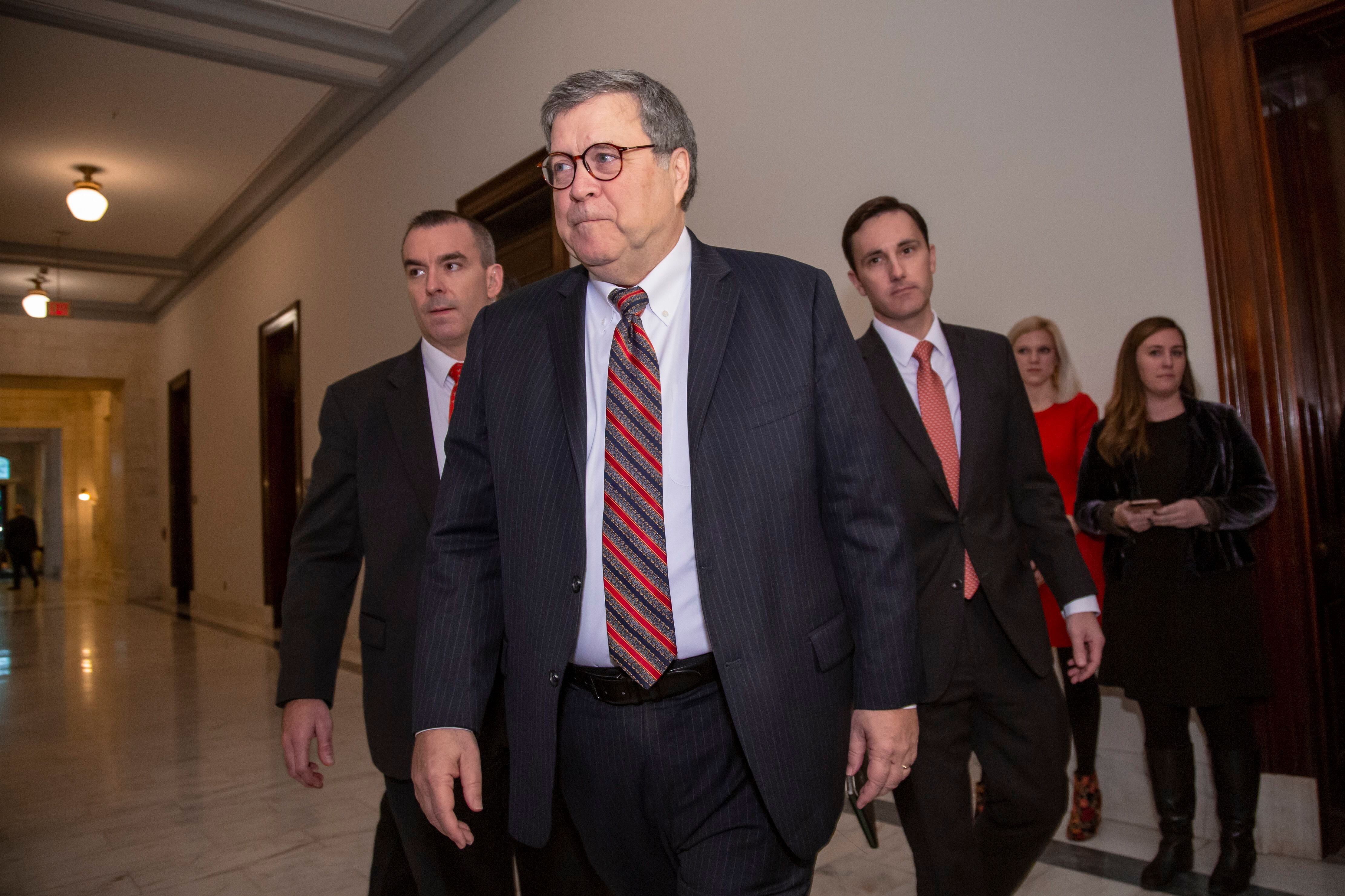
When William Barr, President Trump's nominee for attorney general, appears before the Senate Judiciary Committee on Tuesday for his confirmation hearing, his views on executive privilege will be under the microscope. "Mr. Barr has expressed some very broad views of executive authority and he's also expressed a very strong view that a president cannot be criminally charged," Jennifer Daskal, Associate Professor of Law at American University, told Cheddar on Monday.
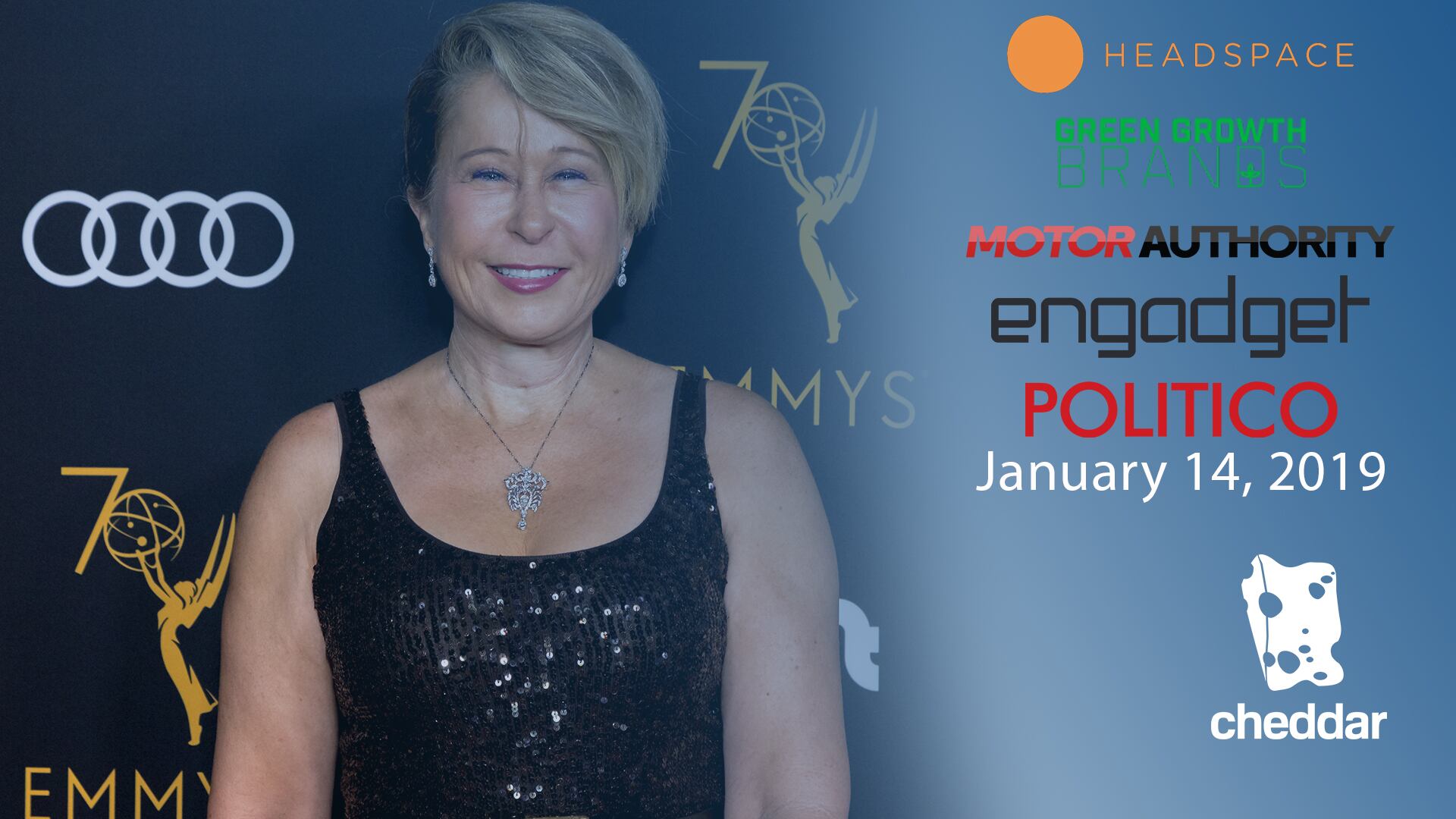
Weak economic data from China and the ongoing government shutdown appeared to drag down the major U.S. indexes on Monday morning. SpaceX is slashing its workforce by 10 percent in an effort to become "leaner." Plus, we sit down with Emmy-award winning actor and producer Yeardley Smith who is most famous for voicing the iconic cartoon character, Lisa Simpson.
These are the headlines you Need 2 Know for Monday, Jan. 14, 2019.
From Wall Street to Silicon Valley, these are the top stories that moved markets and had investors, business leaders, and entrepreneurs talking this week on Cheddar.
Rep. John Garamendi (D-Calif.) warned President Trump not to mess with emergency funding for California on Friday after the commander-in-chief threatened to cut off disaster-relief in the fire-ravaged state. In a tweet on Wednesday, Trump suggested that California itself was to blame for the wildfires that killed 86 people and destroyed thousands of homes last year, and said he was considering pulling its FEMA funds.
The housing market is slowing down ー and that's not necessarily a bad thing. So says Tendayi Kapfidze, chief economist for LendingTree, who told Cheddar Friday what to expect from the housing market this year.
Is it time for the federal government to hire its own chief information officer? Rep. Will Hurd (R-Tex.) thinks so. He told Cheddar Friday that the recent spate of major data breaches warrant a federal czar to help protect consumers and potentially even levy penalties on companies that don't do enough to safeguard users' information.
As the government shutdown approaches the milestone of becoming the longest in history, Transportation Security Agency employees are feeling the strain ー and soon, so will travelers, Joe Shuker, a TSA union representative, told Cheddar.
These are the headlines you Need 2 Know for Friday, Jan. 11, 2019.