By Jessica Gresko
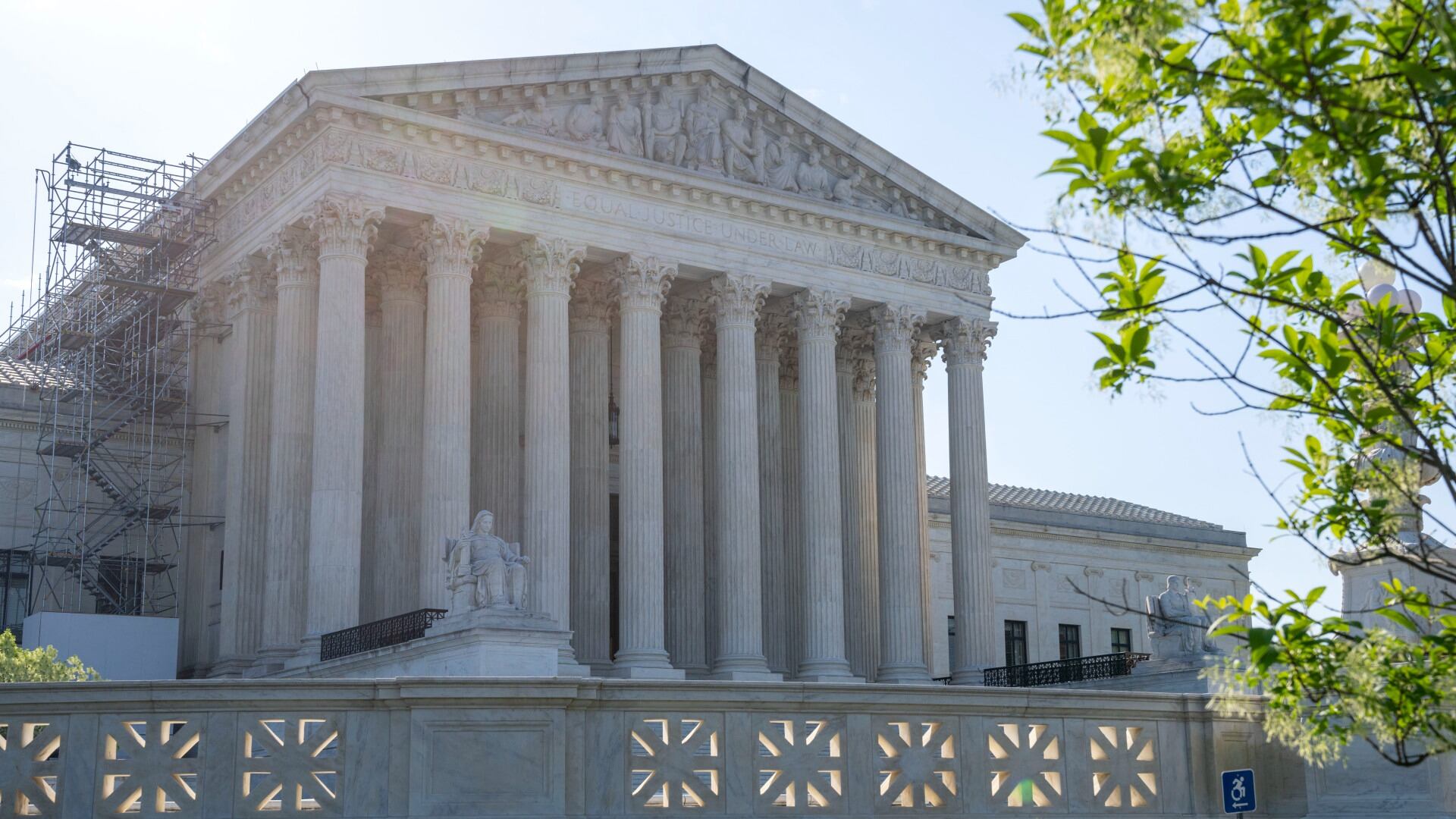
The Supreme Court said Monday it won't review North Carolina's decision to stop issuing specialty license plates with the Confederate flag.
As is typical, the court did not comment in declining to hear the case, which challenged the state's decision. The dispute was one of many the court said Monday it would not hear. It was similar to a case originating in Texas that the court heard in 2015, when it ruled the license plates are state property.
The current dispute stems from North Carolina's 2021 decision to stop issuing specialty license plates bearing the insignia of the North Carolina chapter of the Sons of Confederate Veterans. The chapter sued, claiming that the state's decision violated state and federal law. A lower court dismissed the case, and a federal appeals court agreed with that decision.
North Carolina offers three standard license plates and more than 200 specialty plates. Civic clubs including the Sons of Confederate Veterans can create specialty plates by meeting specific requirements.
In 2021, however, the state Department of Transportation sent the group a letter saying it would "no longer issue or renew specialty license plates bearing the Confederate battle flag or any variation of that flag" because the plates "have the potential to offend those who view them."
The state said it would consider alternate artwork for the plates' design if it does not contain the Confederate flag.
The organization unsuccessfully argued that the state's decision violated its free speech rights under the Constitution's First Amendment and state law governing specialty license plates.
In 2015, the Sons of Confederate Veterans’ Texas chapter claimed Texas was wrong not to issue a specialty license plate with the group's insignia. But the Supreme Court ruled 5-4 that Texas could limit the content of license plates because they are state property.
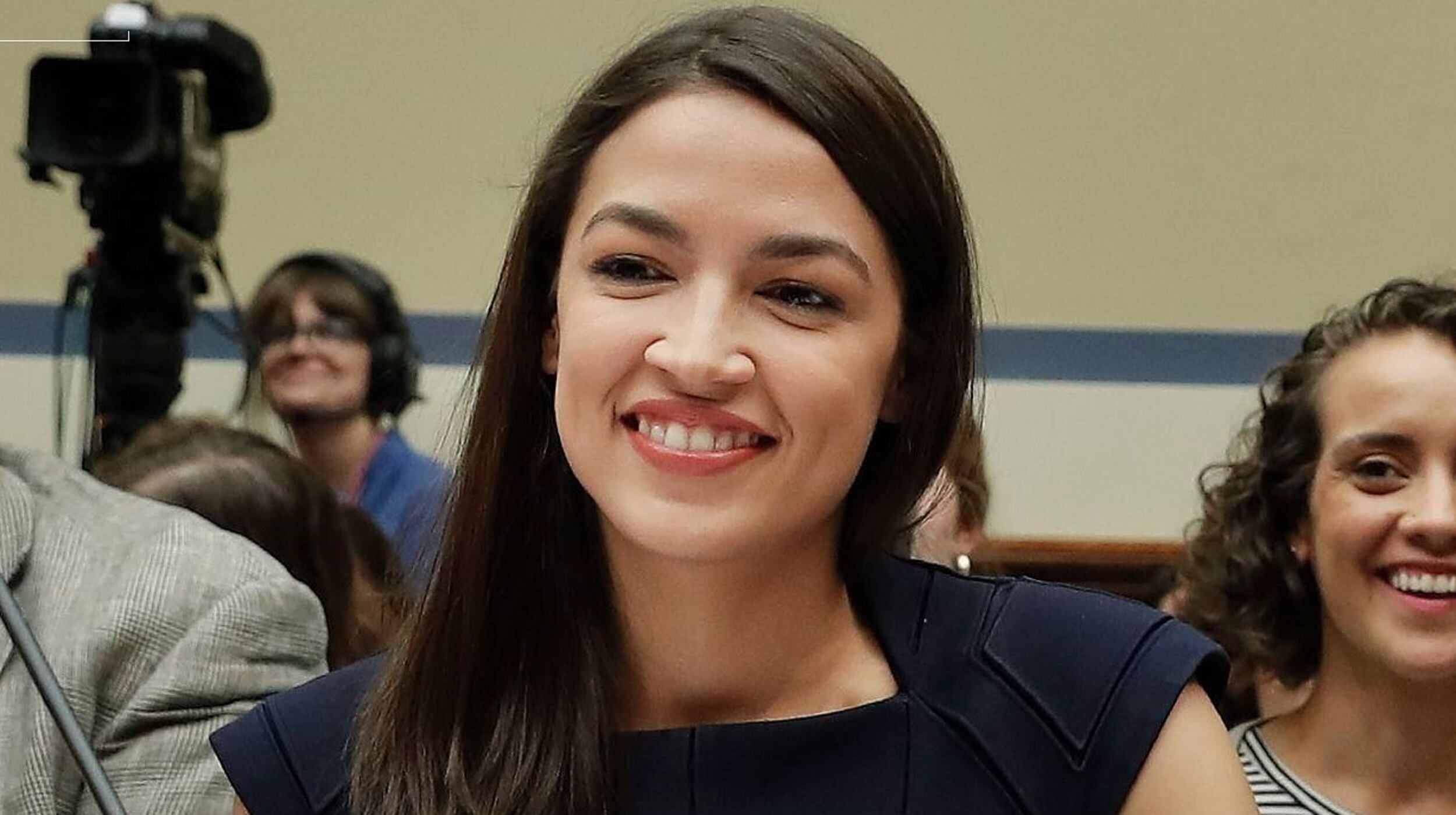
New York Congresswoman Alexandria Ocasio-Cortez is "cautiously optimistic" that the September 11th Victim's Compensation Fund's permanent extension will be passed in the Senate.
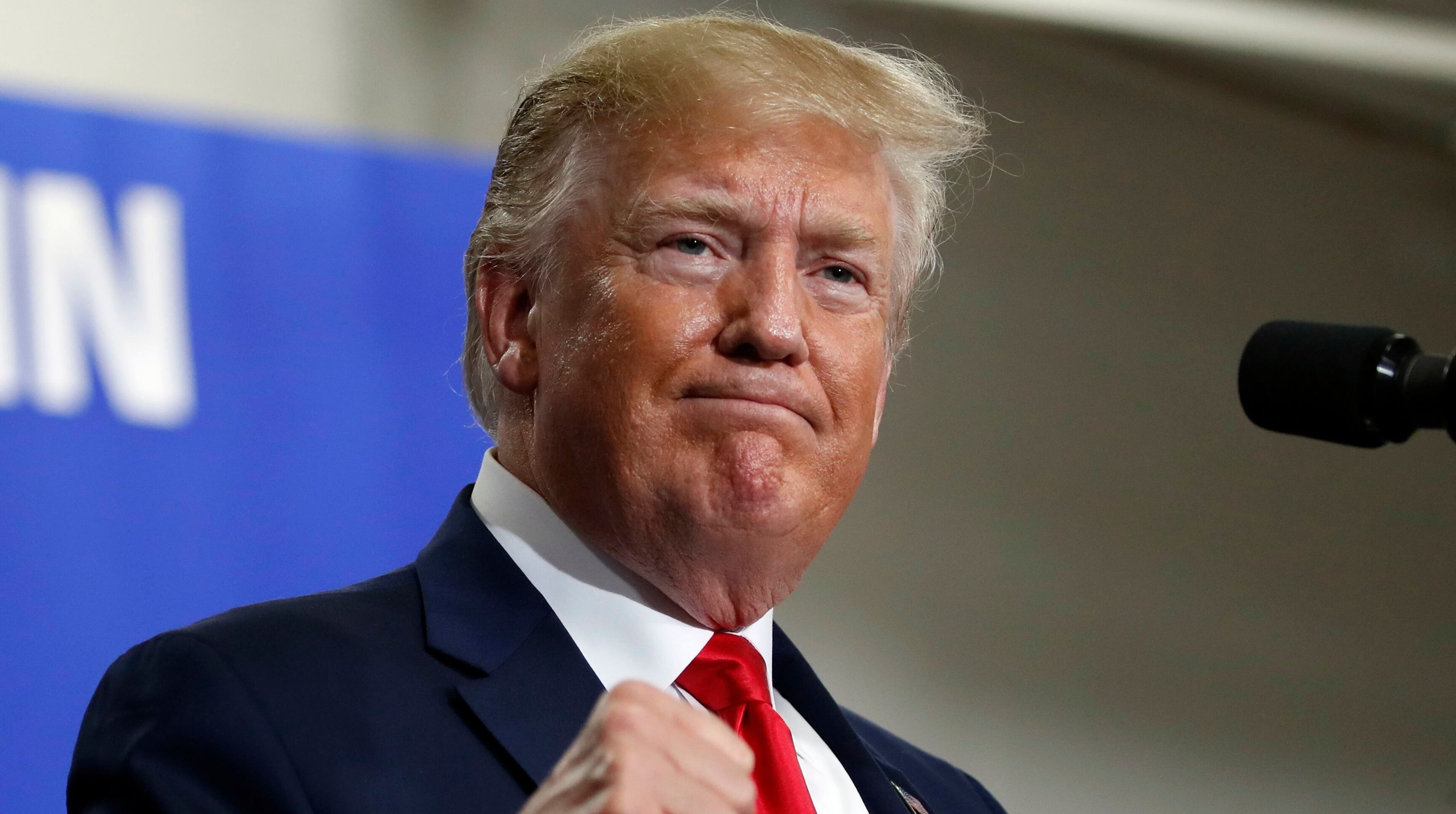
President Donald Trump Thursday evening decided to share his negative opinions on cryptocurrencies and Facebook's plans for the Libra currency, drawing a backlash among blockchain proponents.
Mississippi Rep. Robert Foster, currently running for governor of the state, is denying a female reporter from his campaign trip — unless she is accompanied by a male colleague. That Mississippi Today reporter Larrison Campbell joined Cheddar to give her reaction.
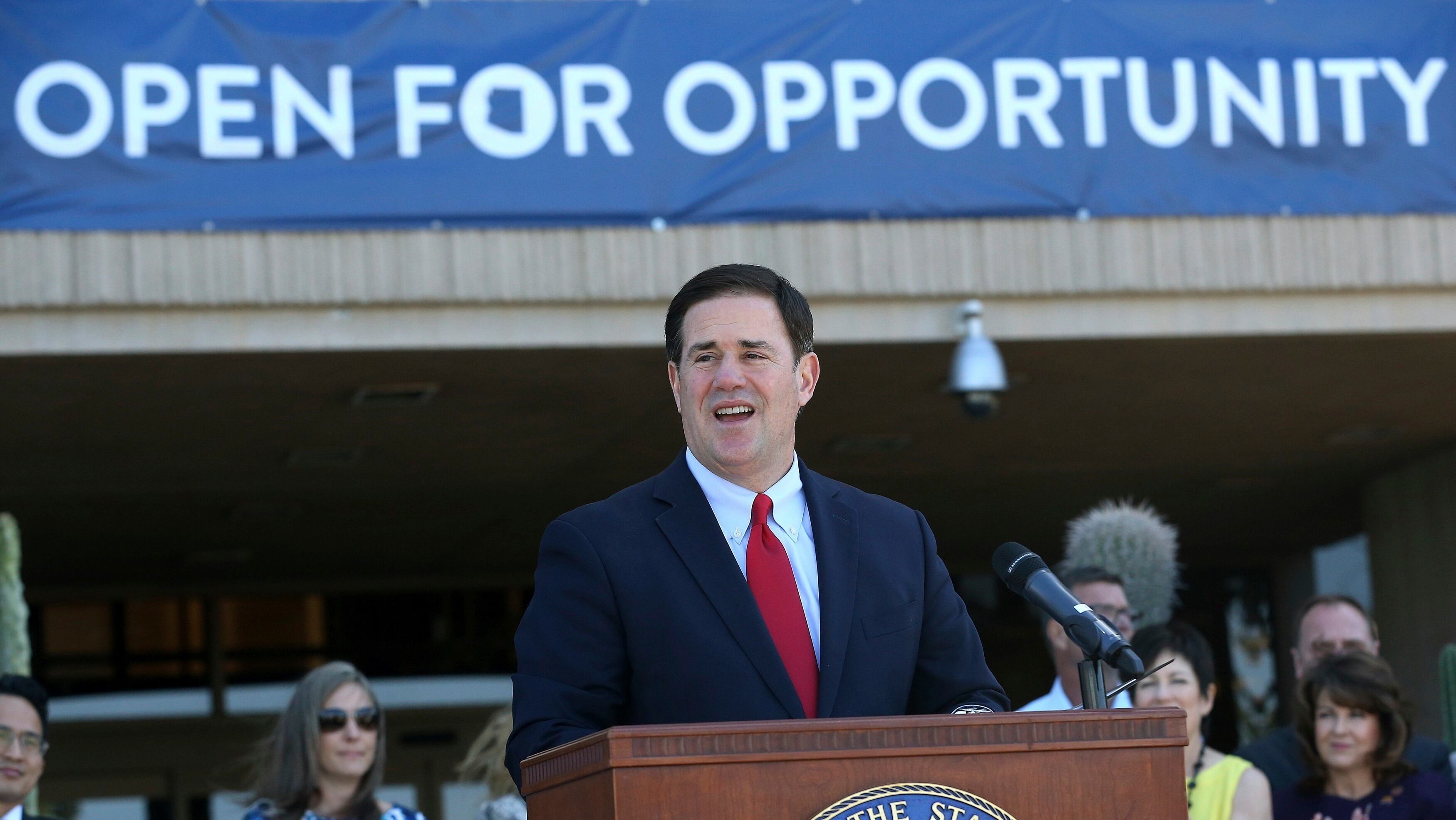
Nike announced on Thursday that it is moving forward with its plan to open a Nike Air Manufacturing Innovation facility in Goodyear, Arizona, just a week after the Governor Doug Ducey said the company was not welcome.
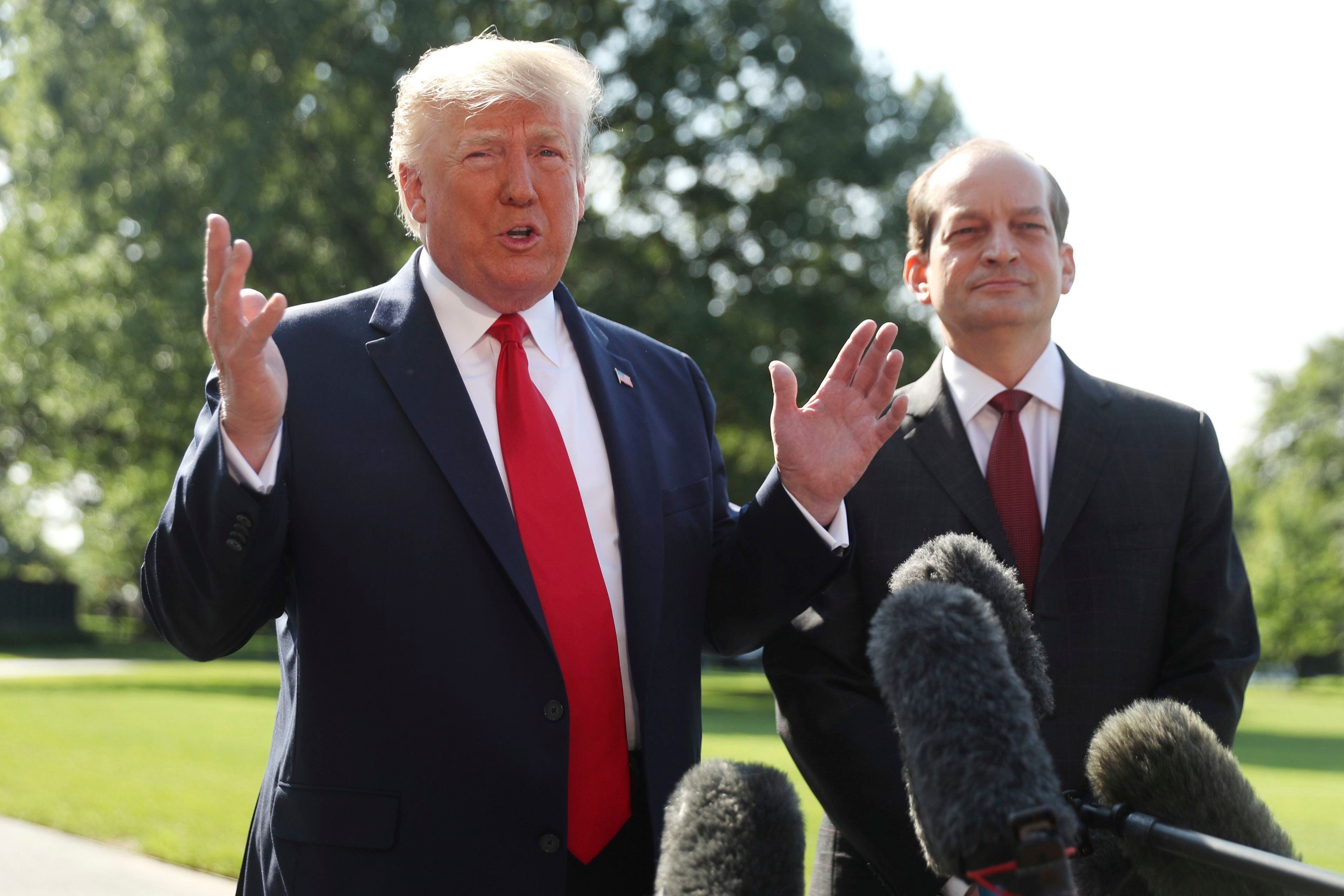
On Friday morning, President Donald Trump announced that Labor Secretary Alex Acosta resigned from his position. The decision follows widespread outrage over Acosta's handling of a 2008 case involving hedge fund manager Jeffrey Epstein, who had been accused of being a sexual predator.
These are the headlines you Need 2 Know for Friday, July 12, 2019.
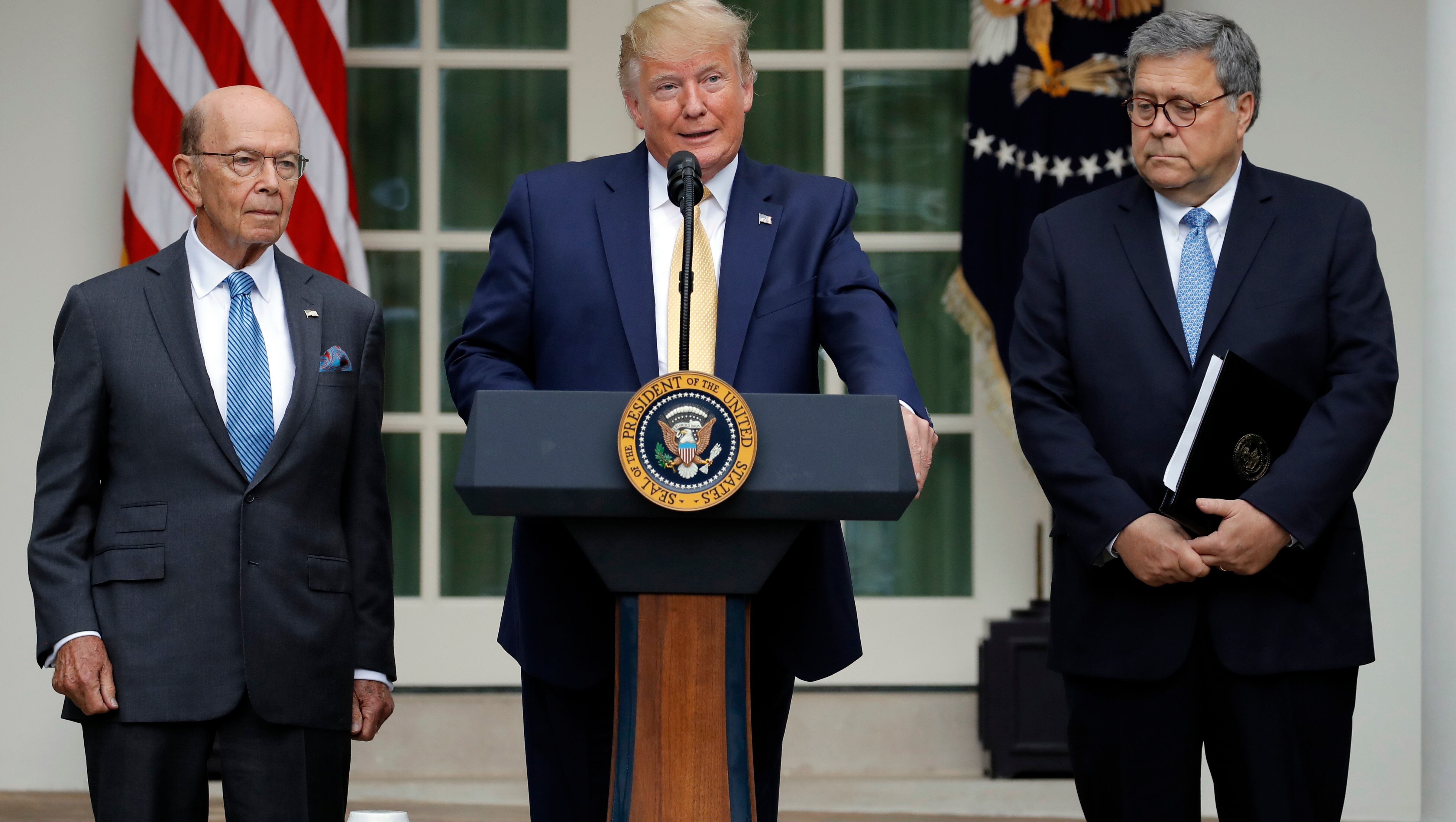
President Donald Trump abandoned his administration's years-long pursuit to add a citizenship question to the 2020 census, but through an executive order demanded that all government agencies compile and disclose existing data on citizenship.
According to the 16-page report obtained by Cheddar, the expected price tag of the Victim's Compensation Fund is expected to be more than $10 billion over the next 10 years.
French lawmakers voted to impose a 3 percent tax on revenues from digital services that reach French users that could leave U.S. tech giants like Facebook, Google, and Amazon facing a hefty new tax bill.
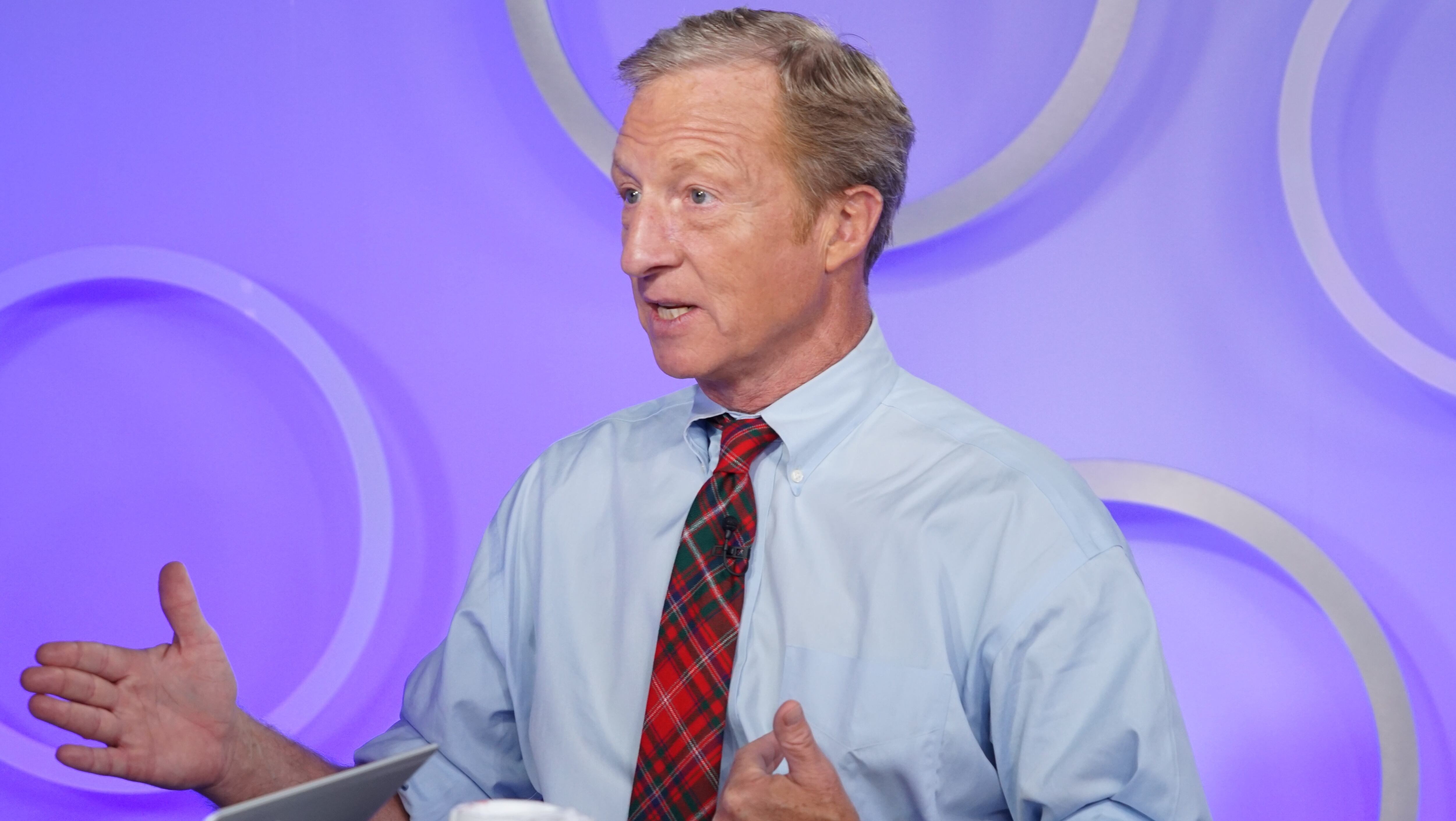
Billionaire progressive activist Tom Steyer who joined the 2020 race spoke with Cheddar about his focus on the avarice of big business and its undue influence.