By Jessica Gresko
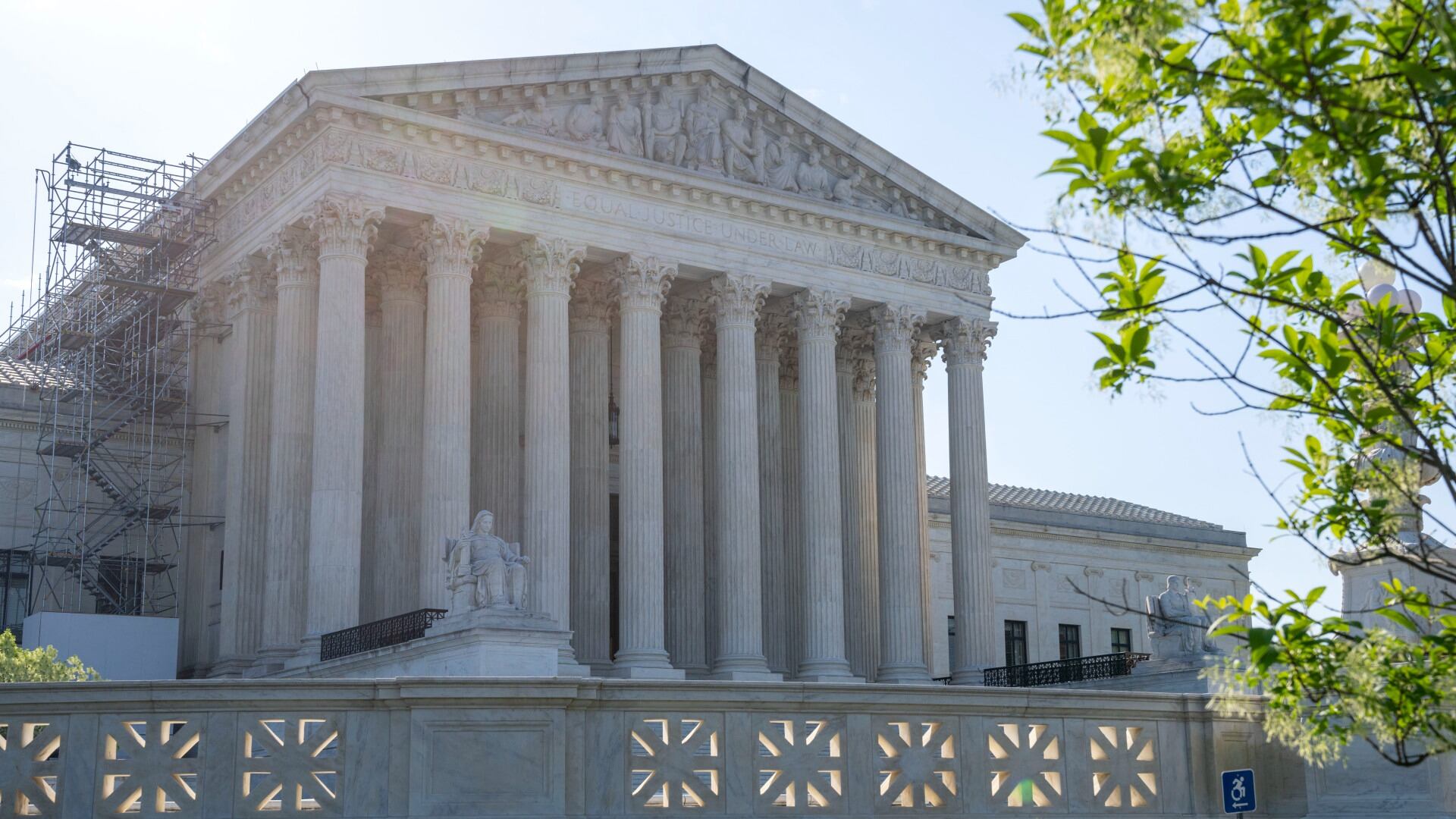
The Supreme Court said Monday it won't review North Carolina's decision to stop issuing specialty license plates with the Confederate flag.
As is typical, the court did not comment in declining to hear the case, which challenged the state's decision. The dispute was one of many the court said Monday it would not hear. It was similar to a case originating in Texas that the court heard in 2015, when it ruled the license plates are state property.
The current dispute stems from North Carolina's 2021 decision to stop issuing specialty license plates bearing the insignia of the North Carolina chapter of the Sons of Confederate Veterans. The chapter sued, claiming that the state's decision violated state and federal law. A lower court dismissed the case, and a federal appeals court agreed with that decision.
North Carolina offers three standard license plates and more than 200 specialty plates. Civic clubs including the Sons of Confederate Veterans can create specialty plates by meeting specific requirements.
In 2021, however, the state Department of Transportation sent the group a letter saying it would "no longer issue or renew specialty license plates bearing the Confederate battle flag or any variation of that flag" because the plates "have the potential to offend those who view them."
The state said it would consider alternate artwork for the plates' design if it does not contain the Confederate flag.
The organization unsuccessfully argued that the state's decision violated its free speech rights under the Constitution's First Amendment and state law governing specialty license plates.
In 2015, the Sons of Confederate Veterans’ Texas chapter claimed Texas was wrong not to issue a specialty license plate with the group's insignia. But the Supreme Court ruled 5-4 that Texas could limit the content of license plates because they are state property.
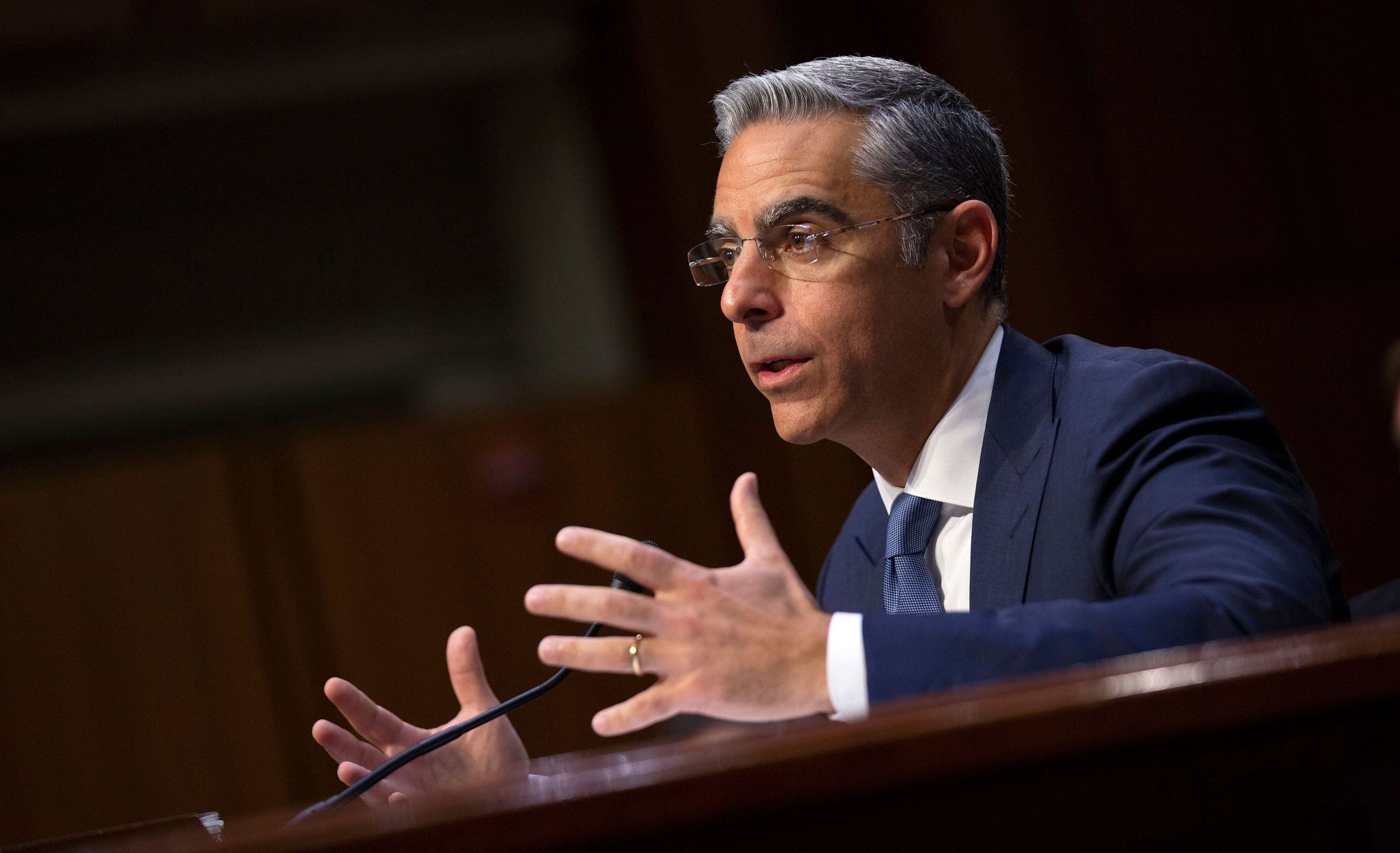
The banking system relies on public trust; unfortunately for Facebook's cryptocurrency ambitions, the social media Goliath doesn't have an abundance of it.
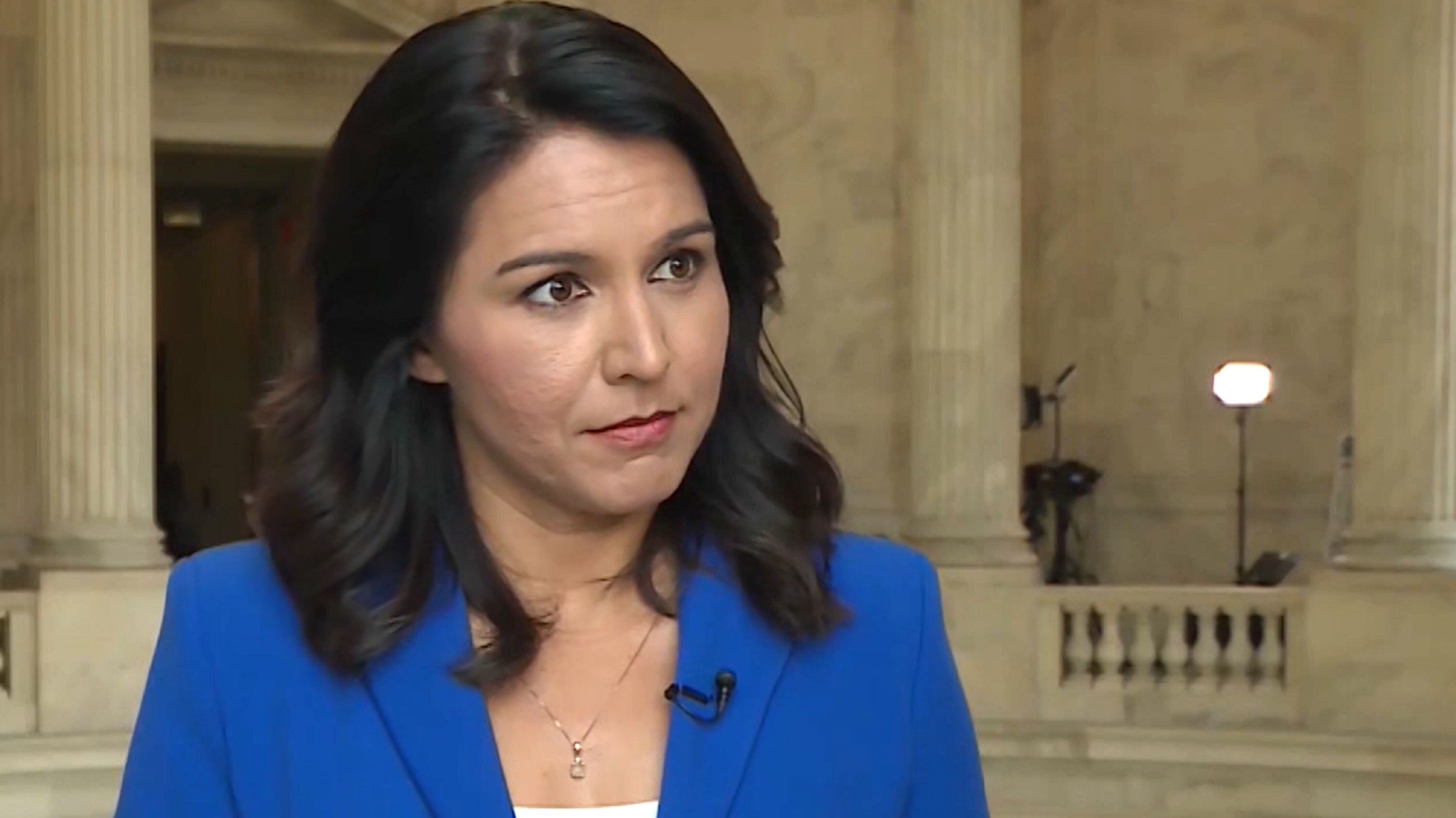
Rep. Tulsi Gabbard (D-Hawaii) adds her own critiques of Facebook's proposed digital currency Libra, and states that it's the responsibility of Congress to potentially break apart tech firms that appear to acquire too much power.
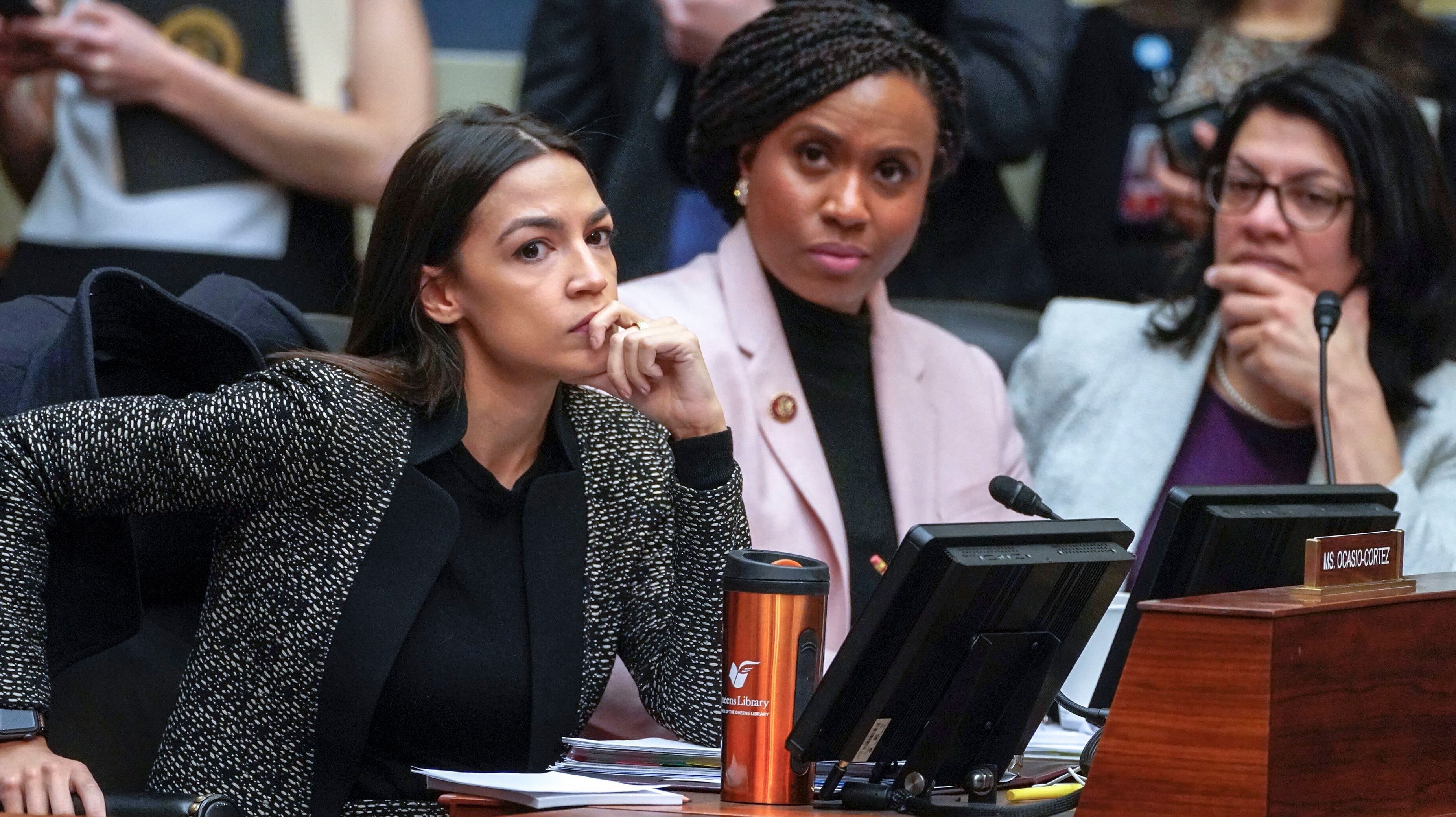
The Republican National Committee and key party leaders have pushed back against condemnation of President Trump's racist tweet he directed at four Democratic Congresswomen of color.
Amid an investigation by Health Canada, CannTrust has halted sales of its cannabis and products. Although CannTrust's regulatory snag does not directly impact U.S. cannabis supply, Cowen analyst Jaret Seiberg said that any turbulence in Canada's nascent industry could be cause for concern for its neighbor to the south.
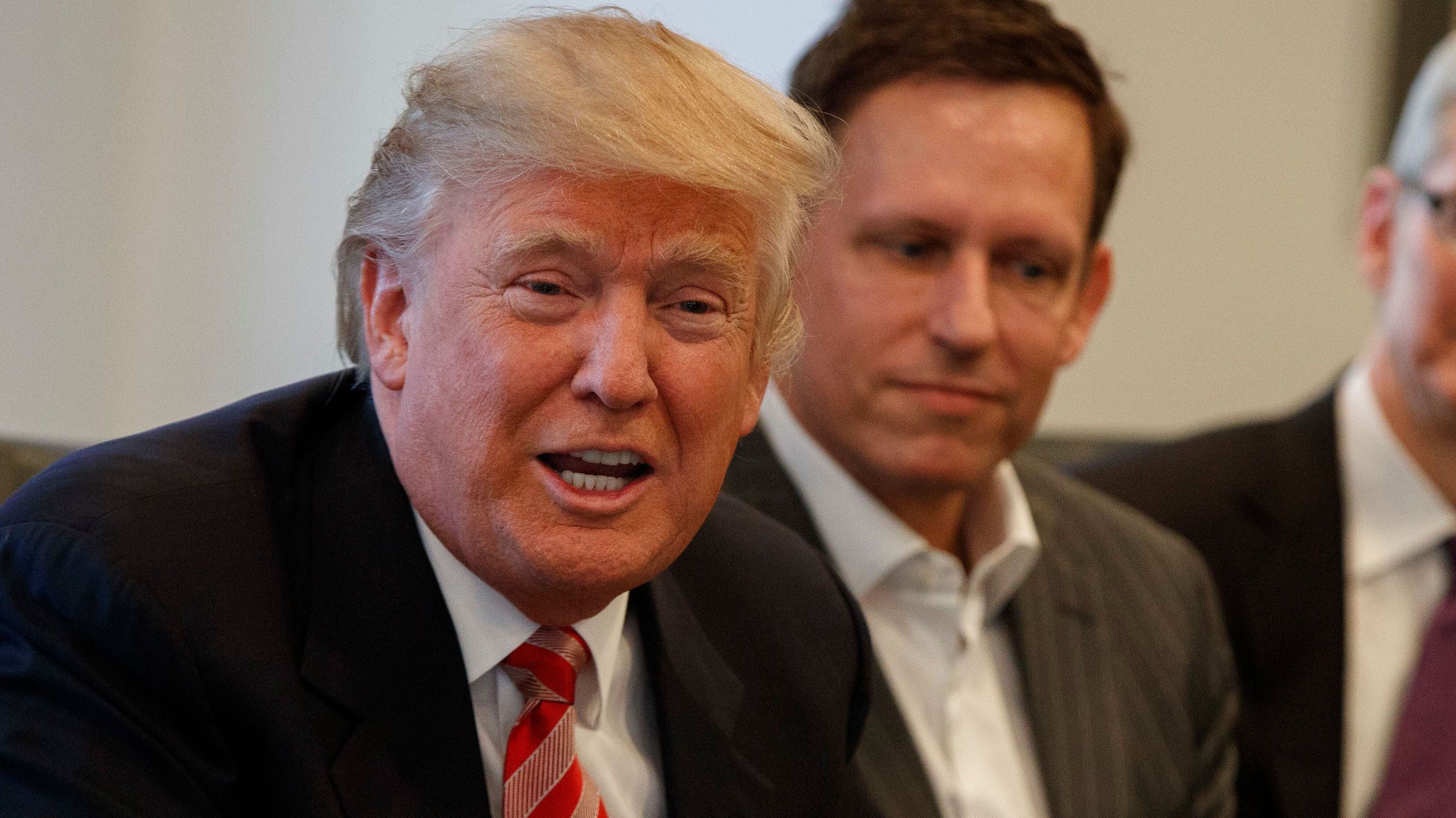
President Donald Trump said the government will investigate Google following an accusation by tech billionaire Peter Thiel that the company is working with China and committing treason.
These are the headlines you Need 2 Know for Tuesday, July 16, 2019.
More Americans are going to college than at any time in history. And more are graduating with a student debt burden that will follow them for years. Cheddar asked every 2020 Democratic candidate how they will handle student debt. Here's what they said.
To boost voter participation, Nevada launches telecaucus to allow people to vote over the phone. Shelby Wiltz, Nevada Dems caucus director, joins Cheddar to talk about the caucus process and voter participation in 2020.
After President Trump issued a thread of xenophobic tweets calling on four Congresswomen of color to "go back" to where they came from, he defended his comments again on Twitter and in remarks to reporters at the White House.
These are the headlines you Need 2 Know for Monday, July 15, 2019.