By Jessica Gresko
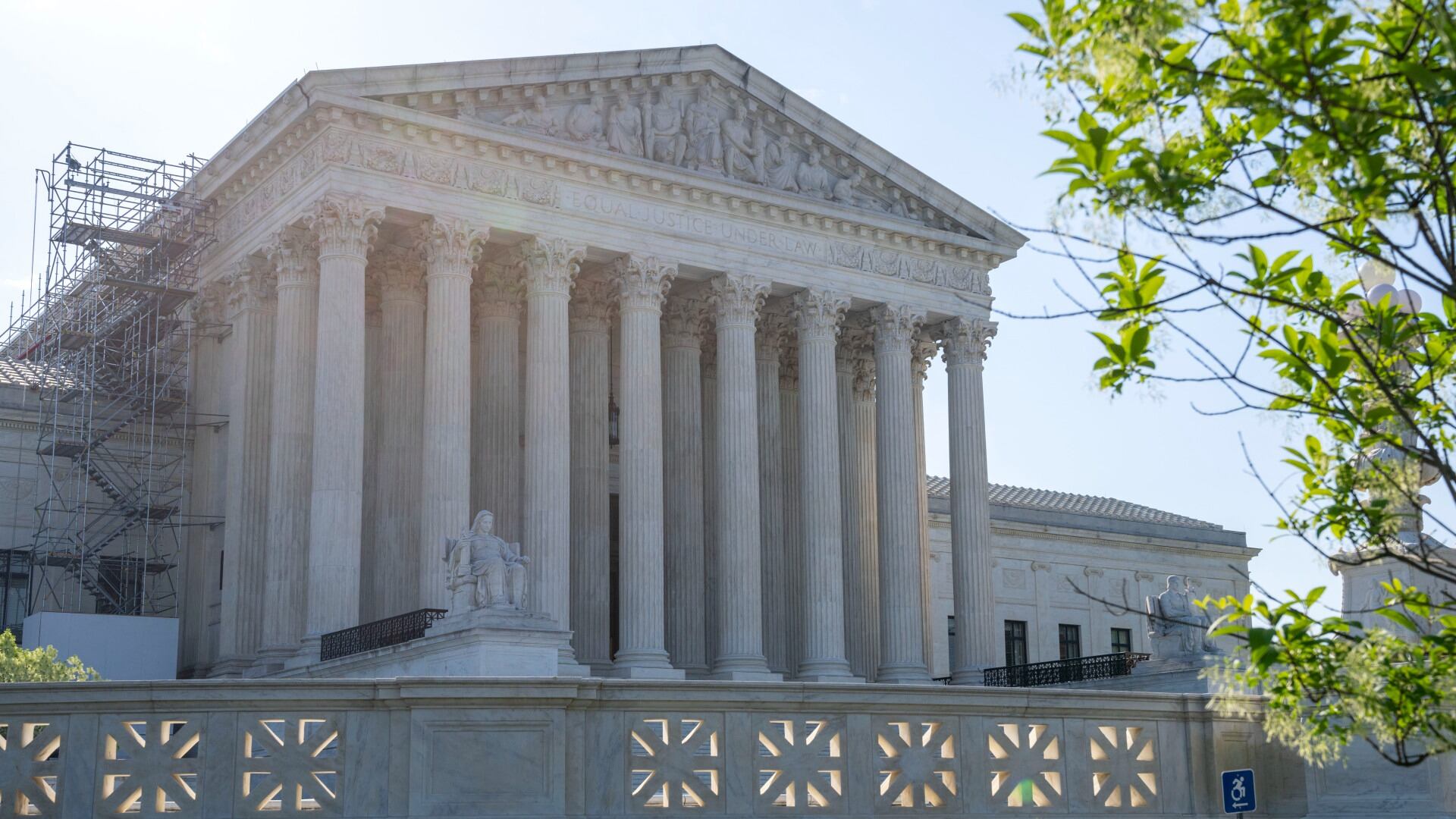
The Supreme Court said Monday it won't review North Carolina's decision to stop issuing specialty license plates with the Confederate flag.
As is typical, the court did not comment in declining to hear the case, which challenged the state's decision. The dispute was one of many the court said Monday it would not hear. It was similar to a case originating in Texas that the court heard in 2015, when it ruled the license plates are state property.
The current dispute stems from North Carolina's 2021 decision to stop issuing specialty license plates bearing the insignia of the North Carolina chapter of the Sons of Confederate Veterans. The chapter sued, claiming that the state's decision violated state and federal law. A lower court dismissed the case, and a federal appeals court agreed with that decision.
North Carolina offers three standard license plates and more than 200 specialty plates. Civic clubs including the Sons of Confederate Veterans can create specialty plates by meeting specific requirements.
In 2021, however, the state Department of Transportation sent the group a letter saying it would "no longer issue or renew specialty license plates bearing the Confederate battle flag or any variation of that flag" because the plates "have the potential to offend those who view them."
The state said it would consider alternate artwork for the plates' design if it does not contain the Confederate flag.
The organization unsuccessfully argued that the state's decision violated its free speech rights under the Constitution's First Amendment and state law governing specialty license plates.
In 2015, the Sons of Confederate Veterans’ Texas chapter claimed Texas was wrong not to issue a specialty license plate with the group's insignia. But the Supreme Court ruled 5-4 that Texas could limit the content of license plates because they are state property.
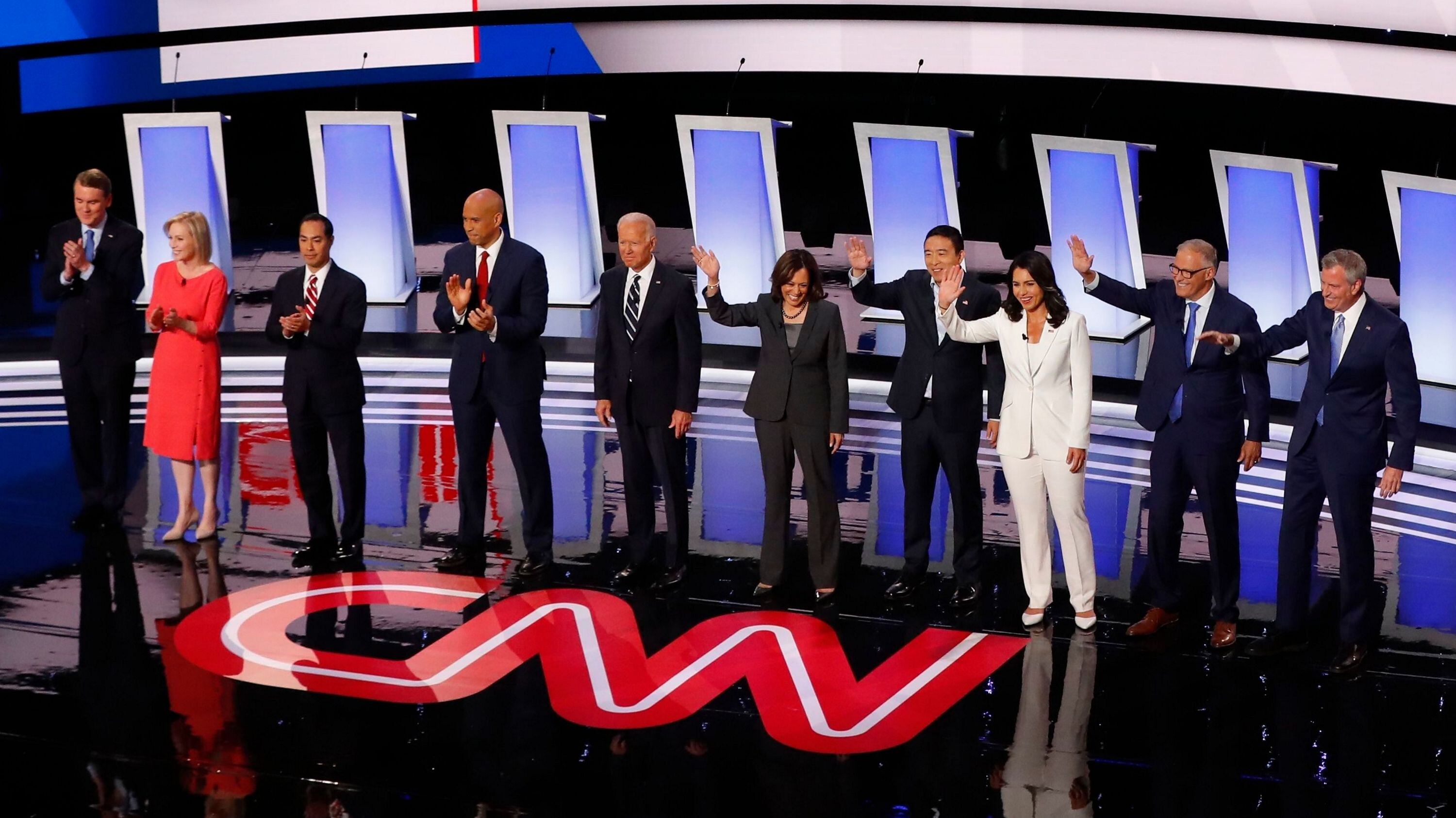
Presidential hopefuls sparred over immigration at the Democratic debate in Detroit Wednesday night, arguing specifically over how the next occupant of the White House will improve the system and correct approaches taken by past administrations.
On the Detroit Democratic debate stage, Sen. Kamala Harris, a former prosecutor, found herself grilled on her record regarding cannabis and criminal justice by fellow candidate Rep. Tulsi Gabbard.
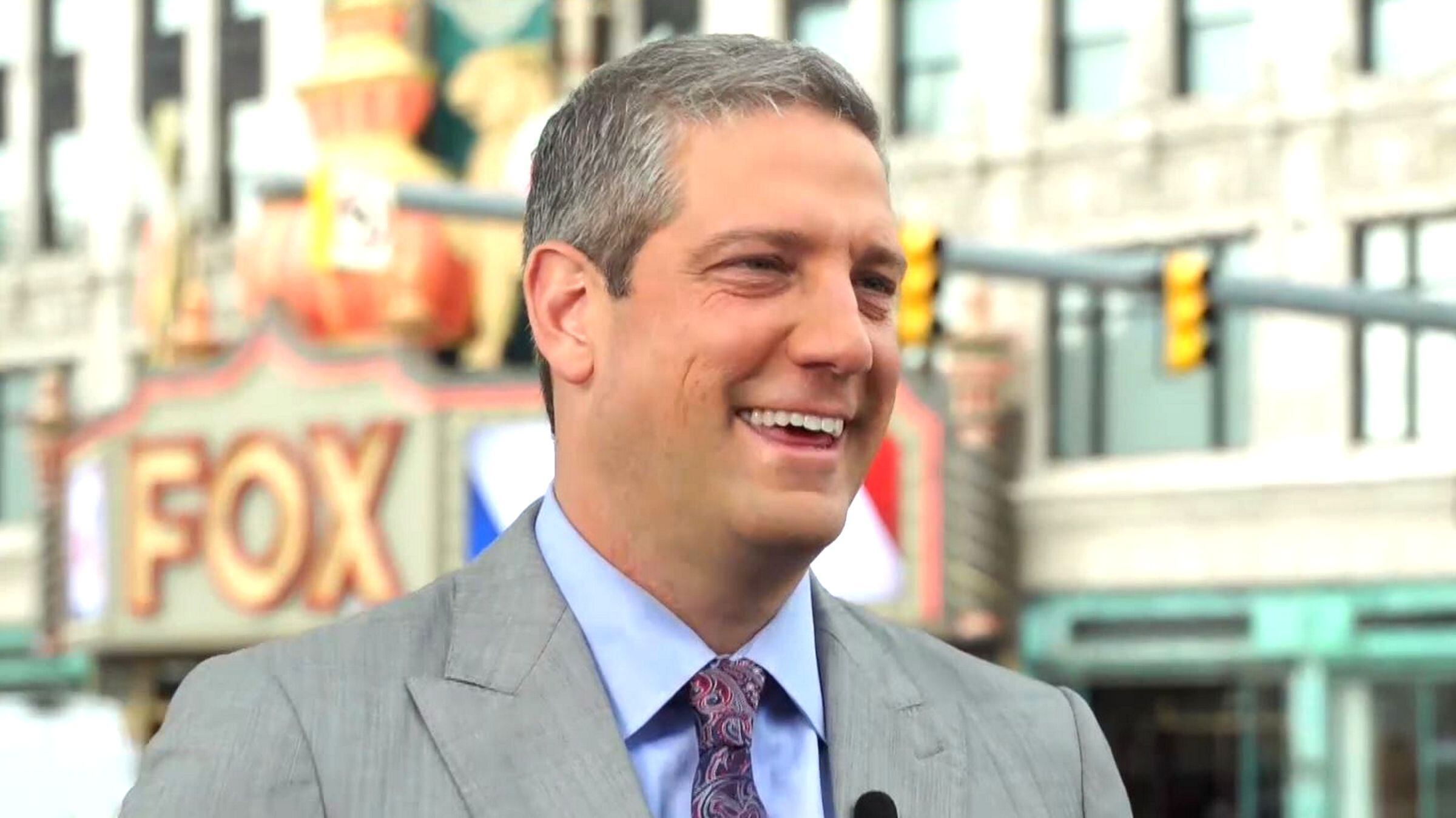
Rep. Ryan told Cheddar that he's so focused on making sure American workers are prepared for the future of manufacturing and wants to drive investment in the electric vehicle market.
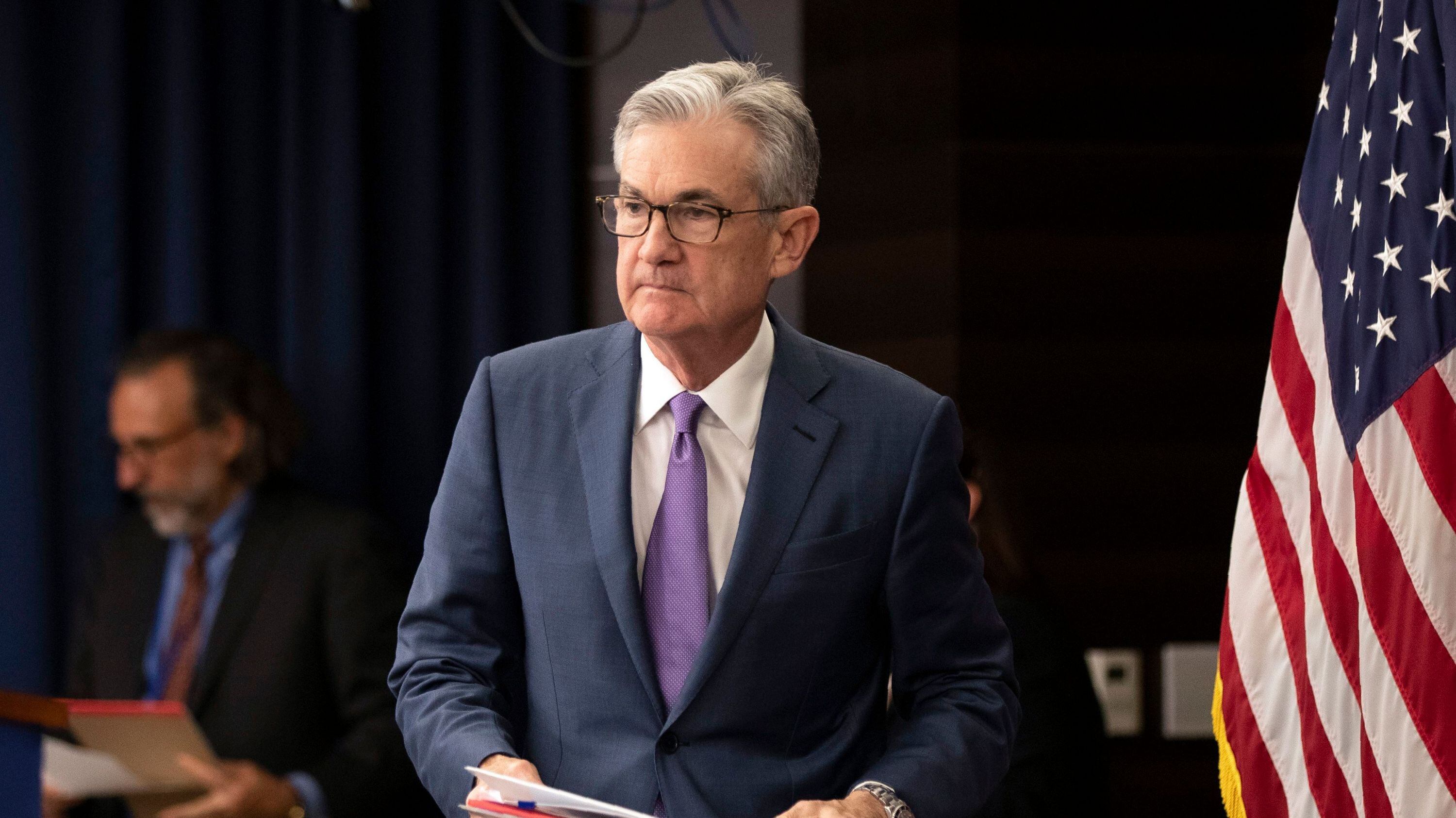
The Federal Reserve cut interest rates by 0.25 percent on Wednesday, marking the first time the U.S. central bank had lowered rates since the financial collapse in 2008. The decision puts the benchmark rate at a range between 2 and 2.25 percent.
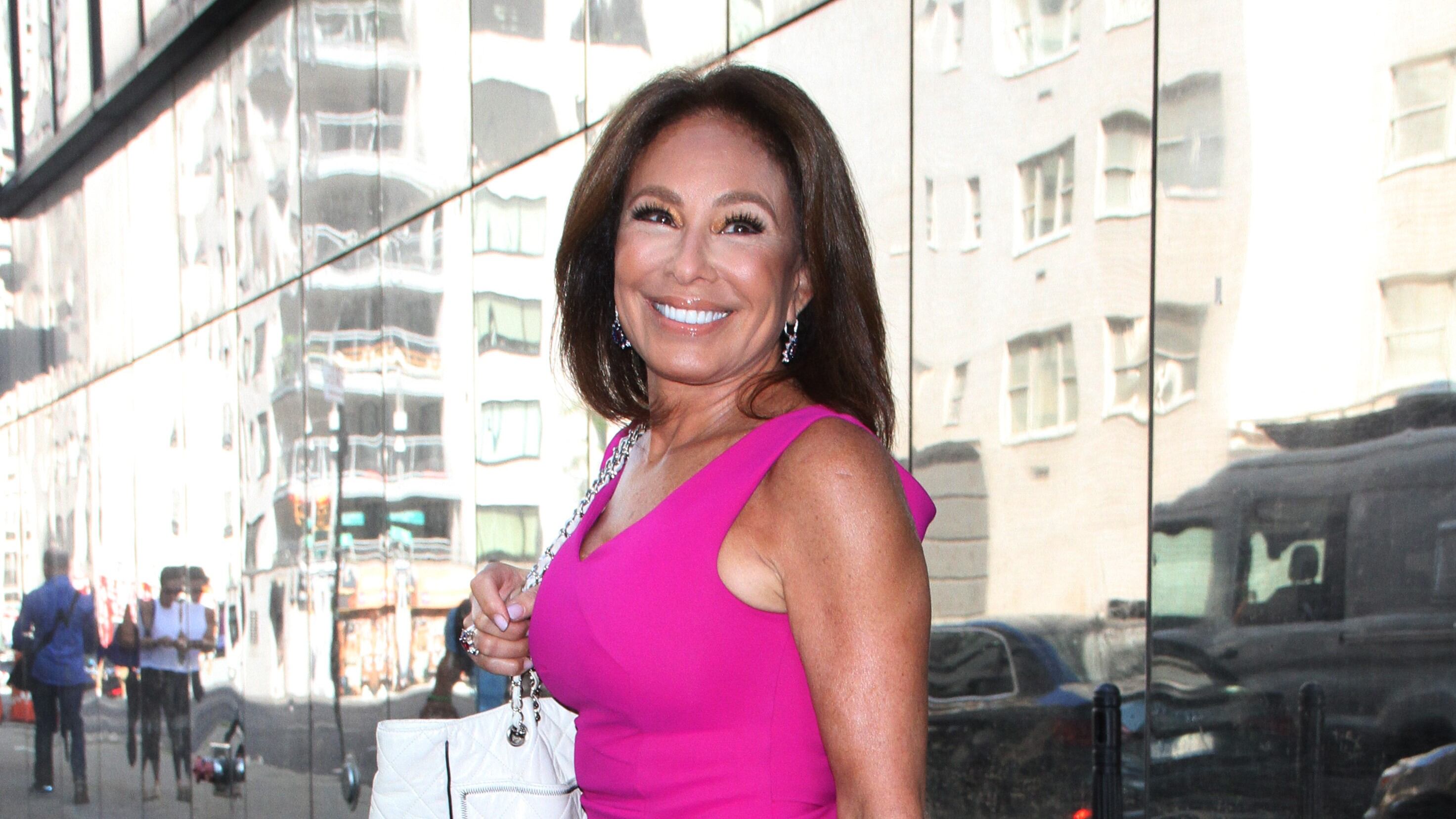
Fox News personality Judge Jeanine Pirro is jumping into the cannabis game. She joined the board of Heavenly Rx, the hemp and CBD company announced on Wednesday.
These are the headlines you Need 2 Know for Wednesday, July 31, 2019.
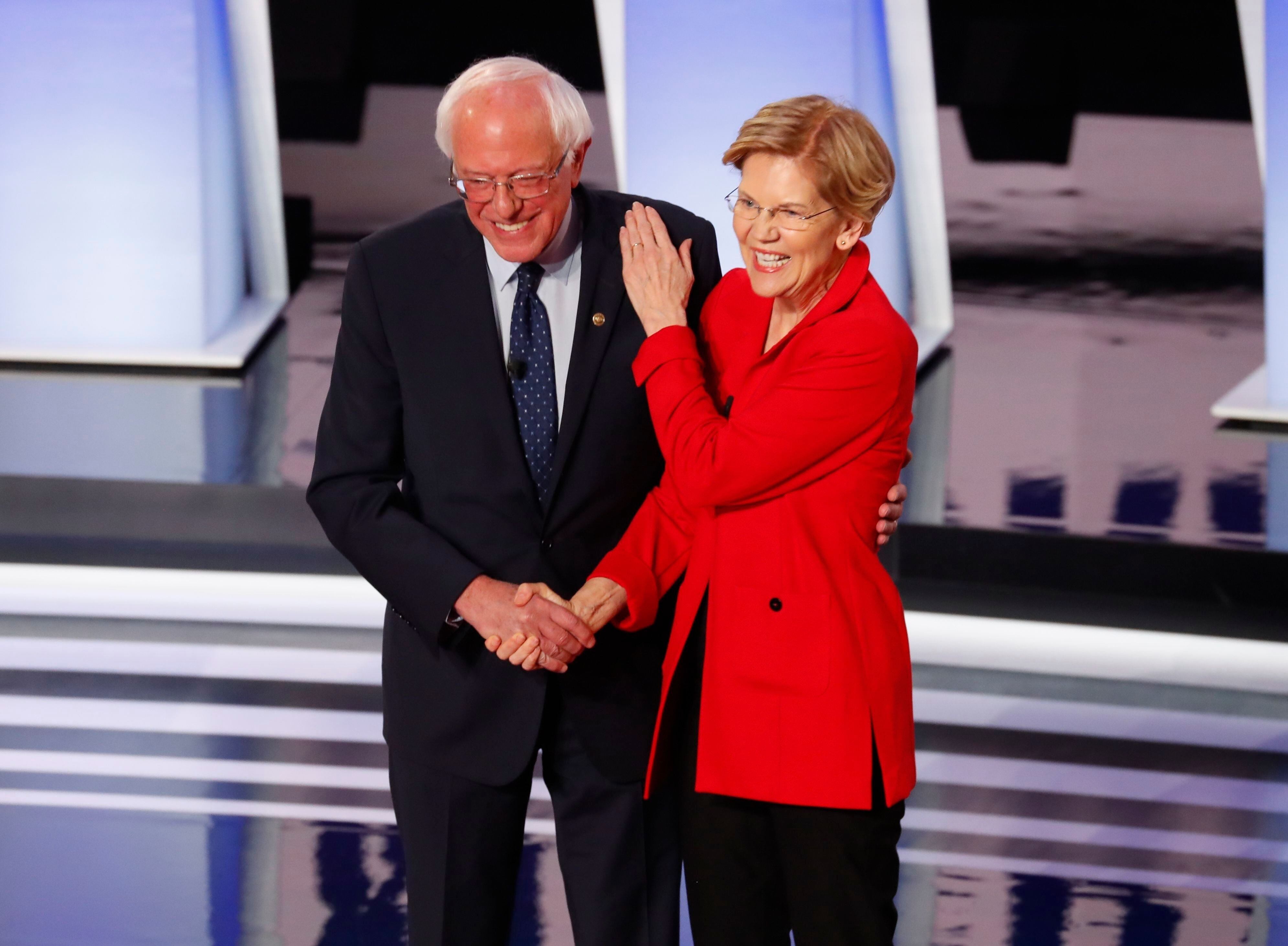
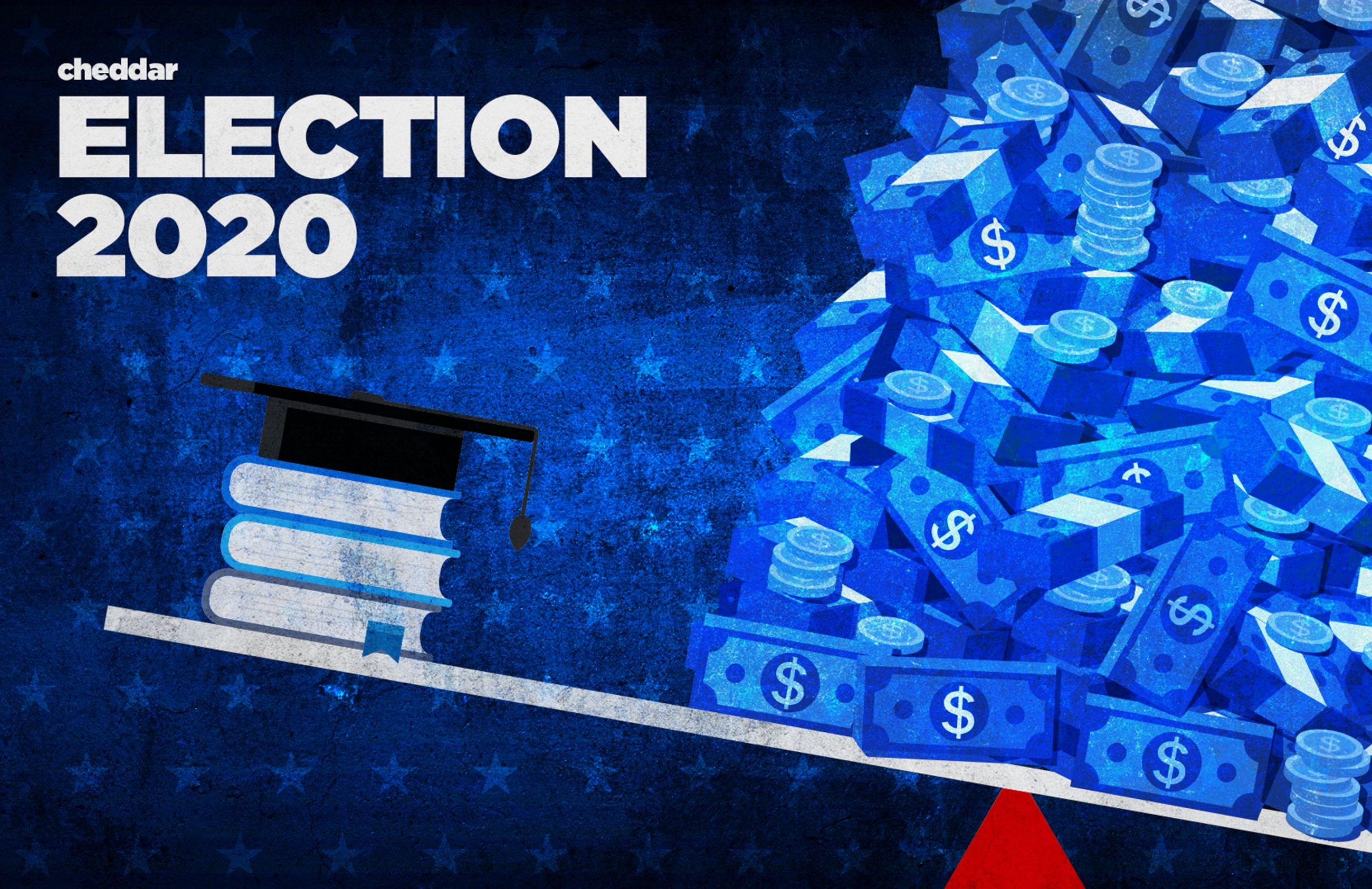
Candidates like Pete Buttigieg, Tim Ryan, and Amy Klobuchar were very critical of the student loan forgiveness plans put forth by Bernie Sanders and Elizabeth Warren on the Detroit debate stage.
In a debate heavy on the topic of Medicare for All versus private insurance, the 2020 Democratic candidates also wrangled about expanding guaranteed coverage to undocumented immigrants on the Detroit stage.
The president's team is in Detroit as Democratic hopefuls flock to the second primary debates, and it's banking on the economic improvements in the Great Lakes State to help him bring home another victory in 2020.
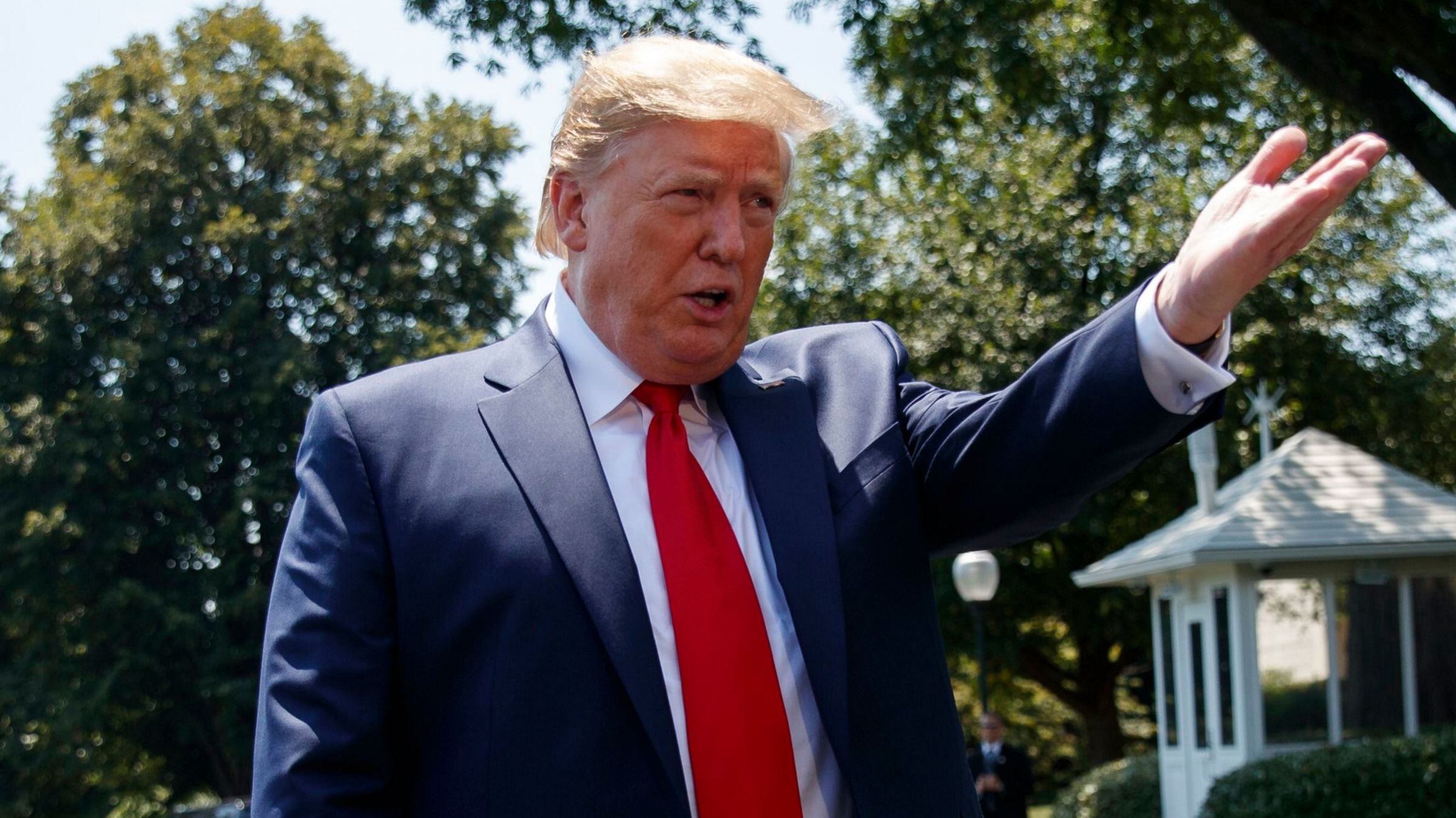
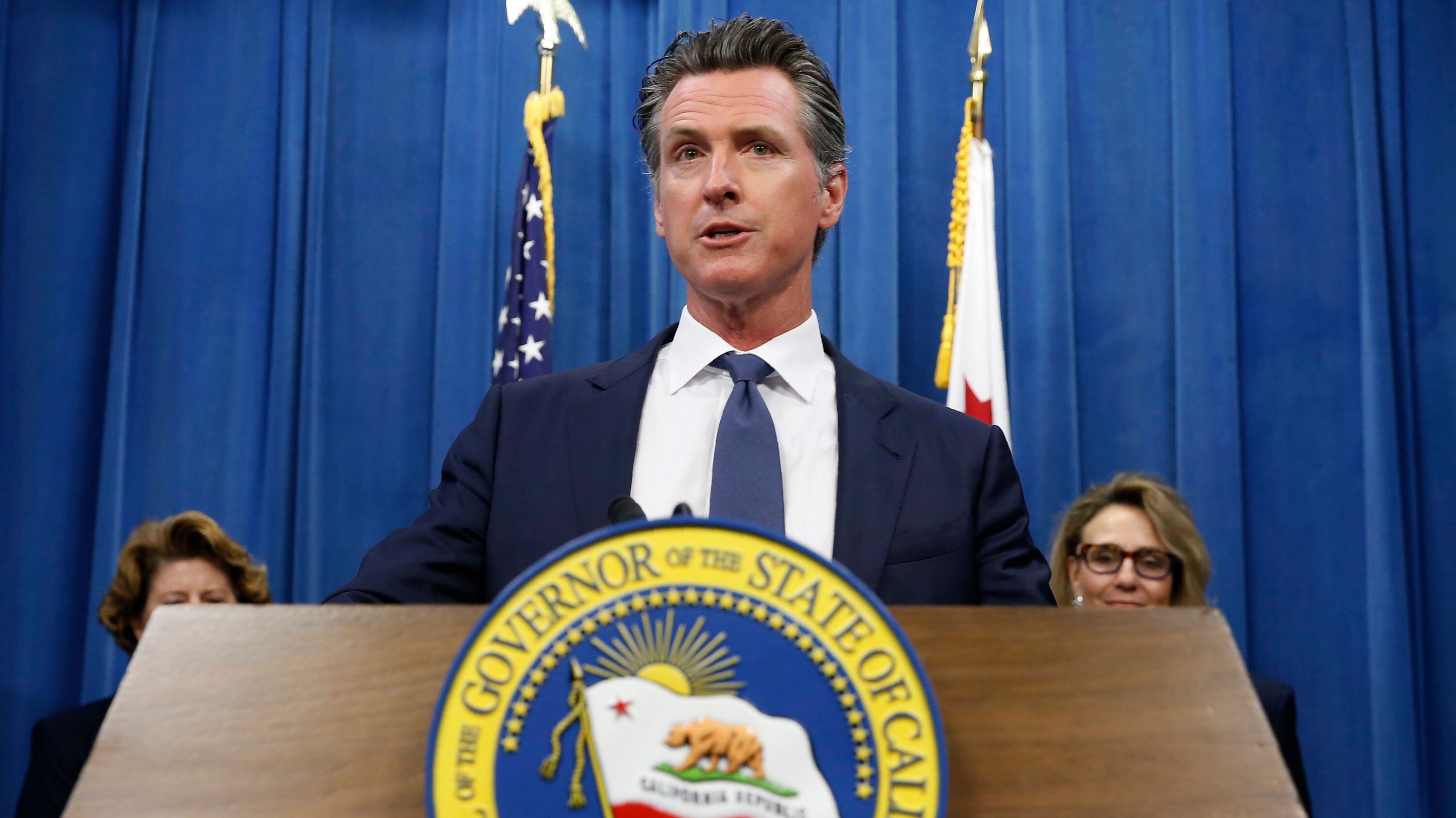
President Trump may be excluded from the nation’s largest primary election after California Gov. Gavin Newsom signed a bill into law on Tuesday that would require presidential hopefuls to release their tax returns in order to appear on the ballot.