By Jessica Gresko
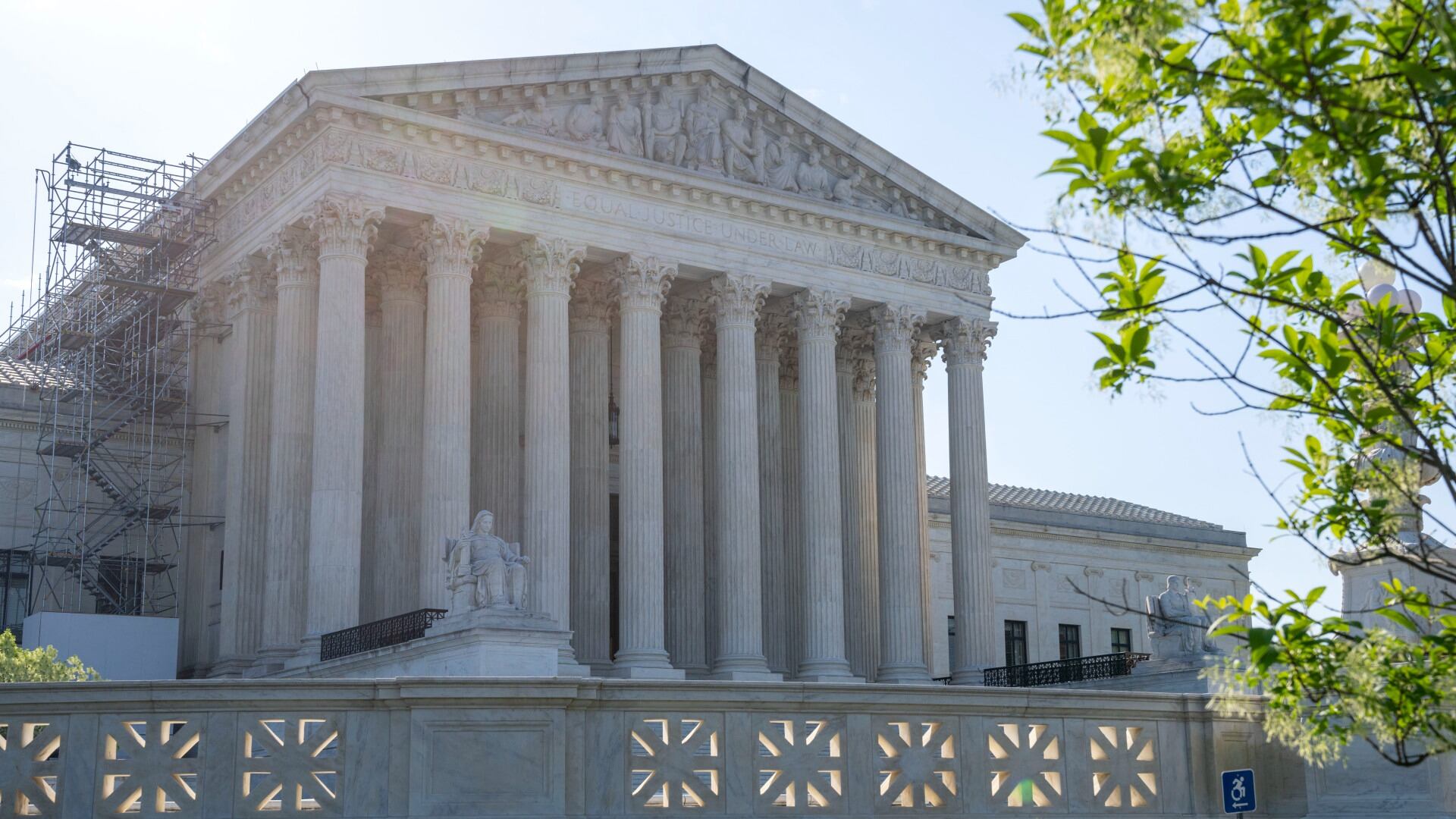
The Supreme Court said Monday it won't review North Carolina's decision to stop issuing specialty license plates with the Confederate flag.
As is typical, the court did not comment in declining to hear the case, which challenged the state's decision. The dispute was one of many the court said Monday it would not hear. It was similar to a case originating in Texas that the court heard in 2015, when it ruled the license plates are state property.
The current dispute stems from North Carolina's 2021 decision to stop issuing specialty license plates bearing the insignia of the North Carolina chapter of the Sons of Confederate Veterans. The chapter sued, claiming that the state's decision violated state and federal law. A lower court dismissed the case, and a federal appeals court agreed with that decision.
North Carolina offers three standard license plates and more than 200 specialty plates. Civic clubs including the Sons of Confederate Veterans can create specialty plates by meeting specific requirements.
In 2021, however, the state Department of Transportation sent the group a letter saying it would "no longer issue or renew specialty license plates bearing the Confederate battle flag or any variation of that flag" because the plates "have the potential to offend those who view them."
The state said it would consider alternate artwork for the plates' design if it does not contain the Confederate flag.
The organization unsuccessfully argued that the state's decision violated its free speech rights under the Constitution's First Amendment and state law governing specialty license plates.
In 2015, the Sons of Confederate Veterans’ Texas chapter claimed Texas was wrong not to issue a specialty license plate with the group's insignia. But the Supreme Court ruled 5-4 that Texas could limit the content of license plates because they are state property.
These are the headlines you Need 2 Know for Friday, Aug. 9, 2019.
The Golden State's so-called "resistance" strategy, Alex Padilla said, is rooted in a three-pronged approach: legislation, legal challenges, and civil society organization.
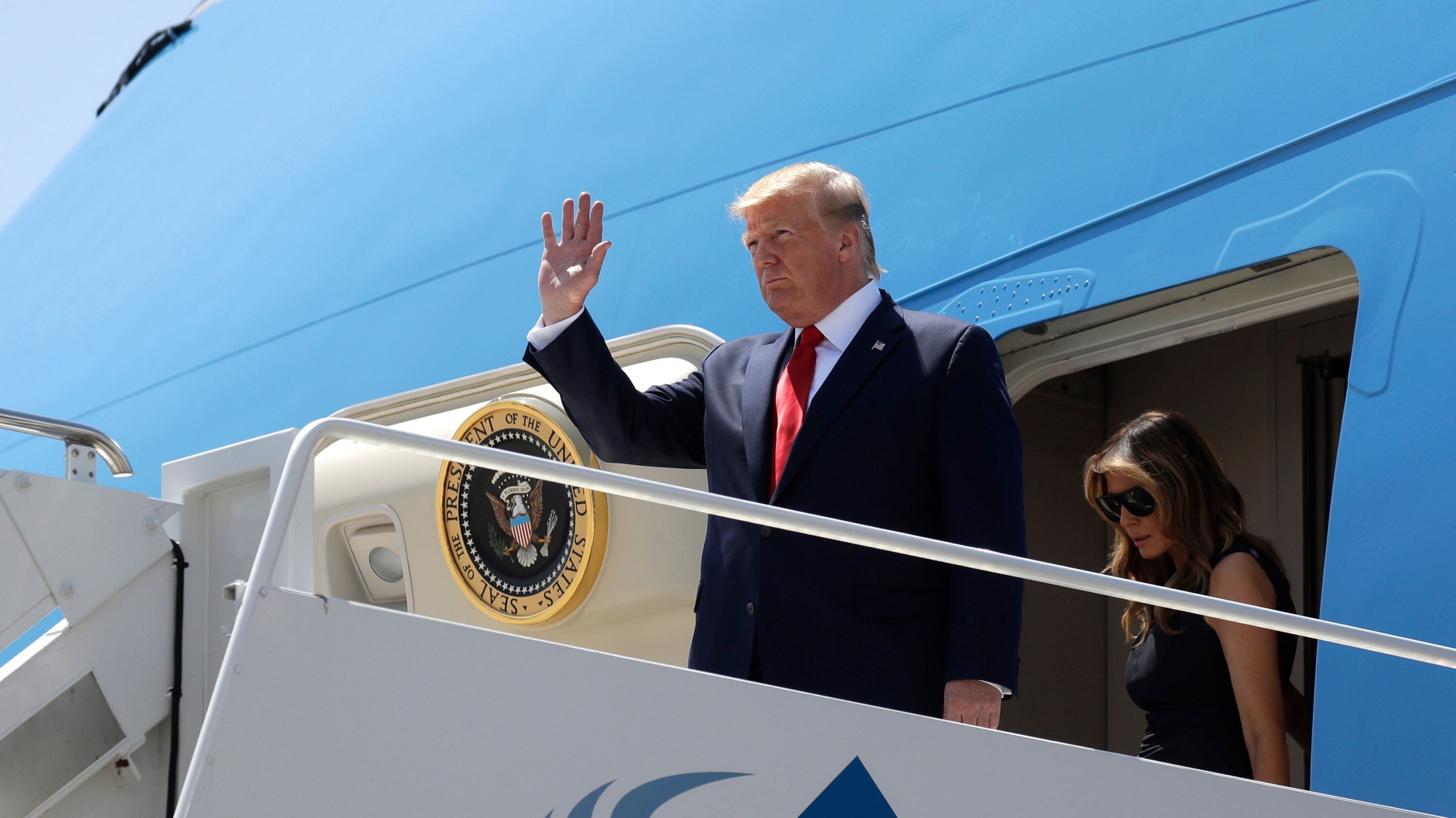
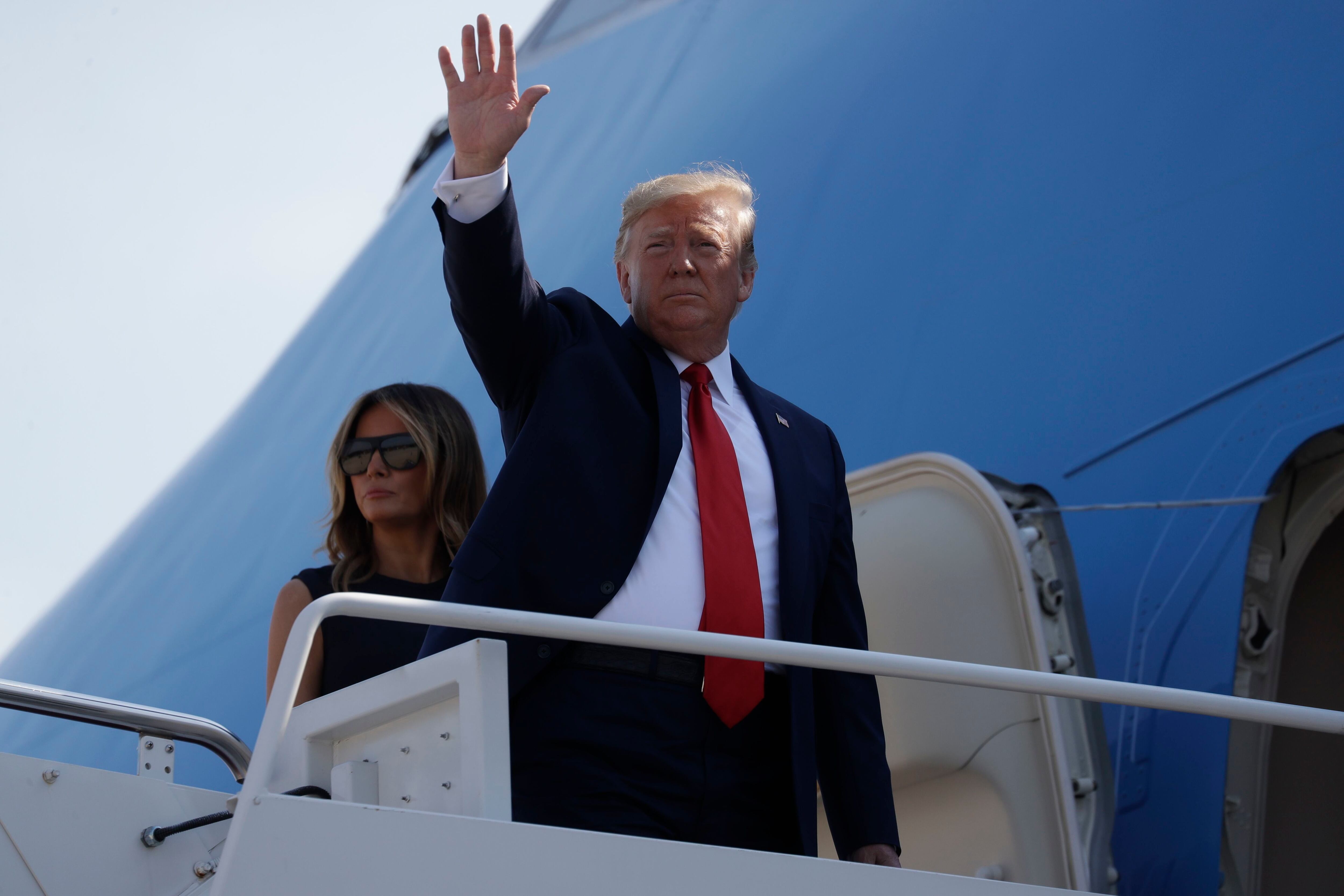
President Trump traveled to El Paso, Texas and Dayton, Ohio on Wednesday, two cities grieving after separate mass shootings killed at least 31 people over the weekend. The president, however, was greeted with large protests in both cities as residents and lawmakers expressed their anger over Trump’s divisive leadership and refusal to support stricter gun control measures.
The rule would be the latest move by the White House against Huawei. The Chinese tech giant was deemed to be a threat to U.S. national security in May and has since been a central component of the ongoing trade dispute between the U.S. and China.
China has historically been one of U.S. farmers' largest buyers, making the sector a prime target for Beijing's retaliatory tariffs.
On this episode of 'Your Cheddar': how one entrepreneur leverages technology to build her brand and monetize her expertise, and the CEO and co-founder of Pillar joins the show to discuss how his platform helps others manage their student loan debt. Cheddar also hits the streets to ask New Yorkers how they would decide between easy money and spending quality time with their favorite celebrities.
President Trump is scheduled on Wednesday to visit El Paso, Texas and Dayton, Ohio, two cities still grieving after separate mass shootings killed at least 31 people over the weekend. The president’s visits, however, have created an atmosphere of angst and unease.
President Trump and the Republican party filed multiple lawsuits on Tuesday to block California’s recently implemented law that requires presidential hopefuls to release their tax returns in order to appear on the state’s primary ballot.
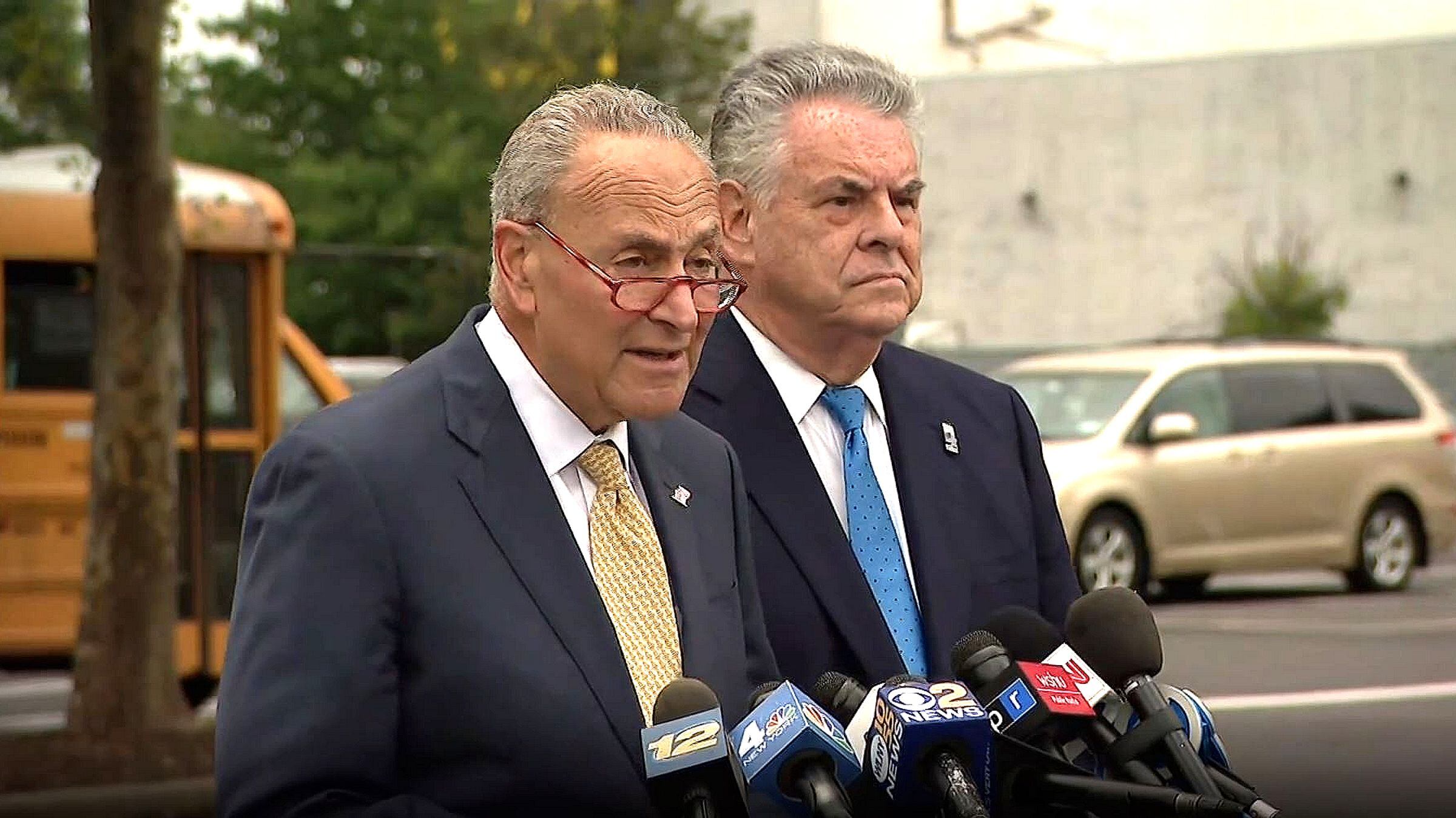
Democratic Sen. Chuck Schumer and Republican Rep. Peter King publicly called on Senate Majority Leader Mitch McConnell to hold a vote on a bipartisan background check legislation, just days after two back-to-back mass shootings in El Paso and Dayton killed over 30 people.
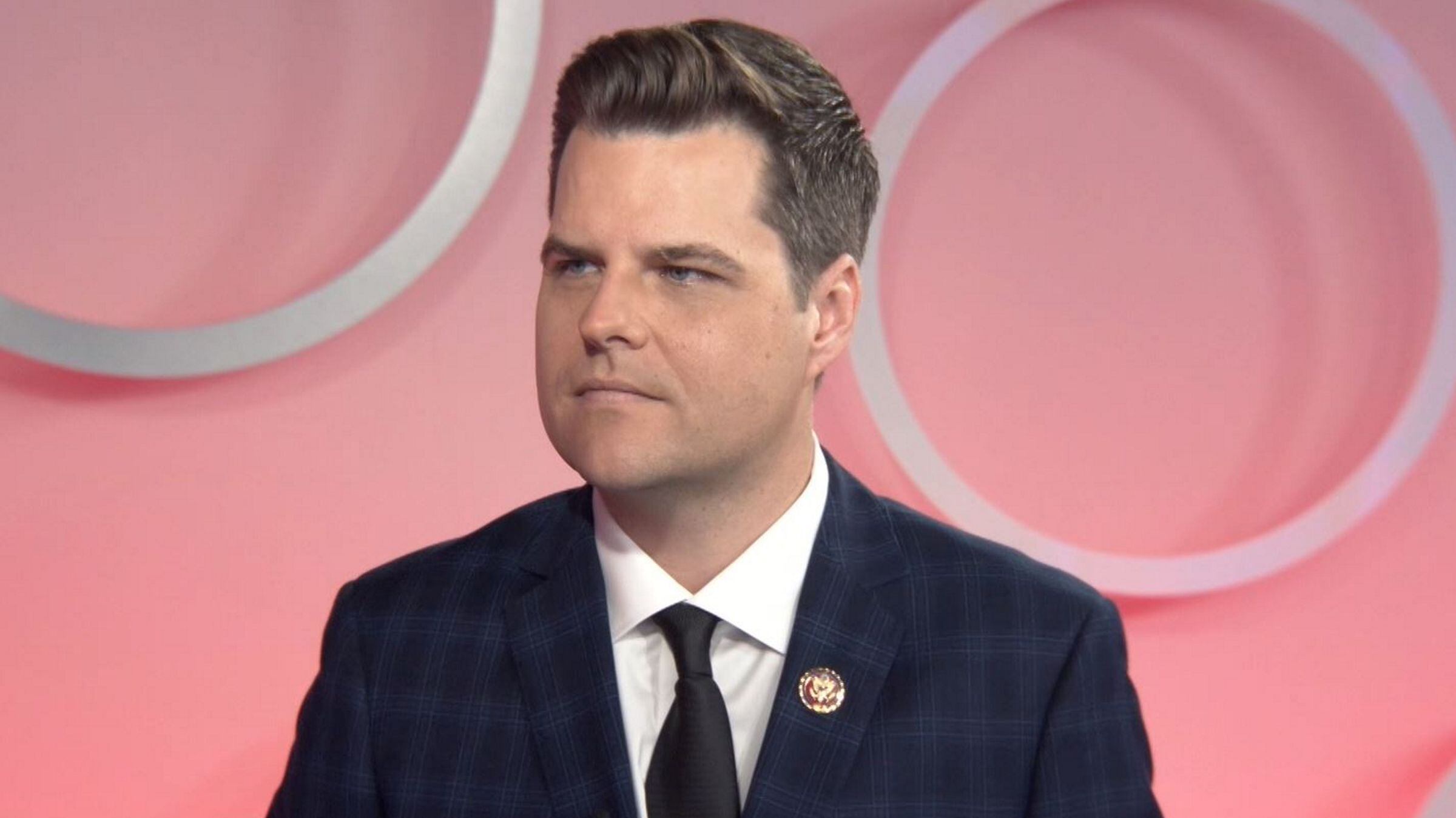
Congressman Matt Gaetz told Cheddar Monday that a focus on mental health is the answer to stop domestic-based gun violence, not gun control or background checks.