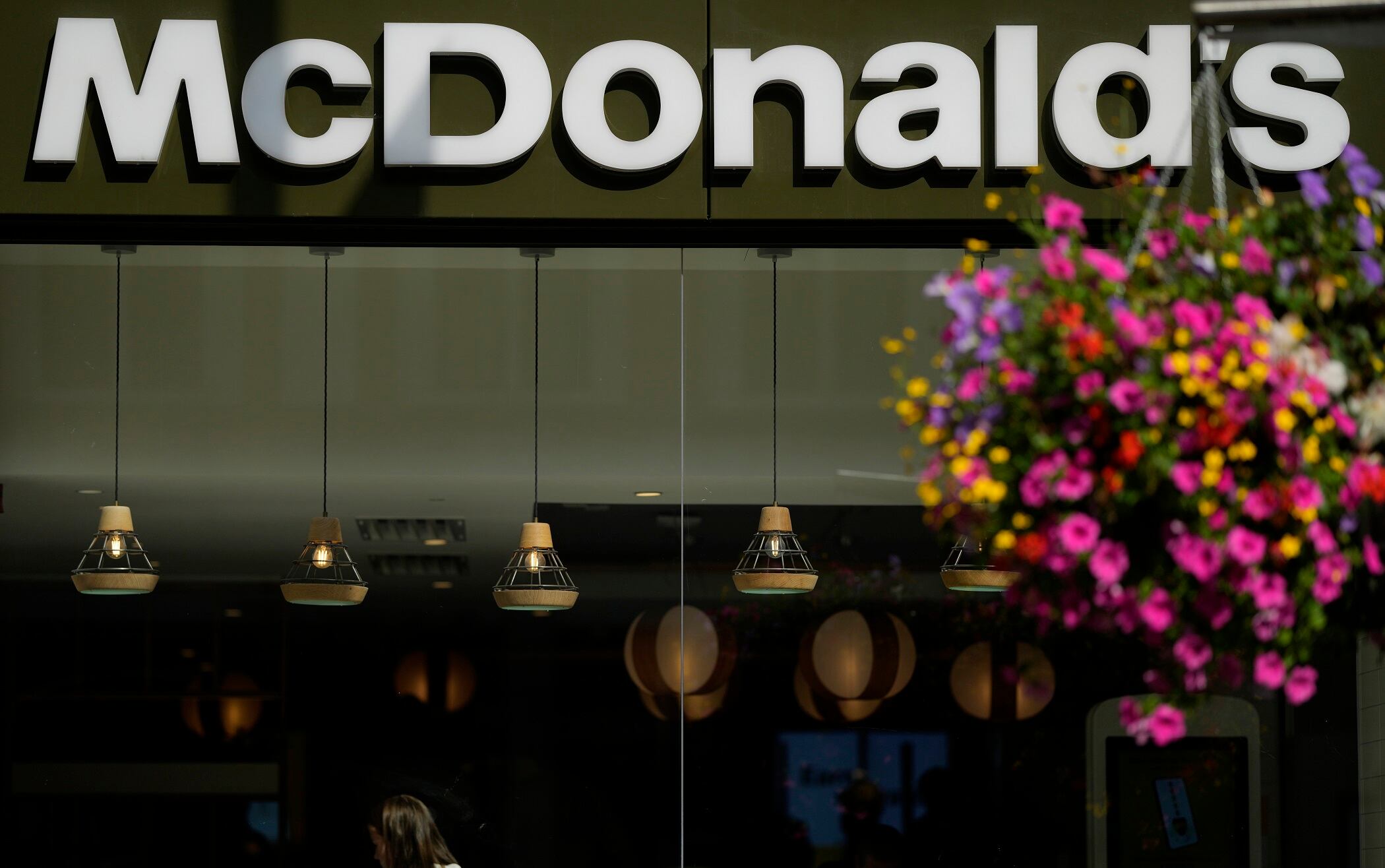
A customer walks in a McDonald's restaurant, in London, Tuesday, Aug. 24, 2021. McDonald’s says it has pulled milkshakes from the menu in all 1,250 of its British restaurants because of supply problems stemming from a shortage of truck drivers. The fast-food chain says it is also experiencing shortages of bottled drinks. (AP Photo/Alastair Grant)
McDonald’s says it has pulled milkshakes from the menu in all 1,250 of its British restaurants because of supply problems stemming from a shortage of truck drivers.
The fast-food chain says it is also experiencing shortages of bottled drinks.
“Like most retailers, we are currently experiencing some supply chain issues, impacting the availability of a small number of products,” McDonald’s said in a statement Tuesday. “Bottled drinks and milkshakes are temporarily unavailable in restaurants across England, Scotland and Wales.”
It said it was “working hard to return these items to the menu.”
It is the latest in a series of shortages to parts and products in Britain blamed on a combination of Brexit and the coronavirus pandemic. Britain’s exit from the European Union at the end of last year has made it harder for the bloc’s citizens to work in the U.K., and businesses have also been hit by large numbers of employees having to self-isolate because of possible exposure to the virus.
Industry body the Road Haulage Association says pandemic restrictions over the past 18 months have delayed many new recruits taking their driving tests. The group says Britain is short about 100,000 drivers, from a pre-pandemic total of 600,000.
Last week, chicken chain Nando’s temporarily shut about 50 outlets because of a shortage of poultry. KFC also warned recently that supply chain issues meant it was unable to stock some menu items.
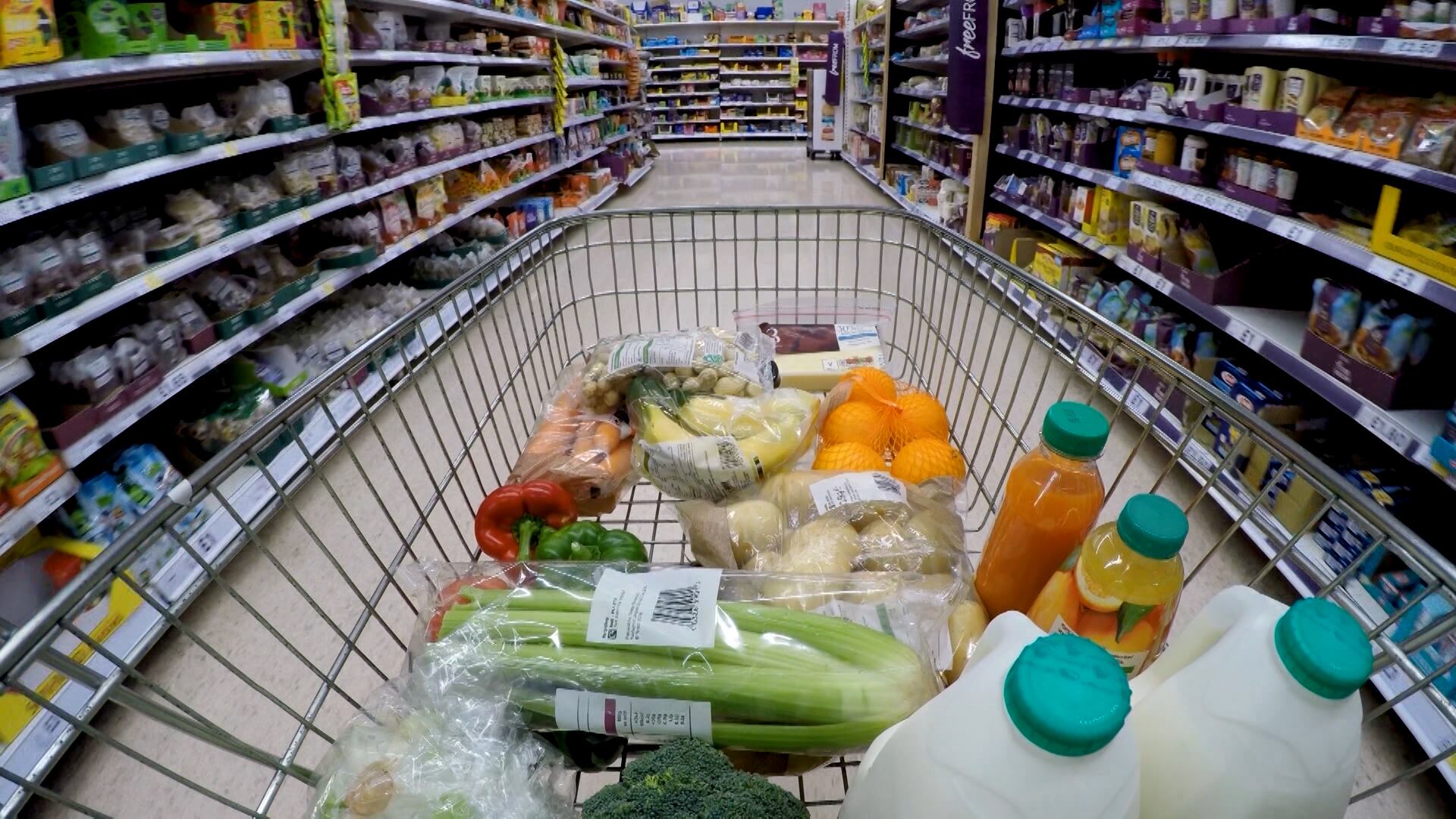
Supermarkets have also reported problems getting some products onto shelves.
The U.K. government has temporarily eased restrictions on the number of hours drivers can work in an attempt to improve the situation.
Grant Feek, CEO of Tred, discusses the ways accepting crypto impacts the peer-to-peer used car industry and how using digital assets aids in fraud prevention among individuals.
In what could be the biggest deal in video games history, Microsoft's purchase of Activision Blizzard underlines the company's aggressive push in gaming and beyond into its long-term vision of being top dog in the metaverse. Adam Hollander, former director of gamification at Microsoft and founder of Hungry Wolves NFT, joined Cheddar's Opening Bell to discuss. “Microsoft always plays chess, not checkers," he said, describing the price tag as an opportunity cost. "It's about integrating Activision Blizzard in with Azure and Windows and Xbox and Hololens and Minecraft and everything else that they're doing for the inevitable goal of being the major player in the next phase of the internet."
Jason Moser, a senior analyst at the Motley Fool, breaks down Unilever's expansion into healthcare and outlines the challenges the company faces gaining market share in this field.
Rhys Williams, Chief Strategist at Spouting Rock Asset Management, breaks down what to expect ahead of big banks Q4 earnings and highlights areas of the tech sector with potential growth.
Anu Gaggar, Global Investment Strategist for Commonwealth Financial Network, breaks down the headwinds facing Banks and spotlights industries with potential growth.
Mark DeCambre, Markets Editor at MarketWatch, discusses the factors impacting bank profitability and highlights industries within tech that are showing signs of growth.
Telecom giants AT&T and Verizon have agreed to delay activating their 5G services around airports and runways once again. This comes after major U.S. airlines voiced their concern over the rollout of 5G technology, warning of an impending "catastrophic" aviation crisis. Peter Andersen, Chief Investment Officer, Anderson Capital Management joined Cheddar's Opening Bell to discuss.
Earnings season kicks into high gear this week as big players are on tap to report their Q4 numbers. Goldman Sachs, Procter & Gamble, United Airlines, and Netflix are just a few of the companies we're keeping a close eye on to give us a better idea of how they're dealing with the Omicron variant, inflation and interest rates. David Nelson, chief strategist at Belpointe, gives a preview of what to expect.
Concerns over inflation have become one of the biggest worries for executives. A survey from The Conference Board shows that more than 900 CEOs consider inflation a top tier concern, a major shift from last year's survey that had it as a low-level concern. Rebecca Ray, Executive Vice President, Human Capital, The Conference Board joined Cheddar's Opening Bell for more.
David Maza, Managing Director and Head of Product at Direxion, joins Cheddar News to discuss the evolution of mRNA technologies, future applications of this tech including fighting Lyme disease and HIV, and what this all means for investors.