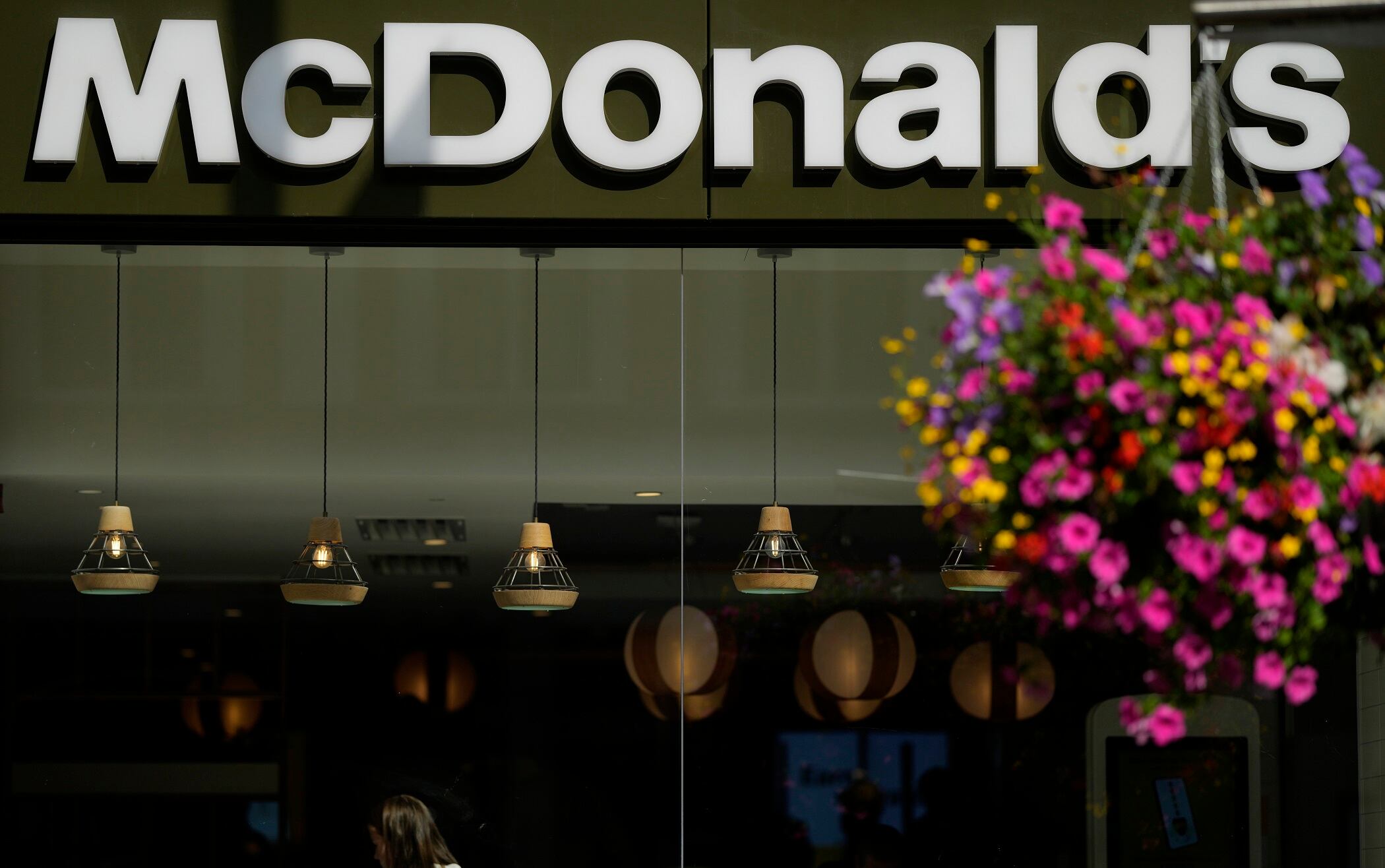
A customer walks in a McDonald's restaurant, in London, Tuesday, Aug. 24, 2021. McDonald’s says it has pulled milkshakes from the menu in all 1,250 of its British restaurants because of supply problems stemming from a shortage of truck drivers. The fast-food chain says it is also experiencing shortages of bottled drinks. (AP Photo/Alastair Grant)
McDonald’s says it has pulled milkshakes from the menu in all 1,250 of its British restaurants because of supply problems stemming from a shortage of truck drivers.
The fast-food chain says it is also experiencing shortages of bottled drinks.
“Like most retailers, we are currently experiencing some supply chain issues, impacting the availability of a small number of products,” McDonald’s said in a statement Tuesday. “Bottled drinks and milkshakes are temporarily unavailable in restaurants across England, Scotland and Wales.”
It said it was “working hard to return these items to the menu.”
It is the latest in a series of shortages to parts and products in Britain blamed on a combination of Brexit and the coronavirus pandemic. Britain’s exit from the European Union at the end of last year has made it harder for the bloc’s citizens to work in the U.K., and businesses have also been hit by large numbers of employees having to self-isolate because of possible exposure to the virus.
Industry body the Road Haulage Association says pandemic restrictions over the past 18 months have delayed many new recruits taking their driving tests. The group says Britain is short about 100,000 drivers, from a pre-pandemic total of 600,000.
Last week, chicken chain Nando’s temporarily shut about 50 outlets because of a shortage of poultry. KFC also warned recently that supply chain issues meant it was unable to stock some menu items.
Supermarkets have also reported problems getting some products onto shelves.
The U.K. government has temporarily eased restrictions on the number of hours drivers can work in an attempt to improve the situation.
Meta wants creators to make money from the metaverse, but it's going to take a large chunk of the cut. The tech giant is planning to keep nearly 50% of all digital asset sales within Horizon Worlds, the virtual reality platform that's considered an integral part of the company's unfolding metaverse. Rolf Illenberger, Co-founder and Managing Director of VRdirect, joined Cheddar to discuss why Meta is taking heat for this move, and what it could be doing as an alternative to help support creators, small businesses, and consumers.
Grayscale recently launched its Future of Finance ETF ($GFOF) for investors to benefit from innovative businesses that it sees as critical to building the digital economy. CEO Michael Sonnenshein joined Cheddar to discuss the fund, companies making the most impact, and ways in which investors can expand holdings in the digital economy. “When we think about how investors should be building out their portfolios, we felt that there was a really important opportunity to also provide investors with access to the broadly defined digital economy, really, that confluence between technology and finance," he said.
Al Root, Senior Writer at Barron's, discusses possible scenarios if a Twitter buyout deal goes through and what a takeover means for the future of the social media platform.
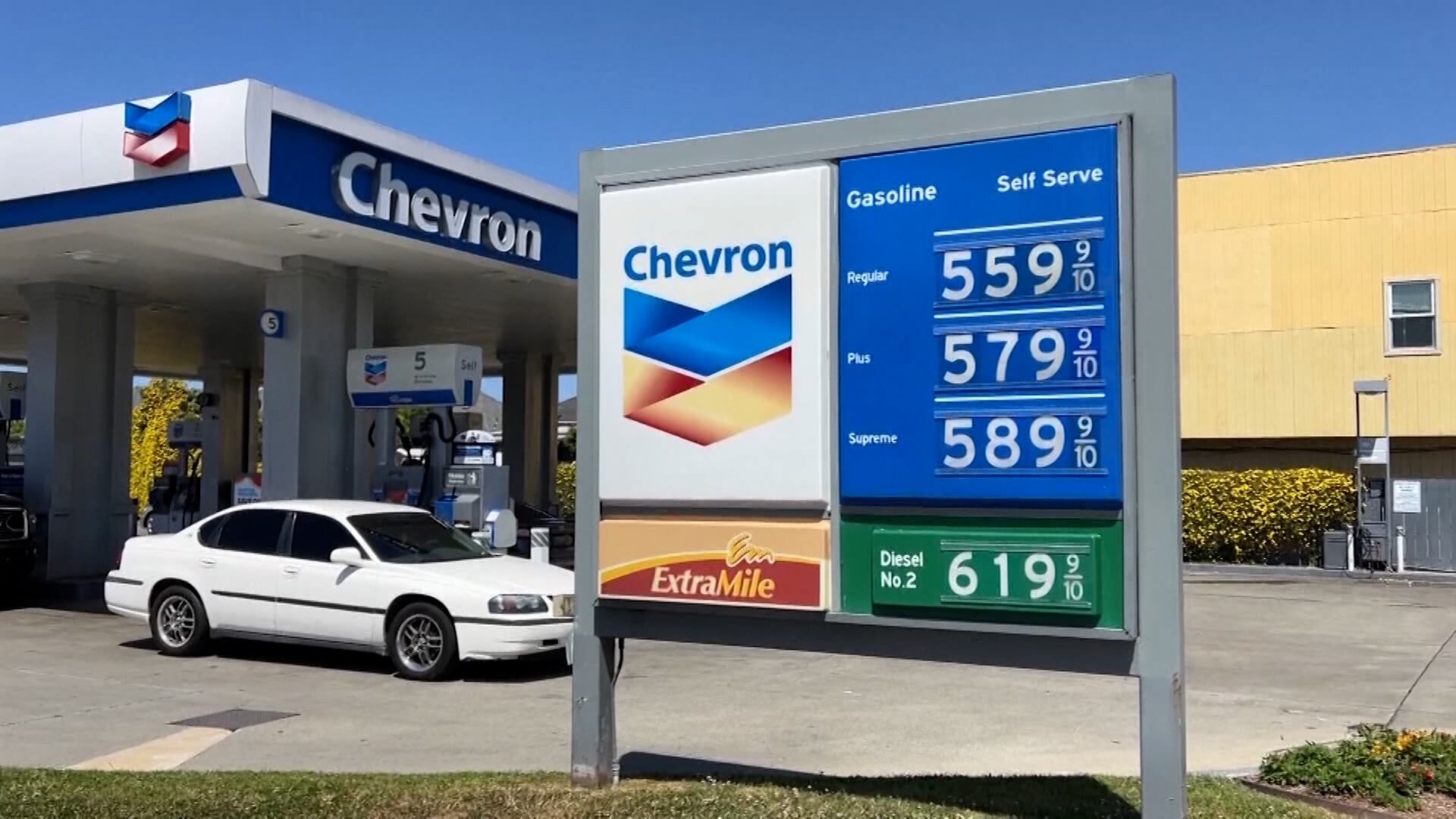
Gas prices took up a big share of consumer spending in March. Retail sales climbed 0.5% from the previous month as Americans are forced to spend more money on food, gasoline, and other necessities. Kayla Bruun, Economic Analyst at Morning Consult, breaks down her outlook on consumer spending as prices continue to rise.
Kristina Hooper, Chief Global Market Strategist at Invesco, discusses the biggest takeaways from Bank of America's earnings and highlights what investors should watch as BigTech reports this week.
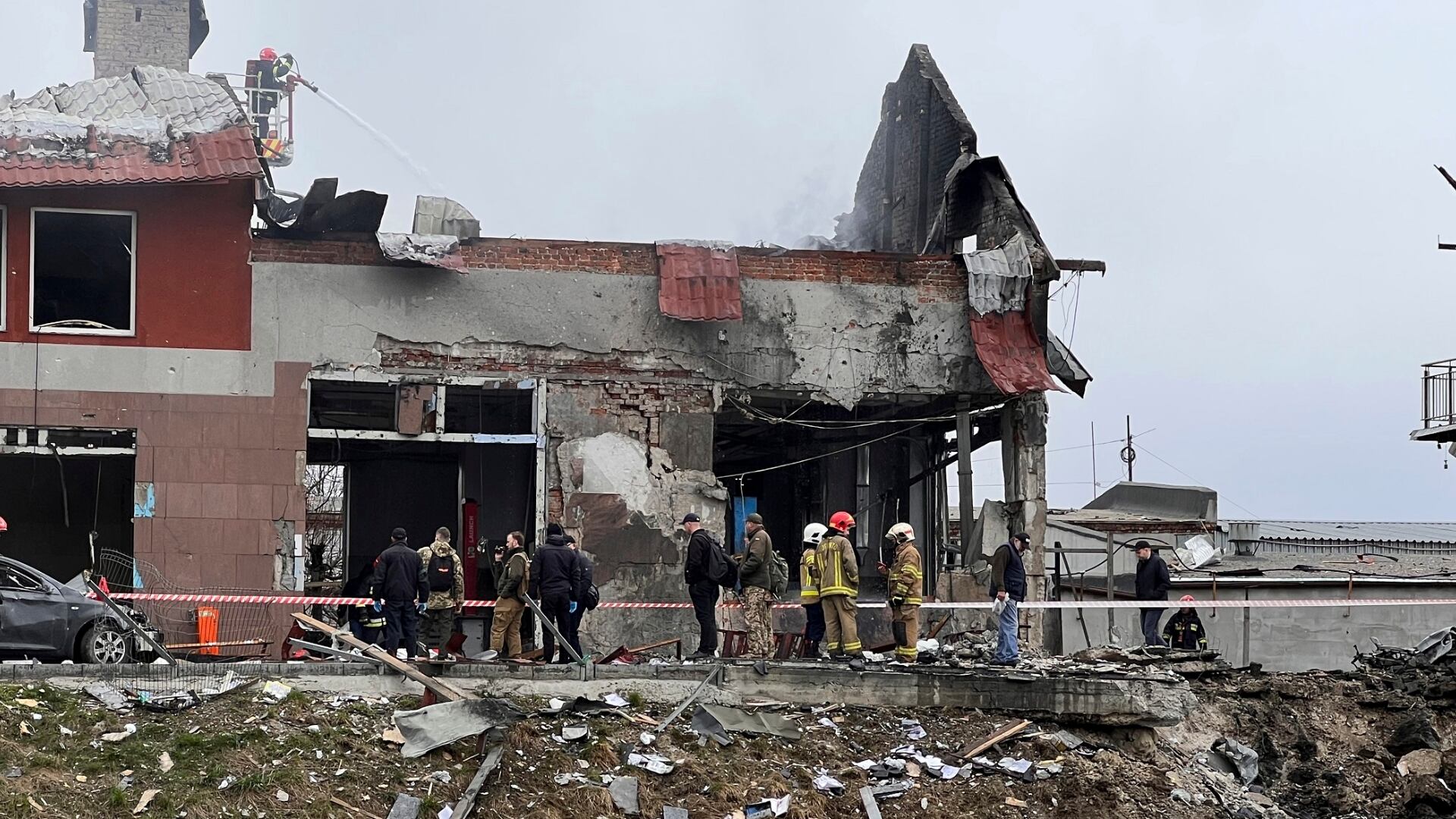
Catching you up on what you need to know on April 18, 2022, with Russian missile attacks on the Ukrainian city of Lviv killing seven, mass shootings in South Carolina and Pittsburgh, Lucky Charms cereal under official investigation by the FDA, and more.