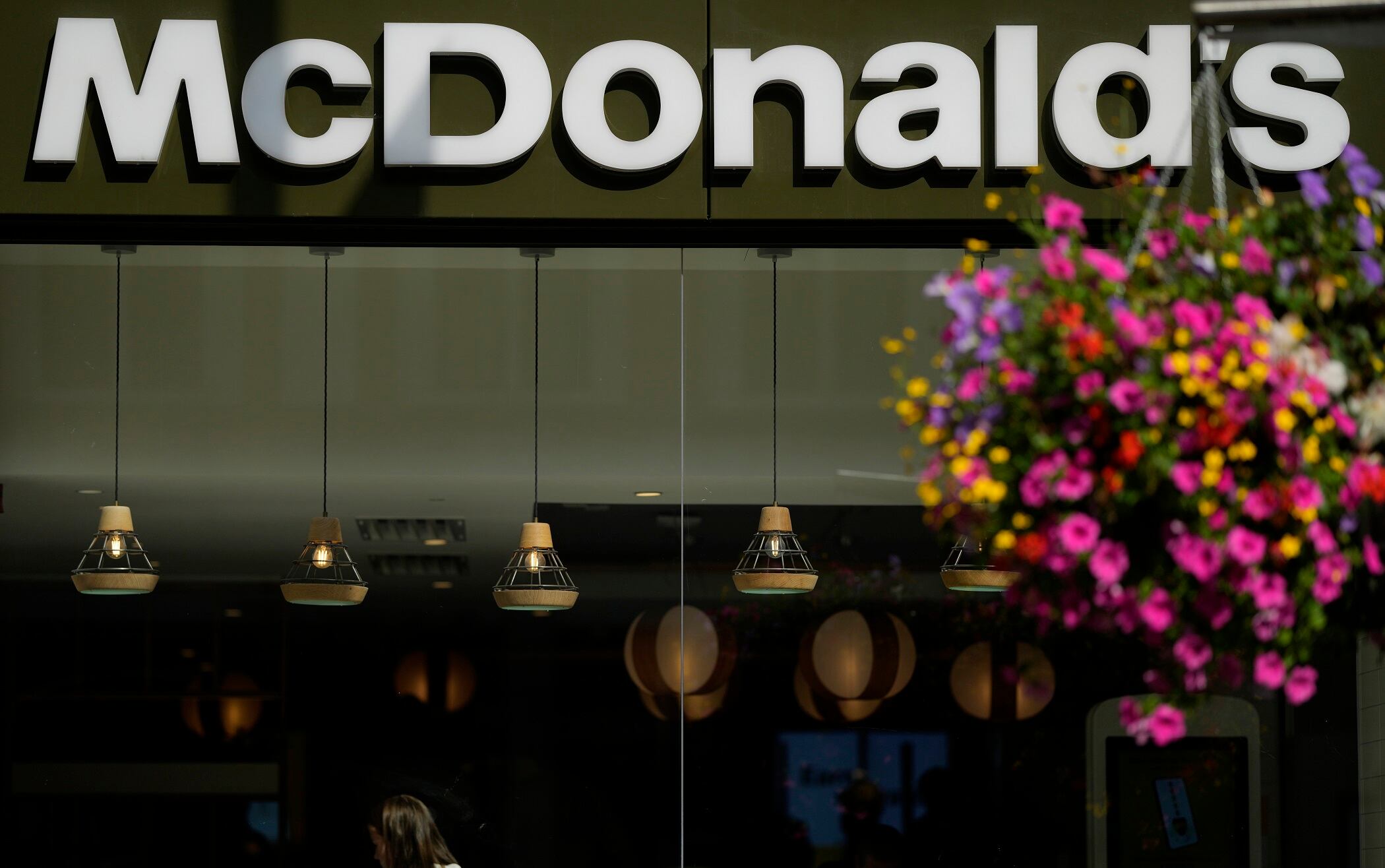
A customer walks in a McDonald's restaurant, in London, Tuesday, Aug. 24, 2021. McDonald’s says it has pulled milkshakes from the menu in all 1,250 of its British restaurants because of supply problems stemming from a shortage of truck drivers. The fast-food chain says it is also experiencing shortages of bottled drinks. (AP Photo/Alastair Grant)
McDonald’s says it has pulled milkshakes from the menu in all 1,250 of its British restaurants because of supply problems stemming from a shortage of truck drivers.
The fast-food chain says it is also experiencing shortages of bottled drinks.
“Like most retailers, we are currently experiencing some supply chain issues, impacting the availability of a small number of products,” McDonald’s said in a statement Tuesday. “Bottled drinks and milkshakes are temporarily unavailable in restaurants across England, Scotland and Wales.”
It said it was “working hard to return these items to the menu.”
It is the latest in a series of shortages to parts and products in Britain blamed on a combination of Brexit and the coronavirus pandemic. Britain’s exit from the European Union at the end of last year has made it harder for the bloc’s citizens to work in the U.K., and businesses have also been hit by large numbers of employees having to self-isolate because of possible exposure to the virus.
Industry body the Road Haulage Association says pandemic restrictions over the past 18 months have delayed many new recruits taking their driving tests. The group says Britain is short about 100,000 drivers, from a pre-pandemic total of 600,000.
Last week, chicken chain Nando’s temporarily shut about 50 outlets because of a shortage of poultry. KFC also warned recently that supply chain issues meant it was unable to stock some menu items.
Supermarkets have also reported problems getting some products onto shelves.
The U.K. government has temporarily eased restrictions on the number of hours drivers can work in an attempt to improve the situation.
On this episode of On the Job, Mark Bowen, General Manager at Midnight Sun in San Francisco, discusses how the pandemic affected LGBTQ+ nightlife and the return to work for service industry workers; Drew Lewis, VP Diversity, Equity, and Inclusion & Talent, ADP, breaks down how DE&I practices can drive greater business value and how organizations can effectively create an action plan for supporting DE&I in the workplace.
Drew Lewis, VP Diversity, Equity, and Inclusion & Talent, ADP, joins Cheddar to break down how DE&I practices can drive greater business value and how organizations can effectively create an action plan for supporting DE&I in the workplace.
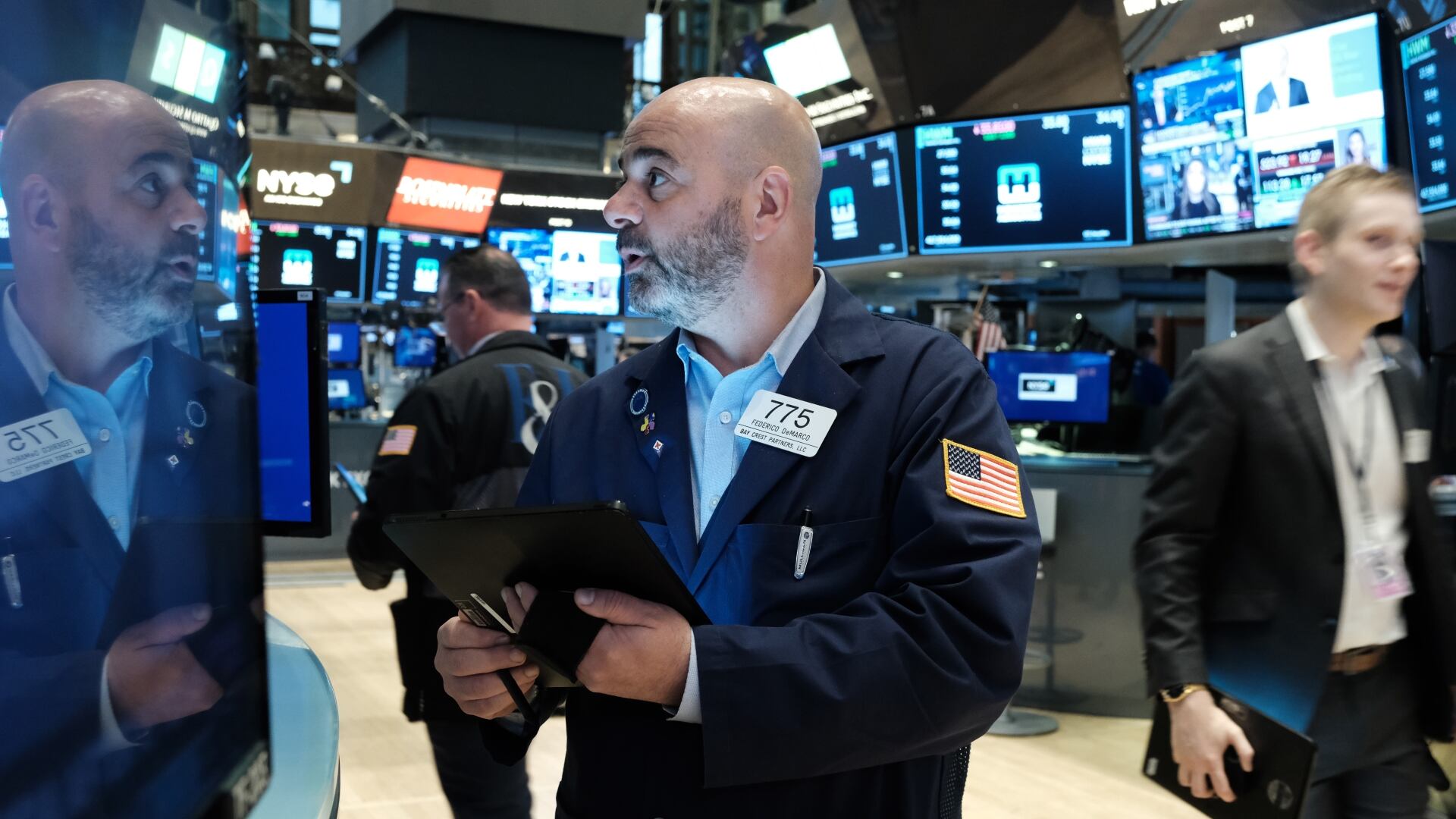
Following a session in which investors saw gains across the major indexes, Wealth Consulting Group CEO Jimmy Lee says investors need to remember that midterm election years tend to be more volatile in general.
Stocks closed lower to end the last trading day of May, but the S&P 500 and the Dow Jones both rose over the past month. The Federal Reserve in early May raised interest rates by half a percentage point as it tries to fight inflation, but the question continues to linger: will we enter a recession as we try to tame inflation? Anthony Saccaro, Founder & President of Providence Financial, joins Closing Bell to discuss today's close, the possibility of a recession, where he is telling clients to look for opportunities, and more.
The semiconductor industry is at an inflection point as it tries to fully recover from the worst of pandemic-era headwinds. While Broadcom has announced it will buy cloud computing company VMware, Nvidia is lowering its current quarterly outlook. Meanwhile, TSMC and Intel are contemplating raising prices -- again -- thanks to higher materials costs. Where does the industry go from here? Ted Mortonson, technology strategist at Baird, joins Closing Bell to discuss.