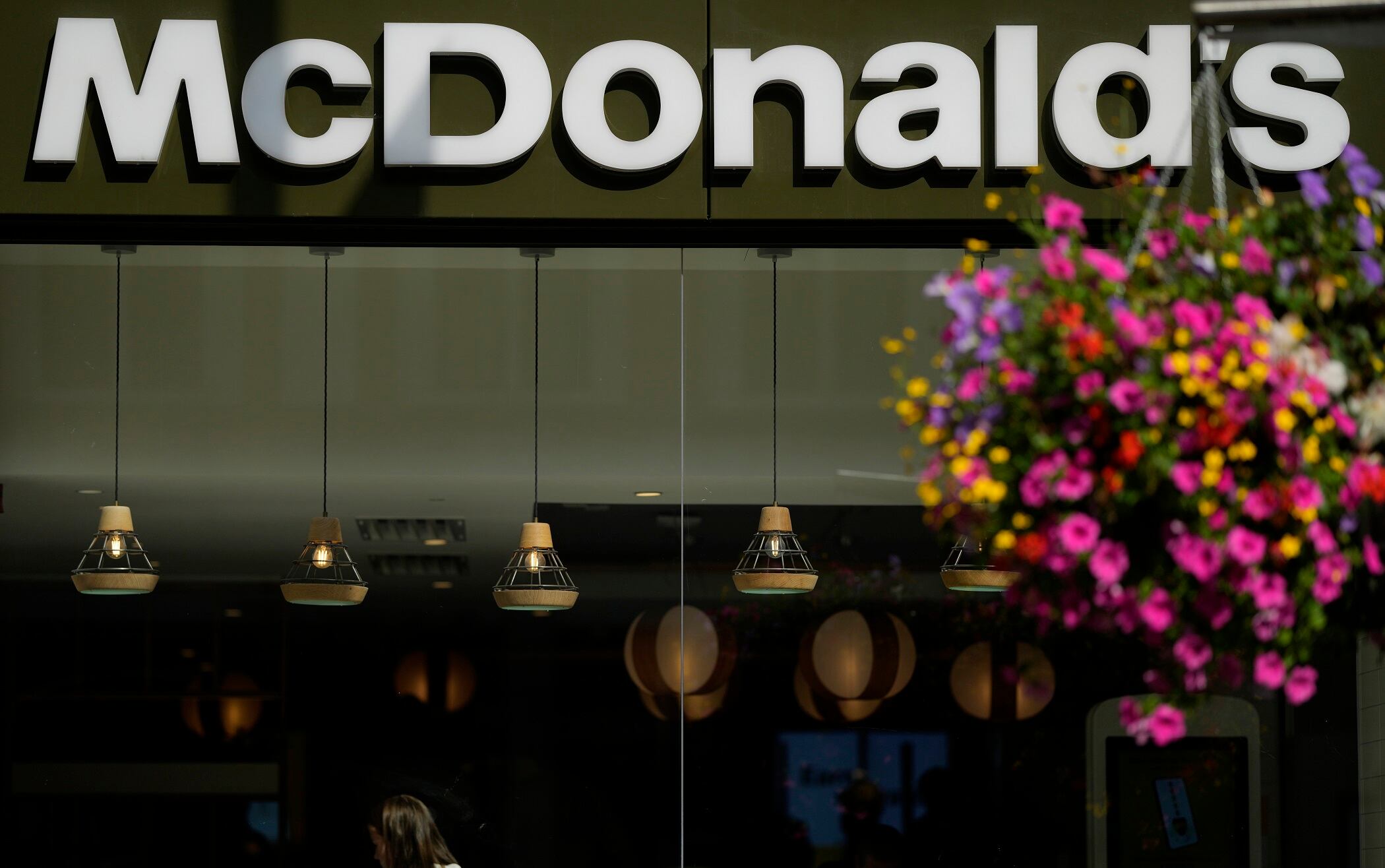
A customer walks in a McDonald's restaurant, in London, Tuesday, Aug. 24, 2021. McDonald’s says it has pulled milkshakes from the menu in all 1,250 of its British restaurants because of supply problems stemming from a shortage of truck drivers. The fast-food chain says it is also experiencing shortages of bottled drinks. (AP Photo/Alastair Grant)
McDonald’s says it has pulled milkshakes from the menu in all 1,250 of its British restaurants because of supply problems stemming from a shortage of truck drivers.
The fast-food chain says it is also experiencing shortages of bottled drinks.
“Like most retailers, we are currently experiencing some supply chain issues, impacting the availability of a small number of products,” McDonald’s said in a statement Tuesday. “Bottled drinks and milkshakes are temporarily unavailable in restaurants across England, Scotland and Wales.”
It said it was “working hard to return these items to the menu.”
It is the latest in a series of shortages to parts and products in Britain blamed on a combination of Brexit and the coronavirus pandemic. Britain’s exit from the European Union at the end of last year has made it harder for the bloc’s citizens to work in the U.K., and businesses have also been hit by large numbers of employees having to self-isolate because of possible exposure to the virus.
Industry body the Road Haulage Association says pandemic restrictions over the past 18 months have delayed many new recruits taking their driving tests. The group says Britain is short about 100,000 drivers, from a pre-pandemic total of 600,000.
Last week, chicken chain Nando’s temporarily shut about 50 outlets because of a shortage of poultry. KFC also warned recently that supply chain issues meant it was unable to stock some menu items.
Supermarkets have also reported problems getting some products onto shelves.
The U.K. government has temporarily eased restrictions on the number of hours drivers can work in an attempt to improve the situation.
A lot has changed since the pandemic began back in march 2020. COVID-19 caused a huge disruption in the U.S. labor force that is just beginning to normalize. As of last month, about 96% of jobs lost in the pandemic have returned. Still, where people work now looks very different from two years ago. Cheddar's Shannon Lanier looks at where the jobs are now and where they aren't.
Dave Burg, EY Americas Cybersecurity Leader, joins Cheddar News to discuss the rise of quantum computing and how it can compromise existing security measures at play today, and what the timeline looks like for quantum computing to become a reality.
Getting you caught up on the stories you need to know this morning: Matthew McConaughey lends his voice to the gun control fight in congress, at least 30 people were injured in Germany after a car plows into a crowd, and a new weight loss drug shows promising results.
Michelle Bond, CEO of the Association for Digital Asset Markets, joins Closing Bell, where she breaks down the Responsible Financial Innovation Act, which would not only establish a regulatory structure for digital assets, but hand over crypto oversight to the CFTC instead of the SEC.
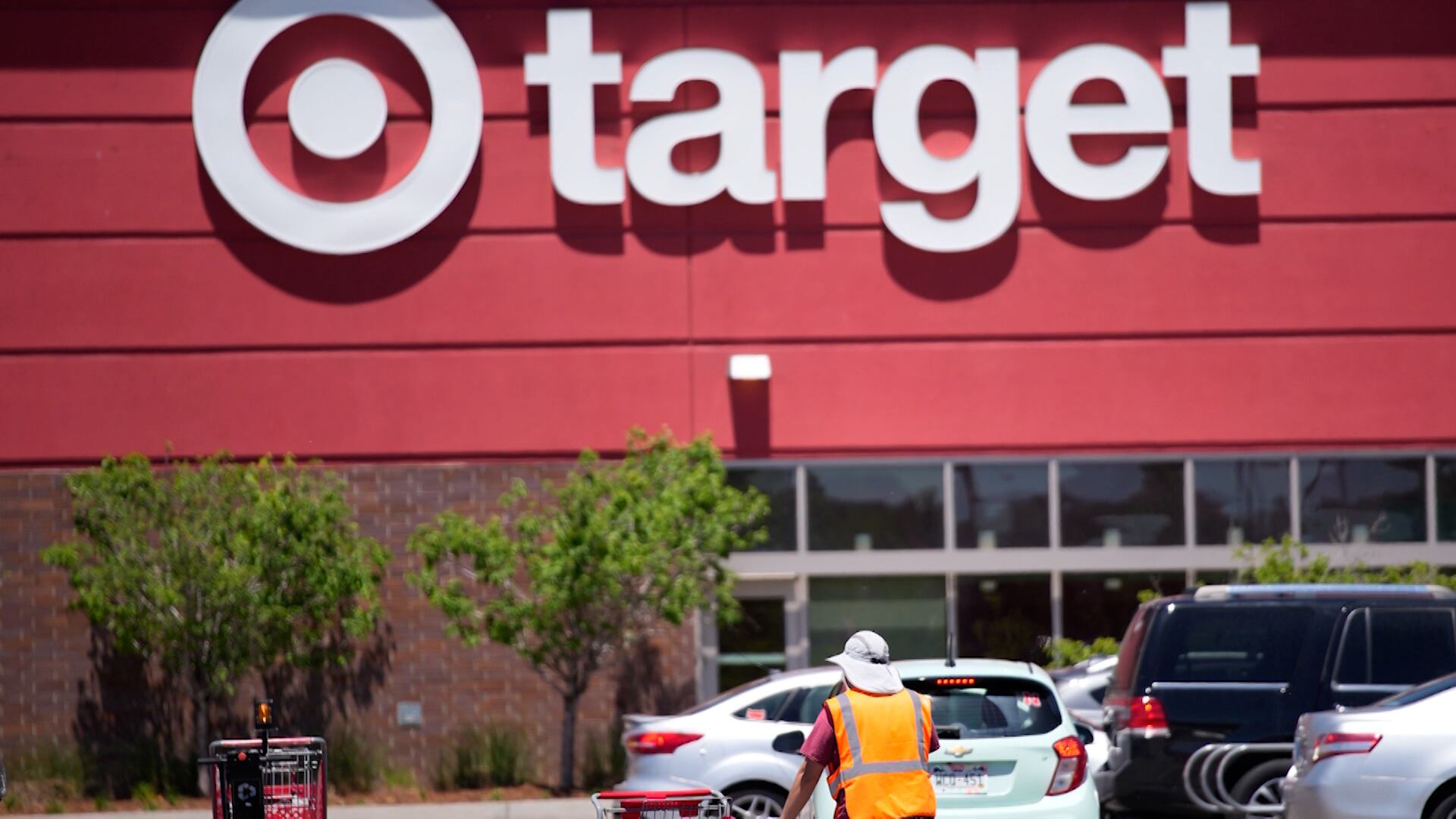
Caleb Silver, Editor-in-Chief at Investopedia, joined Closing Bell to break down what Target's lowered forecast means for the retail industry ahead of Friday's CPI report.
Jim Corridore, Senior Insights Manager at Similarweb, joined Closing Bell to break down the competing offers from JetBlue and Frontier as both airlines look to join forces with Spirit Airlines.
Child care marketplace startup Kinside announced raising $12 million in a Series A round led by venture capitalists who are mothers themselves. The company aids parents searching for affordable child care easier by providing concierge support in a marketplace of verified professionals and helping them tap into flexible spending accounts (FSA) and other benefits. Founder and CEO Shadiah Sigala joined Cheddar News to talk about the fresh funds and the ongoing effects of the pandemic on the care of young children.