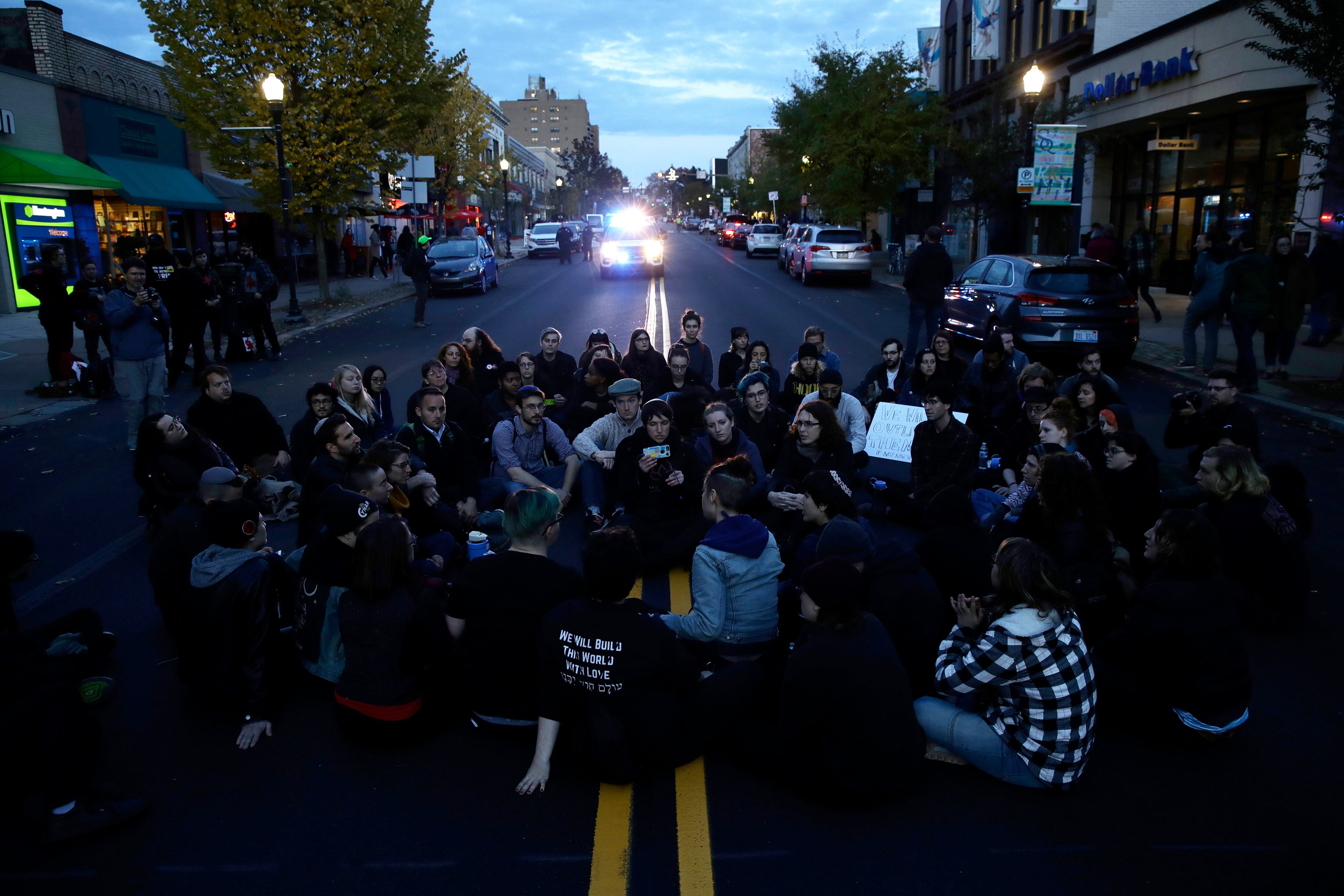
Protesters in favor of student loan relief gathered outside the Supreme Court on Tuesday morning, demanding that the top jurists side with President Biden as they hear two cases challenging his signature student loan debt relief policy.
Biden’s relief program looks to cancel $10,000 of student debt for low- to middle-income borrowers and $20,000 for Pell Grant recipients, but the legal challenges have put the program on hold while the Supreme Court hears the arguments for the cases that jeopardize it.
Activists who showed up ahead of oral arguments told Cheddar that Americans should not have to be burdened with so much student debt.
"I went to college as a first generation college student. My FAFSA said we had zero expected family contribution," said Kristin McGuire, executive director of the advocacy group Young Invincibles. "I borrowed $20,000 to finance my college education, and I currently owe over $55,000."
“We're almost 20 years later, and my debt has doubled. And Americans should not have to go through that,” McGuire continued.
Democratic Rep. Ayanna Pressley (Mass. District 7) also made an appearance outside the Supreme Court.
"The people demand and deserve student debt cancellation," Pressley told the crowd. "Student debt cancellation will change and save lives."
Pressley said that Republican officials are “disconnected from the hardship of everyday folks who are burdened by this debt” and “chose obstruction.”
But, Republicans have called Biden’s plan fiscally irresponsible.
“Our nation is facing a staggering $31 trillion worth of debt and we have closed in on the debt ceiling, yet the Biden administration is still attempting to cancel millions of dollars in student loans,” Senator Rick Scott of Florida has said. “The reality is, a blanket forgiveness of student loans only benefits a small percentage of the population at the expense of millions of other hard working Americans."
The Court’s decisions won’t be released until the early summer, but 26 million people have already applied for the program, with 16 million having already been approved.
A record number of women are on the ballot next week, but many have struggled to finance their campaigns. Sarah Chamberlain, president and CEO of Republican Main Street Partnership, explains the funding gap that follows women on the campaign trail.
Axios is taking a different approach to success than many of its traditional media rivals. In a click-bait media universe, the digital media start-up is prioritizing engagement over page views. "We need engaged users, not just users," co-founder Roy Schwartz told Cheddar.
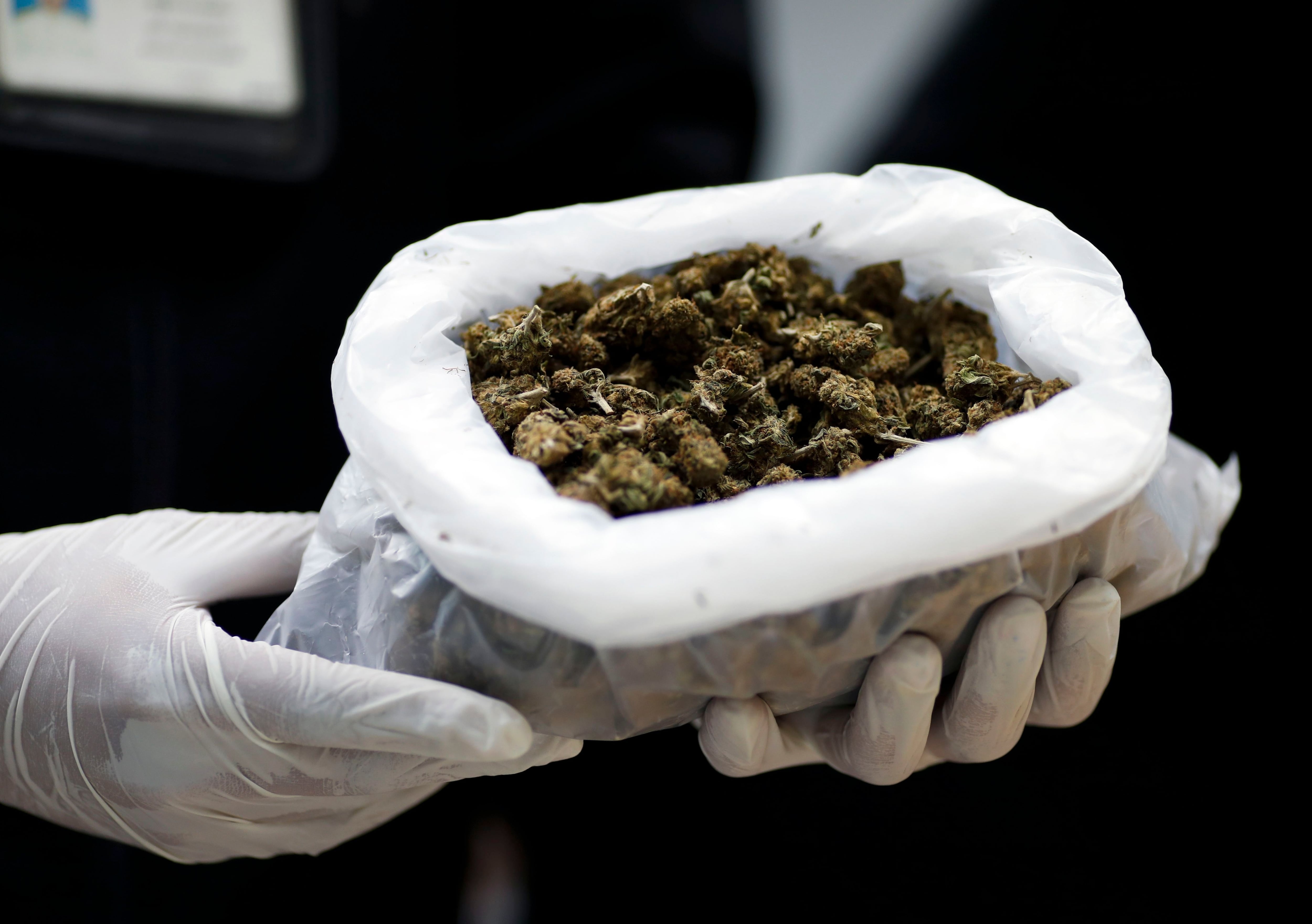
On Tuesday, Missouri could become the 32nd state in the U.S. to legalize medical marijuana. Cannabis legalization has garnered more public support in recent years, and medical pot is often thought to be the gateway to fuller legalization. While the Missouri medical community is split on the drug's medicinal value, much of the student body at the University of Missouri has a pro-legalization stance.
These are the headlines you Need 2 Know.
Debbie Mucarsel-Powell, the Democratic candidate running in Florida's 26th district, is slamming ads attacking her, including one that shows a man pointing a gun. Mucarsel-Powell lost her father to gun violence.
The markets looked to recover losses for October in the last day of trading for the month. Facebook shares were making solid gains on the heels of its third-quarter earnings results. Revenue slowed but the company beat estimates on earnings per share. Plus, Debbie Mucarsel-Powell, an Ecuadorian immigrant running to represent Florida's 26th district, tells Cheddar the changes she would make if elected to office. The midterms are just six days out.
October's reputation as a volatile month for stocks will remain unbroken ー at least for now. The S&P 500 will close its worst October since the financial crisis a decade ago and its worst month in eight years. The gains in equities from a summer rally have been wiped out across just about every slice of the market.
These are the headlines you Need 2 Know.
It's been nearly two weeks since Canada opened the retail market for recreational marijuana, and now it faces a shortage of supply across many of the retail operations in a number of provinces. "Given the robustness of the demand, suppliers clearly did have challenges getting the stores full and adequately supplied," Cowen Managing Director Vivien Azer told Cheddar's CannaBiz Tuesday.
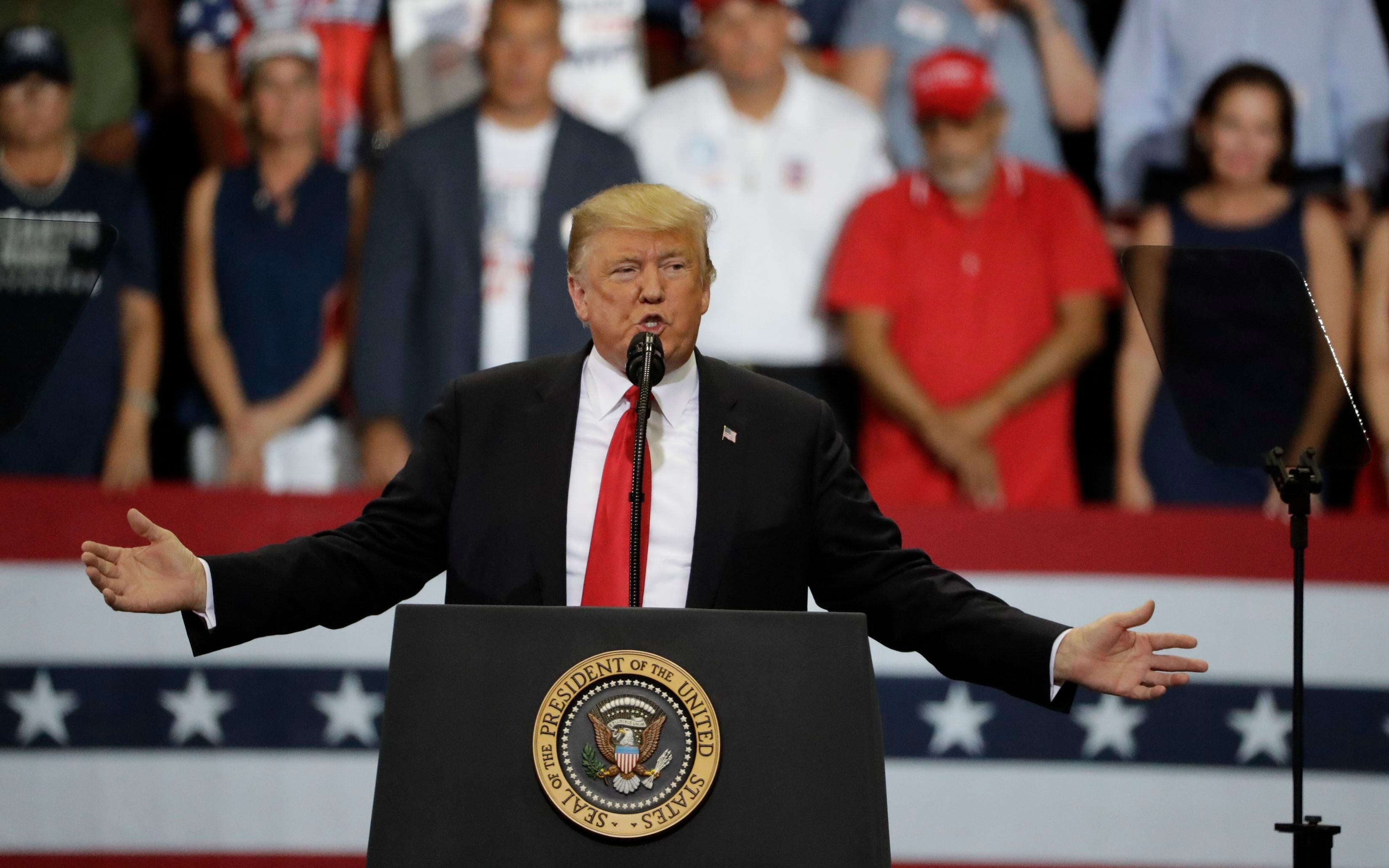
It's not a coincidence that President Trump said he would sign an executive order to end birthright citizenship a week before a pivotal election. That's according to David Graham, a staff writer at The Atlantic, who explained the politics behind the bombshell announcement.