By Stan Choe, Damian J. Troise, and Alex Veiga
Updated 4:53 pm ET
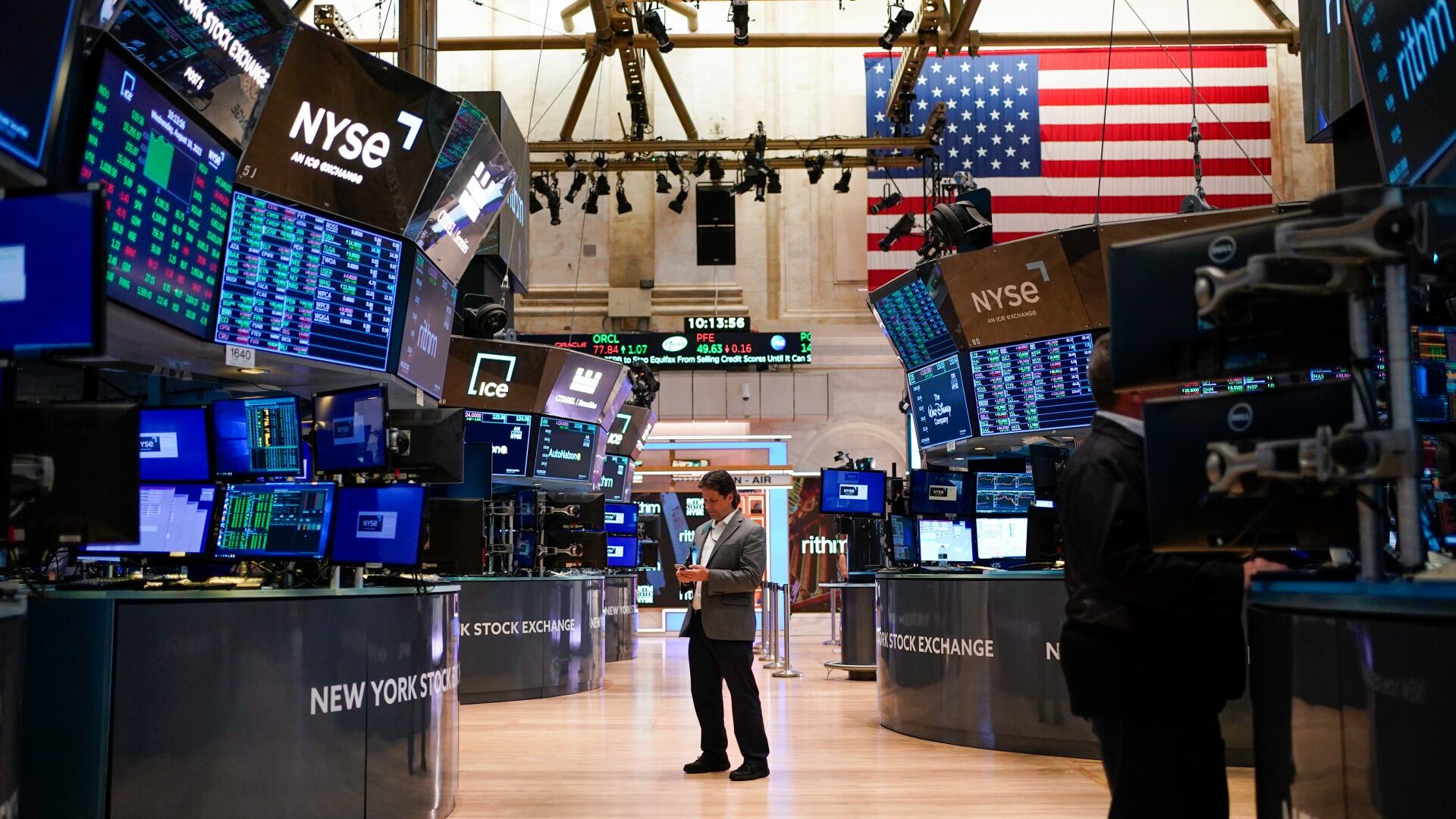
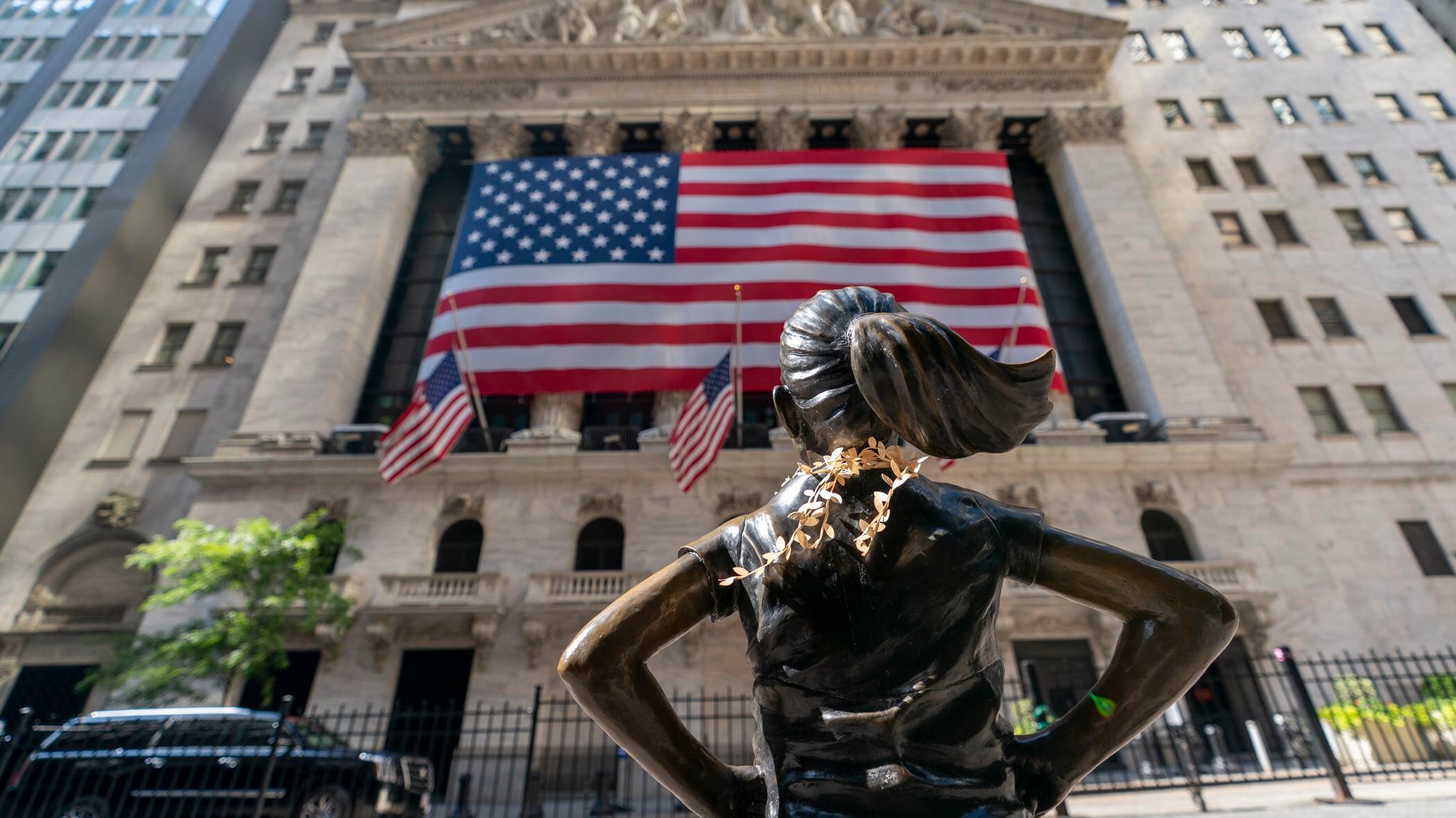
Wall Street racked up more losses Wednesday as stocks closed broadly lower, wiping out the market's gains from the day before.
The S&P 500 fell 2.4% after giving up an earlier gain. The selling, which accelerated in the afternoon, was widespread, though technology stocks accounted for the biggest losses. The decline deepens the benchmark index's September slide to 7.5% after a five-month rally.
The market has been whiplashed by several shifts in momentum recently. This week alone, a Monday swoon brought the S&P 500 to the edge of a 10% drop from its record high set on Sept. 2, what Wall Street calls a correction. It rebounded the following day to snap its first four-day slide since stocks were selling off in February. Wednesday's pullback left the S&P 500 within 0.4% of a correction.
“There have been 23 bull market corrections since World War II, and the average decline has been 14%,” said Sam Stovall, chief investment strategist at CFRA. “I basically see the same kind of decline taking place.”
The S&P 500 fell 78.65 points to 3,236.92. The index is on track for its fourth-straight weekly decline. The Dow Jones Industrial Average lost 525.05 points, or 1.9%, to 26,763.13. The Nasdaq composite slid 330.65 points, or 3%, to 10,632.99. The Russell 2000 index of small company stocks gave up 45.50 points, or 3%, to 1,451.46.
Worries about a potential second wave of COVID-19 cases, doubt that lawmakers in Washington will reach a deal on another economic stimulus bill and uncertainty about the election have contributed to stocks' losses this month.
But at the center of the market’s big swings this month have been Apple, Amazon, and other Big Tech stocks. They soared through the pandemic on expectations that their growth will only strengthen as the pandemic accelerates work-from-home and other trends that benefit them. But they began falling early this month amid fears that they had grown too expensive.
“What we’re seeing today, to some degree, is more of the same,” said Liz Ann Sonders, chief investment strategist at Charles Schwab.
Several fell sharply Wednesday. Amazon slid 4.1%, Microsoft dropped 3.3% and Apple lost 4.2% after earlier flirting with a small gain.
“It’s mathematically impossible for a corrective phase in those names not to pull down the entire index,” Sonders said.
Nike jumped 8.8%, the biggest gainer in the S&P 500, after it reported much stronger profit than analysts expected.
Johnson & Johnson rose 0.2% as it begins a huge final study to try to prove if a single dose COVID-19 vaccine can protect against the virus. A handful of other vaccines are already in final-stage studies, and investors increasingly expect one to be available within the first three months of 2021. The hope is that it can help the economy get close to normal again and allow strong growth to resume.
Part of this week’s early stumble for stocks was due to worries about European governments imposing tougher restrictions on businesses to slow the spread of the coronavirus, which hurt travel-related companies in particular. But analysts said the U.K. orders announced Tuesday weren’t as extreme as some investors had feared.
European stocks rose despite data showing the region’s economic recovery may be faltering. Business activity is slowing as weakness in the service sector is countering strength in manufacturing, according to preliminary data from a survey of purchasing managers by IHS Markit.
The survey’s composite reading was at a three-month low, though manufacturing was at a 25-month high.
Germany’s DAX returned 0.4%, France’s CAC 40 rose 0.6% and the FTSE 100 in London fell 1.2%. Markets in Asia ended mixed.
Treasury yields were holding relatively steady, and the 10-year yield fell to 0.67% from 0.68%.
Yields have remained very low as the Federal Reserve has said it expects to keep short-term rates at nearly zero for years. Such support helped Wall Street halt its sell-off of nearly 34% earlier this year, along with a big stimulus effort by Congress.
But extra unemployment benefits and other aid from Congress have already expired. Some areas of the economy have seen growth slow as a result, and investors say a renewal is crucial. But partisan disagreements have kept Congress stymied. The vacancy on the Supreme Court following Justice Ruth Bader Ginsburg’s death has deepened the country’s partisan split even more.
Fed Chair Jerome Powell said on Tuesday that the economy would benefit from support by both the central bank and Congress. He is testifying again Wednesday at a hearing for a House subcommittee on the coronavirus crisis and again said the economy will likely need more support.
“The recovery will go faster if there’s support coming both from Congress and from the Fed,” he said.
___
AP Business Writer Elaine Kurtenbach contributed.