By Alex Veiga
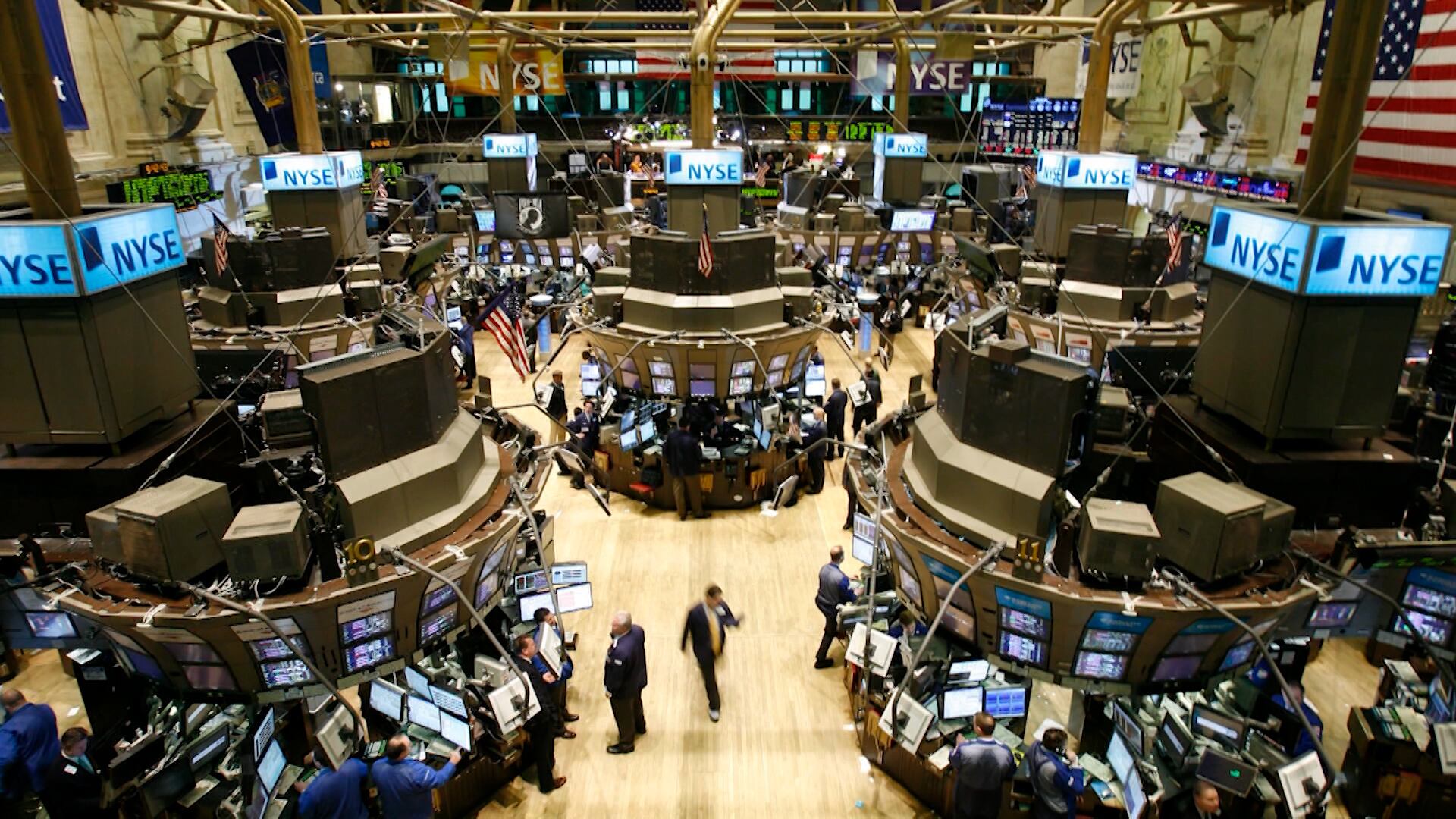
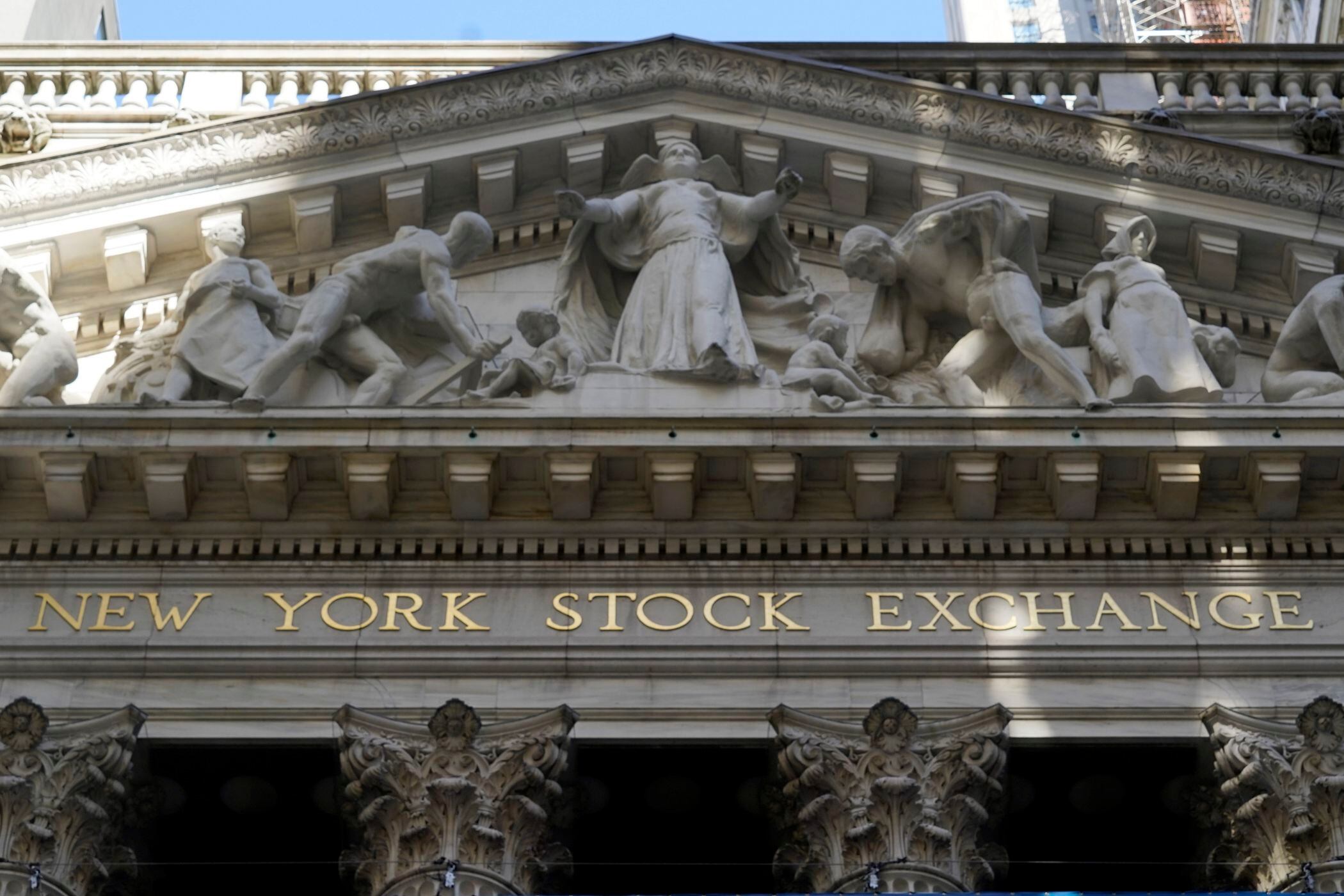
Stocks closed higher on Wall Street for a second straight day Wednesday following a sharp drop at the beginning of the week.
The S&P 500 rose 0.8% and is now on pace for a weekly gain. Technology stocks, banks and companies that rely on consumer spending helped drive the benchmark index's advance. Energy stocks also rose as the price of U.S. crude oil marched 4.3% higher. Utilities and real estate stocks were among the decliners.
The market’s swift rebound from Monday’s sharp sell-off reflects investors’ tug-of-war as they factor in signs of economic growth as the economy reopens, strong corporate earnings and a recovering job market against the potential risks of rising inflation and the more contagious delta variant of COVID-19.
The stock market has begun looking past the pandemic and toward what the recovery looks like, said Bill Northey, senior investment director at U.S. Bank Wealth Management.
"Now there is some degree of question: what is the pace, the degree of that economic recovery from here?” Northey said.
The S&P 500 gained 35.63 points to 4,358.69. The Dow Jones Industrial Average rose 286.01 points, or 0.8%, to 34,798, and the Nasdaq composite added 133.08 points, or 0.9%, to 14,631.95. The Dow and Nasdaq have also recouped their losses from Monday's sell-off.
Traders continued to bid up small company stocks. The Russell 2000 index outpaced the other major indexes with a gain of 39.74 points, or 1.8%, to 2,234.04.
The S&P 500, a benchmark for many index funds, has managed to keep gaining ground and notched new highs over the last few weeks despite bouts of choppy trading. What’s helped push stocks higher the last two days is better-than-expected results from big corporations.
Summer is typically a slow time for Wall Street, with investors and traders taking vacations and holding steady until later in the year. The dominant thing that will drive the market, with the exception of big economic reports, will be how well companies do versus expectations.
Dow component Coca-Cola rose 1.3% Thursday after the company raised its full-year forecast and reported better-than-expected results. Fast food chain Chipotle Mexican Grill jumped 11.5% for the biggest gain in the S&P 500 after the company also reported much better than expected results after the closing bell Tuesday.
Not all earnings were positive. Netflix fell 3.3% after reporting its worst slowdown in subscriber growth in eight years.
Earnings season will kick into high gear next week, when more than 100 members of the S&P 500 will report their quarter results. So far earnings season has been strong, with more than 80% of the S&P 500 beating analysts' forecasts according to FactSet. That's despite the already high expectations that Wall Street has had for corporations.
Bond yields continued to recover from their sharp fall earlier in the week. The yield on the 10-year Treasury note rose to 1.29%, up from 1.20% the day before. The 10-year note's yield had fallen into the teens on Monday on concerns that the delta variant of the coronavirus might impact economic growth globally.
Among the big winners Thursday, Morgan Stanley rose 3.6%, chipmaker Lam Research gained 5% and Occidental Petroleum vaulted 7.1%. Cruise operators, big losers in Monday’s market slide, rallied again. Norwegian Cruise Line vaulted 10.1%, Carnival gained 9.4% and Royal Caribbean rose 5.4%.
Updated on July 21, 2021, at 5:10 p.m. ET.