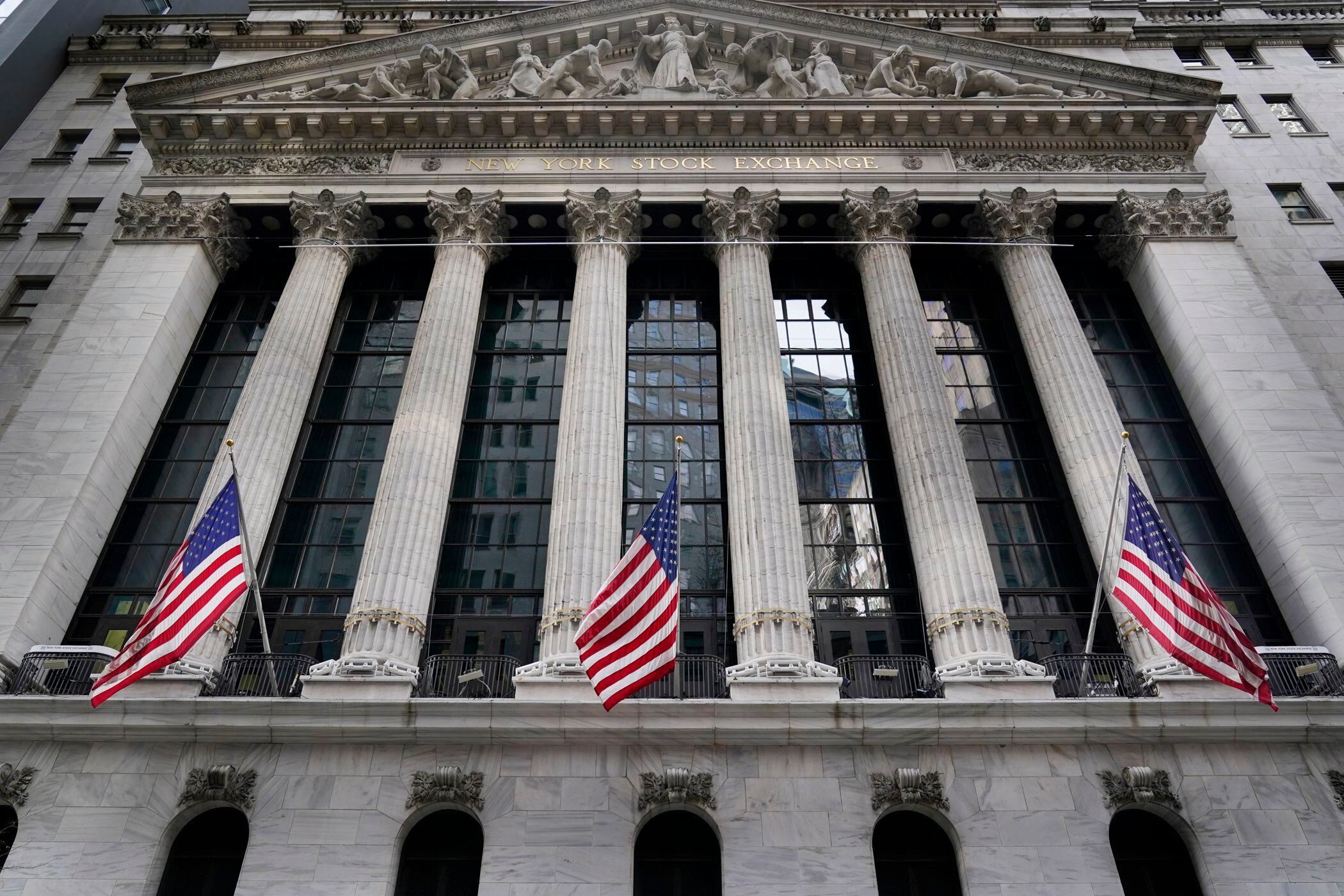
In this Nov. 23, 2020 file photo, the New York Stock Exchange is seen in New York. Stocks are opening lower, Wednesday, May 12, 2021, on Wall Street and bond yields are rising as investors reacted to a worse-than-expected increase in inflation last month. (AP Photo/Seth Wenig)
By Damian J. Troise and Alex Veiga
Inflation worries rattled Wall Street Wednesday, pulling the Dow Jones Industrial Average more than 680 points lower and placing the major stock indexes on track for their worst week in more than six months.
The selling came as investors reacted to a surprisingly big jump in inflation last month that stoked concerns that the economy may bounce back too fast from its pandemic-induced doldrums.
Tech giants, which had soared during the past year of lockdowns, took some of the biggest losses. Only energy stocks eked out a small gain.
Bond yields snapped higher after the government reported that consumer prices rose 0.8% in April, more than expected, and prices rose year-over-year at the fastest rate since 2008.
The yield on the 10-year Treasury note rose to 1.69% from 1.62% a day earlier, a big move. Bond yields rise when investors fear that an increase in inflation will erode the future value of the income that bonds pay.
“Inflation and interest rate jitters are hitting the market today, but for now the sell-off has been orderly,” said Cliff Hodge, chief investment officer for Cornerstone Wealth. “Letting some air out of these sky-high valuations is a positive going forward.”
The S&P 500 lost 89.06 points, or 2.1%, to 4,063.04, its biggest one-day drop since late February.
The Dow fell 681.50 points, or 2%, to 33,587.66, the worst decline for the blue chip index since late January. The Nasdaq gave up 357.75 points, or 2.7%, to 13,031.68. It was the tech-heavy index's largest pullback since mid-March.
Small company stocks also gave up the most ground. The Russell 2000 index fell 71.85 points, or 3.3%, to 2,135.14.
Inflation concerns have been hitting the stock market hard this week. The S&P 500, Nasdaq and Dow are on track for their biggest weekly loss since Oct. 30. The Dow and S&P 500 had set all-time highs just last Friday.
Investors have been worrying that inflation could return after being absent for many years as the economy revs out of the recession brought on by the pandemic. Federal Reserve officials and other economists have said moderate inflation may actually be a good thing in a recovery.
While the latest reading on inflation was hotter than expected, the market shouldn’t be too surprised about inflation rising, said Jeff Buchbinder, equity strategist at LPL Financial. The prevailing sentiment is that rising inflation will be temporary, though “it's too early to say whether these higher levels are going to be sustained,” he said.
Concerns about rising inflation also raise the question of whether the Federal Reserve will change its posture on maintaining low interest rates as the economy recovers. Buchbinder said investors shouldn't expect that to happen any time soon, however, given that the economy, and particularly the job market, are still a long way from being fully recovered.
“Really the Fed has one mandate right now, which is to regain full employment, and it's going to take some time," Buchbinder said.
Analysts expect consumer prices to rise as the economy recovers, but higher prices could run the risk of curtailing some spending, which the economy needs to sustain its recovery. The cost of new cars rose 0.5% in April, the largest increase since last July, because of heavy demand and a computer chip shortage that has slowed production and reduced dealer supplies.
Rising inflation makes stocks seem more expensive, particularly high-value tech stocks that trade on the potential for their future profits in coming years. Apple, Microsoft and Amazon all fell more than 2%.
Energy prices continued to climb following the shutdown of a major gas pipeline on the East Coast earlier in the week, and there are now reports of gasoline hoarding happening in places like North Carolina.
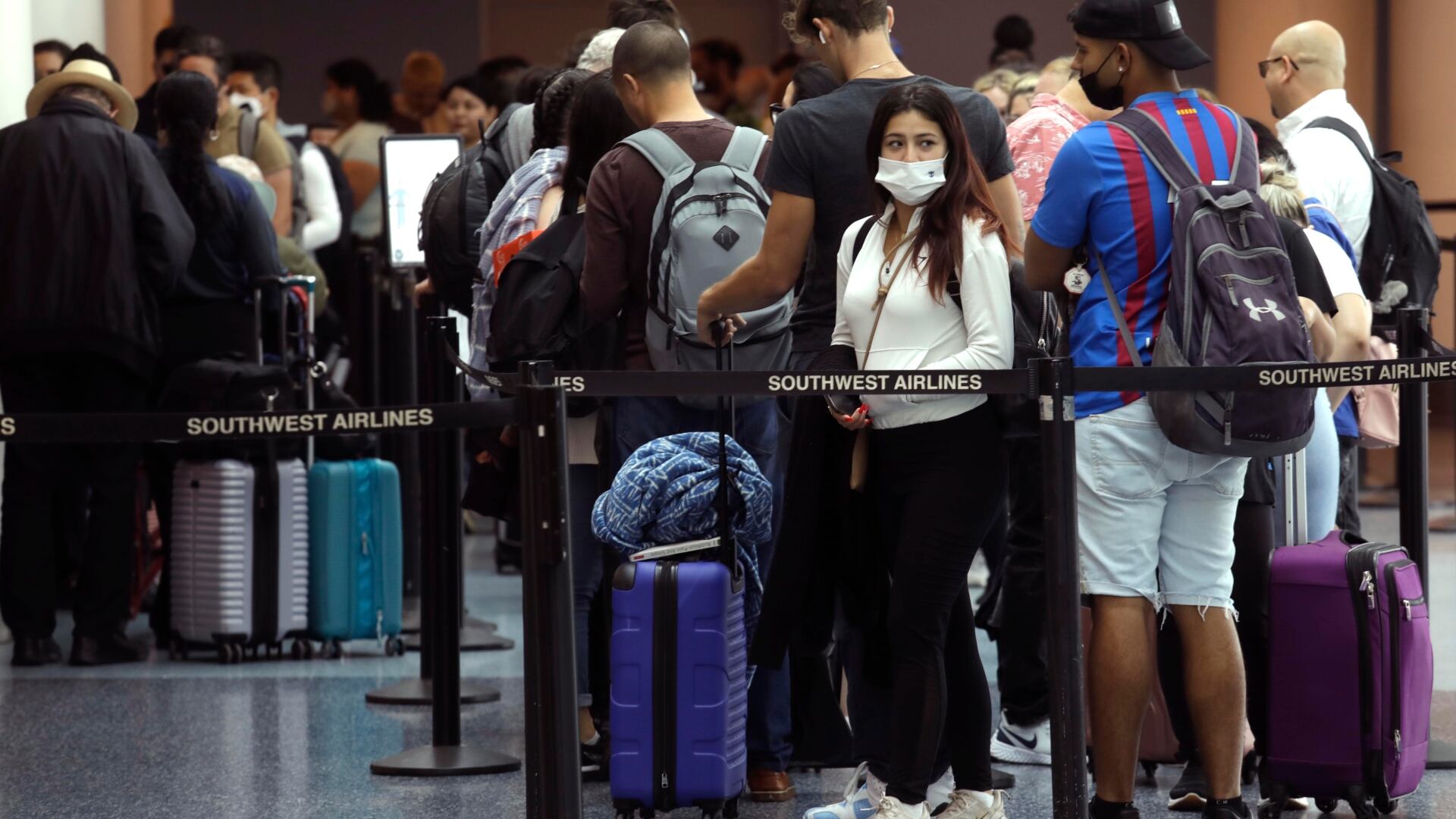
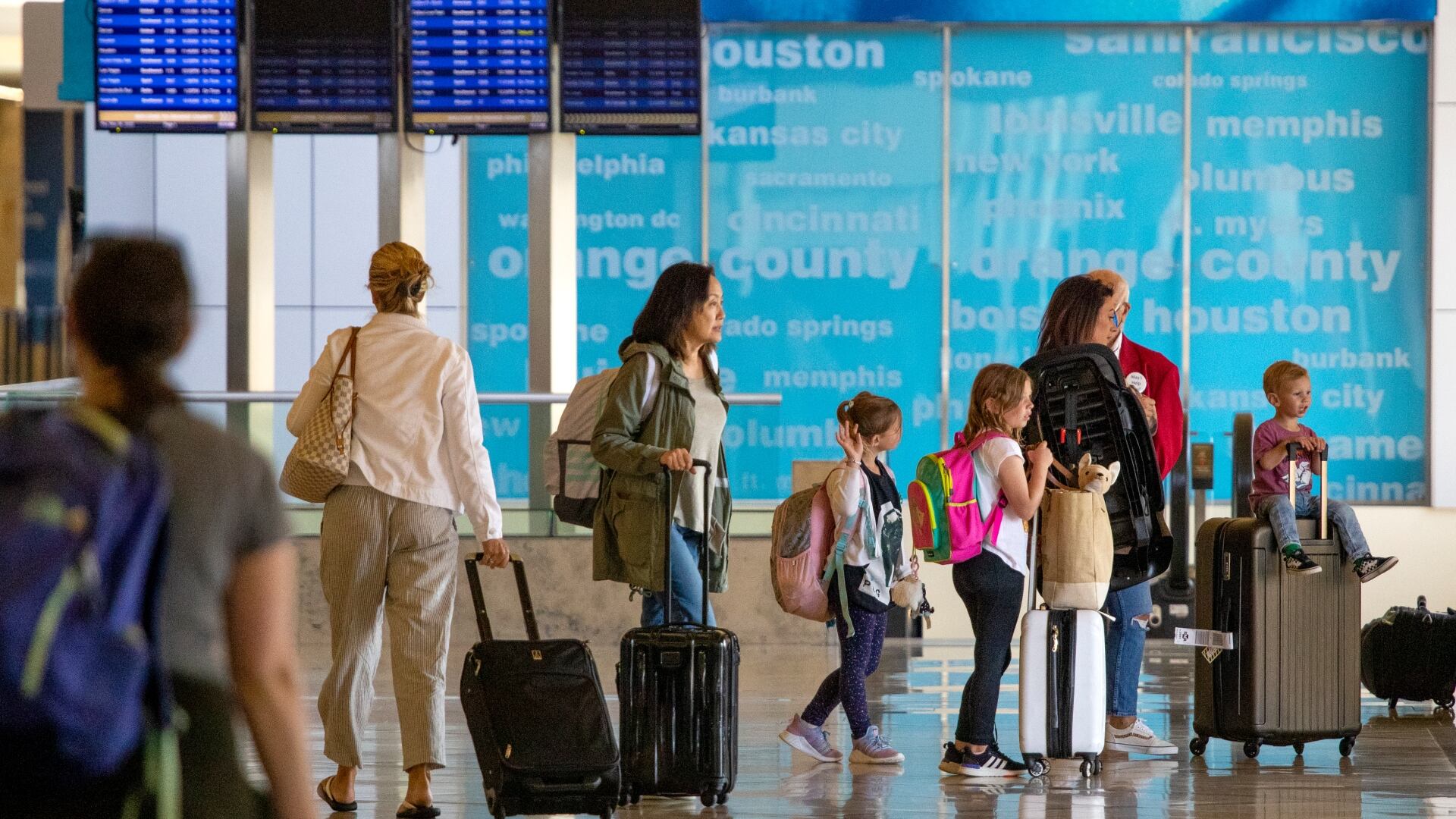
Memorial Day rang in the unofficial start of summer here in the United States -- and with it, the unofficial start of summer travel. Whether consumers traveled by air or by land, they probably experienced some form of frustration over the weekend. Flyers faced delays and cancellations, and drivers faced the most expensive gas prices ever recorded on Memorial Day. Zach Griff, Senior Aviation Reporter for the Points Guy, joins Cheddar News' Closing Bell to discuss.
Next-generation gaming ecosystem Joystick recently raised $8 million in a seed round and is in the process of raising a $110 million Series A funding round. Gaming ecosystems are a relatively new type of platform in the Web3 space, allowing users to maximize their play-to-earn gaming opportunities, exchange crypto-currencies, and sell their digital assets. Joystick says its platform is flipping the current model on its head by giving players the opportunity to keep 100% of the revenue they earn. Robin Defay, co-founder and CEO of Joystick, and Michael Le, co-founder of Joystick and TikTok content creator, join Cheddar News' Closing Bell to discuss.
Abe Stein, Head of Innovation at Sports Innovation Lab, joins Cheddar News' Closing Bell, where he explains why the top four spots on his company's 2022 list are European soccer clubs and discusses Sports Innovation Lab's plan to publish data on women's pro sports teams in the not-too-distant future.
Joel Birch, Co-Founder and CEO of Stacked, joins Cheddar News' Closing Bell, where he explains why he doesn't see any new catalysts that would lead to a Bitcoin rally at the moment. He also reiterates that now is a good time for long-term Bitcoin investors to buy low.
The dating app Bumble has sponsored bills and pushed lawmakers to criminalize the online practice of sending unsolicited nudes or “cyberflashing." Payton Iheme, Bumble's head of public policy for the Americas, joined Cheddar News to discuss why the app was going after the harassing behavior beyond its own platform. "Now, while we went to work internally in the company, and we created something called private detector to automatically blur those images so the user can decide if they want to see them, there's nothing for the rest of the internet," she said. "And so that's why we went to work with these laws."
The holiday weekend saw Disney+ and Netflix competing head-to-head for streaming views as the Disney behemoth kicked off the unofficial start to summer with its release of "Obi-Wan Kenobi" and Netflix responded with the first part of "Stranger Things" Season 4. The streaming giants caught the eye of Wall Street, and Seth Schachner, the managing director at consultancy Strat Americas, joined Cheddar News to break down the heavy hitters. "This is a very tough, competitive game, and I don't see it getting any easier," he said. "I think you'll probably see more consolidation."
Amid high inflation, shoppers are pinching their pennies in the grocery stores and becoming more frugal when food shopping. However, supermarkets like Kroger are pushing back against passing on the higher costs and demanding reasons for the higher food prices from suppliers.
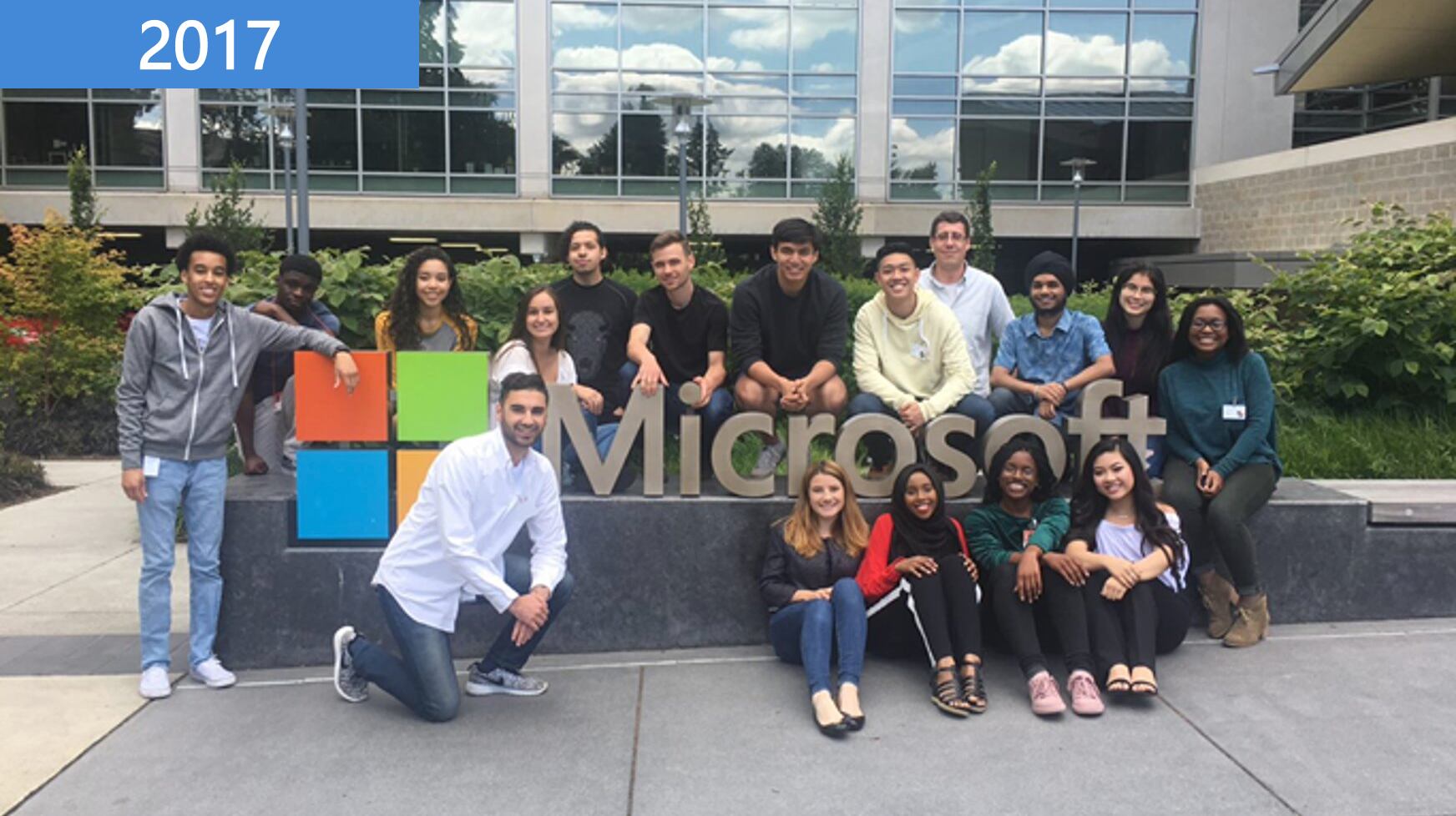
The founder and president of Cyborg Mobile Kobie Hatcher has been on a strong trajectory to disrupt his industry with a program called The New Technologists. It's not only meant to address the diversity gap within large tech companies but also help pave the way to transform the lives of young BIPOC students. He joined Cheddar News to talk about how he's working to make a difference with the lack of diversity in tech. “There's truly no lack of talent out there. It's just identifying them and letting them know that, hey, I've been in the tech sector for over 20 years. I see you. I know what you can bring, bring it, we need it," Hatcher said.