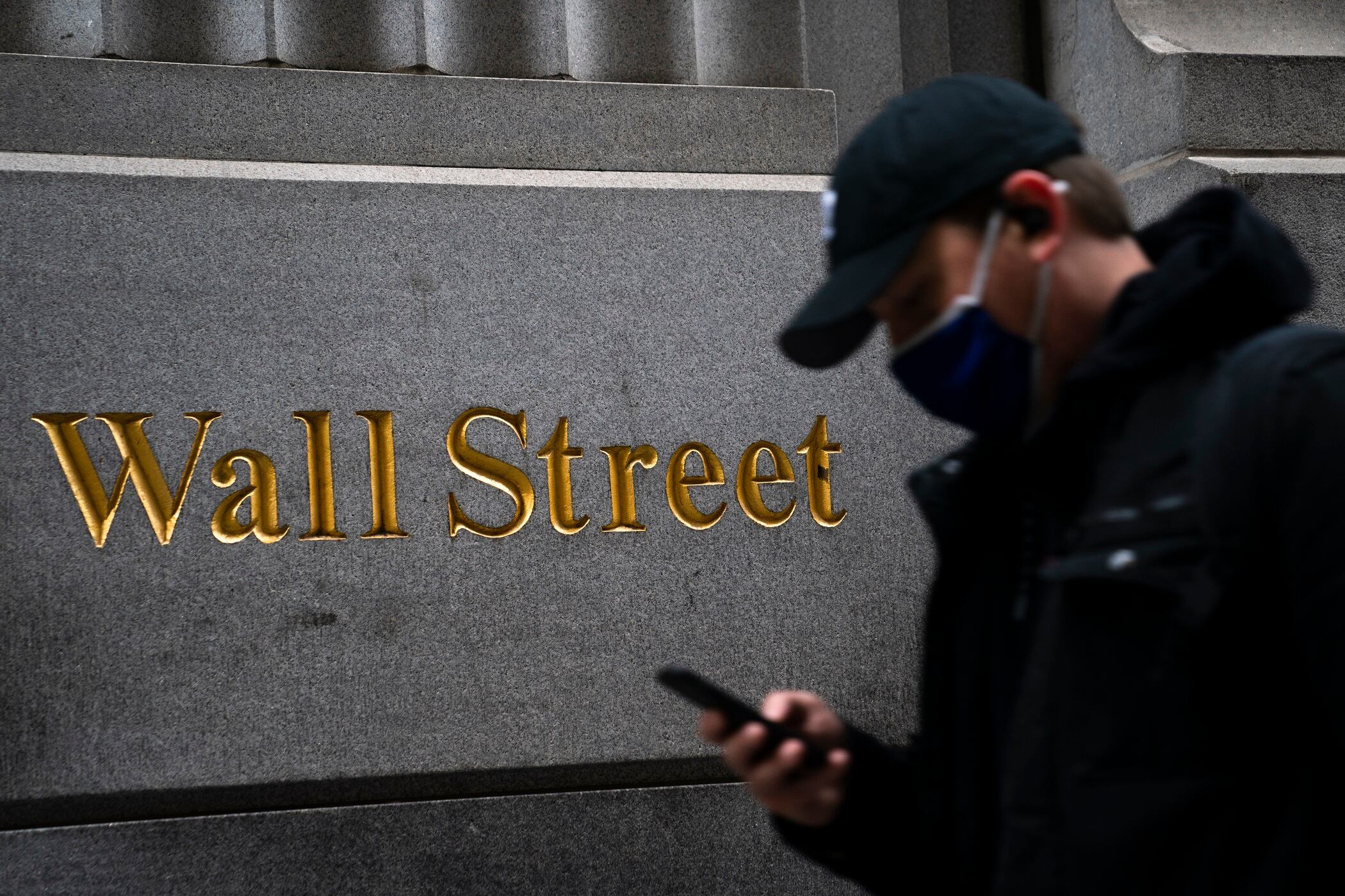
A pedestrian passes the New York Stock Exchange, Nov. 30, 2021, in New York.
By Damian J. Troise and Alex Veiga
Energy and technology companies led stocks broadly higher on Wall Street Tuesday, ending the market's three-day losing streak.
The S&P 500 rose 1.8%, more than making up for the ground it lost a day earlier. The tech-heavy Nasdaq rose 2.4%, while the Dow Jones Industrial Average gained 1.6%.
Small-company stocks rose even more than the rest of the market, a signal that investors were feeling a more optimistic about the economy. The Russell 2000 rose 2.9%.
The rapidly spreading omicron variant of the COVID-19 virus has been weighing on the market in recent weeks, adding to concerns about how the pandemic, rising inflation and persistent global supply chain issues will affect the economy.
Tuesday's gains marked a reversal for the market after its recent pullback, but it doesn't necessarily mean investors are now in a buying mood.
“The market was oversold, and so it got like a stretched rubber band and we had a sharp snapback today,” said Sam Stovall, chief investment strategist at CFRA. “I need to see follow-through. We could just as easily see a giveback of some of these gains tomorrow."
The S&P 500 rose 81.21 points to 4,649.23. The benchmark index is within 1.4% of the all-time high it set Dec. 10.
The Dow climbed 560.54 points to 35,492.70. Nike, one of the 30 stocks in the blue chip index jumped 6.1% after turning in strong quarterly results.
The Nasdaq rose 360.14 points to 15,341.09 and the Russell 2000 gained 63.07 points to 2,202.95. Nearly five stocks rose for every one that fell on the New York Stock Exchange.
The gains follow several weak days for major indexes as investors assess the impact from skyrocketing omicron cases. Nations in Europe and Asia have implemented a variety of restrictions aimed at curtailing the spread and that has investors worried about the impact to the global economy.
The latest coronavirus wave adds to lingering worries about rising inflation’s impact on economic growth. Supply chain shortages and higher raw material costs have been hitting businesses, which have passed the higher costs off to consumers. U.S. consumer prices rose 6.8% in November from a year earlier, which marks the fastest rise in inflation in nearly four decades.
Rising inflation has also prompted the Federal Reserve to hasten its withdrawal of aid to the markets and economy and put interest rate increases on the radar for investors in 2022. The prospect of higher interest rates has added some choppiness to the broader market as investors shift money around, particularly from high-value technology stocks.
“We’re not out of the woods yet and we’re likely going to see more volatility through the end of the year,” said Megan Horneman, director of portfolio strategy at Verdence Capital Advisors.
About 85% of the stocks in the S&P 500 rose. Technology companies accounted for a big share of the gains. Citrix Systems climbed 13.6% for the biggest gain in the index. Micron Technology jumped 10.5% after the chipmaker gave investors an encouraging profit forecast.
A mix of retailers. restaurant chains and other companies that rely on consumer spending also notched solid gains. Tesla climbed 4.3%, Amazon.com rose 2% and Starbucks rose 2.1%.
Bank stocks got help from rising bond yields. The yield on the 10-year Treasury rose to 1.47% from 1.42% late Monday. Citigroup gained 1.9%.
U.S. crude oil prices rose 4.2% and helped send energy stocks higher. Chevron rose 1.6%.
Memorial Day rang in the unofficial start of summer here in the United States -- and with it, the unofficial start of summer travel. Whether consumers traveled by air or by land, they probably experienced some form of frustration over the weekend. Flyers faced delays and cancellations, and drivers faced the most expensive gas prices ever recorded on Memorial Day. Zach Griff, Senior Aviation Reporter for the Points Guy, joins Cheddar News' Closing Bell to discuss.
Next-generation gaming ecosystem Joystick recently raised $8 million in a seed round and is in the process of raising a $110 million Series A funding round. Gaming ecosystems are a relatively new type of platform in the Web3 space, allowing users to maximize their play-to-earn gaming opportunities, exchange crypto-currencies, and sell their digital assets. Joystick says its platform is flipping the current model on its head by giving players the opportunity to keep 100% of the revenue they earn. Robin Defay, co-founder and CEO of Joystick, and Michael Le, co-founder of Joystick and TikTok content creator, join Cheddar News' Closing Bell to discuss.
Abe Stein, Head of Innovation at Sports Innovation Lab, joins Cheddar News' Closing Bell, where he explains why the top four spots on his company's 2022 list are European soccer clubs and discusses Sports Innovation Lab's plan to publish data on women's pro sports teams in the not-too-distant future.
Joel Birch, Co-Founder and CEO of Stacked, joins Cheddar News' Closing Bell, where he explains why he doesn't see any new catalysts that would lead to a Bitcoin rally at the moment. He also reiterates that now is a good time for long-term Bitcoin investors to buy low.
The dating app Bumble has sponsored bills and pushed lawmakers to criminalize the online practice of sending unsolicited nudes or “cyberflashing." Payton Iheme, Bumble's head of public policy for the Americas, joined Cheddar News to discuss why the app was going after the harassing behavior beyond its own platform. "Now, while we went to work internally in the company, and we created something called private detector to automatically blur those images so the user can decide if they want to see them, there's nothing for the rest of the internet," she said. "And so that's why we went to work with these laws."
The holiday weekend saw Disney+ and Netflix competing head-to-head for streaming views as the Disney behemoth kicked off the unofficial start to summer with its release of "Obi-Wan Kenobi" and Netflix responded with the first part of "Stranger Things" Season 4. The streaming giants caught the eye of Wall Street, and Seth Schachner, the managing director at consultancy Strat Americas, joined Cheddar News to break down the heavy hitters. "This is a very tough, competitive game, and I don't see it getting any easier," he said. "I think you'll probably see more consolidation."
Amid high inflation, shoppers are pinching their pennies in the grocery stores and becoming more frugal when food shopping. However, supermarkets like Kroger are pushing back against passing on the higher costs and demanding reasons for the higher food prices from suppliers.
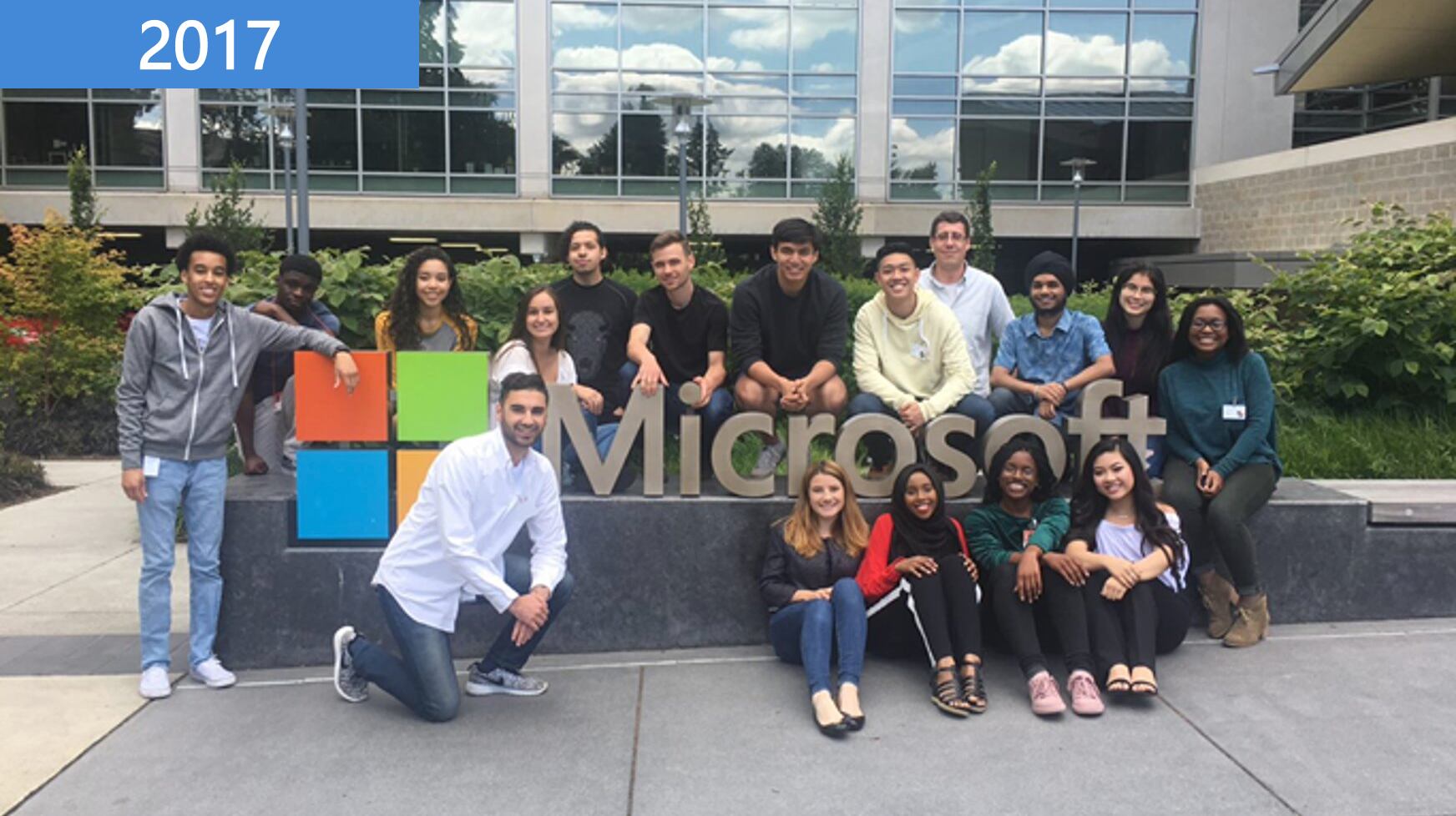
The founder and president of Cyborg Mobile Kobie Hatcher has been on a strong trajectory to disrupt his industry with a program called The New Technologists. It's not only meant to address the diversity gap within large tech companies but also help pave the way to transform the lives of young BIPOC students. He joined Cheddar News to talk about how he's working to make a difference with the lack of diversity in tech. “There's truly no lack of talent out there. It's just identifying them and letting them know that, hey, I've been in the tech sector for over 20 years. I see you. I know what you can bring, bring it, we need it," Hatcher said.