By Damian J. Troise and Alex Veiga

Stocks shook off a sluggish start to finish with modest gains Wednesday, nudging the S&P 500 index to an all-time high for the second straight day.

The benchmark index rose 0.2% after spending much of the day drifting between small gains and losses. About 54% of the stocks in the index rose, with communications, financial and health care companies driving the bulk of the gains. A pullback in technology stocks, companies that rely on consumer spending and elsewhere kept the market's gains in check.

Treasury yields continued to head mostly higher, a sign of growing confidence in the outlook for the economy. That confidence has also been pushing stocks higher in recent weeks as traders hope coronavirus vaccines will start driving a stronger economic recovery. Investors were not deterred by new data Wednesday showing that hiring by U.S. companies slowed last month.

“The biggest thing about the market that we’ve seen the last couple of weeks is (investors) keep trying to sell it, and it still hangs in there,” said J.J. Kinahan, chief strategist at TD Ameritrade.

The S&P 500 rose 6.56 points to 3,669.01. The index is now up about 13.6% for the year. The Dow Jones Industrial Average gained 59.87 points, or 0.2%, to 29,883.79. The tech-heavy Nasdaq composite, which also opened the month with a new record, slipped 5.74 points, or 0.1%, to 12,349.37.

Stocks have been ramping higher in recent weeks as drugmakers make steady progress in developing coronavirus vaccines. The rollout of a vaccine in the U.S. could begin this month, if regulators give their approval.

Pfizer shares rose 3.5% after the drugmaker and BioNTech said they won permission for emergency use of their COVID-19 vaccine in Britain. The vaccine is the world’s first coronavirus shot that’s backed by rigorous science and a major step toward eventually ending the pandemic. The move makes Britain one of the first countries to begin vaccinating its population against the virus. The companies have already asked for approval to begin vaccinations in the U.S. in December.

Moderna is also asking U.S. and European regulators to allow emergency use of its COVID-19 vaccine. Its shares rose 1.4%.

Optimism about vaccine developments have tempered lingering concerns over rising virus cases in the U.S., though worries persist about the economic fallout from new government restrictions on businesses aimed at limiting the spread.

“My farther-out fear for the market is once this vaccine starts to roll out, will it be able to meet these amazing expectations people have for everything getting back to normal?” Kinahan said.

Unemployment remains high as the COVID-19 outbreak widens the gulf between average people and the wealthiest Americans. Payroll processor ADP said Wednesday that its latest survey of private U.S. employers shows they added 307,000 jobs last month. That fell short of Wall Street analysts’ expectations for a gain of 405,000 jobs, according to FactSet.

The report precedes a broader jobs survey from the Labor Department due out Friday. Economists are forecasting that will show employers added about 441,000 jobs in November, down from a gain of 638,000 in October.

Meanwhile, traders are holding out hope that Democrats and Republicans may reach a deal on some amount of economic stimulus for the economy before 2021, though the parties remain divided on the details and the cost.

The Federal Reserve's latest survey of business conditions around the U.S. found economic activity has slowed in some parts of the country as amid a surge in new coronavirus cases. On Wednesday, Federal Reserve Chairman Jerome Powell and Treasury Secretary Steven Mnuchin told lawmakers during a House Financial Services Committee hearing that Congress needs to approve COVID-19 relief funds without further delay.

However, it's looks like most lawmakers are willing to wait until after President-elect Joe Biden takes office, said Ross Mayfield, investment strategy analyst at Baird.

“The problem is, by that point you’re going to have six to 10 more weeks of economic damage,” he said.

Technology stocks, which have been leading the market higher since the pandemic started wreaking havoc on the global economy, helped limit the market's gains Wednesday. Salesforce.com was the biggest decliner in the S&P 500, tumbling 8.5%, after announcing a deal late Tuesday to buy messaging platform Slack for $27.7 billion. Microsoft slipped 0.4%.

Lyft climbed 9.6% after the ride-hailing company posted a smaller loss this quarter and better margins. The news helped boost rival Uber Technologies up 7%.

Treasury yields headed higher, giving banks a boost because they allow them to charge more lucrative interest rates on loans. The yield on the 10-year Treasury rose to 0.96% from 0.92% late Tuesday. JPMorgan Chase rose 1.9% and Citigroup gained 3.1%.

Germany's DAX shed 0.5% and France's CAC 40 was flat. In Britain, the FTSE 100 rose 1.2%. Markets in Asia were mixed.

Updated on December 2, 2020, at 5:21 p.m. ET.
Share:
More In Business
Sales-Focused Workspace Software Scratchpad Garners $33M in Fundraise
Following sales tech startup Scratchpad raising $33 million in Series B Funding, CEO and co-founder Pouyan Salehi joined Cheddar to discuss how his company's software works to help salespeople with an all-in-one workspace, integrating with Salesforce to optimize notes, spreadsheets, and other relevant information so businesses can forecast and make the best decisions. "If you look at other crafts like artists, they'll have studios; chefs, they'll have kitchens; scientists will have labs, and we just asked, well, if you look at sales as a craft, why doesn't something exist that is designed solely for a salesperson?" Salehi said about his workspace app.
American Advertisers Face Pressure to Pull Out of Winter Olympics
As the 2022 Beijing Winter Olympics inches closer, sponsors are facing mounting pressure to pull out of the games with China is under fire for controversies like the alleged human rights abuses against its Muslim minority population and the disappearance of tennis player Peng Shuai. Rick Burton, professor of sport management at Syracuse University, joined Cheddar to discuss what he expects to happen once the games begin. Burton said China is too large of a market for American advertisers to ignore, and he doesn't expect any of them to pull out of the games. "Olympic sponsors right now I think are really just trying to hang on and get through these 17 days, come out the other end," he said.
Rumored Google Pixel Watch Could Set Important Standard for Android Wearables
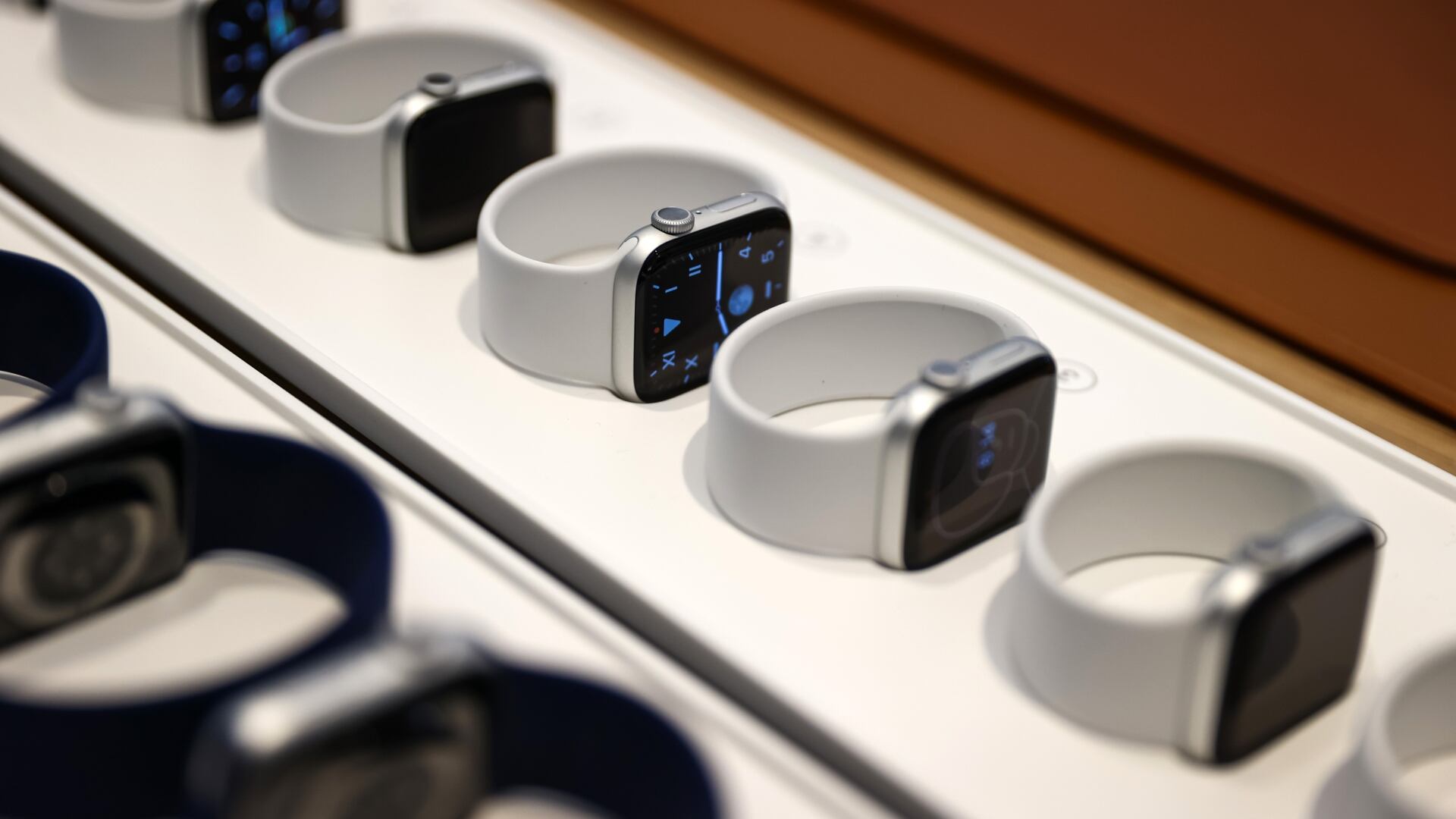
Google could be gearing up to release its own wearable device as rumors swirl about a potential smartwatch with the Pixel brand. Jon Prosser, the creator of Front Page Tech, who tweeted a possible leak about the product, joined Cheddar's "Closing Bell" to discuss potential the benefits of it entering the same space as the Apple Watch. Prosser said, while he doesn't expect it to launch until at least 2023, the Pixel Watch will be "one of the most vital, most important wearables that we can have on the market," noting that it won't likely challenge Apple for much market share but will set the standard for other Android wearables to come.
Fed Weighs Benefits of Digital Dollar
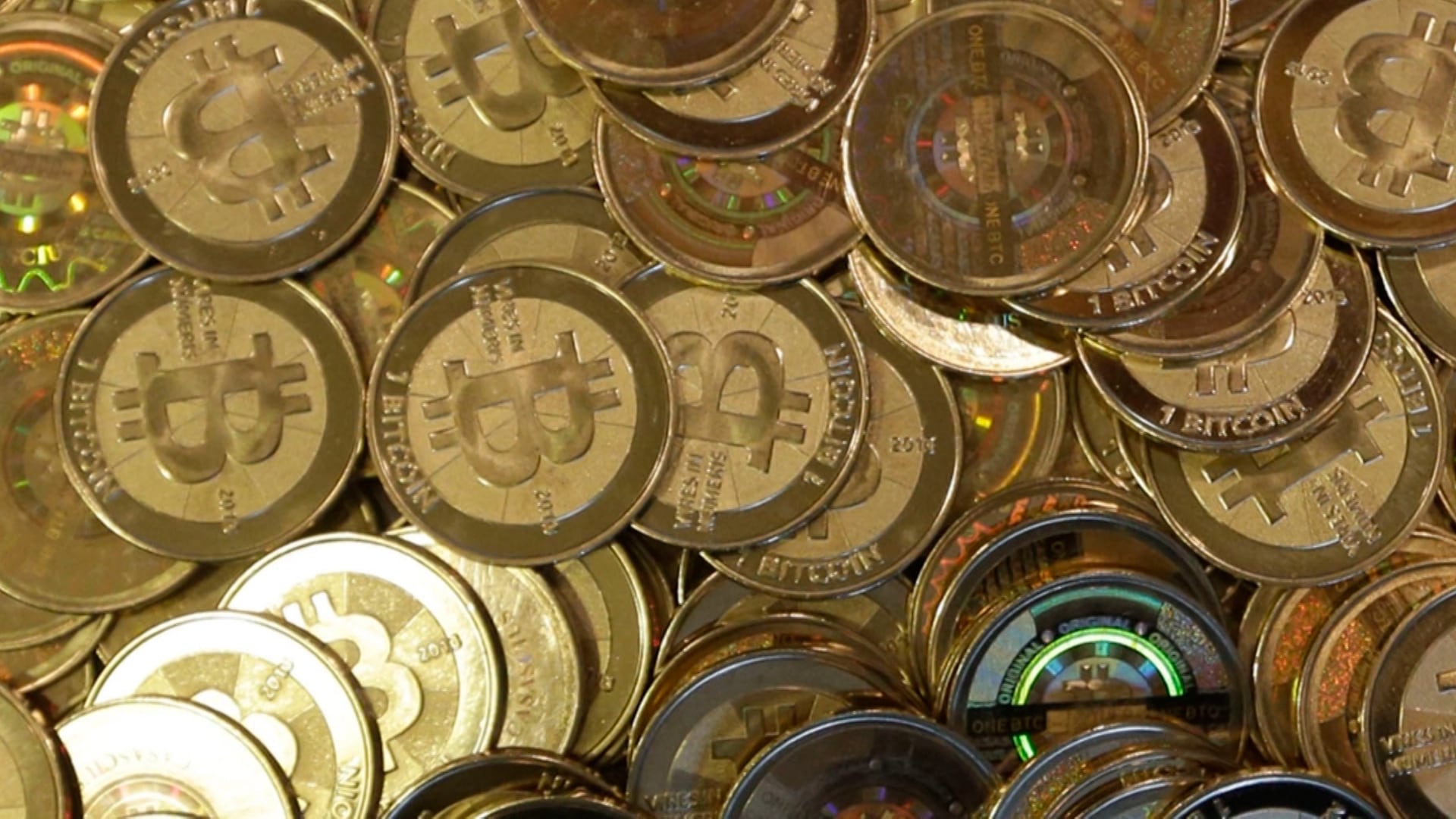
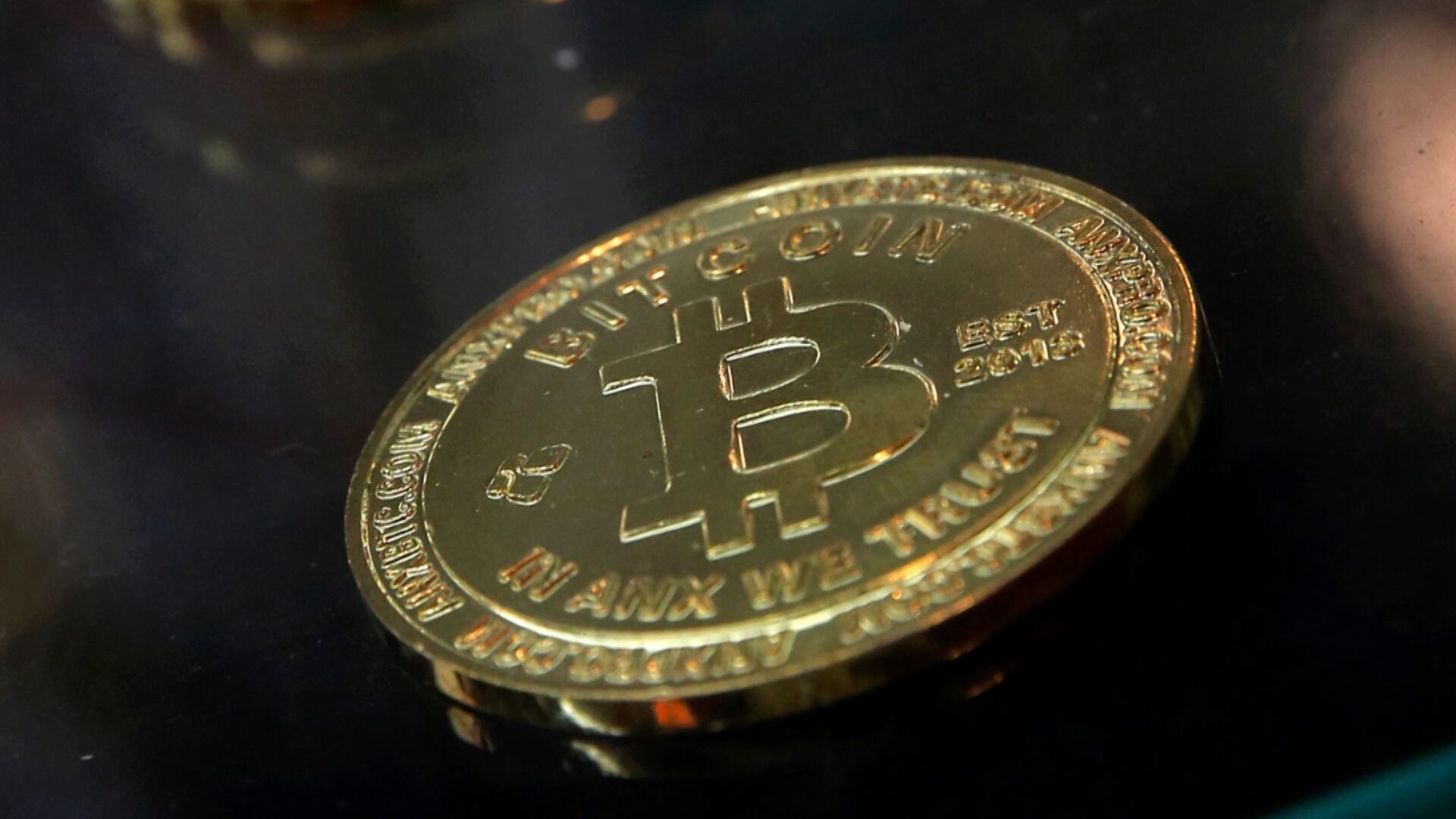
The Federal Reserve released its highly-anticipated research weighing the pros and cons of a digital dollar in the U.S. The report comes as economic rivals like china have already piloted their own central bank digital currencies. Edward Moya, Senior Market Analyst, The Americas, Oanda, joined Cheddar's Opening Bell to discuss.
What To Know About 2022 Tax Season
Tax season is now underway, and it's going to be a bit different than in years past. For starters, the deadline is April 18, instead of the typical April 15th, and many Americans will need to account for advance child tax credit payments, the return of the recovery rebate credit, and a special break for charitable contributions, among other things. Brent Weiss, Co-Founder and certified financial planner at Facet Wealth, tells us what we need to know about filing our taxes this year, and when we can expect to receive our returns.
Biden Touts Intel's Chip Factory Plans Amid Shortages
American semiconductor company, Intel officially announcing plans to build a new $20 billion chip manufacturing complex outside Columbus, Ohio. This comes as the global chip shortage continues to hamper production of everything from smart phones, to cars. Jennifer Smith - Logistics and Supply Chain Reporter, WSJ joined Cheddar's Opening Bell to discuss.
5G Service Rolled Out Across United States
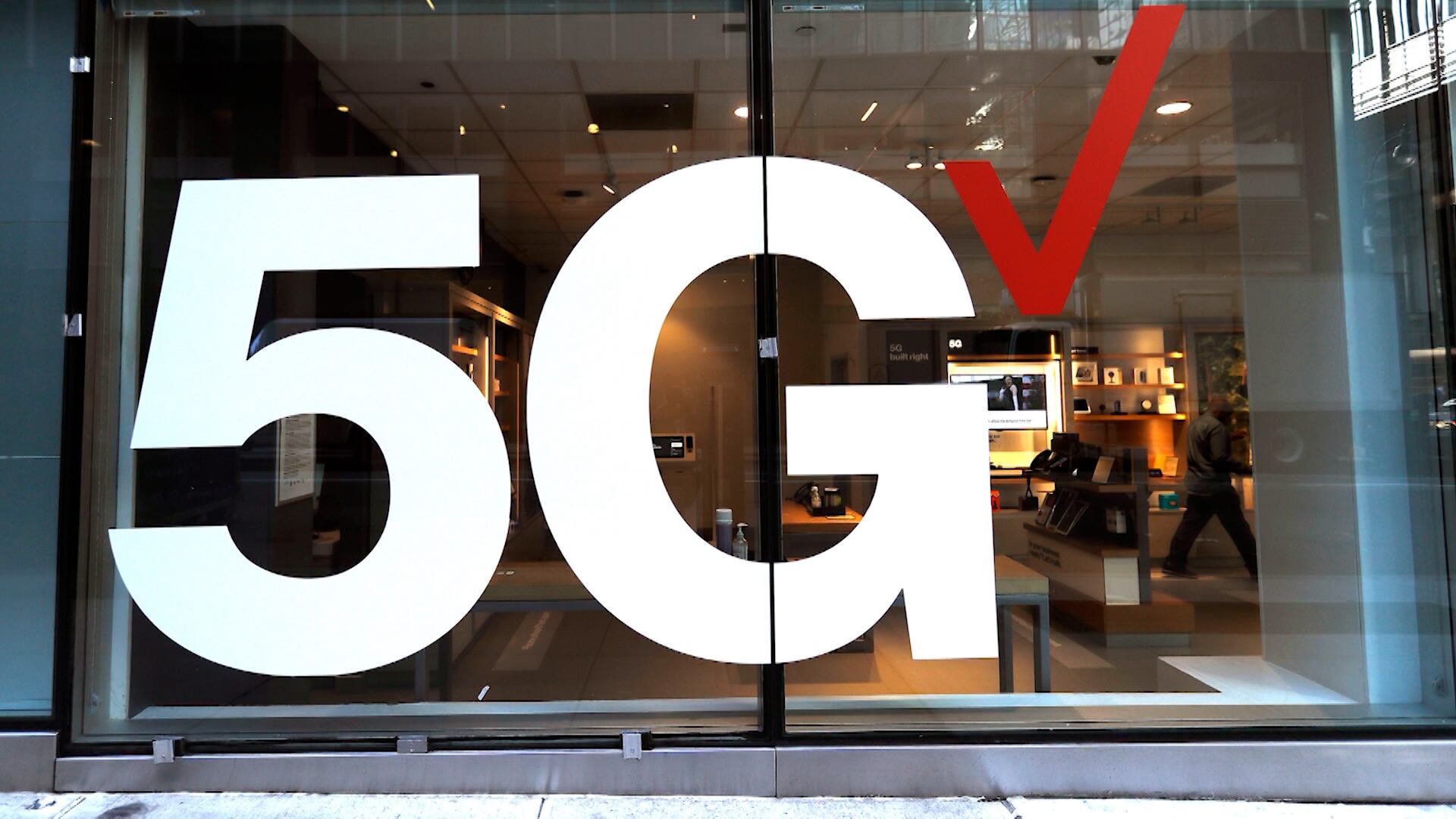
Verizon and AT&T officially launched their 5G wireless services Wednesday across the U.S. Despite pushback from U.S. airlines and the FAA over safety concerns, the telecom giants rolled out the next generation of wireless cellular technology, with speeds up to 20 times faster than 4G LTE. John Biggs, Editor, Tech Crunch joined Cheddar's Opening Bell to discuss.
This Week in Earnings: Microsoft, Apple, Tesla, GM
Earnings season kicks into high gear this week as big players are on tap to report their Q4 numbers, including Microsoft, Apple, and Tesla. Investors will be watching for key indicators on how the companies are dealing with inflation, Omicron and interest rates. Christine Short, VP of Research, Wall Street Horizon joined Cheddar's Opening Bell to discuss.
New Tech Firm PulseForge Looks to Reduce Emissions From Manufacturing
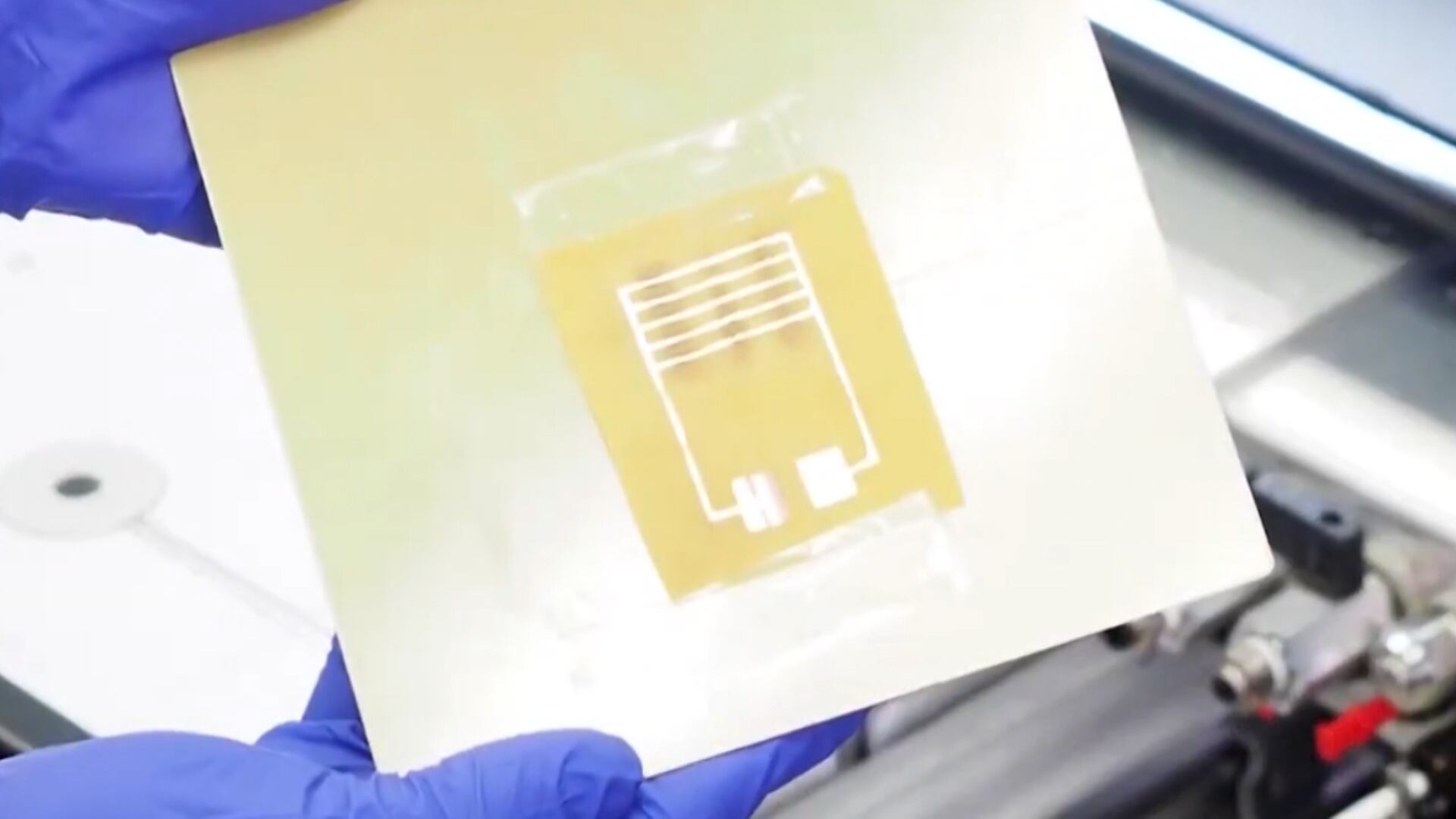
Stan Farnsworth, chief marketing officer at PulseForge, joined Cheddar to talk about his company's debut at CES 2022 and how it plans to innovate the sustainable tech manufacturing space. PulseForge is bringing a new approach to industrial thermal processing, which contributes to 30 percent of global greenhouse gas emissions, according to Farnsworth. "By using 85 percent less energy in the processing of materials through a variety of manufacturing processes, we can make a direct impact in reducing carbon output and reducing carbon footprint associated with manufacturing," he said.
Load More