By Damian J. Troise and Alex Veiga
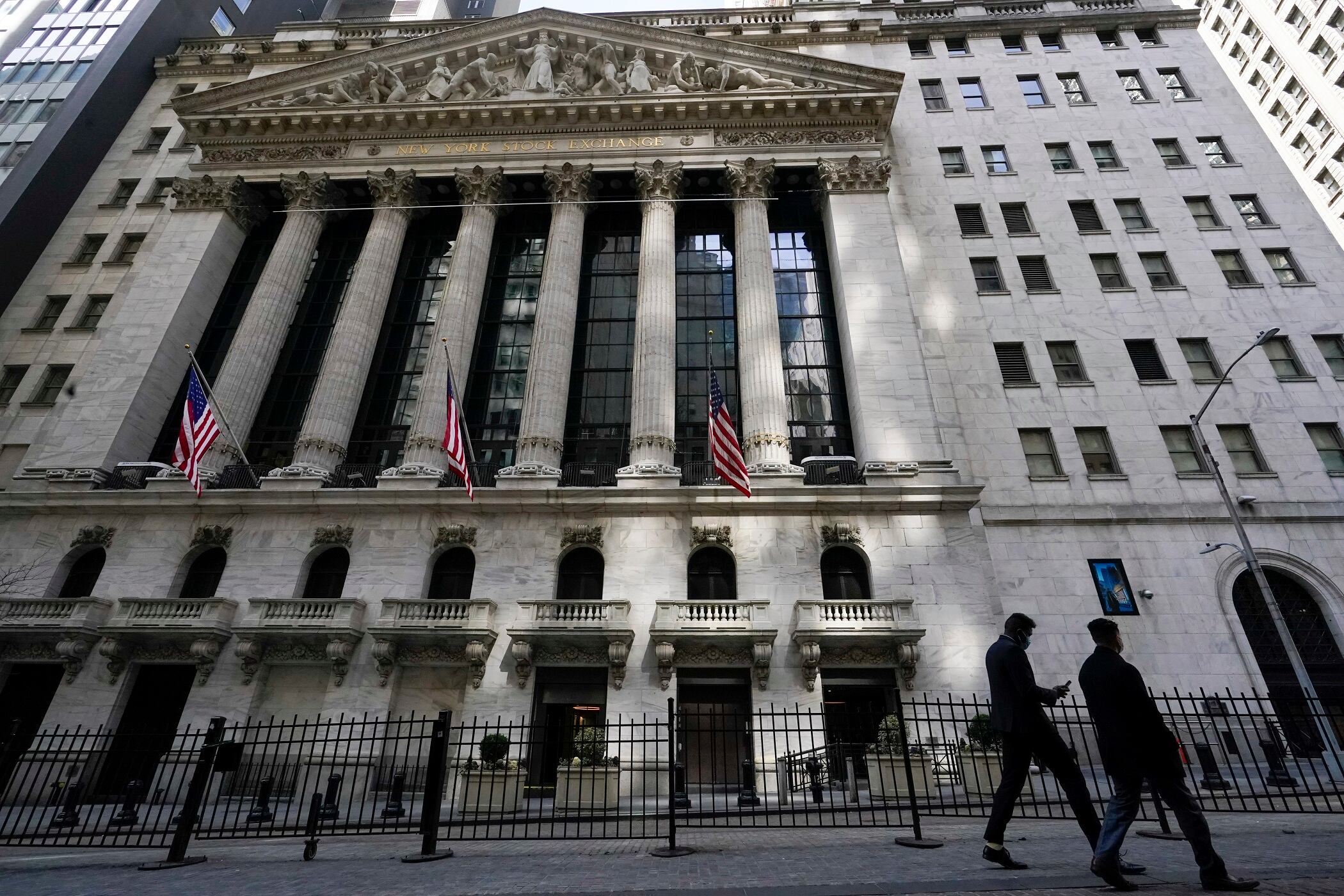
Banks led another pullback for stocks on Wall Street Friday, as the market racked up its third losing week in the last four.
The S&P 500 fell 1%, with three-quarters of the companies in the benchmark index closing lower. The Dow Jones Industrial Average fell 1.5% and the tech-heavy Nasdaq slipped 0.1%. The indexes initially moved higher in choppy trading before settling into their latest losses.
After pushing the S&P 500 to a record high last week, investors have been taking money off the table as the Federal Reserve moves to dial back stimulus and fight inflation.
The Federal Reserve signaled on Wednesday that it plans to speed up its reduction in monthly bond purchases that have helped keep interest rates low. The shift in policy sets the stage for the Fed to begin raising rates sometime next year.
“The cat is kind of out of the bag now and it seems like inflation is something that’s going to be more persistent in 2022,” said Charlie Ripley, senior investment strategist for Allianz Investment Management.
The S&P 500 fell 48.03 points to 4,620.64. The index is now about 2% below its all-time high set last Friday and is up 23% so far this year. The Nasdaq slipped 10.75 points to 15,169.68. Both indexes have posted losses in three of the last four weeks.
The Dow dropped 532.20 points to 35,365.44.
Small company stocks bucked the broader market slide. The Russell 2000 index picked up 21.48 points, or 1%, to 2,173.93.
Inflation has been a growing concern throughout 2021. Higher raw materials costs and supply chain problems have been raising overall costs for businesses, which have raised prices on goods to offset the impact.
Consumers have so far absorbed those price increases, but they are facing persistent pressure from rising prices and that could eventually prompt a pullback in spending. Any pullback in spending could then crimp economic growth.
Investors initially welcomed word of the Fed's policy pivot toward fighting inflation on Wednesday. It was the only day this week that the broader market notched gains. Traders' optimism appeared to dim again by Thursday with sell-off led by technology companies that erased nearly all of the market's gains from a day earlier.
The slide in technology sector stocks continued Friday. Oracle fell 6.4%, while Nvidia dropped 2.1%.
Large technology companies often have lofty valuations based on assumptions about their profitability going far into the future. Those valuations are typically more acceptable to investors when interest rates remain low, but become less desirable as interest rates rise.
Banks and energy companies took the heaviest losses as long-term bond yields mostly fell. Lenders rely on higher yields to charge more lucrative interest on loans. JPMorgan Chase fell 2.3%.
The yield on the 10-year Treasury slipped to 1.41% from 1.42% late Thursday.
Losses were broad throughout other sectors. A wide range of retailers, household goods makers and industrial firms also fell. Home Depot slid 2.9%, Procter & Gamble fell 2.3% and Caterpillar dropped 2.3%.
Sectors considered less risky, such as real estate and utilities, had less severe losses.
Some travel-related stocks, including cruise line operators, rose. Royal Caribbean gained 5.3%, Norwegian Cruise Line rose 5.1% and Carnival gained 4%.
The price of U.S. crude oil dropped 2.1% amid a broad pullback in energy futures. Stocks in the S&P 500's energy sector mostly fell. Chevron slid 2.6%.
European and Asian markets closed mostly lower.
Wall Street is also gauging the potential impact from surging coronavirus cases with the new omicron variant. Public health experts in Europe have been urging greater precautions amid the latest wave.
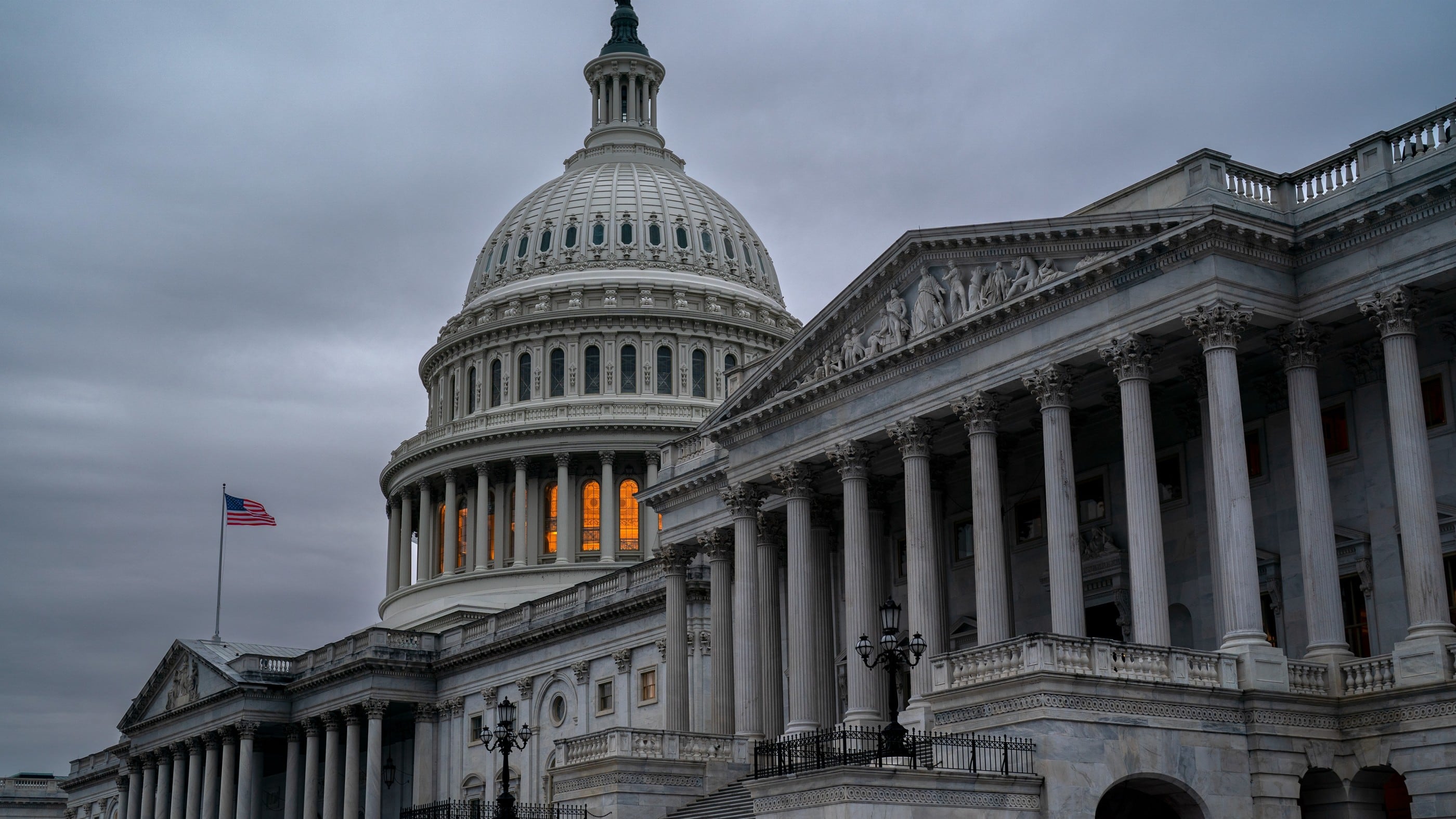
Investors are also considering heightened tensions between China and U.S. amid an already strained global supply chain. In the U.S., Congress approved legislation barring all imports from China’s Xinjiang region unless businesses can prove they were produced without forced labor.
Updated on December 17, 2021, at 5:06 p.m. ET.