By Stan Choe, Alex Veiga, and Damian J. Troise
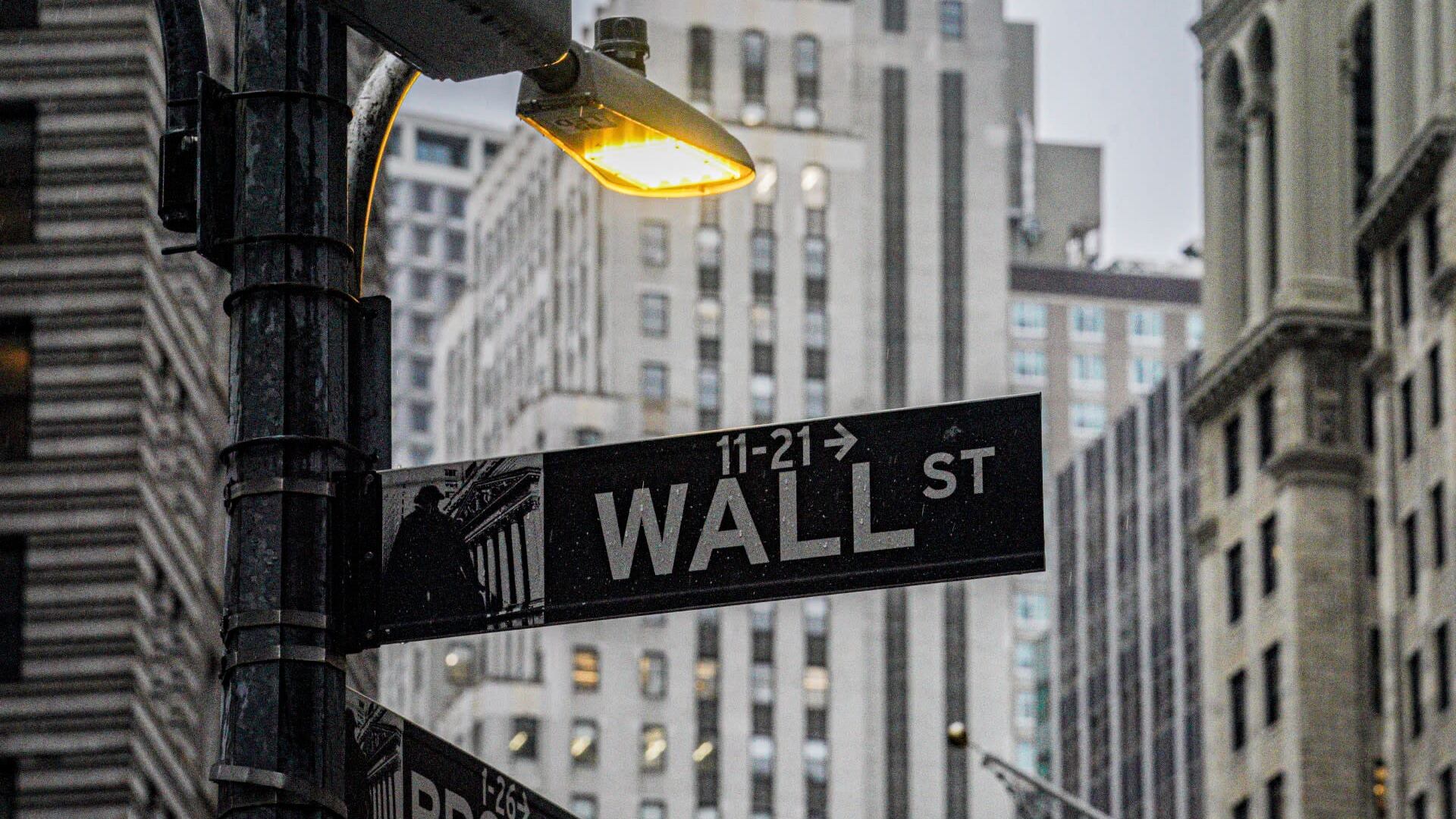
Stocks are surging again on Wall Street as a massive coronavirus relief bill gets closer to passing Congress. Major indexes jumped more than 6%, bringing the S&P 500 up 17% since Monday. The astonishing rally came even as the massive scale of the downturn slamming the economy becomes more apparent. Nearly 3.3 million Americans applied for unemployment benefits last week, shattering the record set in 1982. The S&P 500 remains 22% below its February high and analysts expect more dire economic headlines in the days ahead. The rescue bill cleared the Senate late Wednesday and is headed for a House vote Friday.
THIS IS A BREAKING NEWS UPDATE. AP’s earlier story is below:
Stocks marched higher on Wall Street Thursday, putting the market on track for its first three-day rally in six weeks, even as the astonishing scale of the downturn slamming the economy because of the coronavirus becomes more apparent.
Nearly 3.3 million Americans applied for unemployment benefits last week, easily shattering the prior record set in 1982, as layoffs and business shutdowns sweep across the country. The outbreak has happened so suddenly that Thursday’s jobless report is one of the first points of data showing how much economic pain it’s creating.
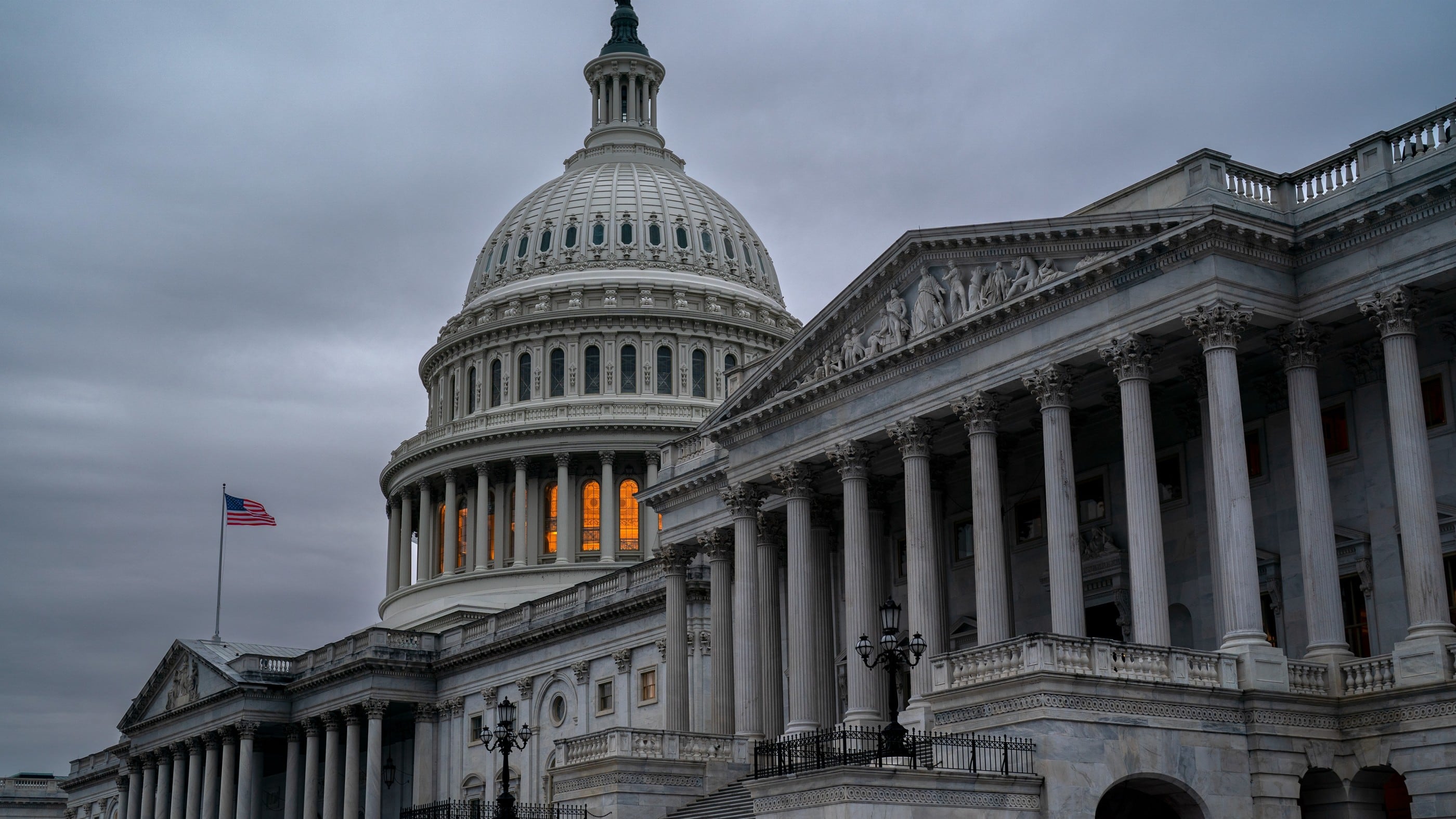
The S&P 500 was up 4%, continuing a rally that has vaulted the index 15% higher since Monday on rising expectations that Congress will soon approve an unprecedented rescue package for the economy. Both Capitol Hill and the Federal Reserve are promising an astonishing amount of aid for the economy and markets, hoping to support them as the outbreak causes more businesses to shut down by the day.
Late Wednesday, the Senate unanimously approved the $2.2 trillion plan, which includes direct payments to U.S. households and aid to hard-hit industries. The House of Representatives is expected to approve it Friday.
Futures for stocks and yields cut their losses immediately after the jobless claims report was released in the morning, which was before U.S. stock trading opened. Most traders likely expected an extreme number from the jobless report, analysts said.
“There is no sugar coating these numbers--they are bad,” said Jamie Cox, managing partner for Harris Financial Group. “Markets have had several days to digest what everyone knew was coming; therefore, the market response to these numbers may differ than what people might expect.”
Investors still need to see stability in banks and, especially, in oil prices to maintain confidence, because markets could be in for another slide if oil goes below $20 a barrel, said Andrew Slimmon, managing director and senior portfolio manager at Morgan Stanley Investment Management.
Benchmark U.S. oil slid 7.7% to settle at $22.60 a barrel. Goldman Sachs has forecast that it will fall well below $20 a barrel in the next two months because storage will be filled to the brim and wells will have to be shut in.
“I wouldn’t necessarily say that where the market was yesterday we won’t see that again,” Slimmon said. “There is bad news still to come.”
Investors say the market need three main things to slow its breathtaking drop, which has sliced one quarter off the S&P 500 since it set its record last month.
The first is already here after the Federal Reserve has slashed interest rates back to nearly zero and offered to buy an unlimited amount of Treasurys to get lending markets running more smoothly. The second is making progress, as the economic rescue plan moves through Capitol HIll.
The third, though, is getting more concerning by the day: the accelerating spread of the virus.
The United States has more than 69,000 known cases, and the worldwide number of infections has topped a half-million, according to Johns Hopkins University. The death toll has climbed to more than 23,000, while more than 120,000 have recovered.
For most people, the new coronavirus causes mild or moderate symptoms, such as fever and cough that clear up in two to three weeks. For some, especially older adults and people with existing health problems, it can cause more severe illness, including pneumonia and death
The yield on the 10-year Treasury fell to 0.82% from 0.85% late Wednesday. It had been as low as 0.77% just before the jobless report was released. Lower yields reflect dimmer expectations for economic growth and greater demand for low-risk assets.
Boeing continued to climb after soaring more than 24% Wednesday in part on expectations that it stands to gain from the Congressional aid package. The aircraft manufacturer was the biggest gainer in the Dow Jones Industrial Average, rising up 14%.
The Dow was also adding to its gains this week. It was up 4.2%, or 888 points. The Nasdaq was up 3.7%.
European markets closed broadly higher following a mixed finish for Asian markets.
Despite the solid rally this week, analysts say further big drops are common until there have been enough sustained gains in the market to ease investors' fear of further declines.
"Historically, you do test the bottom one, two, three times before you're convinced it's over and then you build up again toward that viable rally," said Quincy Krosby, chief market strategist at Prudential Financial. “What you have here, obviously, is a concern about how deep the recession is going to be and when are we going to come out.”