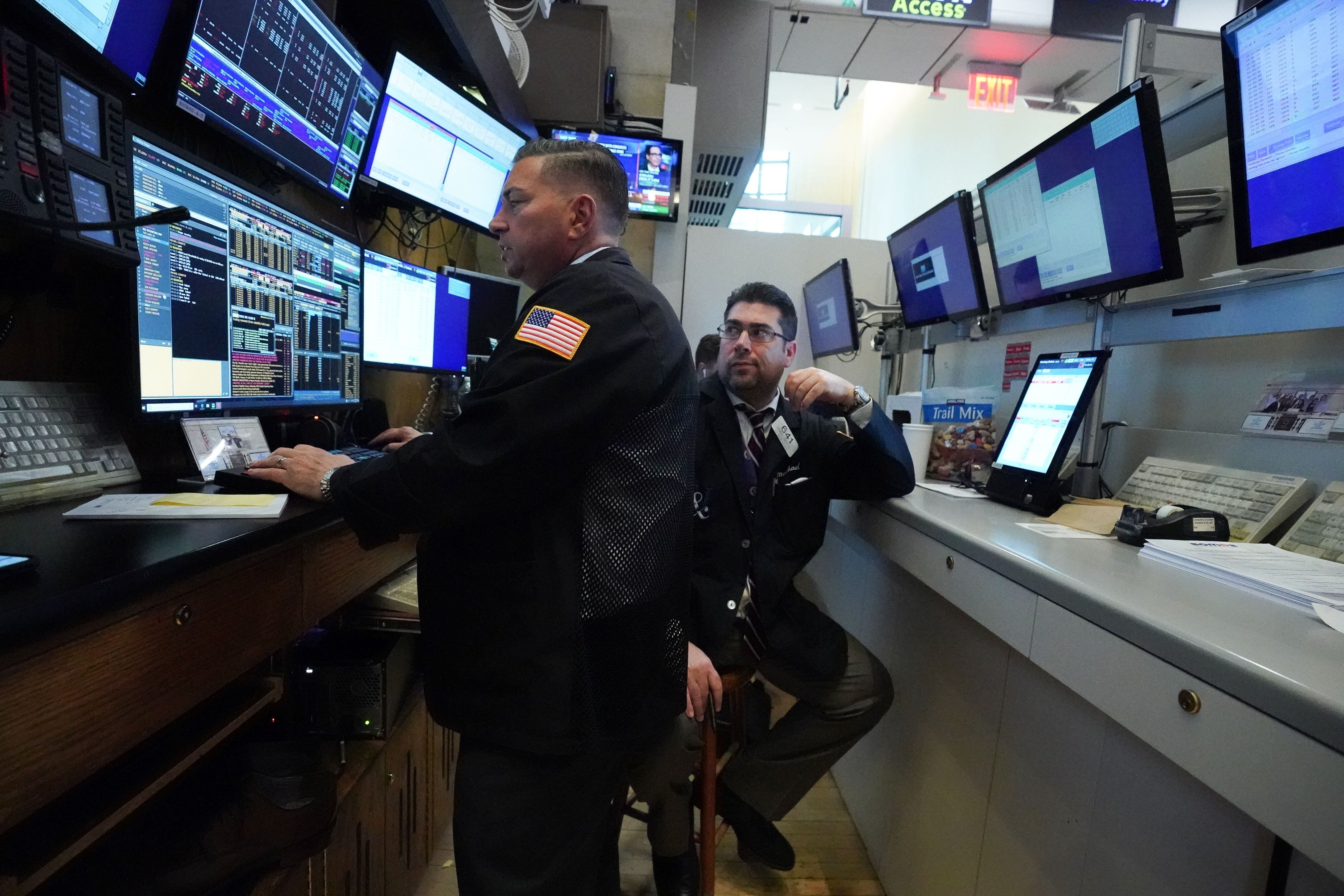
Traders work and watch president Donald Trump speak on television on the floor at the New York Stock Exchange on March 18, 2020 in New York. (Photo by Bryan R. Smith / AFP) (Photo by BRYAN R. SMITH/AFP via Getty Images)
By Stan Choe
Stock trading has been halted for the fourth time this month Wednesday as S&P 500 drops 7%. Trading will resume in 15 minutes. The automatic circuit-breaker was triggered around 1 p.m. Eastern time as President Donald Trump and other officials were updating reporters on measures to combat the coronavirus. Markets have been highly volatile in recent weeks as the outbreak seems increasingly likely to cause a global recession. The price of crude oil dropped another 18% as traders anticipate a sharp pullback in demand for energy. Even prices for longer-term U.S. Treasurys fell as investors sold what they could to raise cash.
THIS IS A BREAKING NEWS UPDATE. AP’s earlier story is below:
U.S. stocks sank close to 6% in midday trading Wednesday, part of another worldwide sell-off, and wiped out the big gains and optimism that Washington had sparked the prior day with promises for massive aid for the economy.
Markets have been incredibly volatile for weeks as Wall Street and the White House acknowledge an increasing risk of a recession due to the coronavirus outbreak. The typical day this month has seen the stock market swing up or down by 4.9%. Over the last decade, it was just 0.4%.
The selling pressure swept markets around the world. Benchmark U.S. oil fell 14% after dropped below $25 per barrel for the first time since 2002. European stock indexes lost more than 4% following broad losses in Asia. Even prices for longer-term U.S. Treasurys, which are seen as some of the safest possible investments, fell as investors sold what they could to raise cash.
The S&P 500, which dictates how 401(k) accounts perform much more than the Dow, is down nearly 30% from its record set last month.
It was just a day ago that the S&P 500 surged 6% after President Donald Trump said he’s “going big” in plans to aid an economy that’s increasingly shutting down by the day. The program could approach $1 trillion, and it would follow a spate of emergency actions by the Federal Reserve and other central banks to get financial markets running more smoothly.
Despite all that, investors are struggling with how much to pay for anything — stocks, bonds, oil — when it’s so uncertain how badly the economy is getting hit, how much profit companies will make and how many companies may go into bankruptcy due to a cash crunch.
“These are truly unprecedented events with no adequate historical example with which to precisely anchor our forecast,” Deutsche Bank economists wrote in a report Wednesday.
With all the uncertainty and early evidence that China’s economy was hit much harder by the virus than earlier thought, they now see “a severe global recession occurring in the first half of 2020.”
But they also are still forecasting a relatively quick rebound, with activity beginning to bounce back in the second half of this year in part because of all the aid promised from central banks and governments.
Investors say they need to see the number of infections slow before markets can find a bottom. The number of new cases reported in China, where the virus emerged in December, is declining but infections in the United States, Europe and elsewhere are increasing.
The number of infections has topped 200,000 worldwide, and the virus has killed more than 8,000.
For most people, the coronavirus causes only mild or moderate symptoms, such as fever and cough, and those with mild illness recover in about two weeks. Severe illness including pneumonia can occur, especially in the elderly and people with existing health problems, and recovery could take six weeks in such cases.
The Dow Jones Industrial Average was down 1,280 points, or 6%, as of 11:38 a.m. Eastern time. after being down as many as 1,365 shortly after trading began. If stays there, it would be the eighth straight day the Dow has moved by that much.
All the uncertainty has pushed many people toward safety. Last month, investors pulled $17.5 billion out of stock mutual funds and exchange-traded funds, even though stocks set all-time highs in the middle of the month. Money-market funds, meanwhile, drew $25.5 billion, according to Morningstar.
That was all before the market's sell-off accelerated this month, as broad swaths of the economy shut down in hopes of better containing the outbreak. Restaurants have closed to dine-in customers, planes are parked and sports arenas have been dimmed. Goldman Sachs strategists describe this month as “March Sadness.”
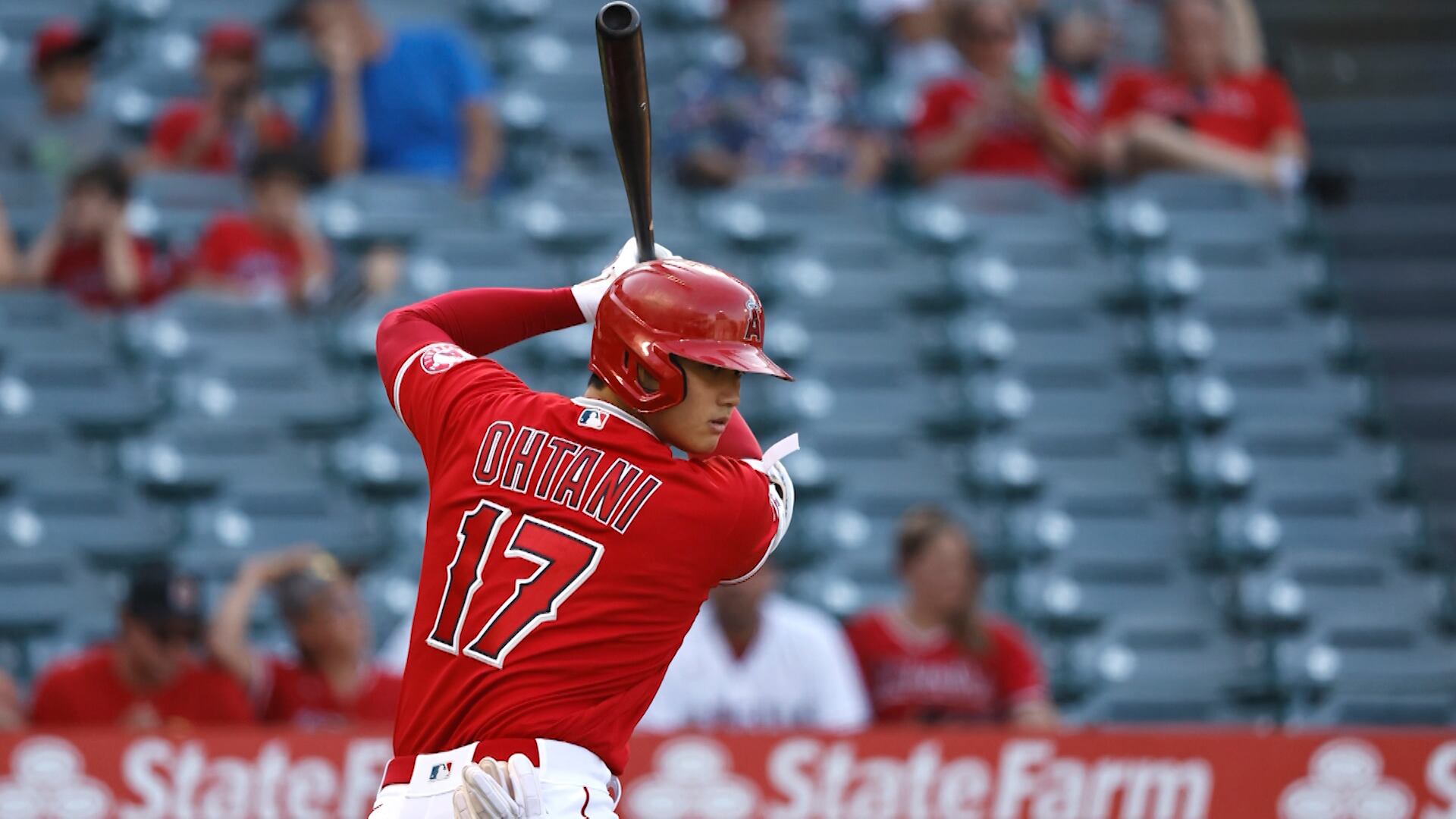
In late January, NFT company Candy Digital cashed in when a Shohei Ohtani Icon NFT sold for $100,000, breaking the six-figure sale price mark for MLB NFTs for the first time. Scott Lawin, CEO of Candy Digital, joins Cheddar News' Closing Bell, where he explains why his company is very excited about the future of digital collectibles and how the Ohtani NFT sale shows consumer confidence in the marketplace.
Sēkr, a mobile app that aims to improve and digitize the outdoor travel experience, announced this week that it raised a $2.25 million seed round. In the Sēkr app, users can get access to more than 50,000 campsites throughout the U.S. including the nation's largest database of free campsites. The company is saying it is on a mission to make every step of the planning experience for outdoor travel easier, safer, and more social. Breanne Acio, co-founder and CEO of Sēkr, and Jess Shisler, co-founder and COO, joined Cheddar News' Closing Bell to discuss.
Cheddar's Big Game Special gives you all the info you need heading into Sunday's event. Pro Football Hall of Famer Terrell Davis, Big Game MVP Hines Ward, and Big Game Champion Emmanuel Sanders dissect the action set to take place on the field, Olivia Harlan Dekker delivers her winning wagers, Tom Morton breaks down what we should expect from advertisers, Azia Celestino showcases the atmosphere from Los Angeles, and Baker Machado discusses what viewers should expect to see unfold during the halftime show.
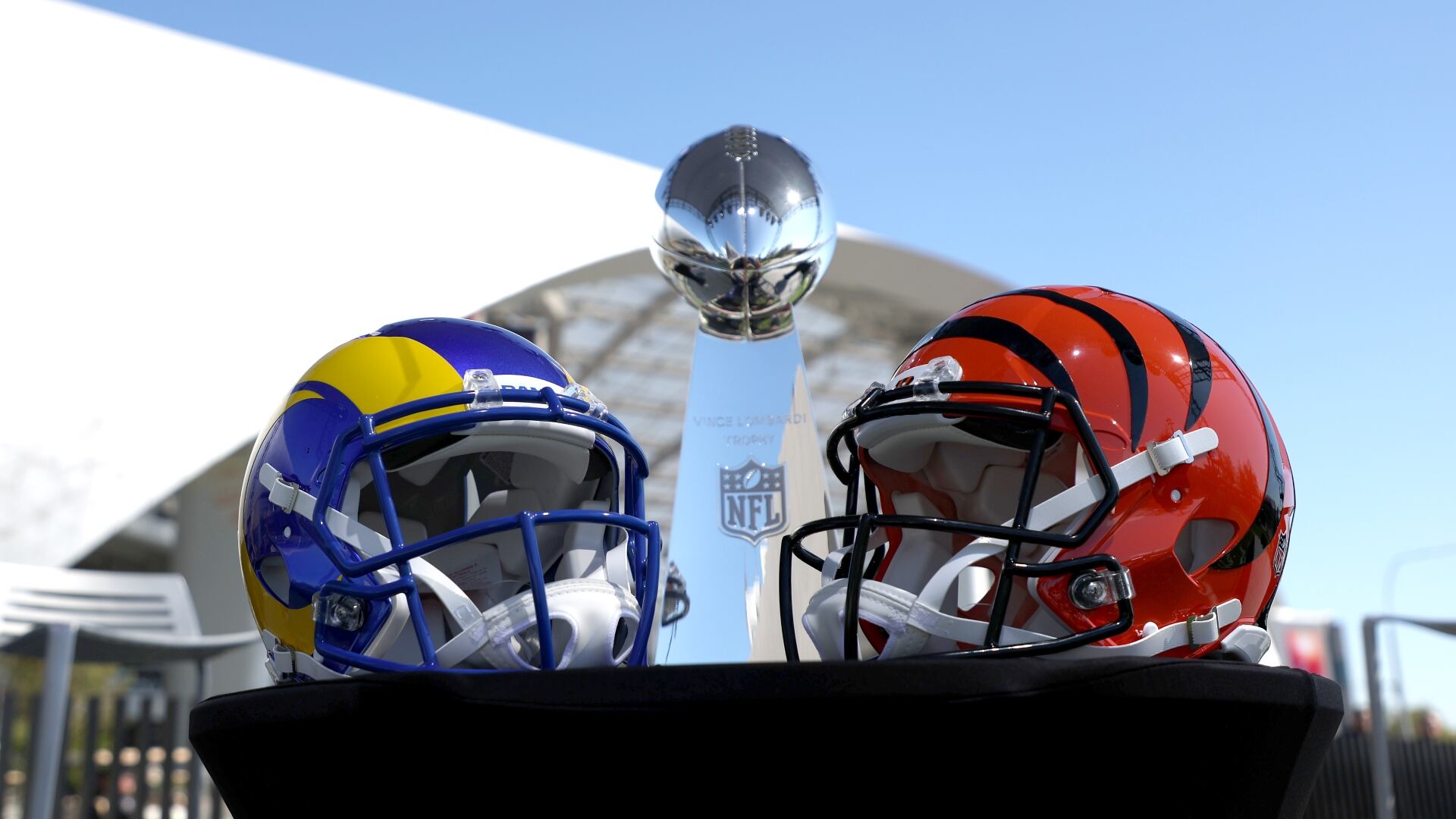
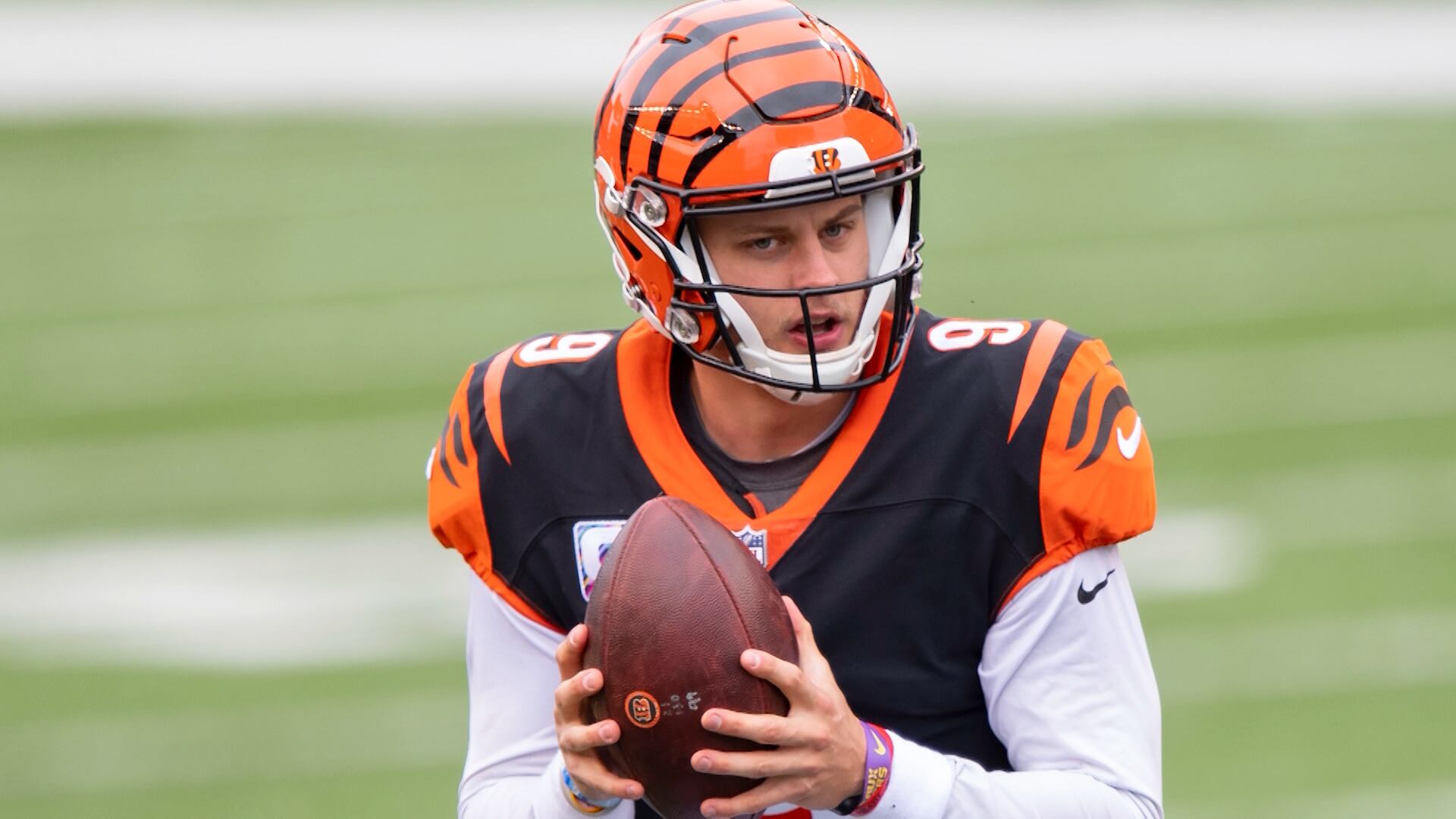
As the Cincinnati Bengals and Los Angeles Rams prep to face each other in the Big Game at SoFi Stadium in LA, 55 percent of a record number of bettors are projected to drop money on the Rams. Casey Clark, the senior vice president of strategic communications for the American Gaming Association, joined Cheddar News to share some data and predictions based on the greater interest in gambling on Super Bowl LVI. "You know that means that people are migrating away from the predatory illegal market and corner bookie and moving their action into the legal marketplace," he said. "So really encouraging for consumer protections and for those of us who might want to have a little action on the game."
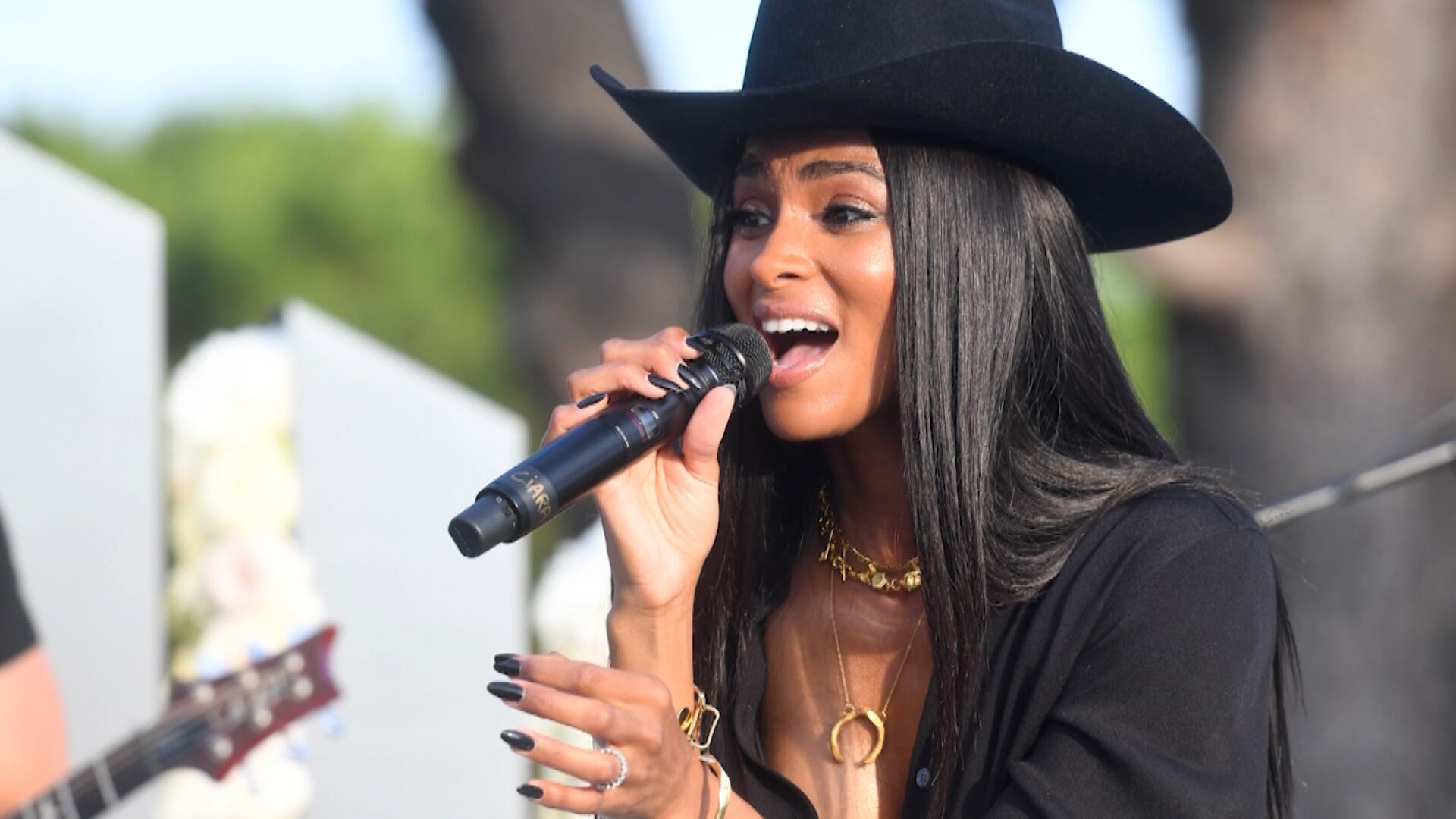
Facebook parent Meta and Grammy Award-winning singer Ciara have joined forces to help black female-owned small businesses. Selected businesses will receive marketing mentorship from Meta along with $100,000 to put into their brand. One such business, The Self Care Suite, is a platform that supports mental health, and founder Tara Pringle Jefferson, along with Irene Walker, Meta Elevate founder and program manager, joined Cheddar News to discuss the program. "Having this opportunity with Meta, with Ciara, really will allow us to focus on our virtual programming, to focus on our e-commerce shop, and, as we kind of adjust, to the new normal in 2022," said Pringle Jefferson.
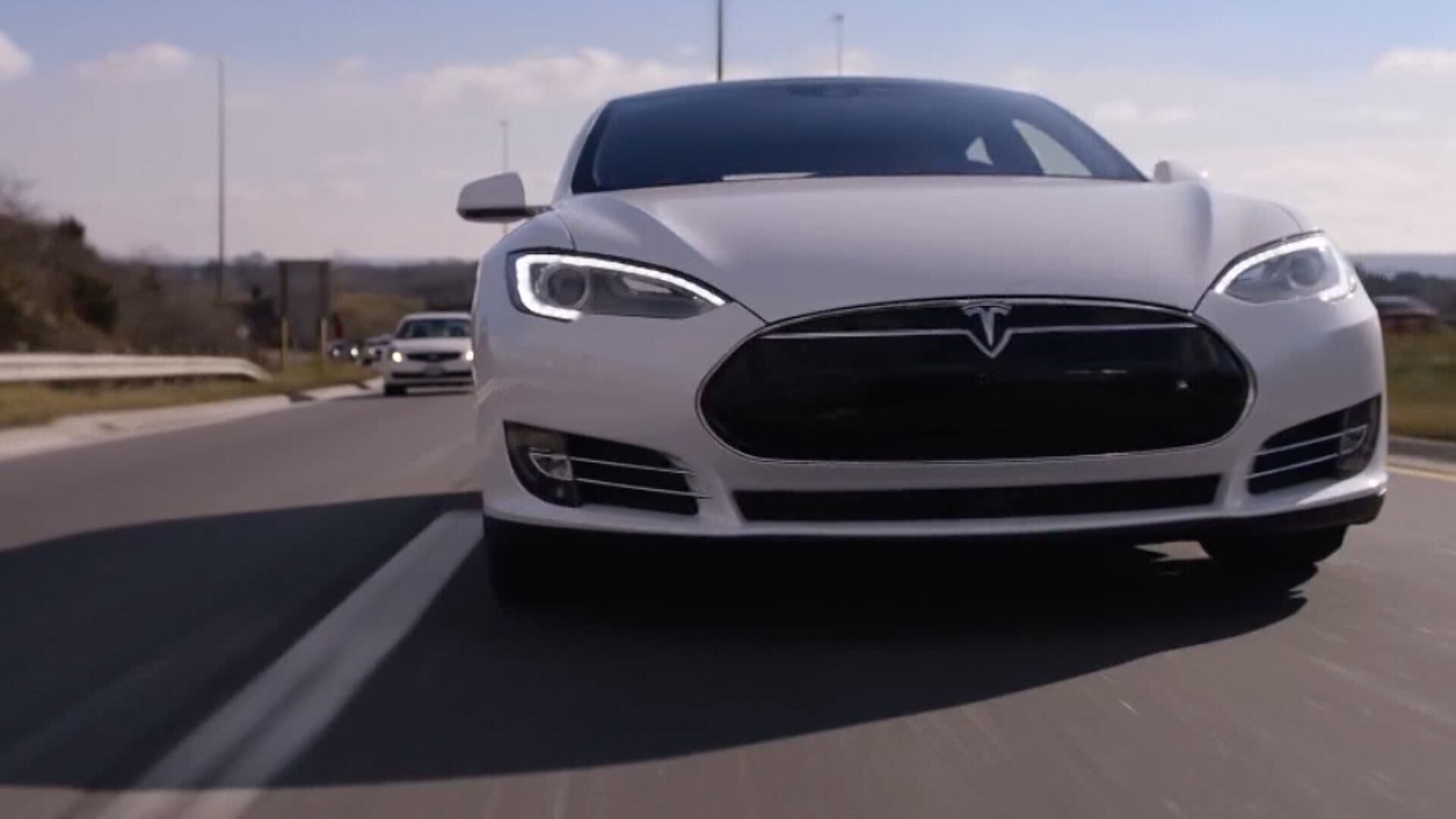
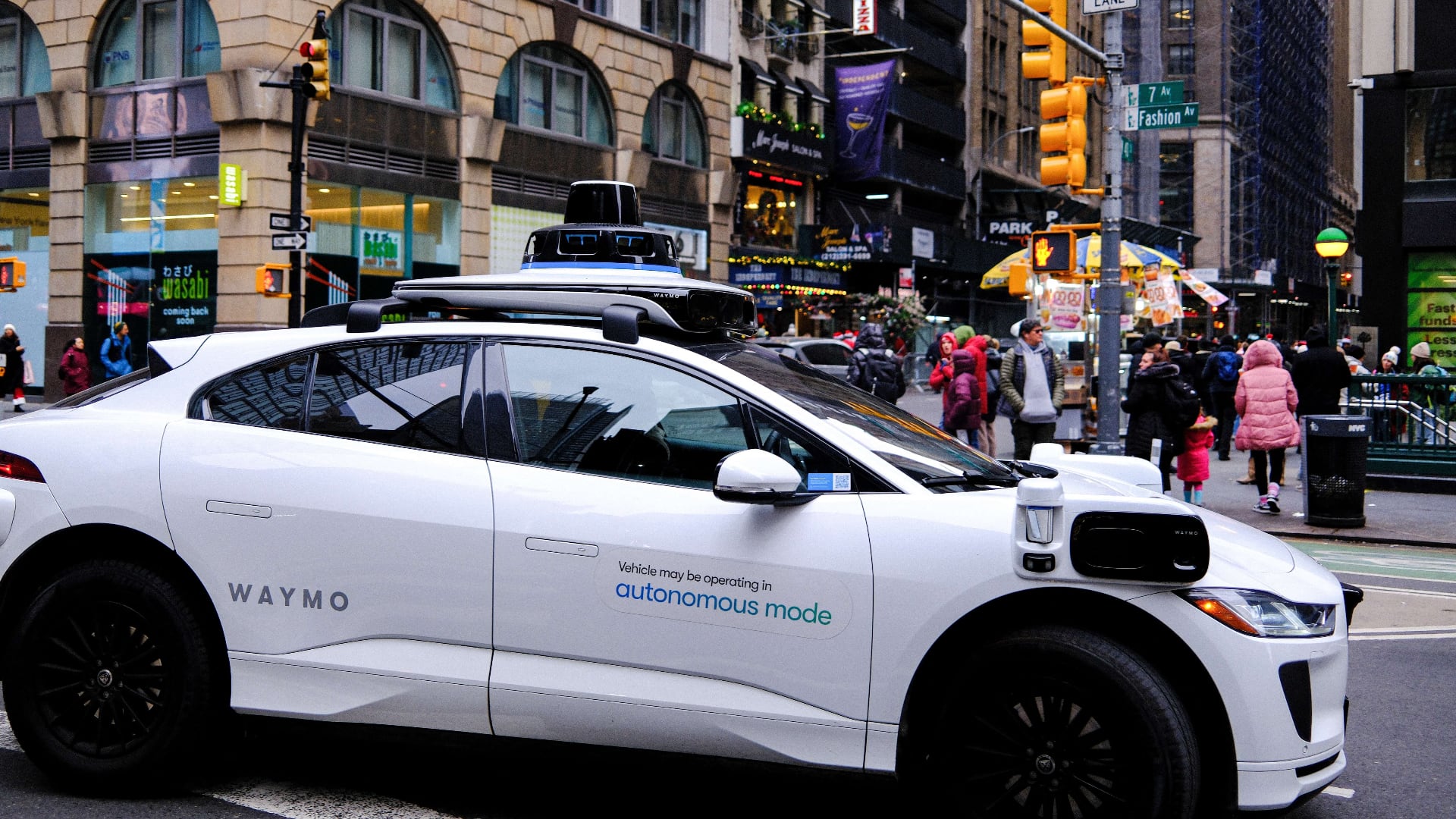
Tesla has been under mounting regulatory scrutiny by the NHTSA, and has issued numerous recalls, including four within the past two weeks. While the company has issued recalls over the years, the number seems to be increasing in recent months as the company issues fixes for seat belt chimes, pedestrian alerts, its self-driving software, and more. What's behind this uptick in recalls — and how might this impact brand loyalty? Al Root, Senior Writer at Barron's, joins Closing Bell to discuss.
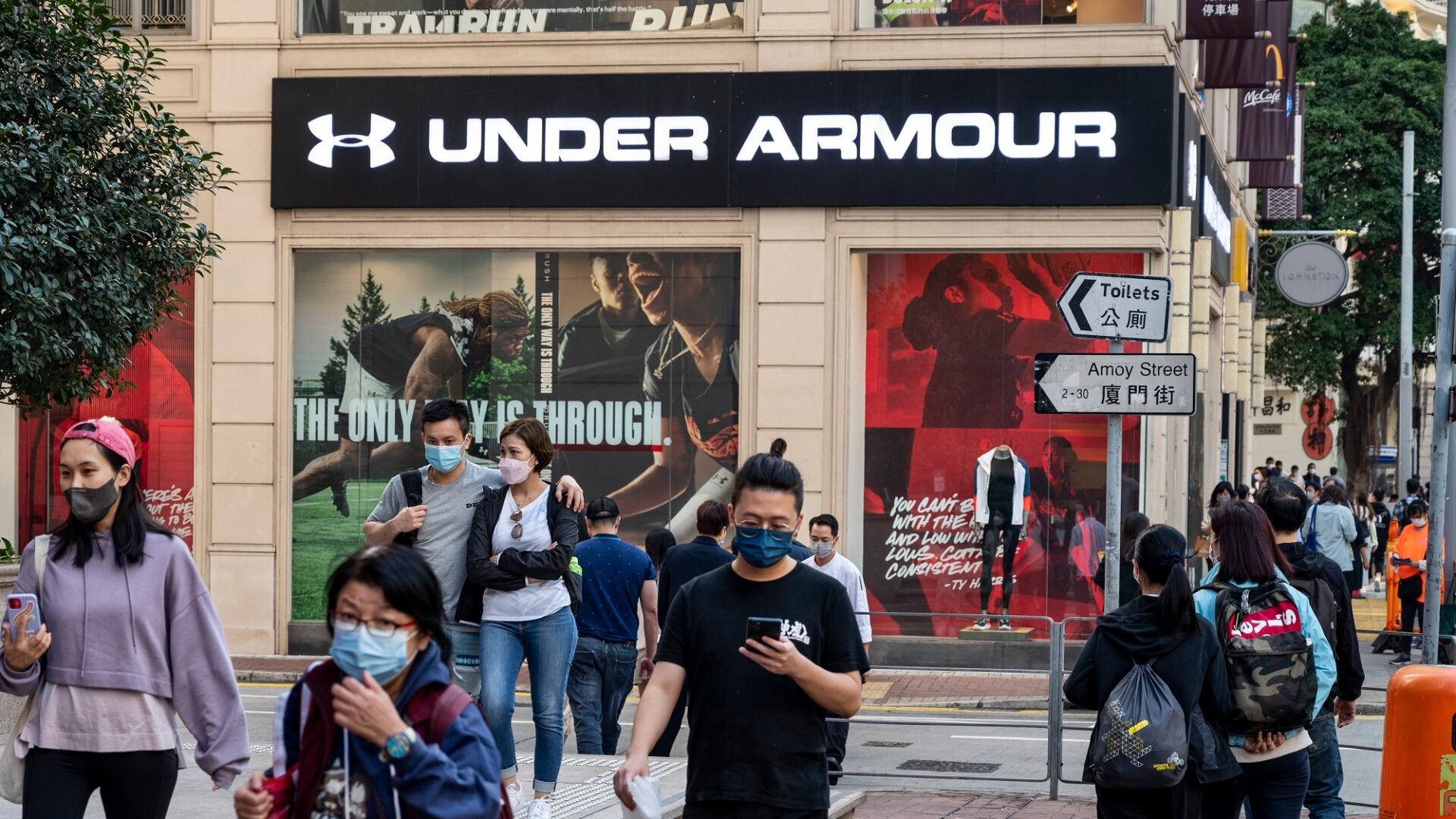
Under Armour released a successful Q4 earnings report amid supply chain issues. The apparel company said it invested in analytics to decipher what drives consumers to its brand. However, the company warned of potential supply problems going forward due to COVID.
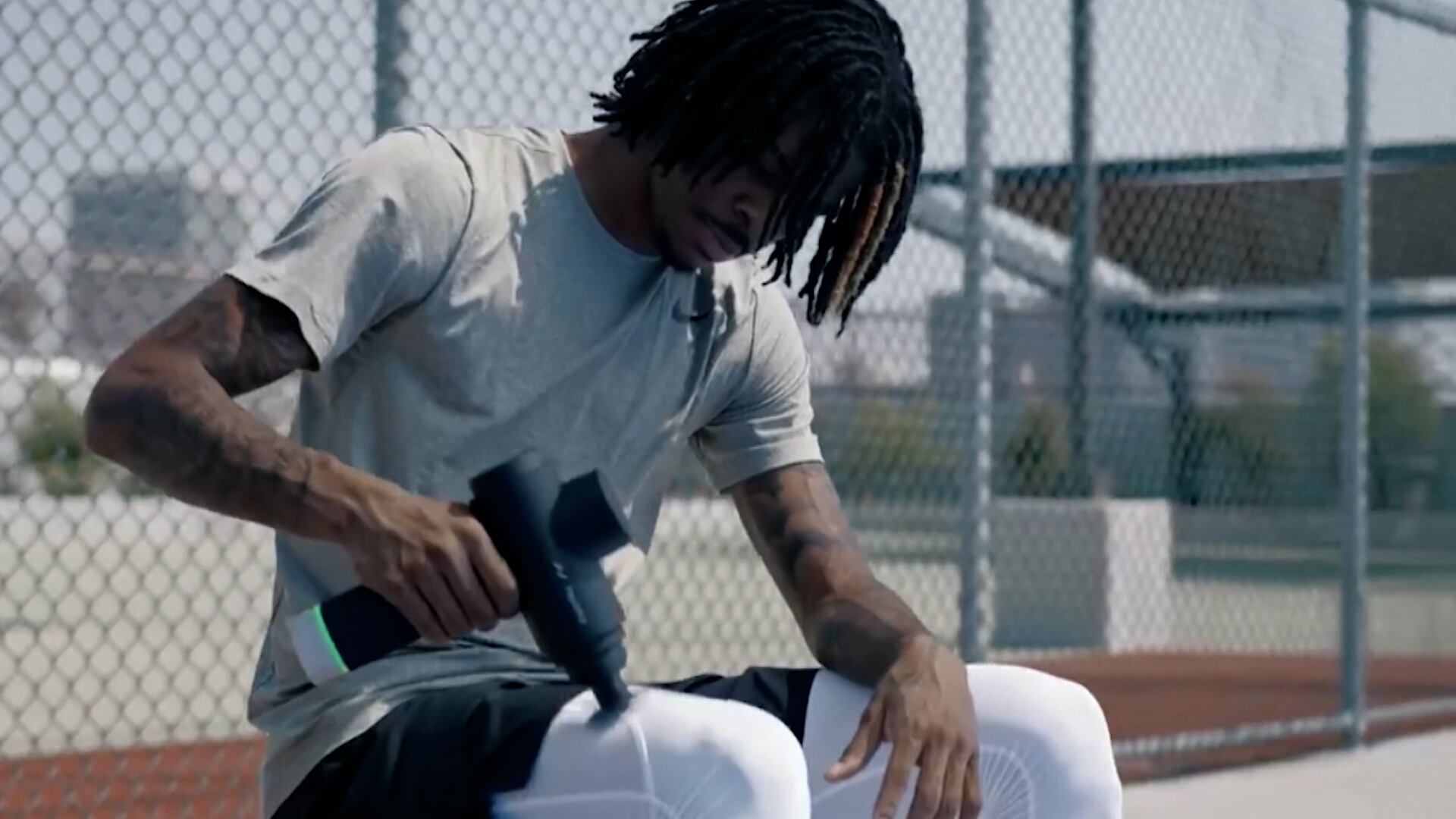
Hyperice is a technology company that specializes in physical recovery for athletes, and it's now partnering with the NFL. Christian McCaffrey, Carolina Panthers running back and Hyperice athlete-investor, and Jim Huether, Hyperice CEO, joined Cheddar News to discuss the partnership. "It's definitely for both for performance and for recovery, as somebody who plays a brutal sport and have to go through some of the unfortunate realities of injury," McCaffery said of the products. "You're always fighting for that 0.1 percent difference between winning and losing and and the little things and every second matters."