By Stan Choe
Stocks pulled back Tuesday in their first trading after a five-week rally carried Wall Street to its highest level since the spring of last year.
The S&P 500 fell 20.88 points, or 0.5%, to 4,388.71. The Dow Jones Industrial Average dropped 245.25, or 0.7%, to 34,053.87, and the Nasdaq composite lost 22.28, or 0.2%, to 13,667.29.
The U.S. stock market took a step back following many steps forward on hopes the economy can avoid a recession and inflation is easing enough for the Federal Reserve to stop raising interest rates soon. A frenzy around artificial intelligence has also vaulted a select group of tech stocks to huge gains.
Those hopes are battling against worries that stubborn inflation will force the Fed to keep interest rates higher for longer, which could grind down the economy. With some of the easiest improvements in year-over-year inflation soon to be lapped, a tougher road may be ahead for both the economy and financial markets.
“Leaning on the lessons of the 1970s, the Fed is right to be cautious, even if that represents an inconvenient truth for stock investors,” said Lisa Shalett, chief investment officer of Morgan Stanley Wealth Management.
During the 70s, inflation remained high for much longer than hoped, forcing the Fed to ultimately drive the economy into a painful recession by sharply hiking interest rates.
In China, meanwhile, the world’s second-largest economy is stumbling in its recovery following the relaxation of anti-COVID restrictions.
Stocks in Hong Kong tumbled 1.5% Tuesday after China’s central bank cut interest rates by less than some investors had hoped. Stocks in Shanghai slipped 0.5% amid disappointment Chinese authorities didn’t do more to support one of the world’s main drivers of economic growth.
One of China’s biggest corporations, Alibaba Group, also fell after it shook up its top management and announced a new chief executive officer. Its stock trading in the U.S. dropped 4.5%.
Tuesday marked the first trading for Wall Street following a meeting between Chinese leader Xi Jinping and U.S. Secretary of State Antony Blinken. It yielded no signs of progress from either of the world's largest economies on Taiwan, human rights, technology and other issues of contention.
Most of Wall Street fell, with four out of five stocks in the S&P 500 lower.
Worries about the global economy's strength dragged down prices for crude oil and stocks of companies that pull it from the ground. Energy stocks fell 2.3% for the largest loss among the 11 sectors that make up the S&P 500. Exxon Mobil fell 2.3%, and Chevron lost 2.3%.
Ball Corp., which makes aluminum cans and other products, dropped 4.2%. It said Tuesday that it's considering options for its aerospace business but that “there is no certainty that any formal decision will be made.” Its stock had jumped 7.2% Friday following a report that it was looking to sell the unit.
On the winning side was Dice Therapeutics, which soared 37.2% after Eli Lilly said it would buy the biopharmaceutical company for $2.4 billion in cash. Lilly added 0.9%.
Homebuilders rose after a report showed that U.S. homebuilders broke ground on many more sites last month than economists expected. The number of building permits, an indication of future activity, also accelerated faster than expected.
PulteGroup rose 1.9%, and D.R. Horton gained 1.6%.
In the bond market, the yield on the 10-year Treasury fell to 3.71% from 3.77% late Friday. It helps set rates for mortgages and other important loans.
The two-year yield, which moves more on expectations for the Fed, slipped to 4.68% from 4.72%.
This upcoming week doesn't have many potentially market-moving events coming off a Monday closure in observance of the Juneteenth national holiday.
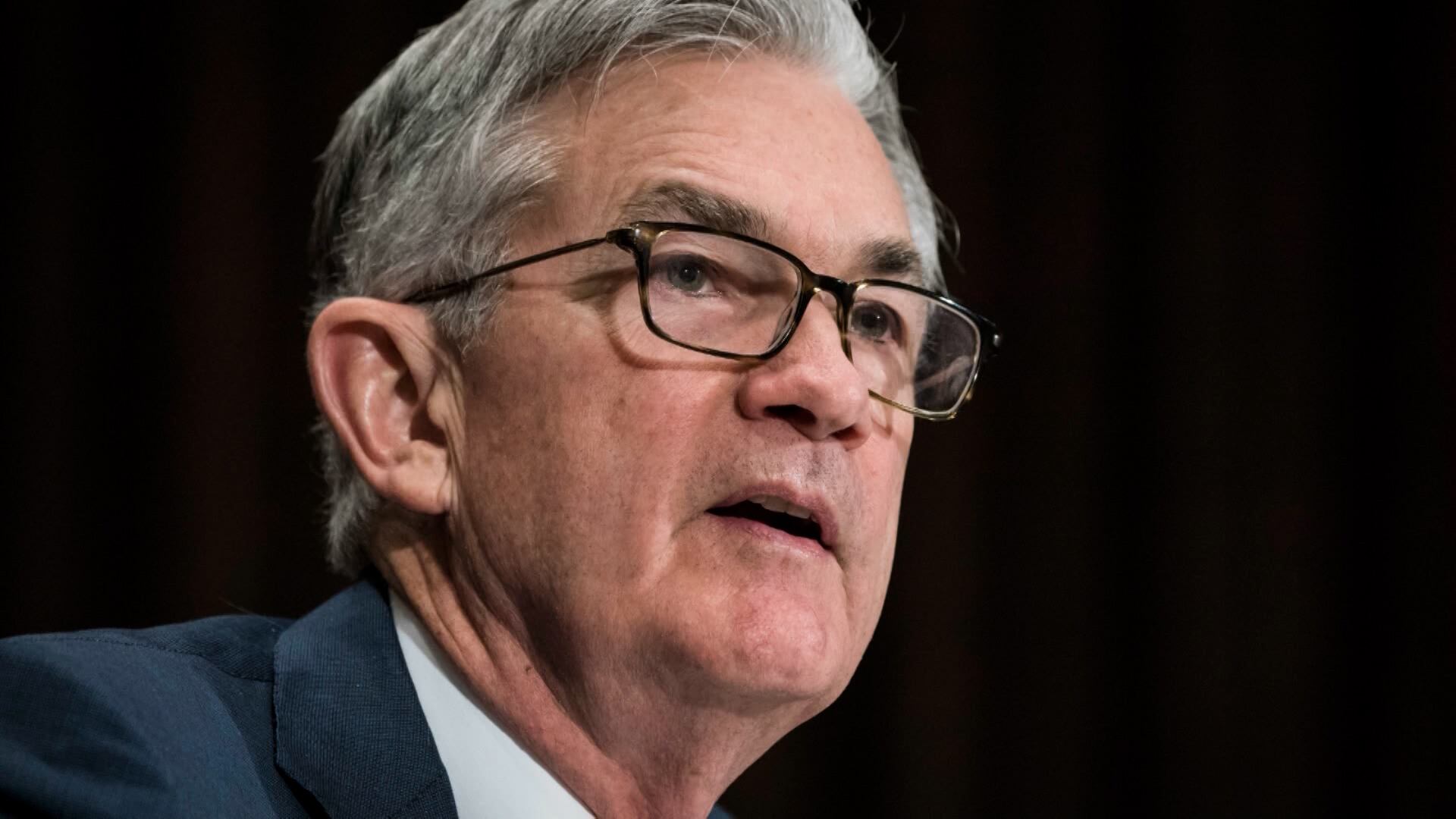
Fed Chair Jerome Powell will testify before Congress on Wednesday and Thursday. Last week, the Federal Reserve held its benchmark lending rate steady, the first time in more than a year that it didn't announce an increase. But it also warned it could raise rates twice more this year.
The Bank of England will meet on interest-rate policy Thursday. Central banks around the world are heading in diverging directions as they battle inflation amid worries about a pressured global economy.
AP Business Writers Yuri Kageyama and Matt Ott contributed.
Updated with the latest details.