By Stan Choe

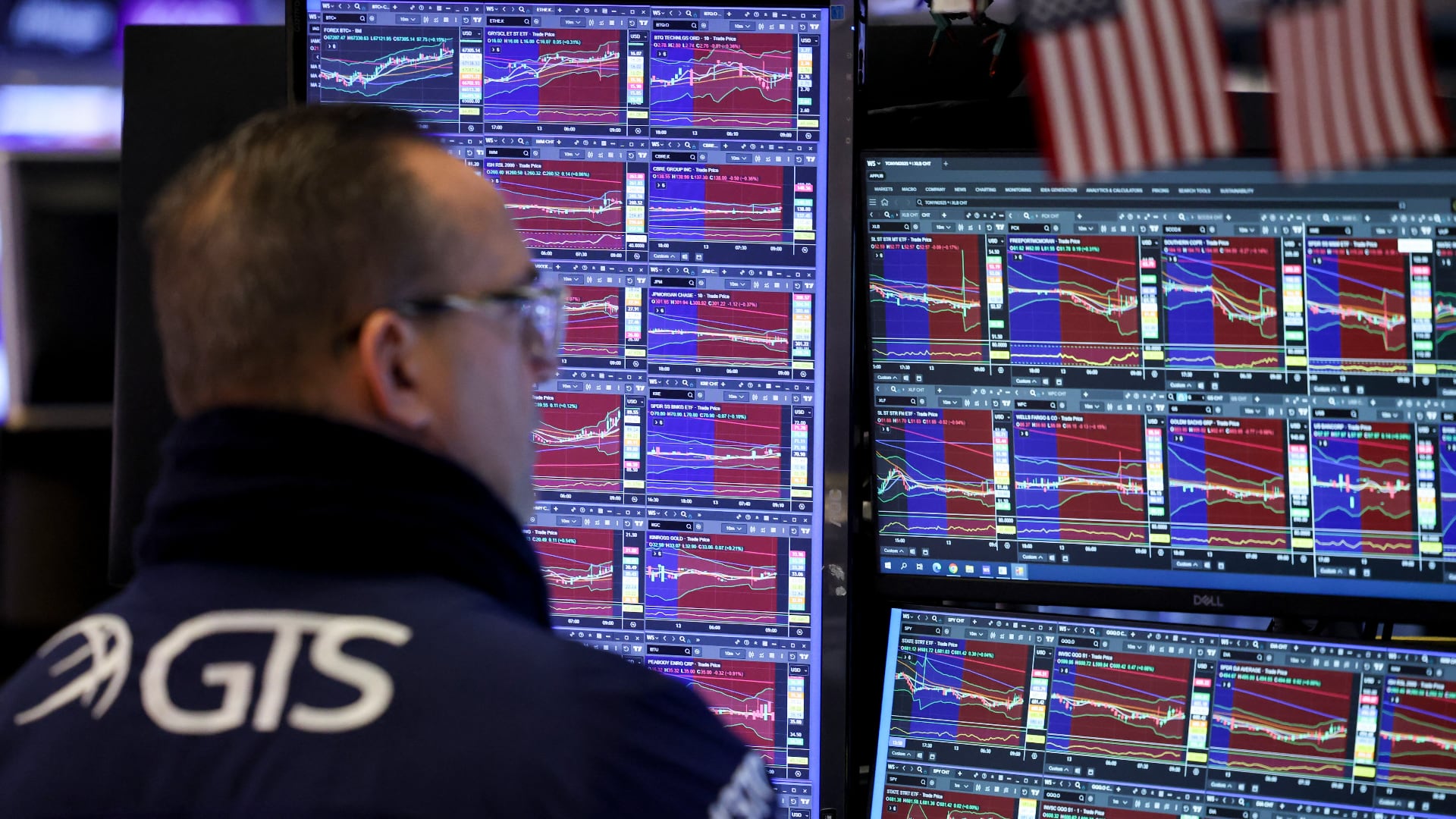
U.S. stocks drifted to a mixed finish Wednesday, as drops for Microsoft and other big-name tech stocks overshadowed gains across much of the rest of Wall Street.

The S&P 500 fell 16.33, or 0.4%, to 4,267.52 even though the majority of stocks within the index rose. The Dow Jones Industrial Average gained 91.74, or 0.3%, to 33,665.02, while the Nasdaq composite fell 171.52, or 1.3%, to 13,104.89.

Microsoft, Amazon, Nvidia and Alphabet all sank at least 3% and were the heaviest weights on the S&P 500. Because they're some of Wall Street's most valuable stocks, their movements pack extra punch on the index.

It's a reversal from much of this year, where a narrow group of high-growth stocks led the way on hopes for easier interest rates from the Federal Reserve and excitement around artificial intelligence. But tech stocks are seen as some of the hardest hit by higher interest rates, and yields were on the rise in the Treasury market.

Yields climbed after the Bank of Canada raised its policy interest rates on Wednesday, surprising some investors after it had left rates steady since January. The Fed will make its own decision on rates next week.

Campbell Soup, meanwhile, sank 8.9% after reporting weaker revenue for the latest quarter than expected. It also gave a forecast for earnings that fell short of analysts’ expectations, as price increases push some customers to buy less.

But much of the rest of the market rose as the gains on Wall Street broaden out some. The Russell 2000 index of smaller stocks jumped 1.8% to continue its hot streak since a stronger-than-expected report on hiring last week suggested a recession may be further off than feared.

On the winning side of Wall Street was Dave & Buster’s, which jumped 18.3% after reporting stronger profit for the latest quarter than expected.

Brown-Forman rose 4% after the spirits company reported stronger profit than expected for the latest quarter, thanks in part to growth for its Woodford Reserve brand.

The market in general has climbed for months thanks to a resilient economy that’s managed to defy predictions for a recession. But the threat still looms, and Wall Street is questioning which will come first: a recession or inflation falling enough to get the Federal Reserve to cut interest rates?

That’s why much of Wall Street’s focus is on next week. The U.S. government is scheduled to release the latest monthly updates on inflation at the consumer and wholesale levels. The Federal Reserve will also announce its latest move on interest rates Thursday.

The dominant expectation among traders is for the Fed to leave rates steady next week. That would mark the first meeting in more than a year where it hasn’t hiked rates. But traders still expect the Fed to resume raising rates in July.

That’s key because the goal of high interest rates is to corral high inflation by slowing the entire economy and hurting prices for stocks, bonds and other investments. The Fed has hiked its benchmark overnight interest rate to the highest level since 2007.

Pressure from high rates have already caused cracks in the U.S. banking and manufacturing industries, though the job market has remained remarkably solid.

One expected boost to the global economy has not come through, which has added to the pressure. In China, trade data pointed to a further slowing of the world's second-largest economy.

China reported its exports fell 7.5% from a year earlier in May and imports were down 4.5%, adding to signs of a slowing of its economic recovery following the lifting in December of anti-COVID controls that disrupted travel and commerce.

The decline in exports was the first year-on-year drop in three months, with export volumes falling below their levels at the start of the year. “And with the worst yet to come for many developed economies, we think exports will decline further before bottoming out later this year,” Julian Evans-Pritchard of Capital Economics said in a commentary.

Stocks in Shanghai gained 0.1%, while Hong Kong's Hang Seng rose 0.8%.

Tokyo’s Nikkei 225 index lost 1.8%, the sharpest decline in 12 weeks. Analysts said investors were selling to lock in recent gains since prices have risen to their highest level since the early 1990s.

In the bond market, the yield on the 10-year Treasury rose to 3.78% from 3.68% late Tuesday. It helps set rates for mortgages and other important loans.

The two-year yield, which moves more on expectations for the Fed, rose to 4.55% from 4.50%.

AP Business Writers Matt Ott and Elaine Kurtenbach contributed.

Share:
More In Business
What's on the Horizon For Climate Initiatives in 2022?
The United Nations Secretary-General said this year that his agency's warning about climate change was a 'code red for humanity.' So how will political pledges to lower emissions, increase green energy, and ramp up electric vehicle infrastructure play out, and can we reverse some climate damage next year? Vijay Vaitheeswaran, Global energy & climate innovation editor for The Economist, and host of 'To a Lesser Degree,' The Economist’s podcast on climate change, joins Cheddar Climate to discuss what we can look ahead to in 2022, including global policy shifts and investments from the private and public sectors, holding global leaders accountable, and more.
Global Rescue Helping Travelers in Natural Disasters
In recent years, extreme weather events like flooding and wildfires have become more frequent, and more severe - and scientists say global warming is to blame. Climate crises could leave people in need of help, and that's where Global Rescue steps in. The crisis response firm employs former Navy Seals and Army Rangers to rescue travelers from climate-related emergencies. Global Rescue CEO Dan Richards joins Cheddar Climate to discuss.
Grammarly Raises $200 Million for Product Innovation and Team Growth
Cloud-based AI-powered writing assistant Grammarly recently raised $200 million in a funding round that values the company at $13 billion. The funding will be used to help Grammarly achieve its goal of becoming more ubiquitous, as the company says it wants to be the go-to writing assistant for wherever people type. Grammarly also says it aims to solve what it calls one of the most critical problems facing people and businesses today -- ineffective communication. Grammarly global head of product Rahul Roy-Chowdhury joins Cheddar News' Closing Bell to discuss.
UK Block of Meta's Giphy Deal Could Signal Future Acquisition Difficulties for Big Tech
The Competition and Markets Authority in the UK moved to block Facebook parent company Meta from acquiring the image sharing platform Giphy after saying advertisers and consumers would be adversely impacted. Hatem Dhiab, managing partner at Gerber Kawasaki Wealth & Investment, joined Cheddar to break down the decision and noted that the CMA's order could also halt other big tech firms from making similar purchases in the future. "I think this is going to be true for Facebook, it's going to happen for other big tech companies — Amazon, perhaps Google, so it's interesting that the UK is starting this wave," he said.
CODE (RED) Campaign Tackles COVID-19 and AIDS Relief on Giving Tuesday
Jennifer Lotito, president and COO at the non-profit (RED), joined Cheddar to discuss the CODE (RED) campaign as the organization looks to expand its mission to support both AIDS and COVID-19 relief. She explained that people can get involved in the campaign for Giving Tuesday and ahead of World AIDS Day by shopping (RED) branded products and even using credit card rewards points to add their own support. Lotito also pointed out that COVID-19 has also impacted HIV testing as people avoid clinics out of fear of the other pandemic.
Jack Dorsey Logs Off As the CEO of Twitter
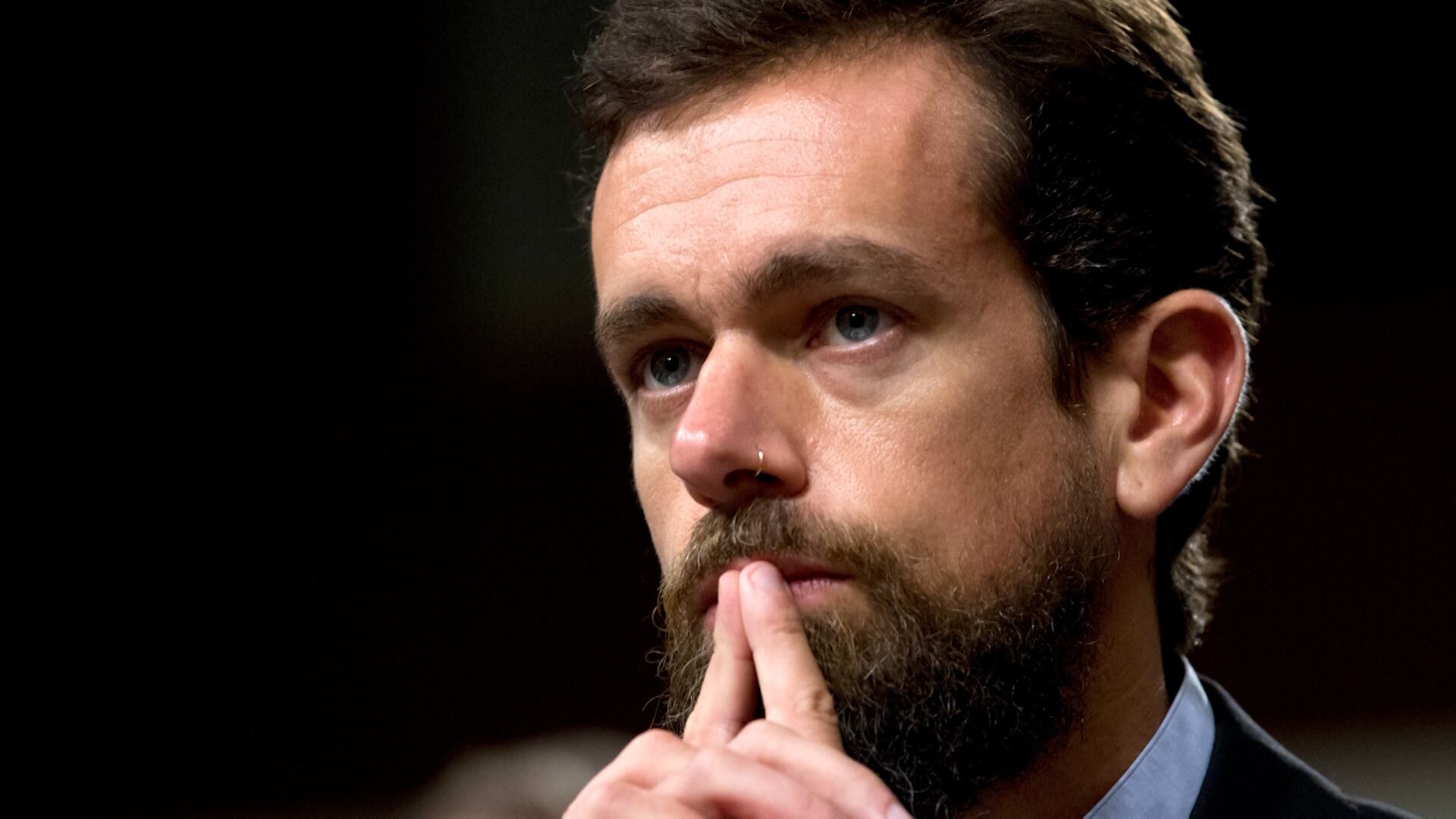
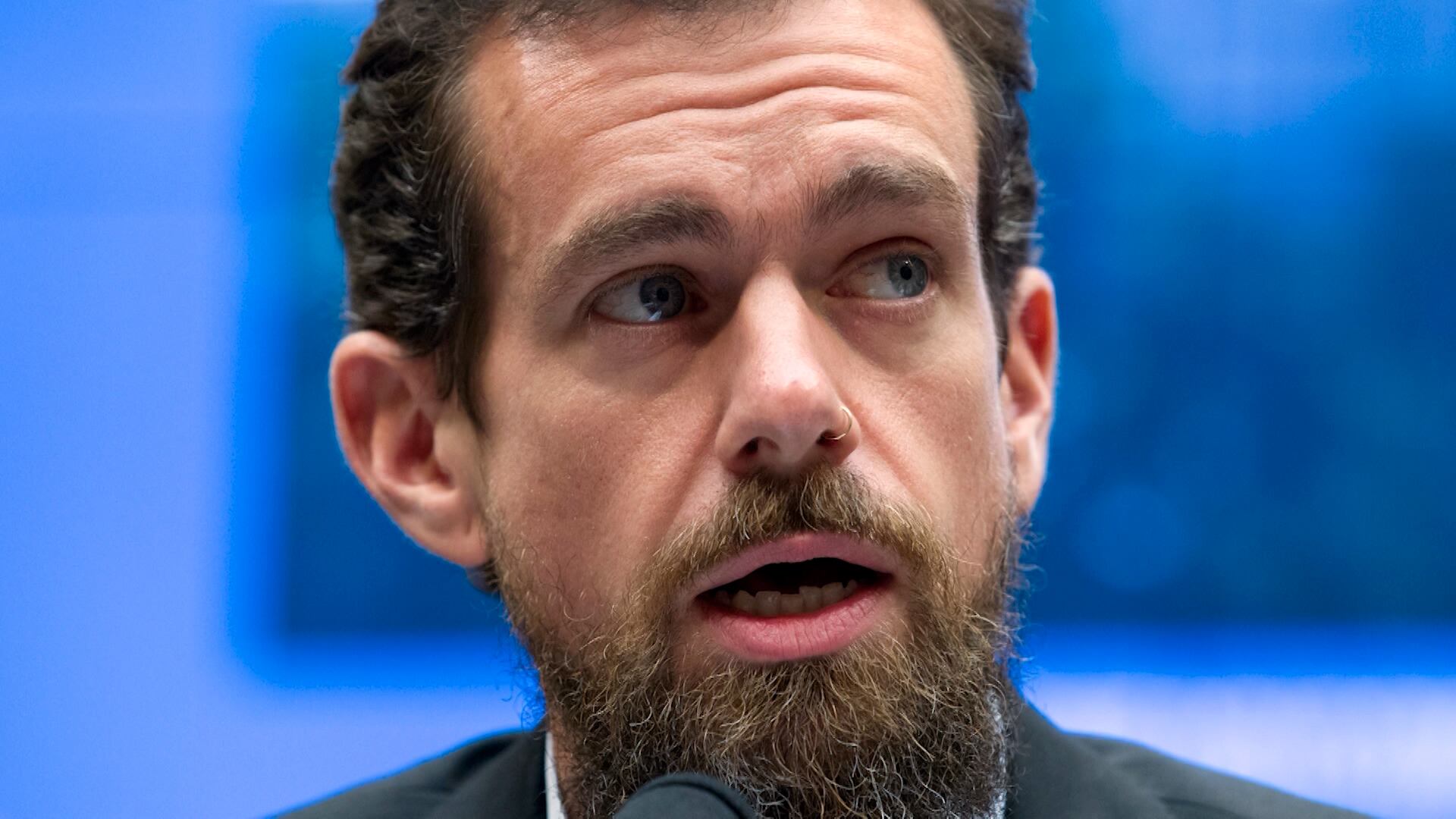
Jack Dorsey has officially stepped down as CEO of Twitter. In a statement -- he says he is leaving because the company is ready to move on from its founders. Tom Morton, Global Chief Strategy Officer, R/GA joined Cheddar's Opening Bell to discuss the implications of the move.
NY Islanders Move into Brand New UBS Arena
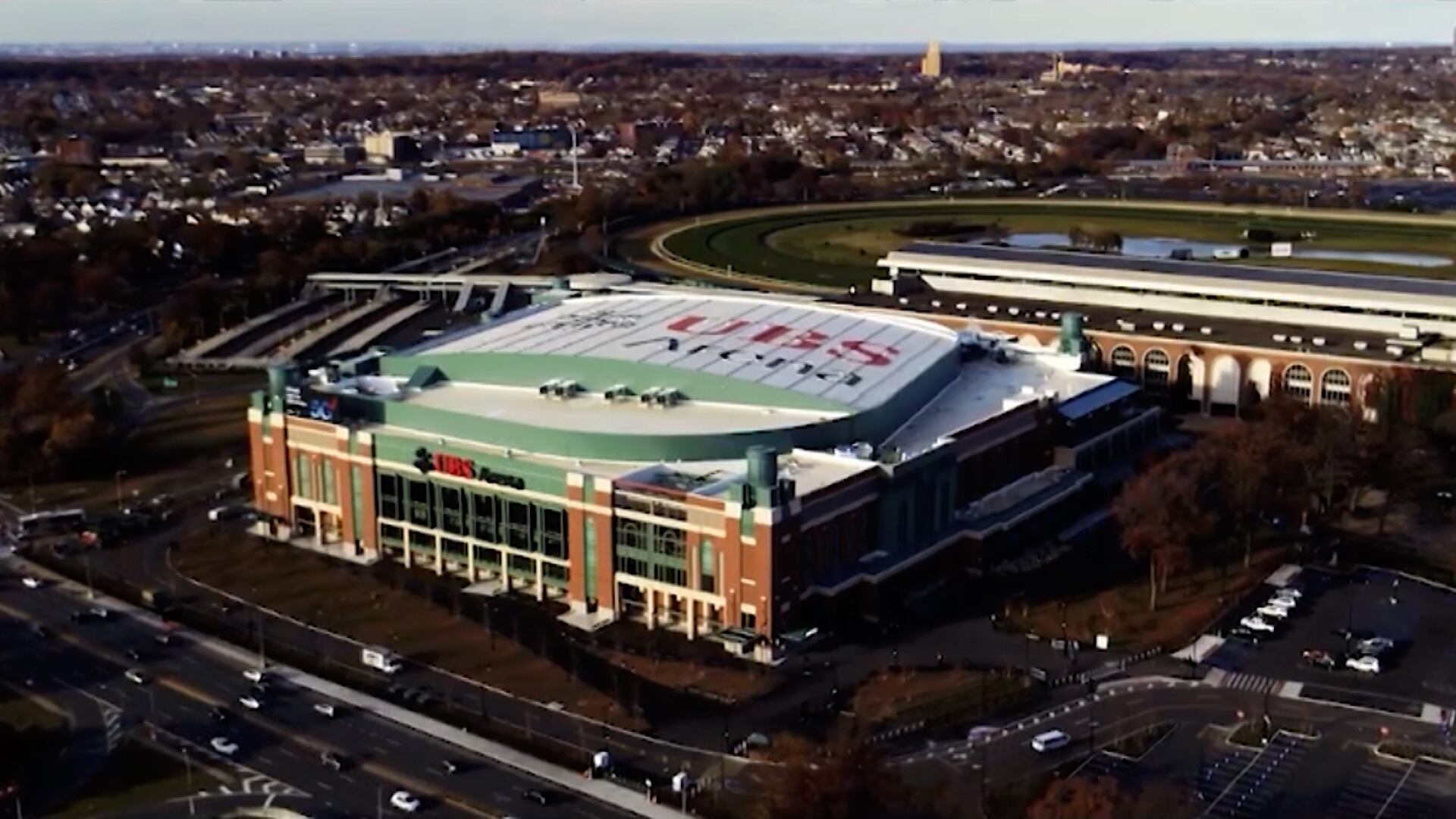
After a nearly 30-year saga, the New York Islanders have officially found a new home. The NHL team kicked off their very first game at the state of the art UBS arena earlier this month, bringing fans together in Belmont Park, NY. The over $1 billion dollar project comes as the city attempts to return to normalcy. Tom Naratil, President of the Americas at UBS and Jon Ledecky Co-Owner of the New York Islanders joined Cheddar's Opening Bell to discuss the new beginning.
Walmart CEO Praises Biden Efforts to Ease Supply Chain Bottlenecks
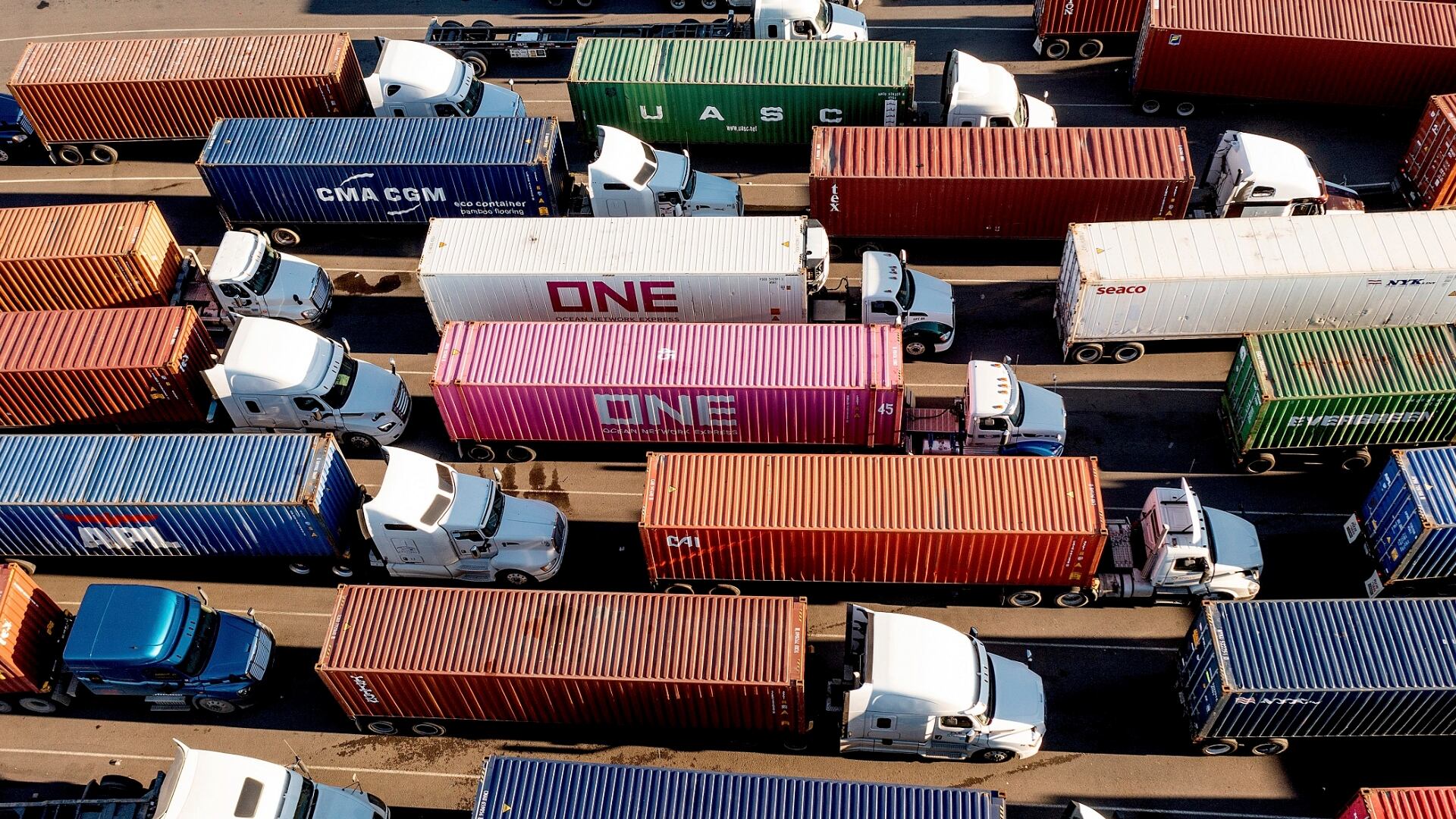
Walmart CEO Dough McMillon praised the Biden administration's efforts to ease supply chain constraints after the company saw a 26 percent jump in shipments over the last month. President Joe Biden had announced back in October that California ports would operate on a 24/7 basis.
Jack Dorsey Was Only a 'Part-Time CEO' Prior to Stepping Down From Twitter
Mike Proulx, VP and research director at Forrester, joined Cheddar to talk about what Jack Dorsey's departure from Twitter as CEO means for the social media platform. He noted that while Dorsey had been the face of the company, "he's been a part-time CEO" since also taking on the leadership position at Square. Stepping down from leading Twitter allows his replacement Parag Agrawal, the former CTO, to be a dedicated leader of the company. However, Proulx noted that Agrawal faces headwinds on policy and political ramifications that will come with the job.
Load More