By Stan Choe

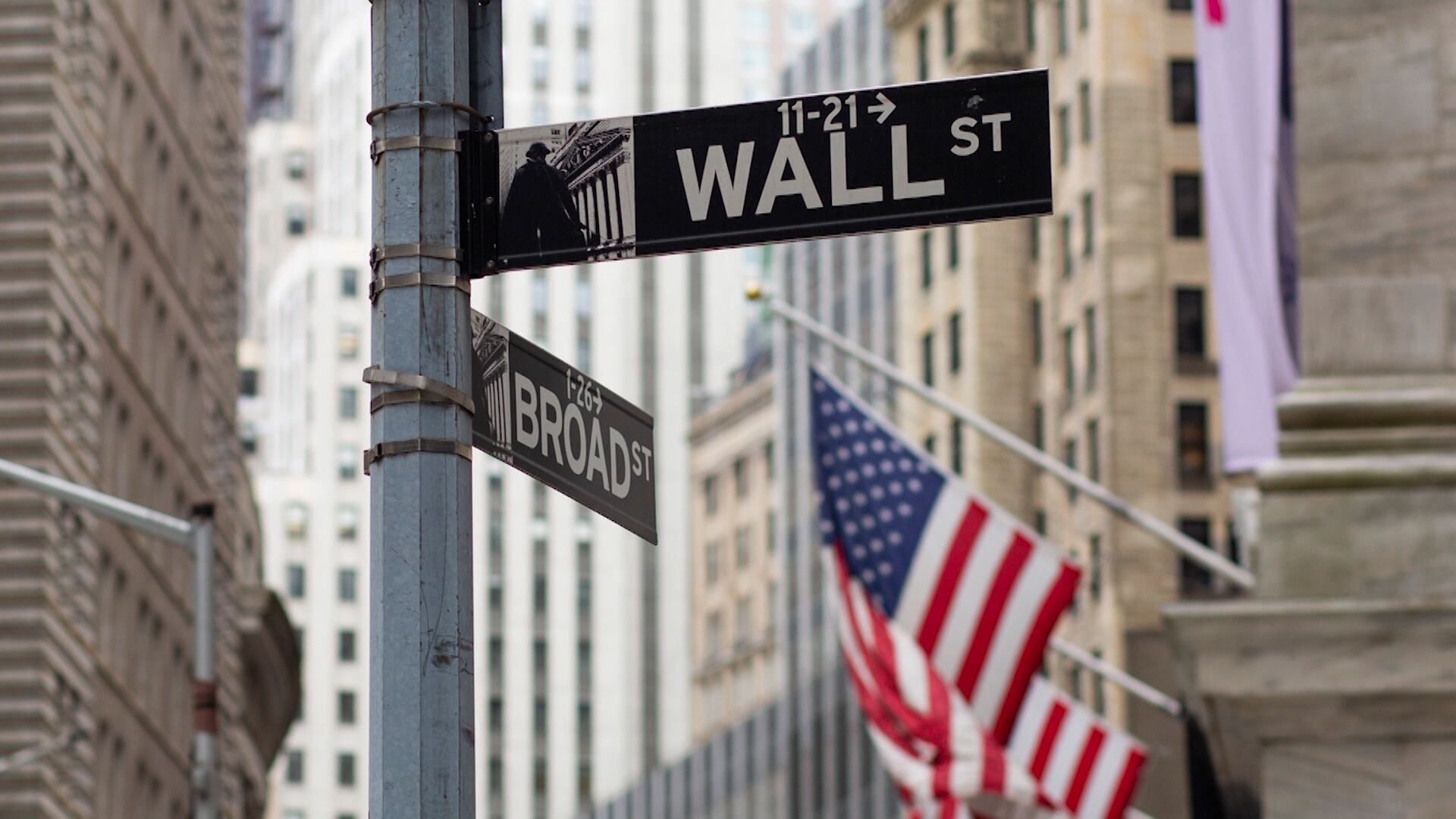
U.S. stocks drifted to a mixed finish Wednesday, as drops for Microsoft and other big-name tech stocks overshadowed gains across much of the rest of Wall Street.

The S&P 500 fell 16.33, or 0.4%, to 4,267.52 even though the majority of stocks within the index rose. The Dow Jones Industrial Average gained 91.74, or 0.3%, to 33,665.02, while the Nasdaq composite fell 171.52, or 1.3%, to 13,104.89.

Microsoft, Amazon, Nvidia and Alphabet all sank at least 3% and were the heaviest weights on the S&P 500. Because they're some of Wall Street's most valuable stocks, their movements pack extra punch on the index.

It's a reversal from much of this year, where a narrow group of high-growth stocks led the way on hopes for easier interest rates from the Federal Reserve and excitement around artificial intelligence. But tech stocks are seen as some of the hardest hit by higher interest rates, and yields were on the rise in the Treasury market.

Yields climbed after the Bank of Canada raised its policy interest rates on Wednesday, surprising some investors after it had left rates steady since January. The Fed will make its own decision on rates next week.

Campbell Soup, meanwhile, sank 8.9% after reporting weaker revenue for the latest quarter than expected. It also gave a forecast for earnings that fell short of analysts’ expectations, as price increases push some customers to buy less.

But much of the rest of the market rose as the gains on Wall Street broaden out some. The Russell 2000 index of smaller stocks jumped 1.8% to continue its hot streak since a stronger-than-expected report on hiring last week suggested a recession may be further off than feared.

On the winning side of Wall Street was Dave & Buster’s, which jumped 18.3% after reporting stronger profit for the latest quarter than expected.

Brown-Forman rose 4% after the spirits company reported stronger profit than expected for the latest quarter, thanks in part to growth for its Woodford Reserve brand.

The market in general has climbed for months thanks to a resilient economy that’s managed to defy predictions for a recession. But the threat still looms, and Wall Street is questioning which will come first: a recession or inflation falling enough to get the Federal Reserve to cut interest rates?

That’s why much of Wall Street’s focus is on next week. The U.S. government is scheduled to release the latest monthly updates on inflation at the consumer and wholesale levels. The Federal Reserve will also announce its latest move on interest rates Thursday.

The dominant expectation among traders is for the Fed to leave rates steady next week. That would mark the first meeting in more than a year where it hasn’t hiked rates. But traders still expect the Fed to resume raising rates in July.

That’s key because the goal of high interest rates is to corral high inflation by slowing the entire economy and hurting prices for stocks, bonds and other investments. The Fed has hiked its benchmark overnight interest rate to the highest level since 2007.

Pressure from high rates have already caused cracks in the U.S. banking and manufacturing industries, though the job market has remained remarkably solid.

One expected boost to the global economy has not come through, which has added to the pressure. In China, trade data pointed to a further slowing of the world's second-largest economy.

China reported its exports fell 7.5% from a year earlier in May and imports were down 4.5%, adding to signs of a slowing of its economic recovery following the lifting in December of anti-COVID controls that disrupted travel and commerce.

The decline in exports was the first year-on-year drop in three months, with export volumes falling below their levels at the start of the year. “And with the worst yet to come for many developed economies, we think exports will decline further before bottoming out later this year,” Julian Evans-Pritchard of Capital Economics said in a commentary.

Stocks in Shanghai gained 0.1%, while Hong Kong's Hang Seng rose 0.8%.

Tokyo’s Nikkei 225 index lost 1.8%, the sharpest decline in 12 weeks. Analysts said investors were selling to lock in recent gains since prices have risen to their highest level since the early 1990s.

In the bond market, the yield on the 10-year Treasury rose to 3.78% from 3.68% late Tuesday. It helps set rates for mortgages and other important loans.

The two-year yield, which moves more on expectations for the Fed, rose to 4.55% from 4.50%.

AP Business Writers Matt Ott and Elaine Kurtenbach contributed.
Share:
More In Business
Tickets to Super Bowl This Year Most Expensive in History
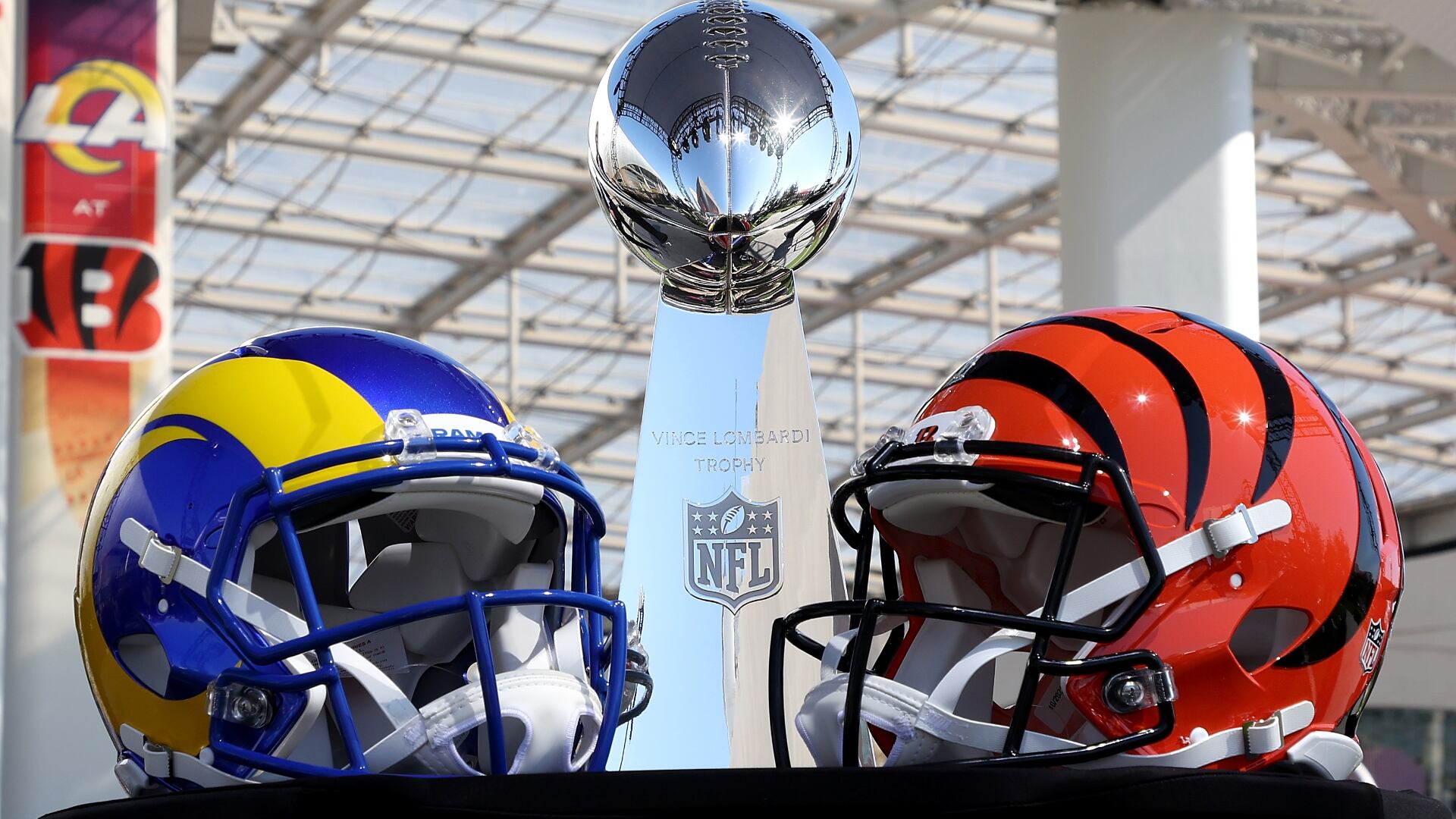
The Super Bowl is only a few days away, and the game is currently tracking to be the most expensive one ever. Gametime, a website and app for last-minute tickets, says the average ticket price for the NFL's championship game is $9,502.50, with the most expensive seats costing nearly $38,000. That's a far cry away from the average ticket price of the first-ever Super Bowl in 1967, which was only $12. The average ticket price increased by more than $8,000 in just the past decade. Matt Rados, Senior Operations Manager at Gametime, joins Cheddar News' Closing Bell to discuss.
Betterment Dives into Crypto Space, Acquires Makara
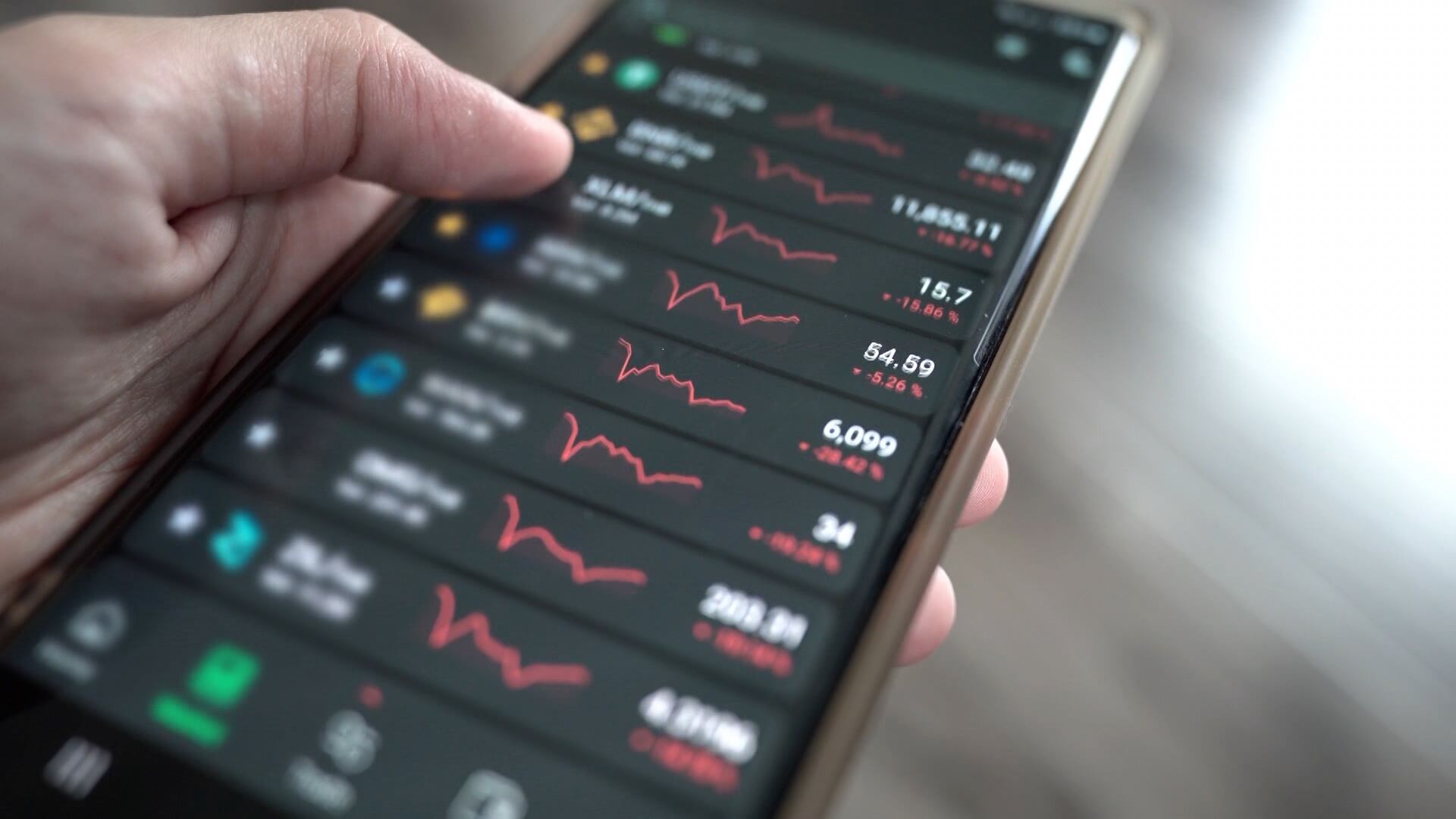
Earlier this week, digital investment advisor Betterment announced that it has hired Makara, a company known for its management of cryptocurrency portfolios. Sarah Levy, CEO of Betterment, joins Cheddar News' Closing Bell, where she explains why crypto represents such a promising long-term play and how her company stands to benefit from this latest move.
Getlabs Raises $20 Million to Expand At-Home Lab Appointments Nationwide and Launches API
At-home medical labs company Getlabs raised $20 million in a Series A round, led by Emerson Collective and the Minderoo Foundation. Getlabs aims to be the boots-on-the-ground partner to telehealth. The company says more than 70% of medical decisions still require collecting diagnostic tests in person, and that it fills that void by delivering health care directly to their patients' homes. Founder & CEO of Getlabs Kyle Michelson joined Cheddar News' Closing Bell to discuss.
Biden Admin $5B EV Charging Station Investment to Build Out Highway Corridors
The White House laid out plans for a $5 billion investment into a national network of charging stations to ease EV driving anxiety. Bruce Brimacombe, CEO of EV infrastructure GOe3 joined Cheddar News to discuss how much needs to be done for drivers to get over the fear of running out of energy. "People need to be able to do what they're doing now," he said. "But that is the way that if you're going to buy an electric car, you got to feel like you're not changing your world." Brimacombe noted that building out the infrastructure between cities was GOe3's own focus.
Canada trucker protests hurts U.S. auto industry
U.S. automakers are saying that the blockade of the Ambassador Bridge, a crucial border crossing between the U.S. and Canada, is affecting their production lines. Michelle Krebs of Cox Automotive warns that the disruption "couldn't come at a worst time," amid chip and labor shortages in Detroit. AND DETROIT-BASED AUTO MAKERS SAY THEY ARE SHUTTING DOWN PLANTS OR SCALING BACK PRODUCTION BECAUSE OF PARTS SHORTAGES.
Smart Speaker Maker Sonos CFO on Earnings Beat, Future After Pandemic
Sonos reported better than expected Q1 earnings amid chip shortage with the release of its Roam product. CFO Brittany Bagley joined Cheddar News to discuss the smart speaker maker's successful report and its plans to hit its 2024 targets as people leave their homes as pandemic restrictions ease. "Even as people head out in the world, it doesn't mean they don't like to listen to music at home or watch a streaming movie at home," she said. "So there's still a real role for us and our products in peoples lives, sort of, no matter what else they're doing."
WarnerMedia on Track for CNN Plus, NFTs Following Discovery Deal Approval
The merger of WarnerMedia and Discovery received Justice Department approval on Wednesday, and Patty Hirsch, EVP of consumer and digital platforms at WarnerMedia, joined Cheddar News to discuss current and future offerings from the media conglomerate that will control both HBO Max and Discovery+. "Content really drives so much, and CNN has always had a very long history of creating an incredible documentaries, incredible content … and this service I think is going to ultimately provide the kind of content consumers want and the kind of content that consumers are going are going to pay for," she said. Hirsch also discussed NFTs in use through its Turner Sports and DC brands.
Fearless Fund Helps WOC-Led Businesses Bridge the Funding Gap
Black entrepreneurs lead the way in the creation of new businesses, but they often cannot get the necessary funding to get their business off the ground. The Fearless Fund is on a mission to change that, and help Black business owners get venture capital. The fund also offers a unique grant program meant to help entrepreneurs with growth, peer coaching, and more, including grants between $10,000 and $20,000. Arian Simone, Co-Founder and General Partner of Fearless Fund, joins Closing Bell to discuss the Fund's mission, how it helps Black entrepreneurs, and more.
Load More