Spotify has entered 2018 with a bang. Yesterday, news broke that Spotify was being hit with a $1.6 billion lawsuit. Then today, AXIOS reported that Spotify had filed IPO documents with the SEC at the end of December. The two journalists who broke these stories join Cheddar to break down the news and what's in store for Spotify.
Dan Primack of AXIOS explains that the company is pursuing a direct listing. This creates a unique path for the tech company that is distinctly different from the traditional IPO path. Primack reports that Spotify is targeting a Q1 public offering, and based on their current timeline, he thinks it is possible.
Eriq Gardner is the senior editor at The Hollywood Reporter and he broke the $1.6 billion lawsuit story. He reports that Spotify was sued by Wixen Music Publishing Inc last week for allegedly using thousands of songs without a license and proper compensation. Some of the artists under Wixen Publishing include Tom Petty, Neil Young, and the Doors. Gardner was not surprised by the lawsuit. He says that many record labels are fans of the music streaming company because they have deals that could lead to billions of dollars if the company goes public. However, as current law stands, music publishers have not benefitted from the rise in popularity of Spotify. This is why he was not surprised by the lawsuit.
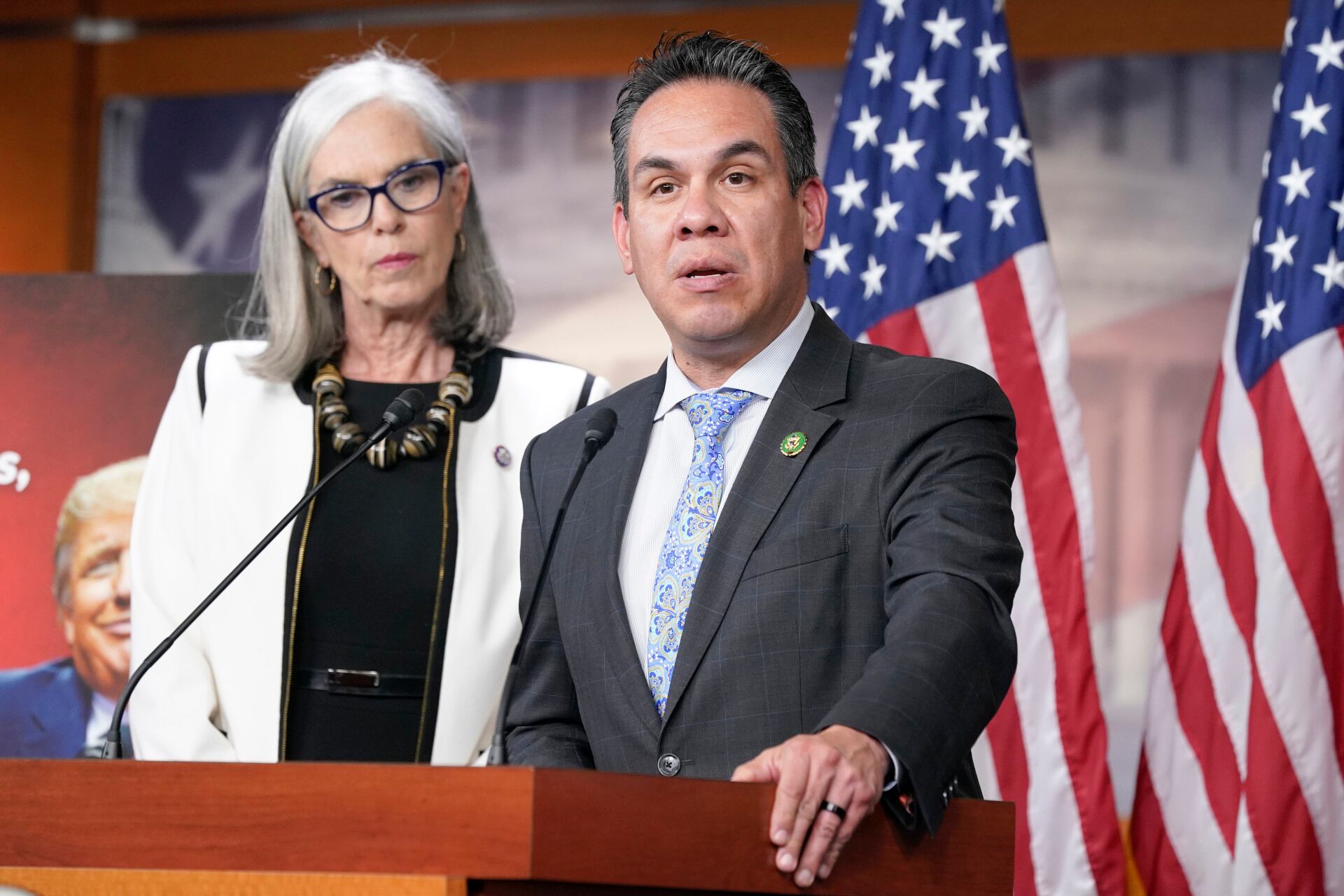
With one of three major rating agencies warning that America’s AAA credit is at risk, the stakes are growing in the standoff in Washington over raising the nation's debt limit.
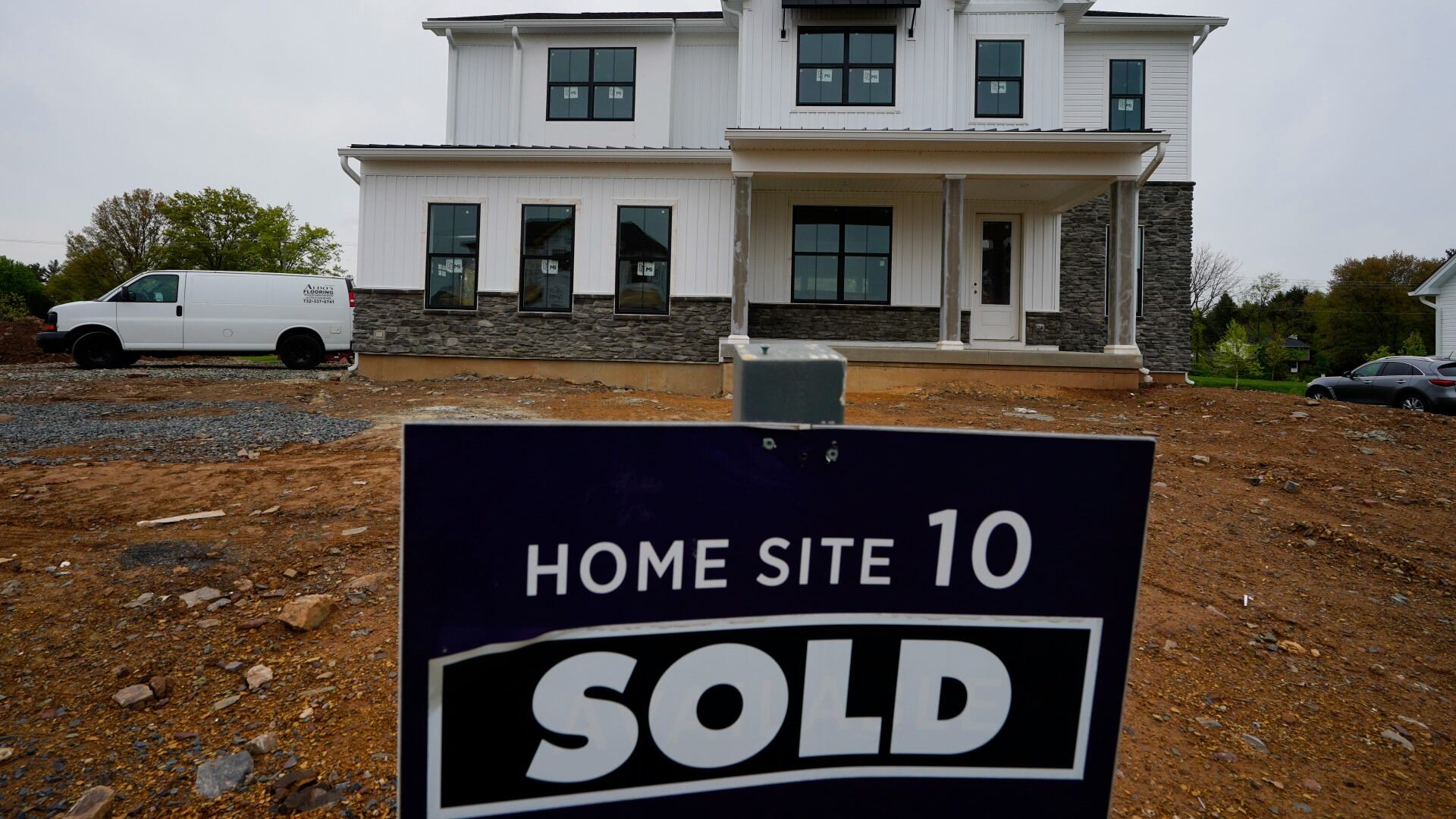
The average long-term U.S. mortgage rate rose this week to its highest level since mid March, driving up borrowing costs for prospective homebuyers facing a housing market that’s constrained by a dearth of homes for sale.
On this edition of Stretching Your Dollar, Corey William Schneider talks about how he made exploring the city a full-time job by founding the New York Adventure Club.
Facebook owner Meta on Wednesday cut positions across its business and operations teams in the final round of layoffs that were first announced in March.
The U.S. economy grew at a lackluster 1.3% annual rate from January through March as businesses wary of an economic slowdown trimmed their inventories, the government said Thursday, a slight upgrade from its initial estimate.