*By Madison Alworth*
In the sharing economy, you don't need a huge dining room to throw a luxurious dinner party. You can just rent one.
That's the idea behind [Splacer](https://www.splacer.co/), a new start-up that aims to be the Airbnb of event spaces.
"Airbnb laid the first foundation stone of understanding we can share space," said Splacer CEO Adi Biran.
Her company, she said Thursday in an interview on Cheddar, wants to take the sharing economy one step further.
"Splacer's offering the rest of the spaces. If we can share our own homes, why wouldn't we share our offices, our churches, galleries, distilleries, barber shops, and so on?" she asked.
Splacer offers space rental either by the hour or per day. The start-up encourages consumers to find the perfect spot for their art, special events, parties, and beyond.
The company first launched in Tel Aviv, Israel, but has since expanded to five U.S. cities: New York, San Francisco, Los Angeles, Miami, and Chicago.
The once-foreign idea of a gig economy is now growing even within individual industries. Ride-sharing started with Uber and Lyft and now includes bike and scooter companies like Bird and Lime. So perhaps it makes sense that real estate rentals branched into bigger spaces.
"This is something that will be extensively used by everyone who is really looking to access a space as opposed to owning it," Biran said.
For full interview [click here](https://cheddar.com/videos/finding-the-perfect-splacer-for-your-next-event).
Meta wants creators to make money from the metaverse, but it's going to take a large chunk of the cut. The tech giant is planning to keep nearly 50% of all digital asset sales within Horizon Worlds, the virtual reality platform that's considered an integral part of the company's unfolding metaverse. Rolf Illenberger, Co-founder and Managing Director of VRdirect, joined Cheddar to discuss why Meta is taking heat for this move, and what it could be doing as an alternative to help support creators, small businesses, and consumers.
Grayscale recently launched its Future of Finance ETF ($GFOF) for investors to benefit from innovative businesses that it sees as critical to building the digital economy. CEO Michael Sonnenshein joined Cheddar to discuss the fund, companies making the most impact, and ways in which investors can expand holdings in the digital economy. “When we think about how investors should be building out their portfolios, we felt that there was a really important opportunity to also provide investors with access to the broadly defined digital economy, really, that confluence between technology and finance," he said.
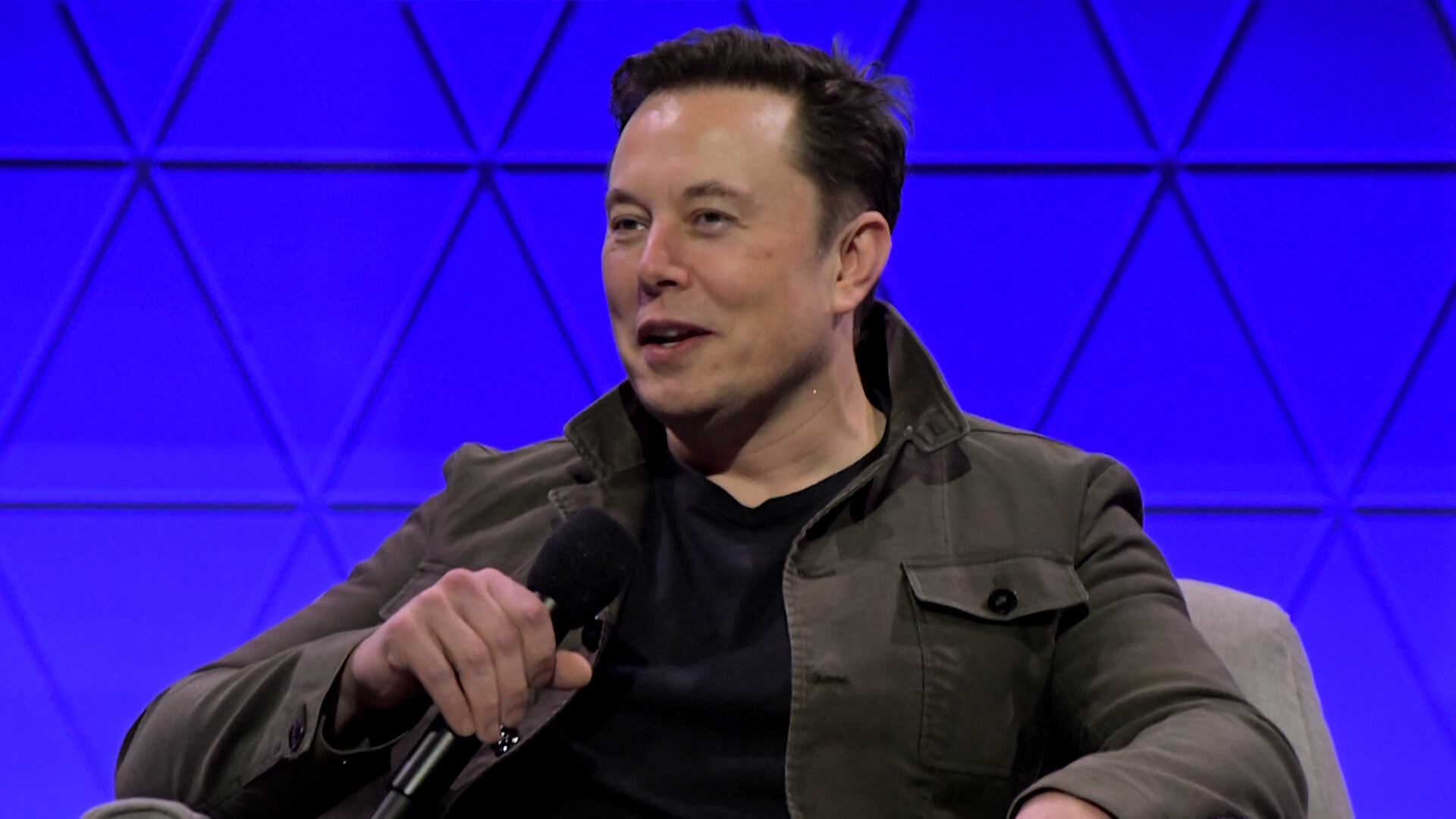
Al Root, Senior Writer at Barron's, discusses possible scenarios if a Twitter buyout deal goes through and what a takeover means for the future of the social media platform.
Gas prices took up a big share of consumer spending in March. Retail sales climbed 0.5% from the previous month as Americans are forced to spend more money on food, gasoline, and other necessities. Kayla Bruun, Economic Analyst at Morning Consult, breaks down her outlook on consumer spending as prices continue to rise.
Kristina Hooper, Chief Global Market Strategist at Invesco, discusses the biggest takeaways from Bank of America's earnings and highlights what investors should watch as BigTech reports this week.
Catching you up on what you need to know on April 18, 2022, with Russian missile attacks on the Ukrainian city of Lviv killing seven, mass shootings in South Carolina and Pittsburgh, Lucky Charms cereal under official investigation by the FDA, and more.