A Southwest Airlines executive apologized for the company's holiday season meltdown in front of a panel of senators on Thursday.
The airline company canceled nearly 17,000 flights and stranded more than two million customers between December 21 and December 31 following a winter storm, far more than any other airline. The Senate Commerce Committee questioned executives in a hearing that focused on those disruptions.
"Let me be clear, we messed up," Southwest Chief Operating Officer Andrew Watterson told senators. "I want to sincerely and humbly apologize to those impacted by the disruption,"
"In hindsight, we did not have enough winter operational resiliency," Watterson explained.
The Southwest executive assured the committee that the company has been working to improve its systems.
"We are doing a system-wide review of our preparedness for winter operations and will implement any measures necessary to mitigate the risk of an event like this occurring in the future," Watterson said.
The company has budgeted $1.3 billion for 2023 investments, upgrades, and maintenance of their IT systems.
Democratic Senator Ed Markey, unsatisfied with the executive's explanation, demanded the airline company give a "cash hardship payment" to those affected.
Some Republicans, however, were more sympathetic with the airline company.
"I've had multiple conversations with senior leadership at Southwest. I'm confident they understand it was an epic screw-up and that they are committed to doing everything possible to prevent its recurrence," Sen.Ted Cruz of Texas said.
Watterson testified the airline had reimbursed 273,406 customers, and that every impacted customer had been emailed flyer points, along with an apology.
But, the airline company would not pay customers directly for their inconvenience unless it was "reimbursement of a flight they took in the disruption," Watterson said.
The U.S. Transportation Department is also investigating Southwest for its flight scheduling throughout the disruption.
Solid-state battery maker Factorial Energy recently raised $200 million in a Series D round led by Mercedes-Benz and Stellantis. Factorial says the funding will be used to accelerate commercial production and deployment of its solid-state battery technology, which the company says is safer, and offers up to 50% more driving range than current lithium-ion technology. Factorial also has joint development agreements (announced in late 2021) with Mercedes-Benz, Stellantis, and Hyundai, three of the top 10 global automotive manufacturers, to commercialize its batteries. Factorial CEO Siyu Huang joined Cheddar News' Closing Bell to discuss.
Art Hogan, Chief Market Strategist at National Securities, joins Cheddar News' Closing Bell, where he says investors are paying more attention to earnings this week, which is leading to the Dow, S&P, and Nasdaq gaining this week. Hogan also breaks down Spotify and Meta's earnings, both of which came out after the bell.
Google's parent company Alphabet reported blockbuster fourth quarter earnings, boosted by better-than-expected Google ad revenue and Google Cloud revenue. The results sent Alphabet's stock soaring, and the company could come close to hitting a $2 trillion market valuation similar to other tech giants Apple and Microsoft. The company also announced a 20-for-1 stock split, which would make shares more accessible to would-be investors. Mark Lehmann, CEO at JMP Securities, a Citizens Company, joins Closing Bell to discuss Alphabet's earnings report, whether the company will reach a $2 trillion market cap, its stock split, and more.
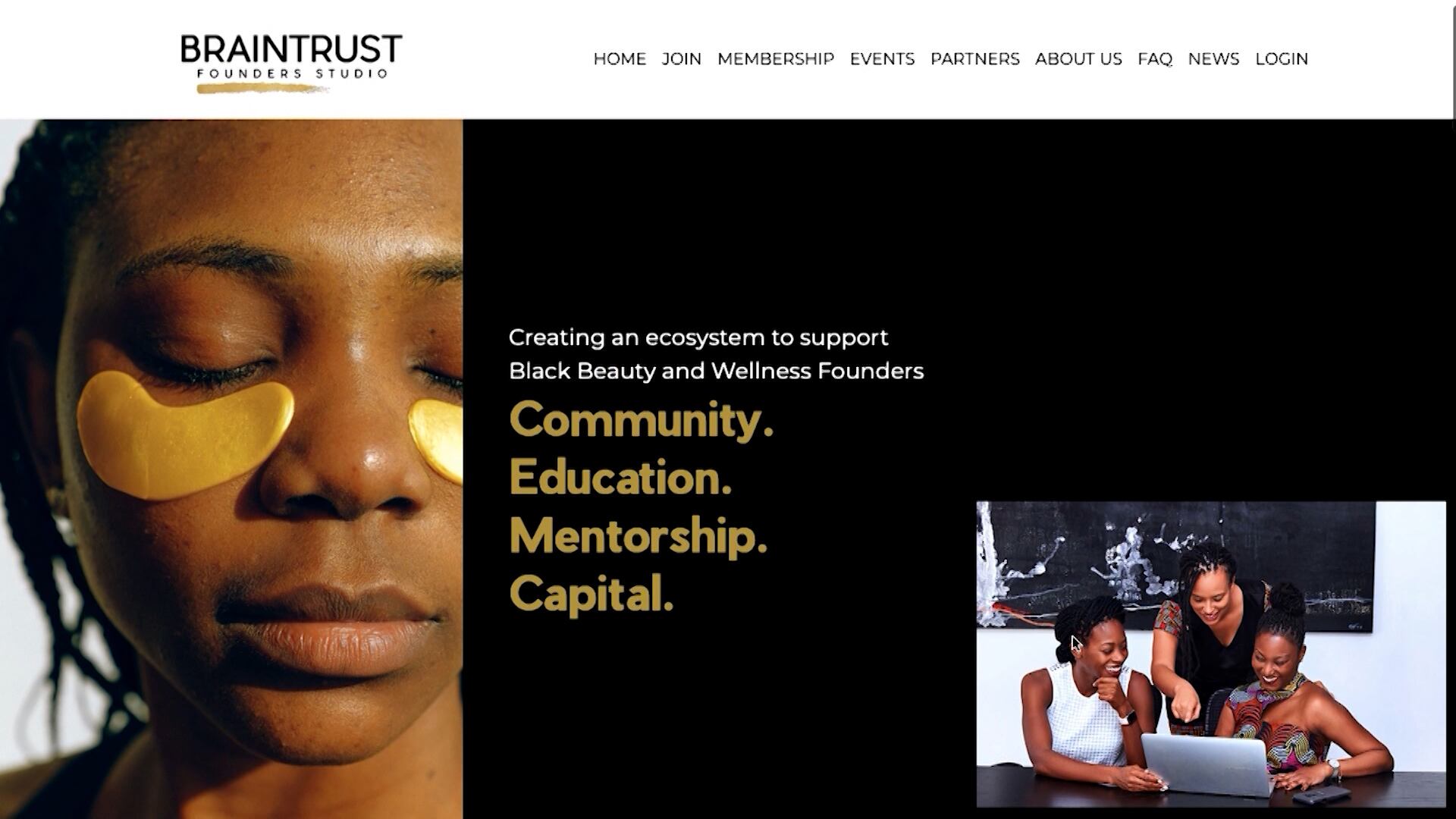
Kendra Bracken-Ferguson, founder of BrainTrust Founders Studio joins Cheddar News to talk about the importance of supporting Black beauty and wellness founders.
Damali Peterman, founder and CEO of Breakthrough ADR, joins Cheddar News to discuss what Black professionals are up against in the workplace this year.
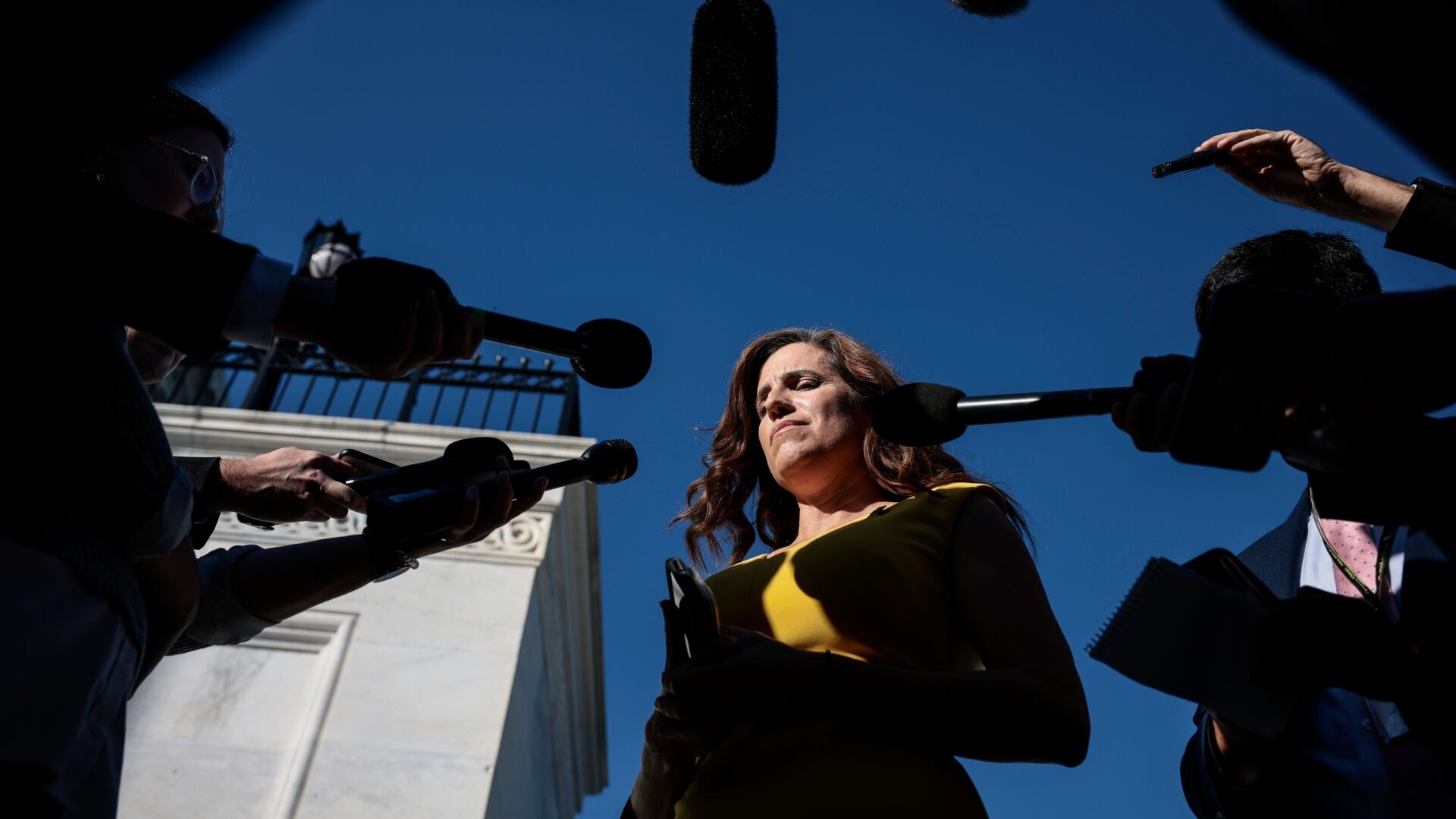
Rep. Nancy Mace (R-S.C. 1st District) joined Cheddar to discuss her cannabis legalization bill, the States Reform Act, and the prospects for gaining bipartisan support for a bill that has garnered the endorsement of e-commerce giant Amazon. This legislation is supported by businesses large and small, Amazon obviously being the most recent and largest business to support it," Mace said. "They don't want to sell pot. But what it does do is it affects their working employment pool." She stated that 10 percent of eligible new hires for Amazon are affected by restrictive marijuana laws. The representative also explained that the bill leaves equity provisions up to the states rather than mandating them on a federal level.