By Fatima Hussein
Millions of Social Security recipients will get a 3.2% increase in their benefits in 2024, far less than this year's historic boost and reflecting moderating consumer prices.
The cost-of-living adjustment, or COLA, means the average recipient will receive more than $50 more every month beginning in January, the Social Security Administration said Thursday. The AARP estimated that increase at $59 per month.
“This will help millions of people keep up with expenses,” said Kilolo Kijakazi, Social Security’s acting commissioner.
About 71 million people — including retirees, disabled people and children — receive Social Security benefits.
Thursday's announcement follows this year’s 8.7% benefit increase, brought on by record 40-year-high inflation, which pushed up the price of consumer goods. With inflation easing, the next annual increase is markedly smaller.
Still, senior advocates applauded the annual adjustment.
“Retirees can rest a little easier at night knowing they will soon receive an increase in their Social Security checks to help them keep up with rising prices,” AARP CEO Jo Ann Jenkins said. “We know older Americans are still feeling the sting when they buy groceries and gas, making every dollar important."
Social Security is financed by payroll taxes collected from workers and their employers. The maximum amount of earnings subject to Social Security payroll taxes will be $168,600 for 2024, up from $160,200 for 2023.
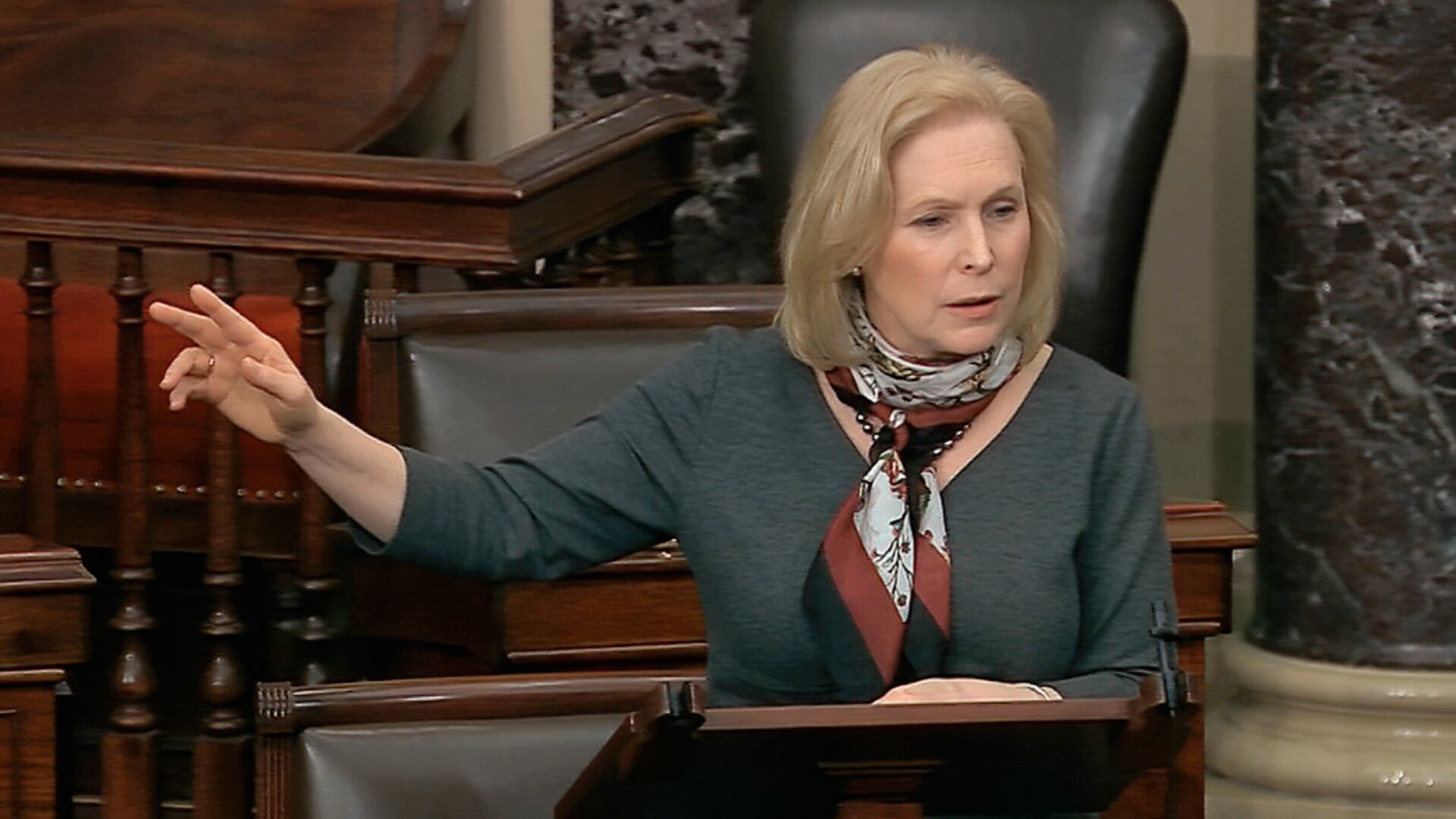
Nancy Altman, president of Social Security Works, an advocacy group for the social insurance program, said that the COLA is a “reminder of Social Security’s unique importance" and that “Congress should pass legislation to protect and expand benefits.”
But the program faces a severe financial shortfall in coming years.
The annual Social Security and Medicare trustees report released in March said the program’s trust fund will be unable to pay full benefits beginning in 2033. If the trust fund is depleted, the government will be able to pay only 77% of scheduled benefits, the report said.
There have been legislative proposals to shore up Social Security, but they have not made it past committee hearings.
A March poll by The Associated Press-NORC Center for Public Affairs Research found that most U.S. adults are opposed to proposals that would cut into Medicare or Social Security benefits, and 79% of people polled said they oppose reducing the size of Social Security benefits.
The COLA is calculated according to the Bureau of Labor Statistics’ Consumer Price Index, or CPI. But there are calls for the agency to instead use a different index, the CPI-E, which measures price changes based on the spending patterns of the elderly, like health care, food and medicine costs.
Any change to the calculation would require congressional approval. But with decades of inaction on Social Security and with the House at a standstill after the ouster of Speaker Kevin McCarthy, R-Calif., seniors and their advocates say they don’t have confidence any sort of change will be approved soon.
The cost of living adjustments have a big impact for people like Alfred Mason, an 83-year-old Louisiana resident. Mason said that “any increase is welcomed, because it sustains us for what we are going through.”
As inflation is still high, he said, anything added to his income “would be greatly appreciated.”