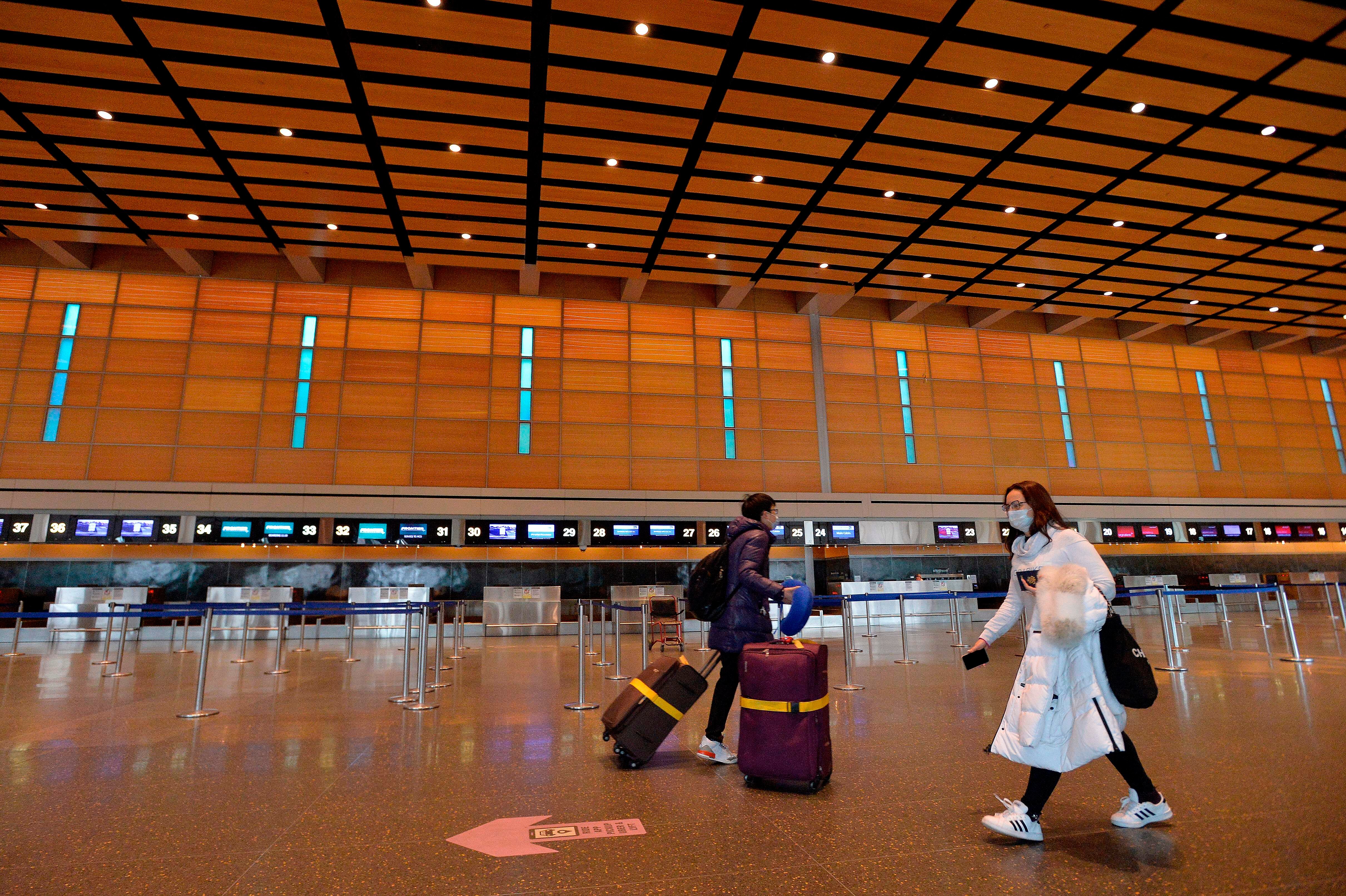
U.S. airlines are seeking as much as $50 billion in federal support as travel restrictions aimed at containing the spread of coronavirus have pushed the industry’s biggest players to the brink of bankruptcy.
The airlines are seeking a combination of grants, government-backed loans and tax relief, the industry’s main trade group, Airlines 4 America, has said.
The impact of the travel restrictions has been swift and dramatic: Among the country’s Big Three airlines, American Airlines has slashed its international flights by 75 percent, United Airlines plans to cut half its domestic and international flights through the next two months, and Delta Airlines has said that bookings have plummeted by roughly a third.
Meanwhile JetBlue, Southwest and Alaska have reduced their schedules, and some ultra-low-cost providers like Frontier and Spirit have taken dramatic steps to prop-up ridership, with Frontier on Monday announcing free flights for students with .edu email addresses.
“This is a today problem, not a tomorrow problem. It requires urgent action,” A4A president and CEO Nicholas Calio said in a statement.
The Wall Street Journal was the first to put a number on the bailout request.
The trade group’s statement sought to underscore the urgency, describing a “dramatic decline in demand” that is “getting worse by the day,” “historic capacity cuts” and a “staggering” economic impact on U.S. airlines.
United Airlines’ market value has plunged by 60 percent since the start of the year. American Airlines’ stock price has fallen by more than 50 percent, and Delta Airlines’ by close to 40 percent.
“U.S. carriers are in need of immediate assistance as the current economic environment is simply not sustainable. This is compounded by the fact that the crisis does not appear to have an end in sight,” the trade group said.
Stepping up a feud with Washington over technology and security, China's government on Sunday told users of computer equipment deemed sensitive to stop buying products from the biggest U.S. memory chipmaker, Micron Technology Inc.
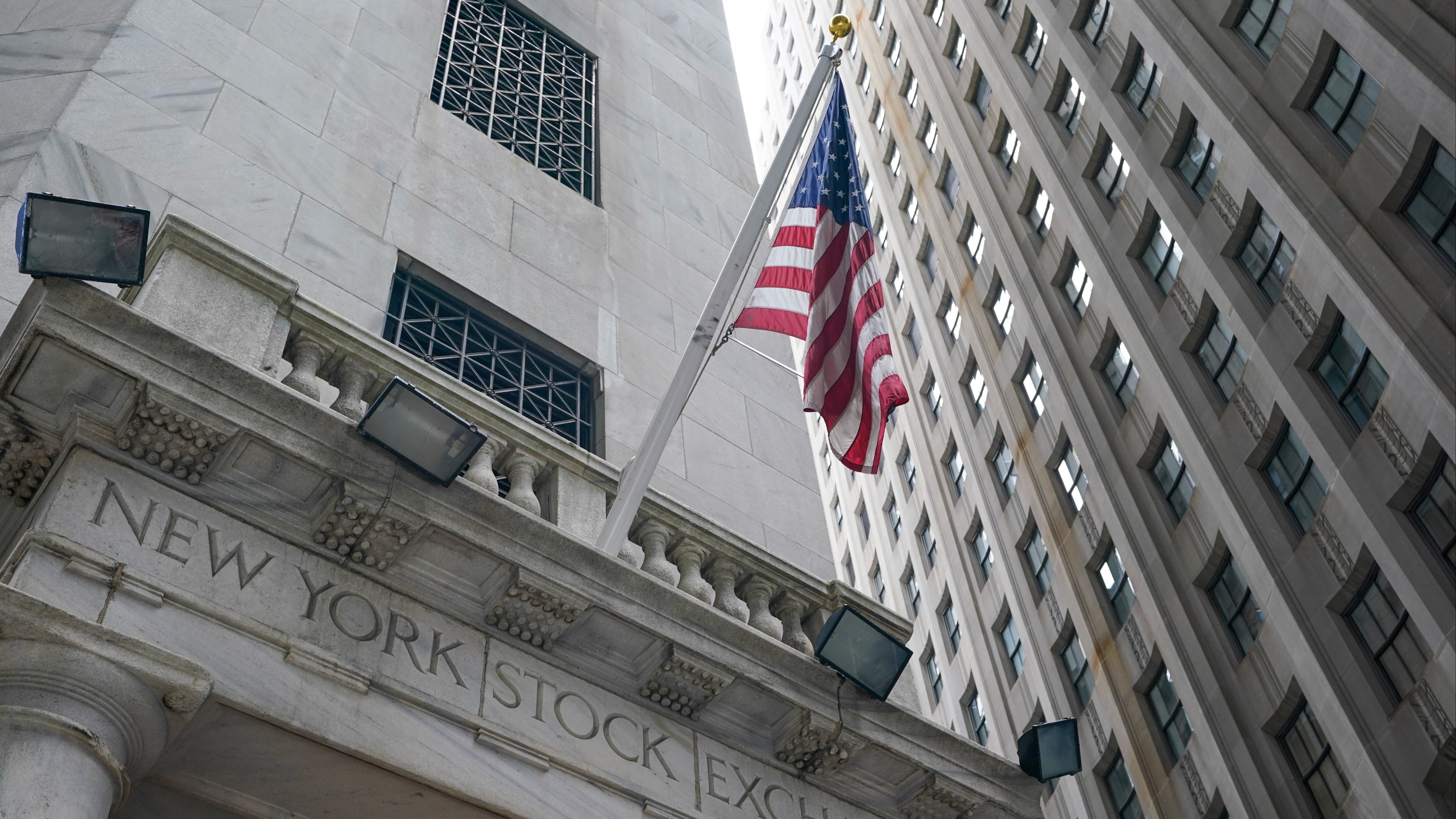
Stocks are moving tentatively Monday, as Wall Street waits to see whether a pivotal meeting in the afternoon will help the U.S. government avoid a potentially disastrous default on its debt.
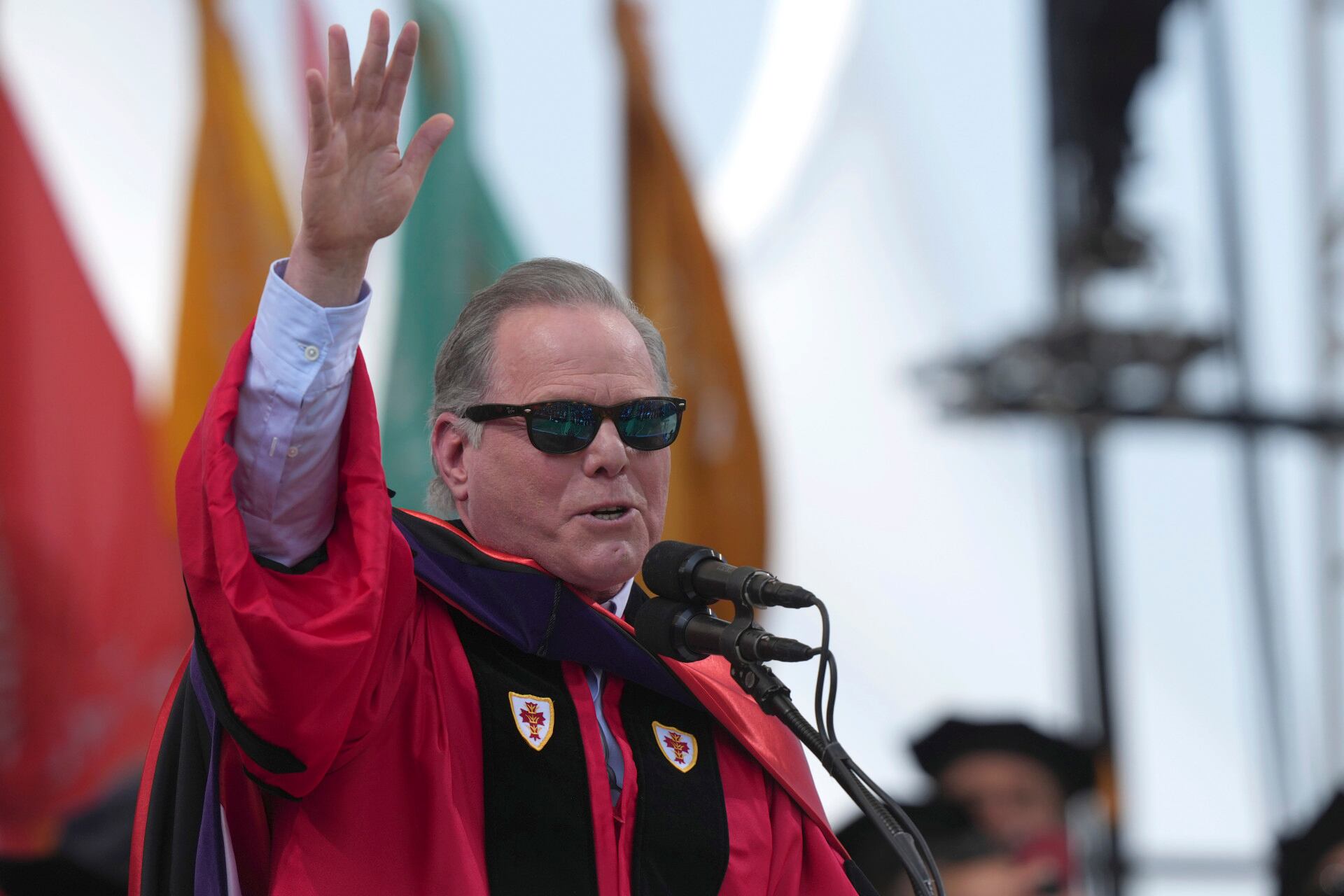
Scores of Boston University students turned their backs on the head of one of Hollywood's biggest studios, and some shouted “pay your writers,” as he gave the school's commencement address Sunday in a stadium where protesters supporting the Hollywood writers' strike picketed outside.
Gov. Ron DeSantis is asking that a federal judge be disqualified from the First Amendment lawsuit filed by Disney against the Florida governor and his appointees, claiming the jurist's prior statements in other cases have raised questions about his impartiality on the state's efforts to take over Disney World's governing body.
Ford CEO Jim Farley says the company will stop competing in over-served market segments and instead will place big bets on connected vehicles and digital services. The days of Ford being all things to all people are over, Farley said at the company's capital markets day event Monday.
The European Union slapped Meta with a record $1.3 billion privacy fine Monday and ordered it to stop transferring users personal information across the Atlantic by October, the latest salvo in a decadelong case sparked by U.S. cybersnooping fears.
Joanne Rodriguez, founder and CEO of Mycocycle Inc., joined Cheddar News to discuss how her company uses mushrooms to decarbonize construction waste. "Mycocycle was started to address the waste mismanagement issue we have," she said. "Globally, we've got overflowing landfills that are creating human and environmental health issues."
The World Economic Forum recently released its future of jobs report and broke down what abilities employers are looking for. Julia Pollak, chief labor economist at ZipRecruiter, joined Cheddar News to discuss what top, in-demand job skills are needed in the rapidly-changing economy.