Senators began submitting questions as the next phase of President Trump's impeachment trial opened Wednesday. Officials will have 16 hours over two days to ask questions that Supreme Court Chief Justice John Roberts will read aloud from index cards. Impeachment managers and the president's defense team will then have the chance to answer.
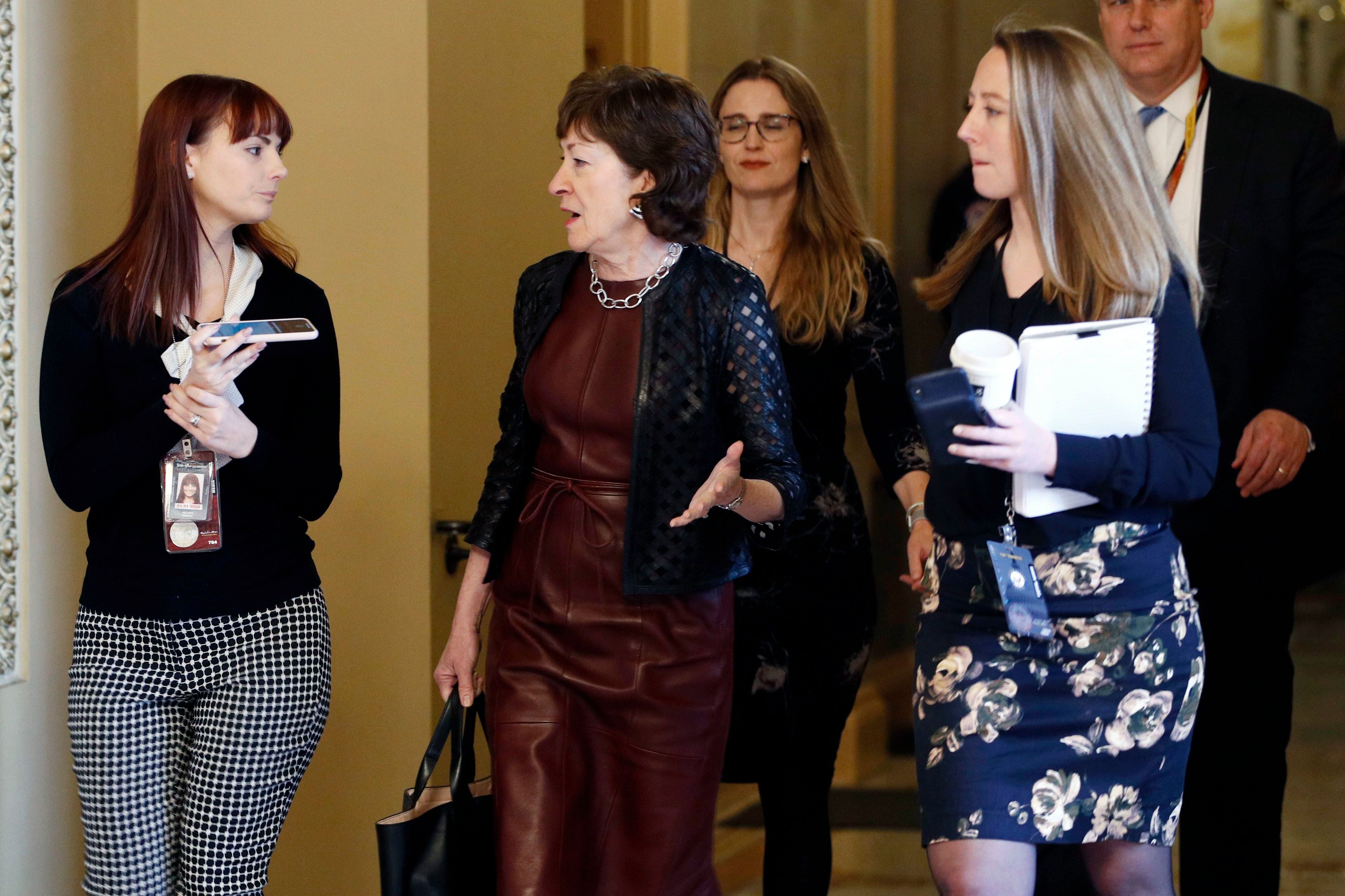
Senator Susan Collins (R-Maine), on behalf of herself and colleagues Senator Lisa Murkowski (R-Alaska) and Senator Mitt Romney (R-Utah), asked a question about how, if the president had mixed public and private motives for withholding aid to Ukraine, should the Senate consider that fact?
Patrick Philbin, one of the president's defense attorneys, said a mixed-motive does not matter as the charge is not impeachable. He said the House's case rests upon proving the that president's request for investigations was solely for personal reasons and once there is a "legitimate public interest," the managers' case "fails."
Though GOP leadership is still trying to whip enough Senators to block witnesses, public sentiment seems to be shifting. A new Quinnipiac University poll yesterday found 75 percent of registered voters say witnesses should be allowed to testify, including 49 percent of Republicans.
"I don't think we should [feel pressure to hear witnesses], I think we should get this over with," Rep. Mark Meadows (R-N.C. 11th District) told Cheddar just before the start of today's session.
As questions roll in, it appears Senators are looking to clarify conflicting stories that have been argued back and forth. Both sides can be seen whispering and passing notes while scrambling to come up with quick answers.
Rep. Adam Schiff (D-Calif. 28th District), leading the House Managers, clarified to Senators that the House did ask John Bolton to testify, but were refused. "When we subpoenaed Dr. Kupperman, he sued us, took us to court. When we raised a subpoena with John Bolton's counsel, the answer was ‘You serve us with a subpoena and we'll sue you too,’" Schiff said. Charles Kupperman was a former national security advisor to the president and Bolton's deputy.
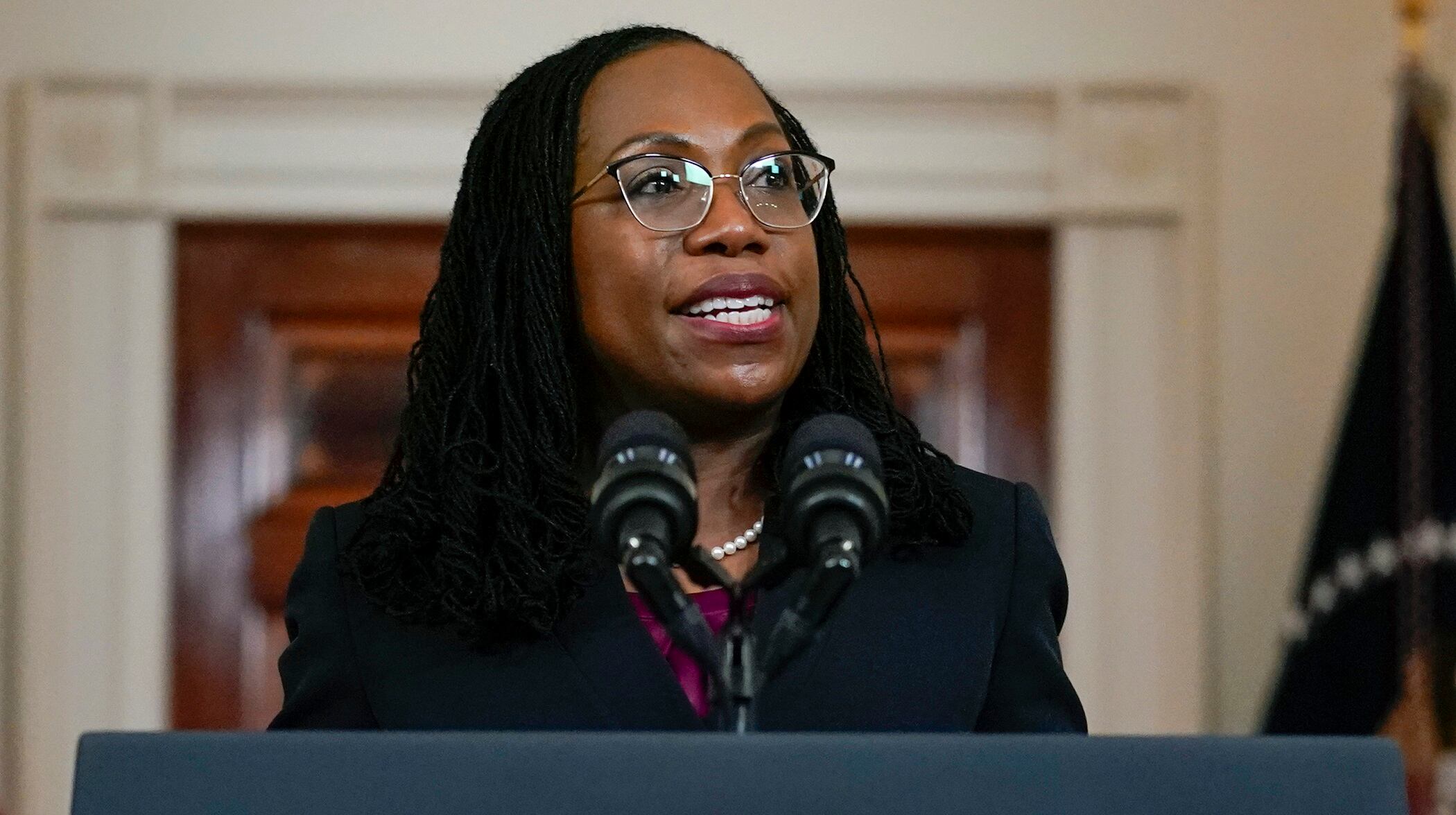
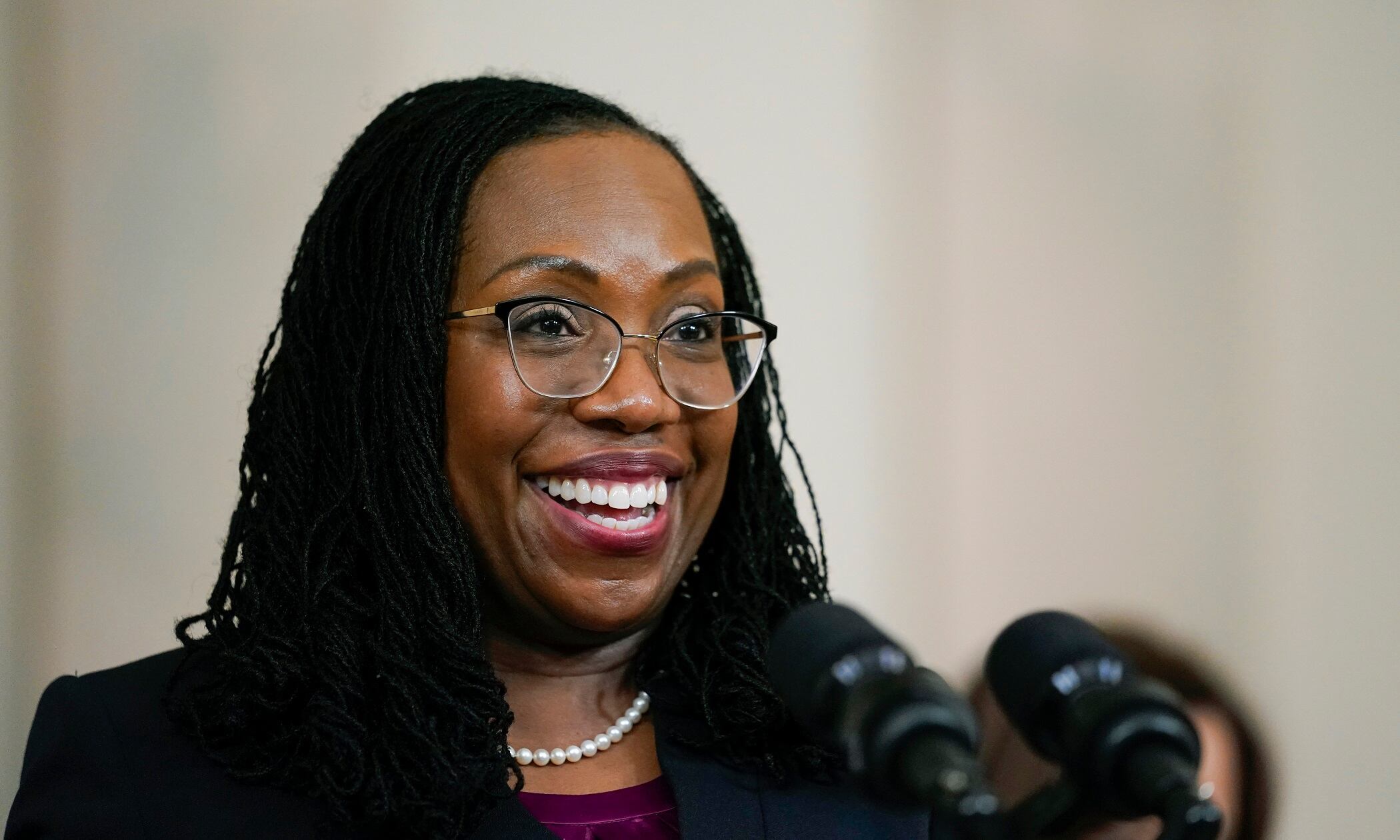
As we celebrate Black History Month, Cheddar is highlighting prominent Black Americans who are carving their own historic paths and trailblazing in their fields. Today we feature Ketanji Brown Jackson, the first Black woman SCOTUS nominee.
Russia's invasion of Ukraine went hand in hand with cyberattacks against Ukrainian government websites and financial institutions. Cheddar News speaks with cybersecurity expert Karim Hijazi, CEO of Prevaillon, on why the Russian cyberwarfare is concerning to other nations.
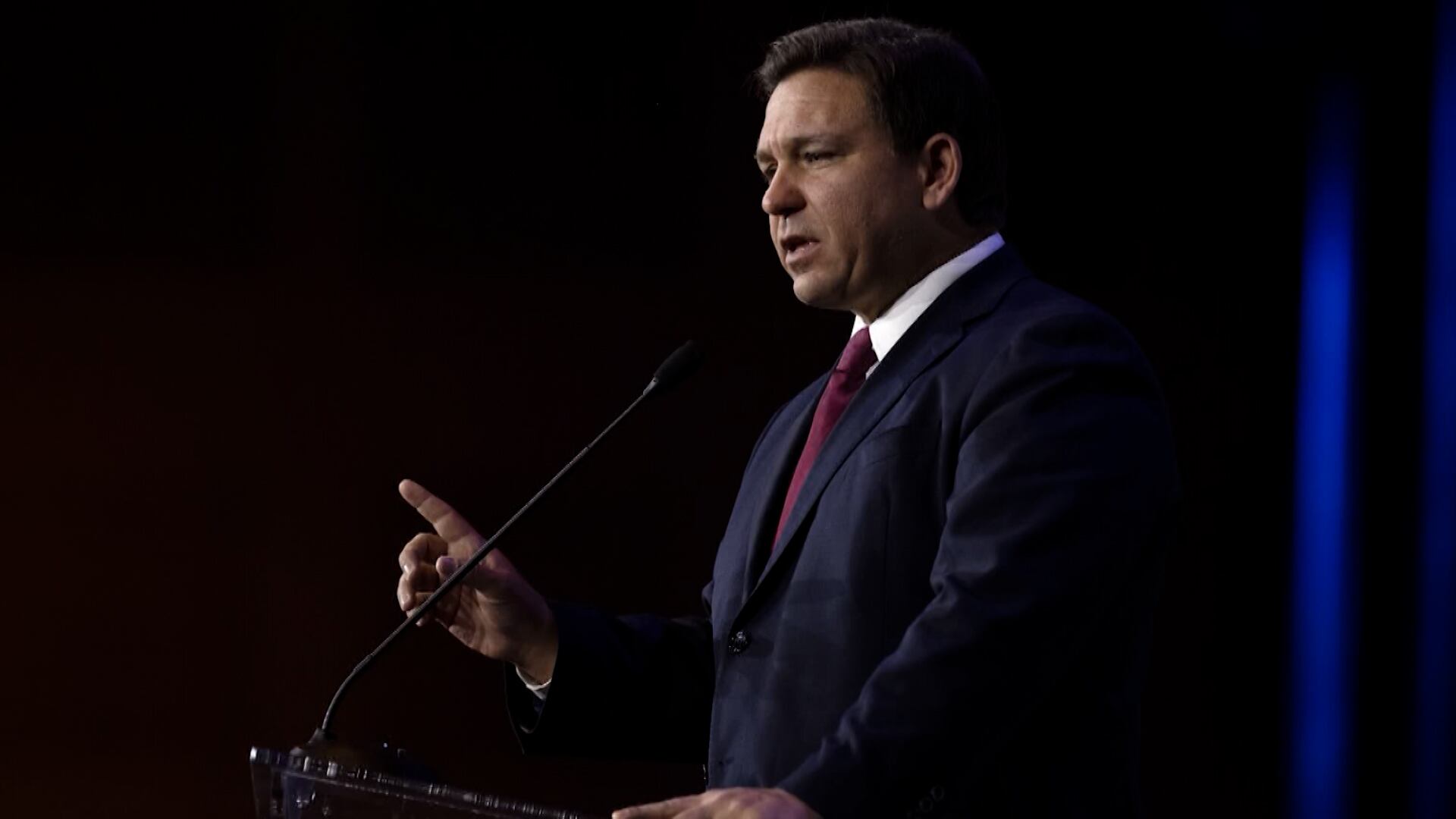
Florida legislation being called the 'Don't Say Gay' bill would restrict some discussion of sexual orientation and gender identity in classrooms with young students. Jon Harris Maurer, public policy director at Equality Florida, joins Cheddar News to discuss.
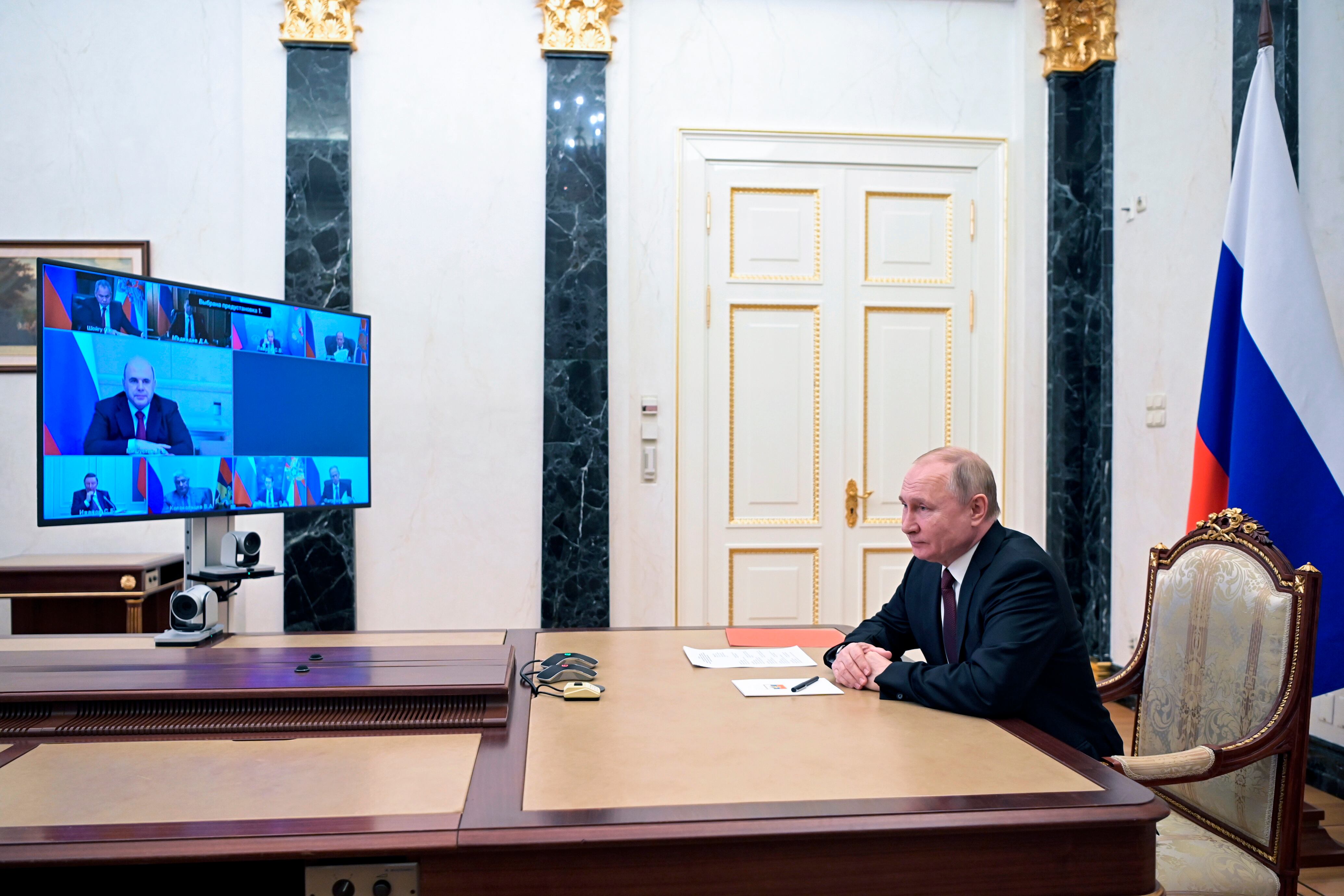
President Joe Biden promised during his campaign to focus on stable and ally-focused foreign policy, and the Russia-Ukraine crisis seems like an opportunity for him to focus on that tactic after last year's chaotic Afghanistan withdrawal. So far, Biden and western allies have banned together to sanction Russian banks, billionaires, and even President Vladimir Putin himself. Meanwhile, Biden has not deployed U.S. troops to intervene directly in Ukraine. Jack Detsch, national security reporter at Foreign Policy, joins Closing Bell to discuss why Biden is focusing on a sanctions-based, ally-focused strategy, what impact sanctions could have on Russia's economy, and more.
As Russia continues its attack on Ukraine, protests are popping up in major cities across the U.S., including across the street from the United Nations in New York City.. Chloe Aiello reports.