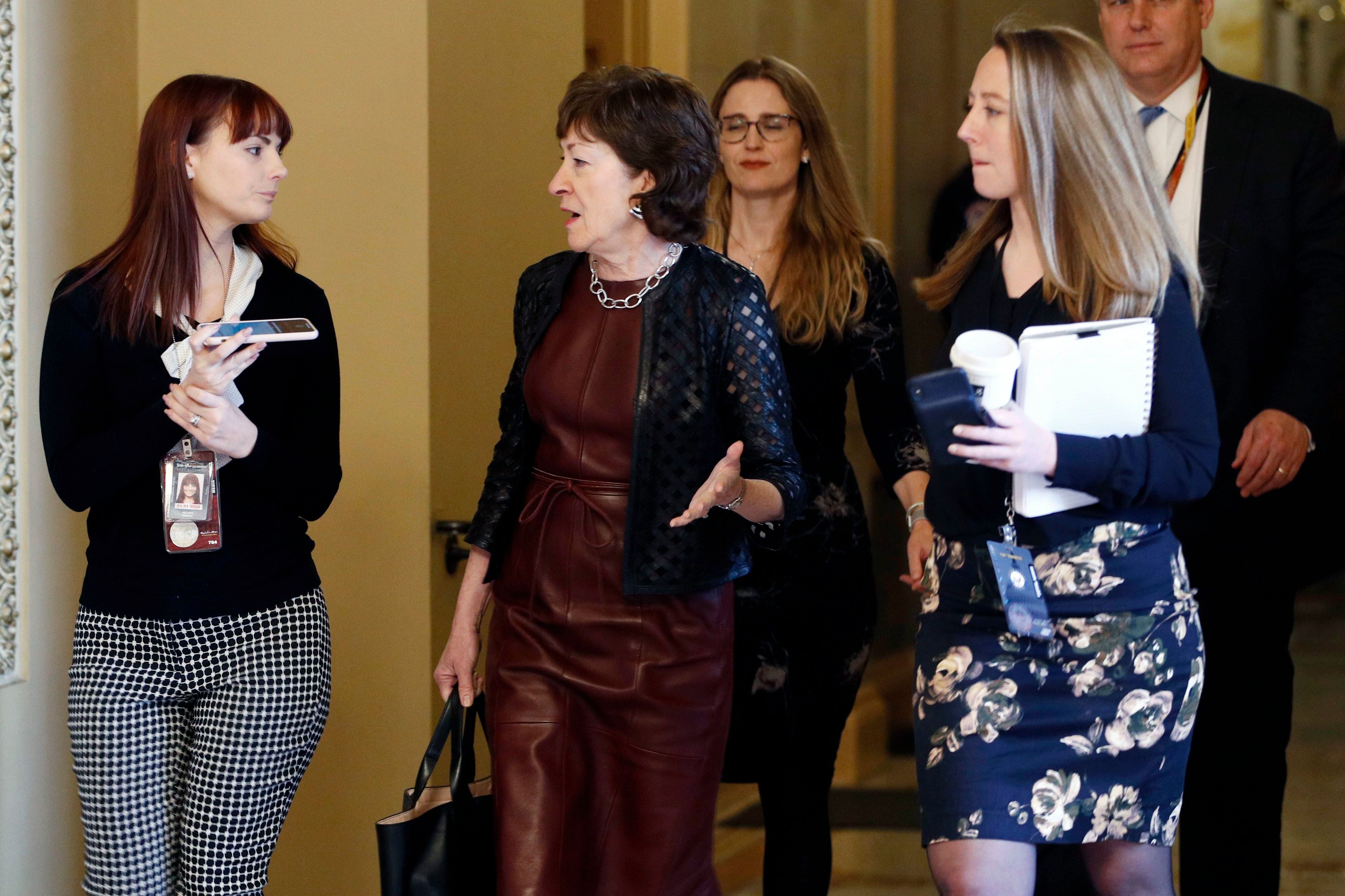
Senators began submitting questions as the next phase of President Trump's impeachment trial opened Wednesday. Officials will have 16 hours over two days to ask questions that Supreme Court Chief Justice John Roberts will read aloud from index cards. Impeachment managers and the president's defense team will then have the chance to answer.
Senator Susan Collins (R-Maine), on behalf of herself and colleagues Senator Lisa Murkowski (R-Alaska) and Senator Mitt Romney (R-Utah), asked a question about how, if the president had mixed public and private motives for withholding aid to Ukraine, should the Senate consider that fact?
Patrick Philbin, one of the president's defense attorneys, said a mixed-motive does not matter as the charge is not impeachable. He said the House's case rests upon proving the that president's request for investigations was solely for personal reasons and once there is a "legitimate public interest," the managers' case "fails."
Though GOP leadership is still trying to whip enough Senators to block witnesses, public sentiment seems to be shifting. A new Quinnipiac University poll yesterday found 75 percent of registered voters say witnesses should be allowed to testify, including 49 percent of Republicans.
"I don't think we should [feel pressure to hear witnesses], I think we should get this over with," Rep. Mark Meadows (R-N.C. 11th District) told Cheddar just before the start of today's session.
As questions roll in, it appears Senators are looking to clarify conflicting stories that have been argued back and forth. Both sides can be seen whispering and passing notes while scrambling to come up with quick answers.
Rep. Adam Schiff (D-Calif. 28th District), leading the House Managers, clarified to Senators that the House did ask John Bolton to testify, but were refused. "When we subpoenaed Dr. Kupperman, he sued us, took us to court. When we raised a subpoena with John Bolton's counsel, the answer was ‘You serve us with a subpoena and we'll sue you too,’" Schiff said. Charles Kupperman was a former national security advisor to the president and Bolton's deputy.
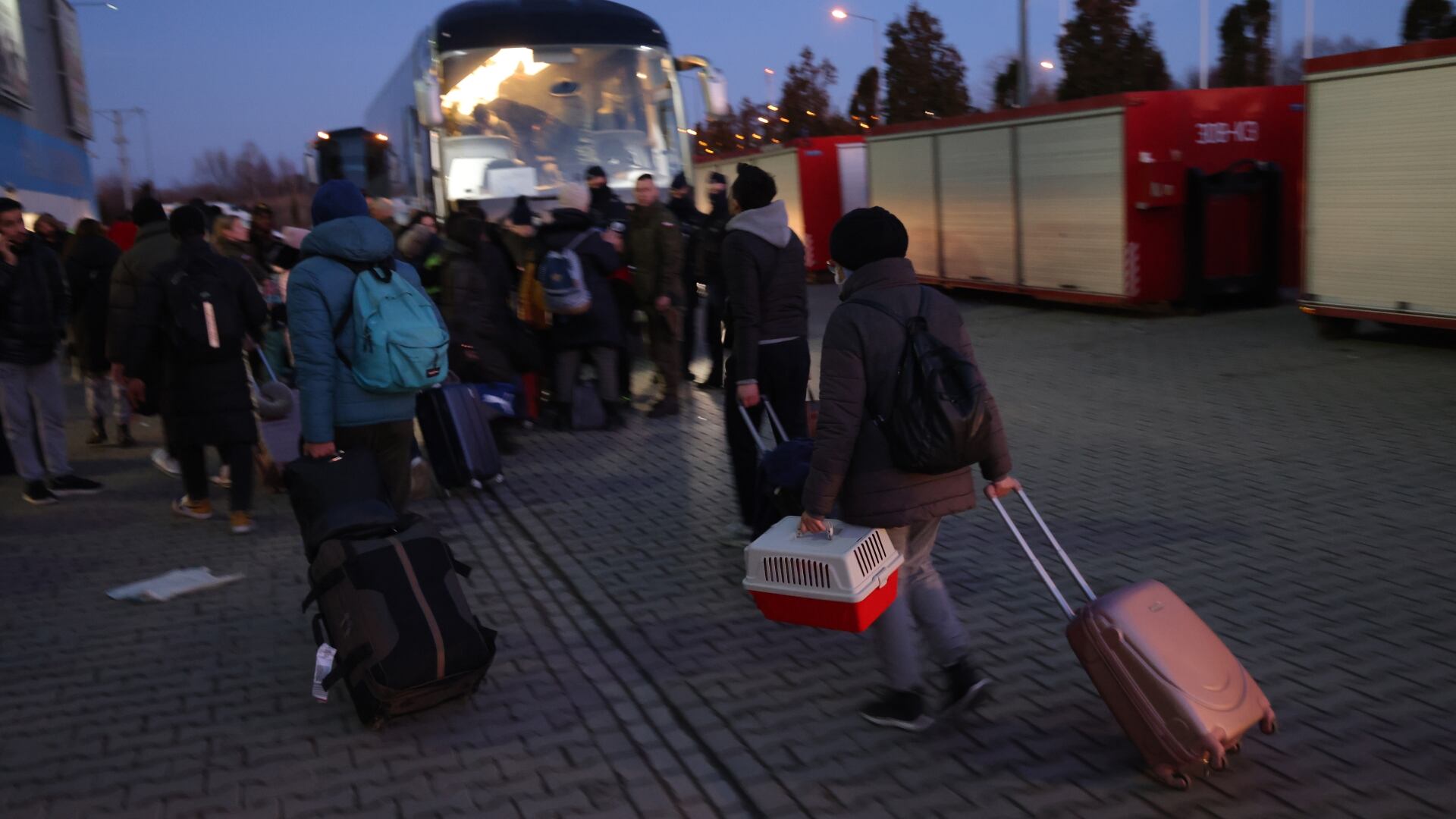
The United Nations High Commissioner for Refugees (UNHCR) has reported that an estimated one million people have fled from Ukraine since Russia invaded. Christopher Boian, senior communications officer at UNHCR, joined Cheddar News to report on the current refugee crisis and what the world might expect if conditions continue to worsen. "We have planning figures that forecast as many as four million people could be forced to flee Ukraine," he said. "But that very much depends on how the conflict underway in that country at the moment unfolds in the days and possibly weeks ahead."
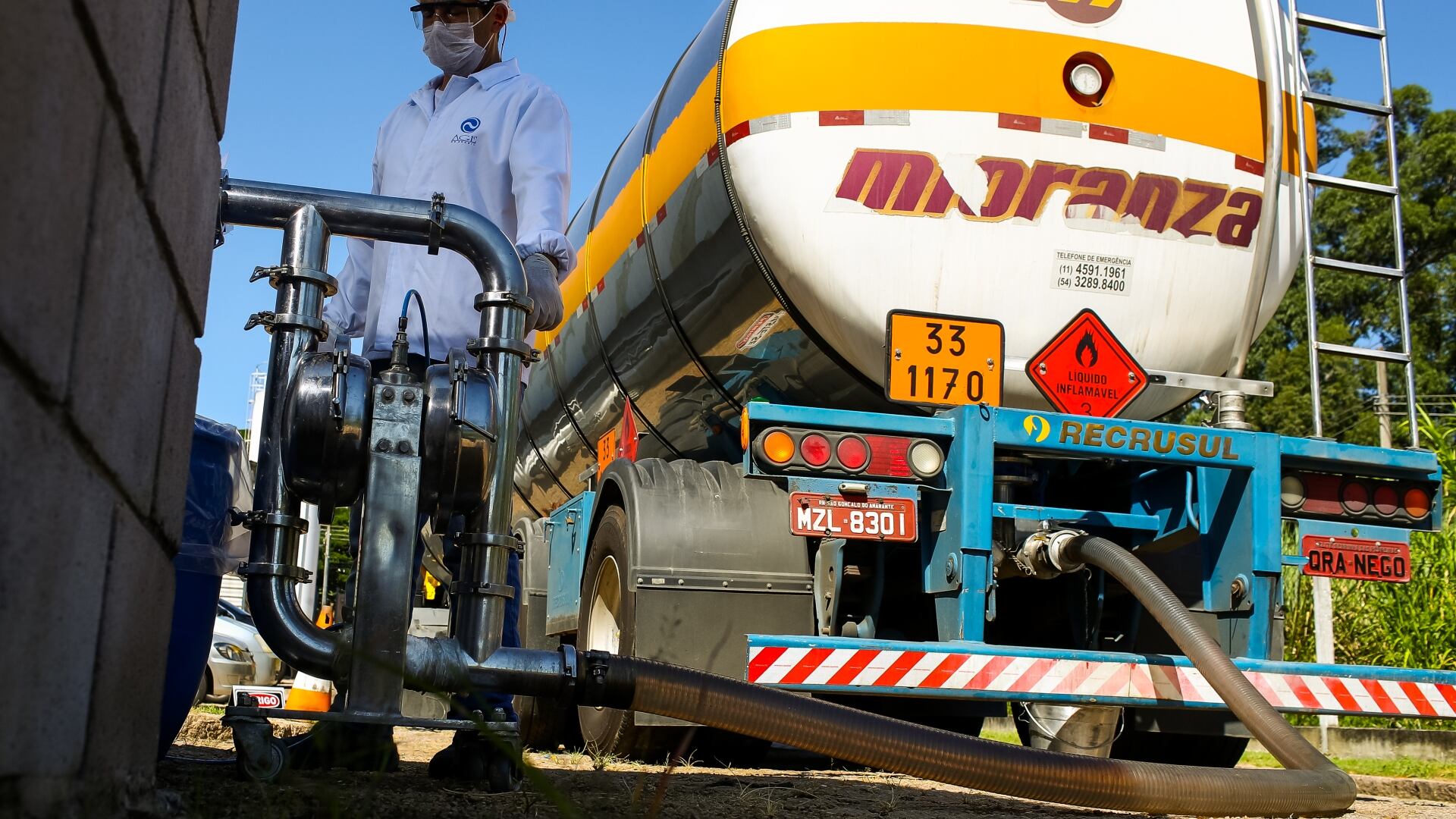
Under the U.S. Renewable Fuel Standard (RFS), corn-based ethanol has been mixed into gasoline sold at pumps in the U.S. since 2005, when a policy was enacted aimed at reducing emissions. Corn-based ethanol had been thought to be a relatively greener energy source compared to other biofuels, but now, a new study published in the Proceedings of the National Academy of Sciences reports it may be actually worse for the climate than straight gasoline. Tyler Lark, an assistant scientist at the University of Wisconsin-Madison's Center for Sustainability, joined Cheddar News' Closing Bell and discussed the pushback against the study. "Essentially when you need to produce more corn to meet the demand for use as ethanol as fuel, farmers respond and they switch more crops like soybeans and wheat into corn," Lark said. "They also bring more land into production, so things that used to be pasture grassland, and both those activities are associated with increased greenhouse gas emissions."
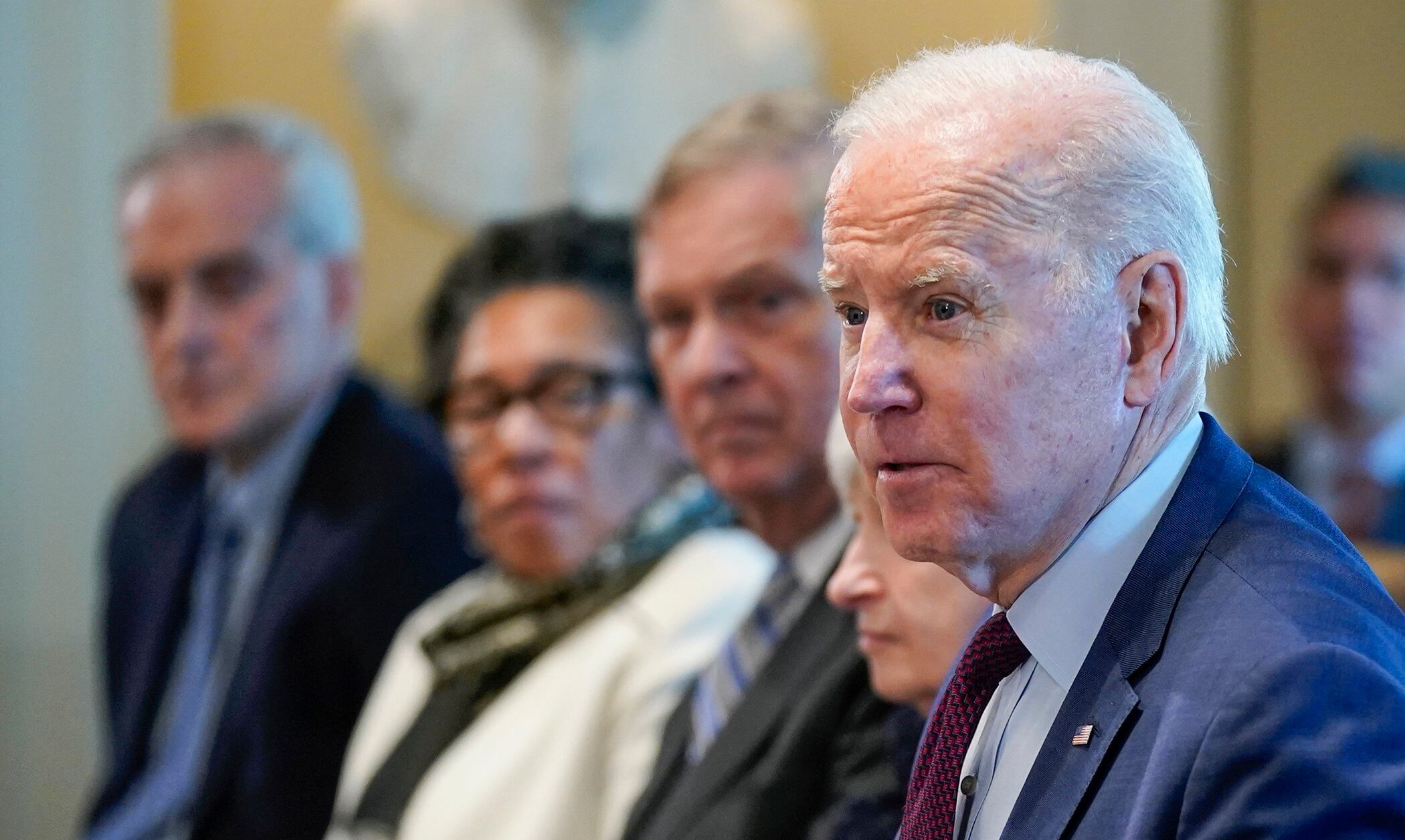
U.S. President Joe Biden’s administration on Thursday announced new sanctions against Russian oligarchs and others in President Vladimir Putin’s inner circle.
Christian Blauvelt, executive managing editor at IndieWire, joins Cheddar News to discuss the growing number of studios pulling content from Russia over Ukraine invasion.
Russian forces are battling for control of a crucial energy-producing city in Ukraine’s south and gaining ground in their bid to cut off the country from the sea.
In the past few years, Betthany Frankel has made a major name for herself as a philanthropist after founding the
BStrong initiative, which has provided relief to people impacted by natural disasters as well as the COVID-19 pandemic. Now, BStrong is shifting its focus to Ukraine, raising millions of dollars in donations for those impacted by Russia's invasion. Bethenny Frankel, the founder of BStrong, joins Cheddar News' Closing Bell to discuss.
Bryan Lee, Chief Investment Officer at Blue Zone Wealth Advisors, joins Cheddar News' Closing Bell, where he elaborates on the volatility we've seen in the markets this week fueled by rising oil prices and the ongoing Russian invasion of Ukraine.
Francesca Chambers, White House correspondent for McClatchy, joins Cheddar News to discuss all the topics President Biden has to juggle in his State of the Union address.