The mobile phone icon for the Coinbase app is shown in this photo, in New York, Tuesday, April 13, 2021. The Securities and Exchange Commission is charging Coinbase with operating its crypto asset trading platform as an unregistered national securities exchange, broker, and clearing agency. (AP Photo/Richard Drew, File)
By Michelle Chapman
Coinbase has been targeted by U.S. regulators in a new lawsuit Tuesday that alleges the cryptocurrency platform is operating as an unregistered securities platform and brokerage service.
The lawsuit from the Securities and Exchange Commission comes only a day after it filed charges against Binance, the world's largest crypto exchange, and its founder Changpeng Zhao are accused of misusing investor funds, operating as an unregistered exchange and violating a slew of U.S. securities laws.
Coinbase shares plunged nearly 15% early Tuesday.
In its complaint, the SEC said Coinbase made billions acting as the middle man for cryptocurrency buyers and sellers but did not give investors lawful protections while acting as a broker.
“Coinbase has for years defied the regulatory structures and evaded the disclosure requirements that Congress and the SEC have constructed for the protection of the national securities markets and investors,” the SEC said in its complaint, which was filed in U.S. District Court for the Southern District of New York. It seeks injunctive relief, disgorgement of ill-gotten gains plus interest, penalties, and other equitable relief.
Coinbase said the SEC has not been transparent in how it regulates cryptocurrencies.
“The SEC’s reliance on an enforcement-only approach in the absence of clear rules for the digital asset industry is hurting America’s economic competitiveness and companies like Coinbase that have a demonstrated commitment to compliance," said Paul Grewal, chief legal officer and general counsel for Coinbase, said in a written statement. The solution is legislation that allows fair rules for the road to be developed transparently and applied equally, not litigation. In the meantime, we’ll continue to operate our business as usual.”
The SEC had warned Coinbase in March that it could face securities charges and had long signaled that Coinbase had been flouting securities laws with its position that cryptocurrencies were not securities and therefore did not need to register as a broker.
“You simply can’t ignore the rules because you don’t like them or because you’d prefer different ones: the consequences for the investing public are far too great,” said Gurbir S. Grewal, director of the SEC’s Division of Enforcement, in a prepared statement.
Jon Wilk, CEO of CompoSecure, discusses how the adoption of tap-to-pay is expanding the longevity of physical cards and the growth opportunities within the crypto cold storage ecosystem.
The largest tech convention in the world kicks off this week. CES, organized by the Consumer Technology Association, will run from Wednesday Jan. 5 through Friday Jan. 7, featuring more than 2,000 exhibitors showing off their latest tech products in Las Vegas. Ian Sherr, editor at large at CNET, gives a first look at some of the biggest trends expected this year.
Verizon and AT&T have agreed to delay the launch of their 5G networks for two weeks following pressure from the Federal Aviation Administration, airline companies and even Transportation Secretary Pete Buttigieg. The aviation industry is concerned the 5G rollout could bring technical challenges or safety concerns on top of the current disruptions they're already dealing with from COVID and severe weather. Hugh Odom, founder and president of Vertical Consultants and former AT&T attorney, discusses how the Biden administration was able to come to this agreement with the wireless carriers.
Angelo Zino, Senior Industry Analyst & Vice President at CFRA Research, breaks down the tech giants' valuation milestone and discusses the areas of Apple's business that could see further growth.
Housing has been one of the bright spots in the broader economy in 2021, as Americans borrowed more than ever to buy homes. Mortgage lenders issued an estimated $1.61 trillion in purchase loans this past year with sales of existing homes expected to reach their highest level since 2006. Orla McCaffrey, reporter at The Wall Street Journal, joins Cheddar News.
Brian Walker, Chief Strategy Officer at Bloomreach, breaks down the impact returning gifts have on retailers and how stores can benefit from the rise in ecommerce.
Events and media company Emerald X has acquired Colorado-based news company Marijuana Business Daily for $120 million, which includes the live business conference, MJBizCon. David Doft, chief financial officer at Emerald X, and Chris Walsh, CEO at MJBizDaily, joined Cheddar to talk about the deal and what it means for the growth of the legal cannabis industry. As cannabis becomes more mainstream, Walsh noted that part of the industry's growth will come from major corporations that now "feel more comfortable" conducting business with the industry.
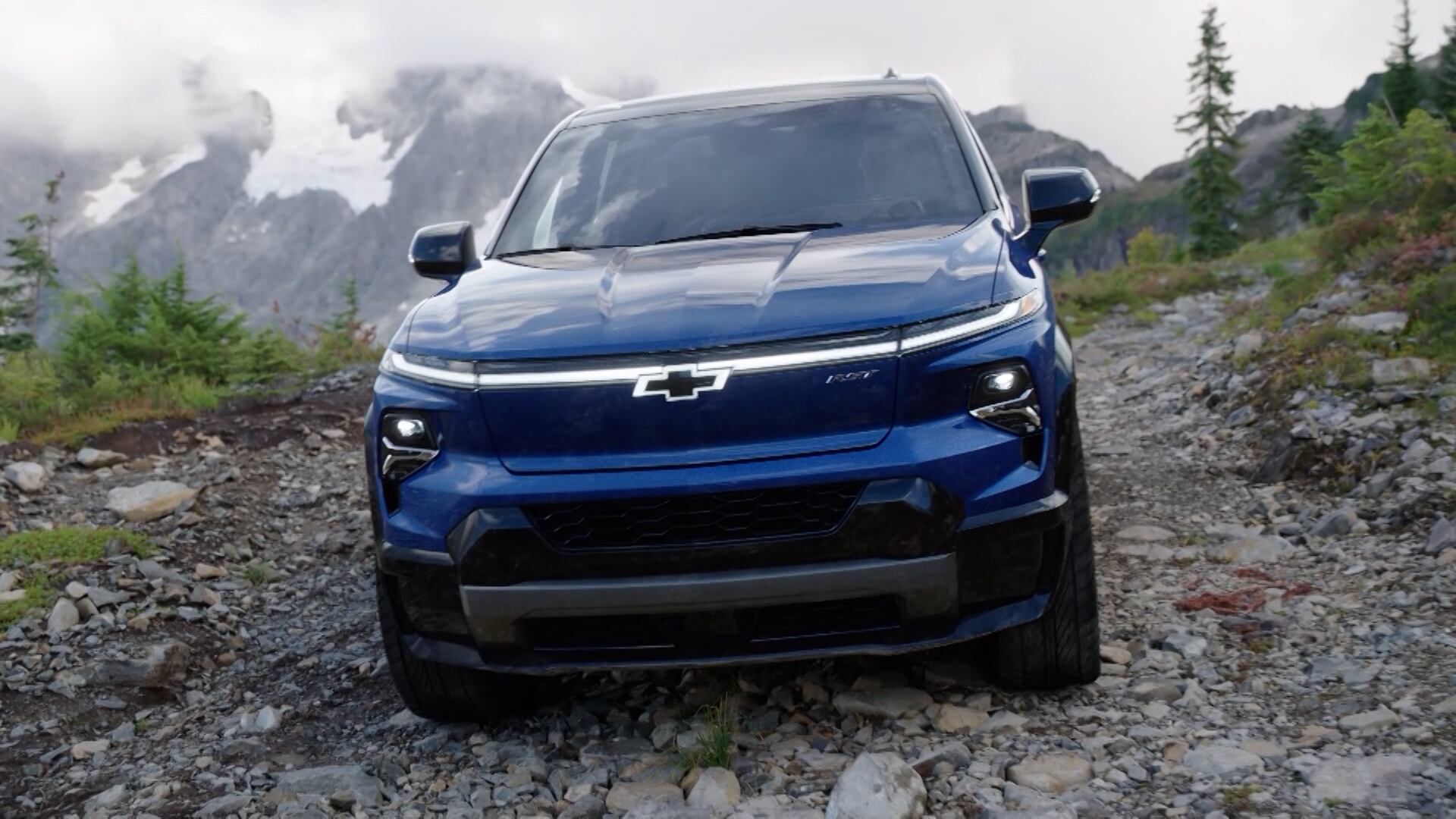
General Motors rolled out the newest addition to its EV fleet with the all-electric Silverado pickup truck. Deborah Wahl, chief marketing officer at GM, joined Cheddar to talk about the latest EV offering and how it matches up to its past gas-powered versions. She said she expects demand to soar after the "first-level truck" sold out in just 12 minutes and talked about steps GM plans to take to regain its title as top U.S. auto seller after being dethroned by Toyota in 2021 with emphasis on the EV market. "I think this is an exciting new inflection point for the market overall, for [an] idea of an all-electric future, and certainly shows that we're extremely committed to the idea of everybody in an electric vehicle," said Wahl.
With the annual CES convention underway amid COVID, HP unveiled rolled out a number of new products virtually this year, including new gaming PCs and 4K display monitors. But as industries look toward a greener future, HP is working with the climate crisis in mind. James McCall, chief sustainability officer at HP, joined Cheddar's Kristen Scholer to discuss the company's climate goals, which includes reducing its carbon footprint to net-zero by 2040. He admitted that reaching the ambitious goal will be difficult because much of the company's emissions totals come from third parties. "A large part of our footprint is outside of HP's direct control. A lot of it comes either from our incoming supply chain, the materials, our manufacturing process, or about 30 to 40 percent of it comes from our consumer-use base," McCall told Cheddar.