Jen Schwartz, senior editor and blockchain expert at Scientific American, talks the magazine's latest articles on the rise of Bitcoin and what impact cryptocurrencies may have on our future.
Schwartz digs into how what people currently love about cryptocurrency could be seen as a threat in the future. One of the positives of cryptocurrency is its lack of centralization and regulation. But if entire countries begin to use it as their national currency, everything citizens purchase will be seen by the government.
Schwartz digs into some of the biggest questions around the rise of Bitcoin today - how will it benefit everyday people in the long-term? What happens if the bubble bursts, and what will that do for investor trust in cryptocurrency?
Schwartz gives her advice for people looking to possibly invest in Bitcoin, adding that if you are not concerned with losing money and you're looking to experiment, make the investment. If risk is a big concern for you, investing in crypto right now may not be the right move.
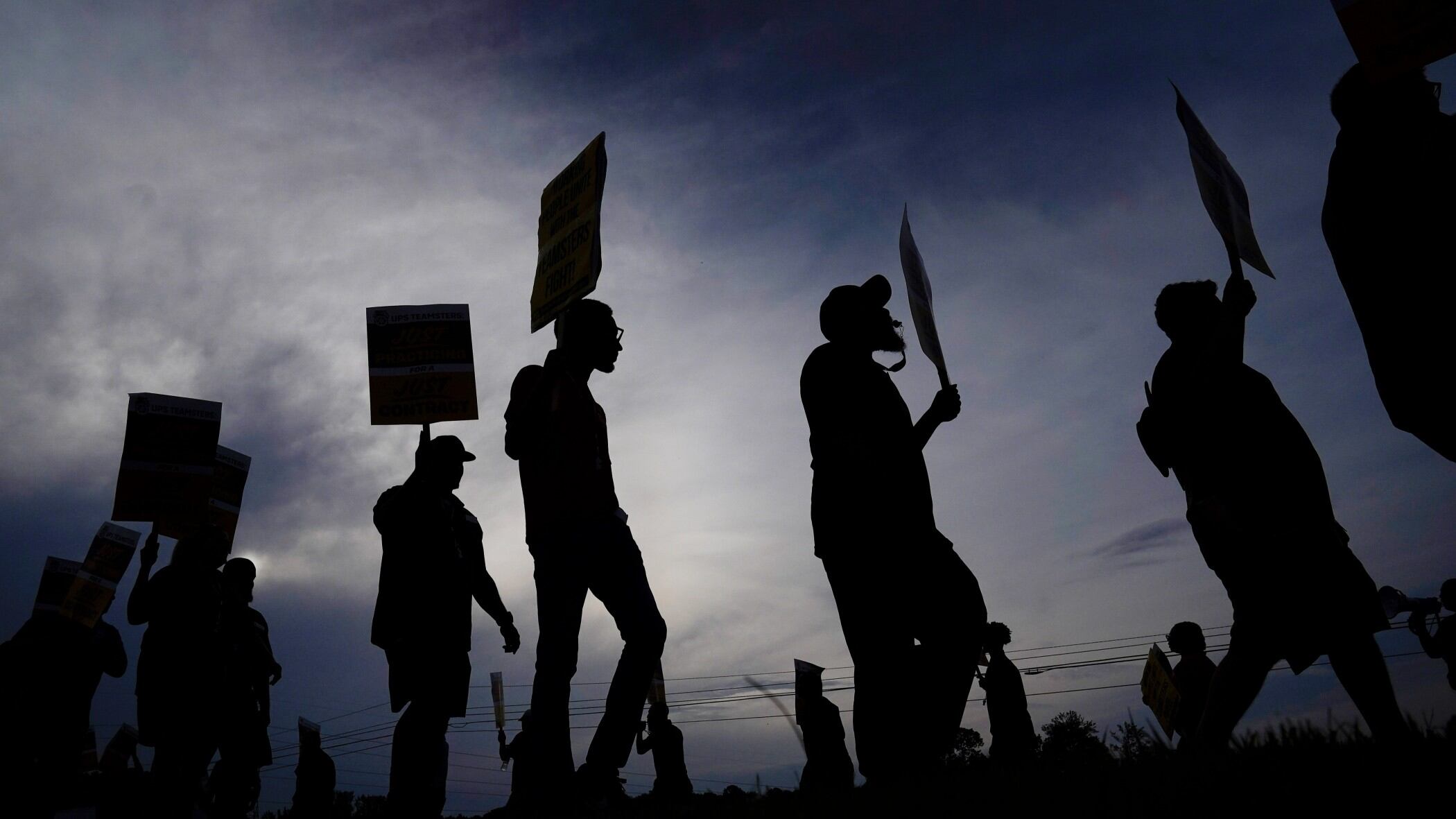
For all the differences on the surface of their jobs, Hollywood writers and UPS drivers are pushing back against the same trend.
The boom in new apartments is concentrated: in relatively few cities and in luxury units.
The Week's Top Stories is a guided tour through the biggest market stories of the week, from winning stocks to brutal dips to the facts and forecasts generating buzz on Wall Street. This week: Tupperware, Microsoft, Meta, Alphabet, Royal Caribbean, Alaska Air, Southwest and Ford.
Meta will add new retention 'hooks' to its Threads app.
Biotech firm Biogen agreed to acquire Reata Pharmaceuticals for $6.5 billion.
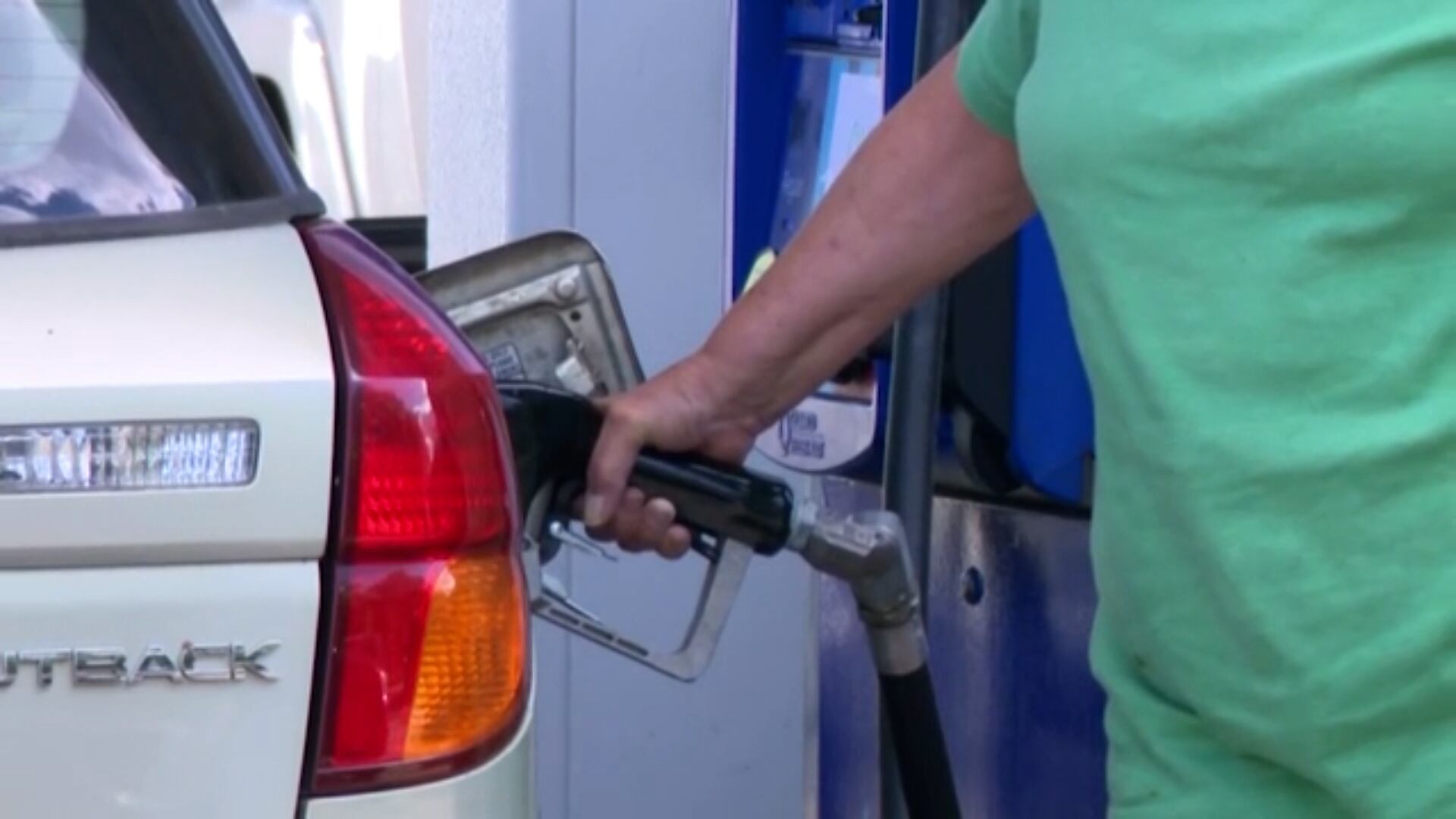
Gas prices have hit an eight-month high, according to AAA.
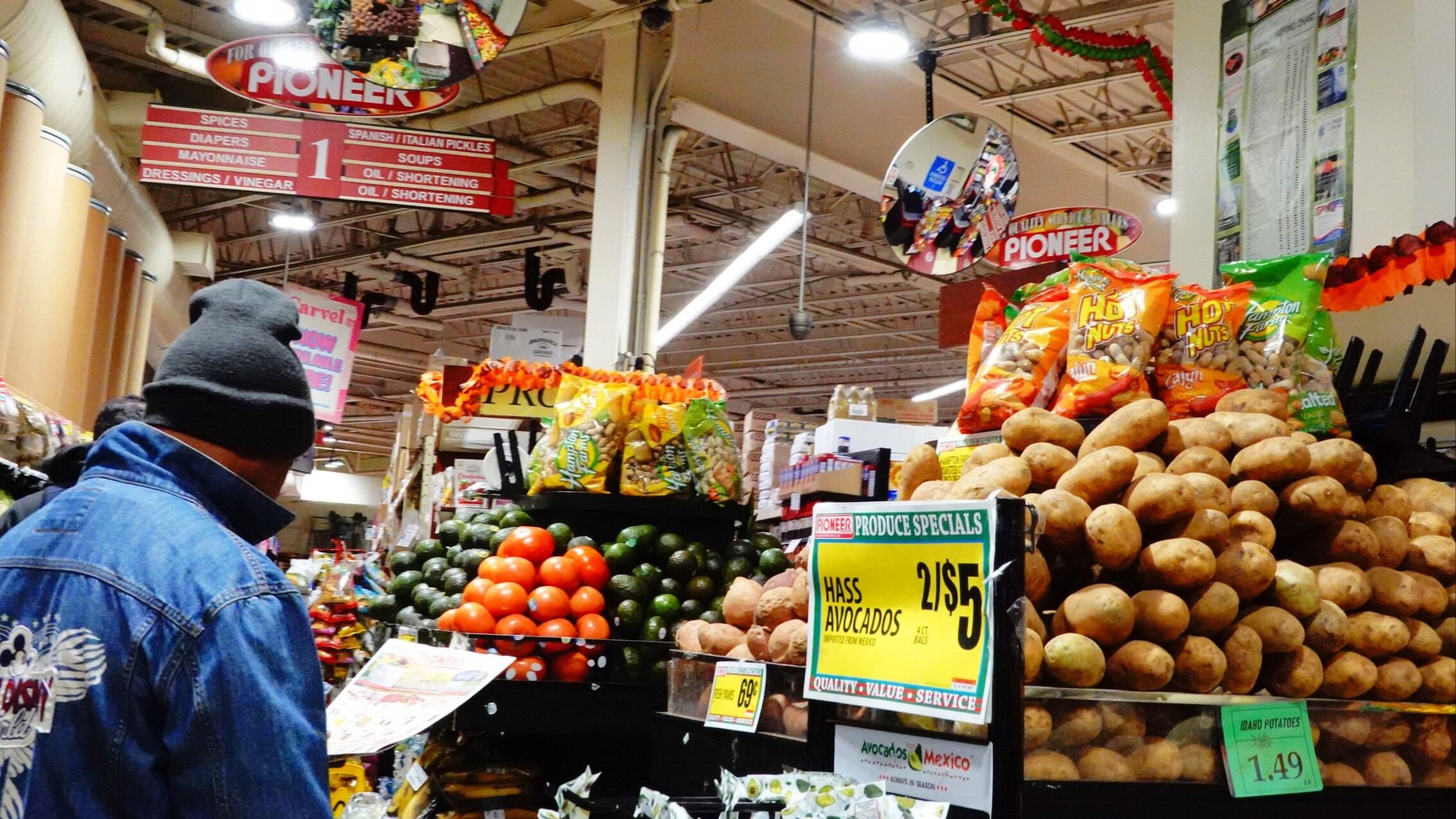
A key measure of inflation that the Fed watches closely reached its lowest level in almost two years.
Starbucks' fall menu has reportedly been leaked online.
One of Apple's earliest and rarest products, a pair of sneakers with the early logo, is being auctioned off.
A four-day work week makes employees more happier and efficient, according to a new study.