Jen Schwartz, senior editor and blockchain expert at Scientific American, talks the magazine's latest articles on the rise of Bitcoin and what impact cryptocurrencies may have on our future.
Schwartz digs into how what people currently love about cryptocurrency could be seen as a threat in the future. One of the positives of cryptocurrency is its lack of centralization and regulation. But if entire countries begin to use it as their national currency, everything citizens purchase will be seen by the government.
Schwartz digs into some of the biggest questions around the rise of Bitcoin today - how will it benefit everyday people in the long-term? What happens if the bubble bursts, and what will that do for investor trust in cryptocurrency?
Schwartz gives her advice for people looking to possibly invest in Bitcoin, adding that if you are not concerned with losing money and you're looking to experiment, make the investment. If risk is a big concern for you, investing in crypto right now may not be the right move.
Taking a look at investment strategy as the new year gets into full swing.
Americans stepped up their spending in December more than expected, closing out the holiday season and the year on an upbeat tone. The Commerce Department said retail sales rose 0.6% in December compared with a November’s 0.3% increase.
A New York architect charged in a string of slayings known as the Gilgo Beach killings was accused in a 25-year-old Connecticut woman's death.
Uber purchased Drizly in a cash-and-stock deal for $1.1 billion in 2021. The drink delivery app will shut down in March, according to Uber.
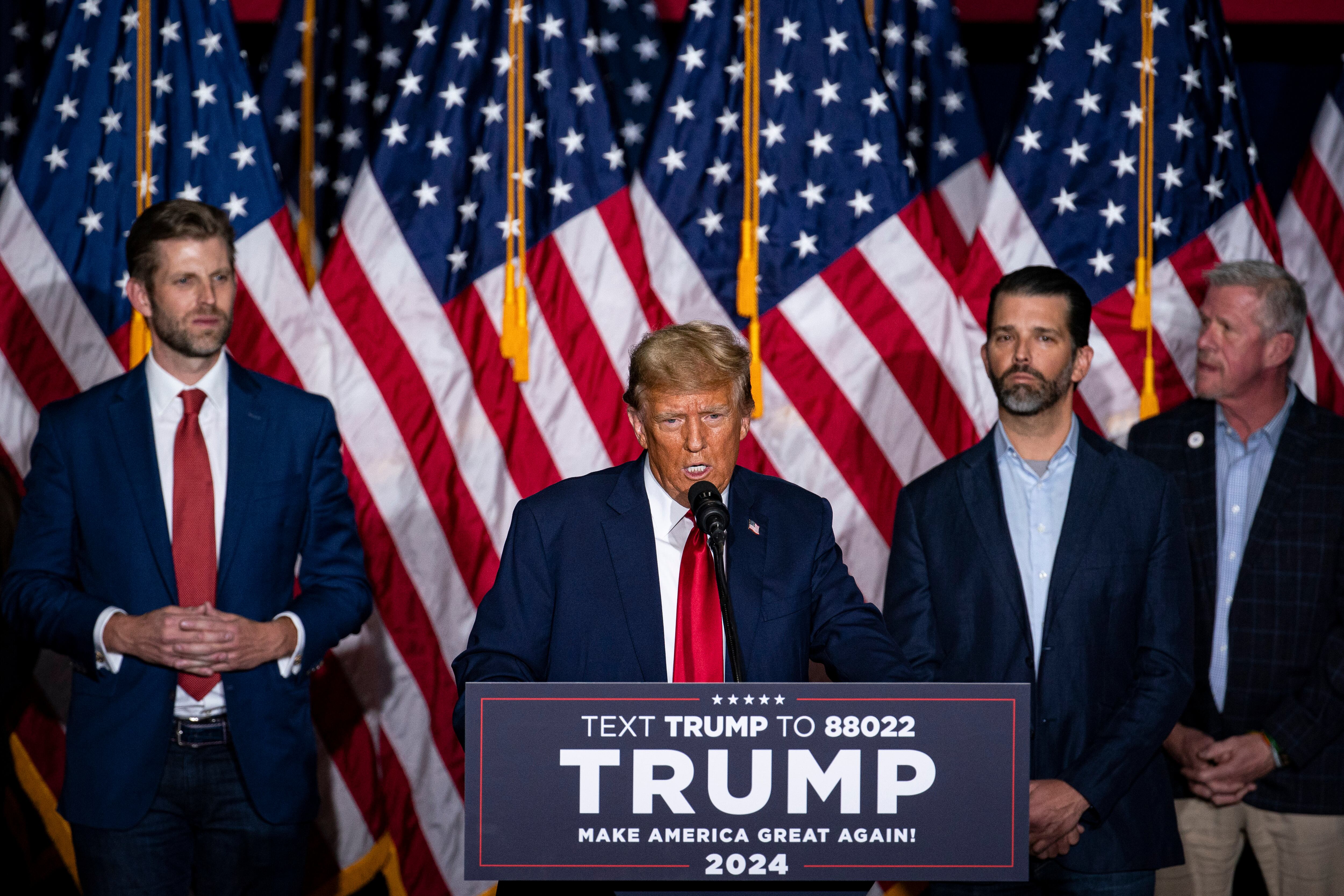
After Donald Trump's victory at the Iowa caucus, Nikki Haley and DeSantis continue their campaigns as New Hampshire's primary looms.
Christine Short, VP of Research at Wall Street Horizon, shares insights on small and big banks earnings, a fresh round of layoffs in the tech world, and what to expect from upcoming rate decisions.
More executives are feeling better about the global economy. But a growing number don’t think their companies will survive the coming decade without a major overhaul because of pressure from climate change and technology like artificial intelligence.
The International Olympic Committee has signed the first beer brand in the 40-year history of a sponsorship program that earns billions of dollars for the organization and international sports.
The latest calculations from several science agencies showing Earth obliterated global heat records last year may seem scary. But scientists worry that what’s behind those numbers could be even worse.
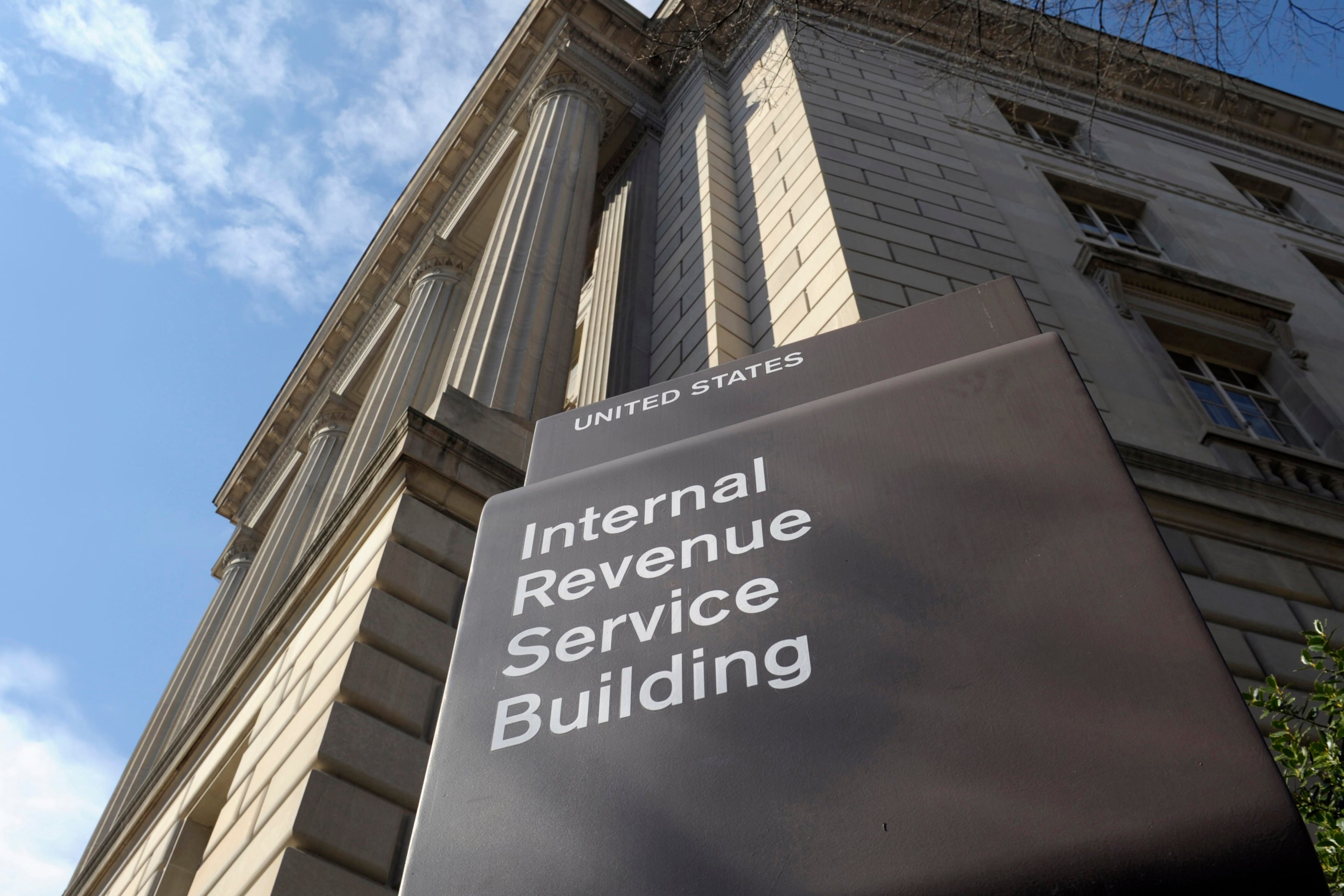
Along with the $122 million from delinquent millionaires in October, nearly half a billion dollars in back taxes from rich tax cheats has been collected.