Rose McGowan Plotted Harvey Weinstein's Fall for Two Decades
Today, Rose McGowan is at the frontlines of the #MeToo movement, pushing for change and transparency.
But getting to this point has been a two-decade long journey of planning and strategizing for the actress and activist.
McGowan told Cheddar that ever since Harvey Weinstein sexually assaulted her in 1997, she “set about going after him.”
“[In] a very David vs. Goliath sort of way, I took a TV show that was not my pace,” she said, referring to her role as Paige Matthews in the hit show “Charmed.”
“But strategically...I knew if I could go into the show and hang on, when it was time to press the button so to speak, it would be newsworthy all over the world.”
Her determination to bring down Weinstein and upend Hollywood’s male-dominated structure is also driven by her childhood experience as part of the cult “Children of God,” which she said has many parallels with Hollywood.
“Anytime you have a power structure with a few people at the top [who] are benefiting, and you aren’t, and you’re all doing things collectively that make it better for them…that really is the definition of a cult,” she explained.
Hollywood “is a pretty beastly place” that is “making the mirror for you to look in,” which puts it in a dangerously powerful position, she said.
Still, McGowan said she’s “inherently optimistic” and hasn’t let her experiences harden her.
She recounts her journey of dealing with sexual assault in her new book “Brave.”
For the full interview, [click here](https://cheddar.com/videos/rose-mcgowan-on-the-hollywood-cult).
Student loan debt continues to be a major concern for tens of millions of Americans who collectively owe about $1.7 trillion. Black college students often take on larger amounts of student debt in order to pay for a higher education. In turn, they are more likely to struggle post-graduation with repaying their debt, creating a racial wealth gap divide. Andre Perry, senior fellow at Brookings Institution joined All Hands to help break down the black student debt crisis.
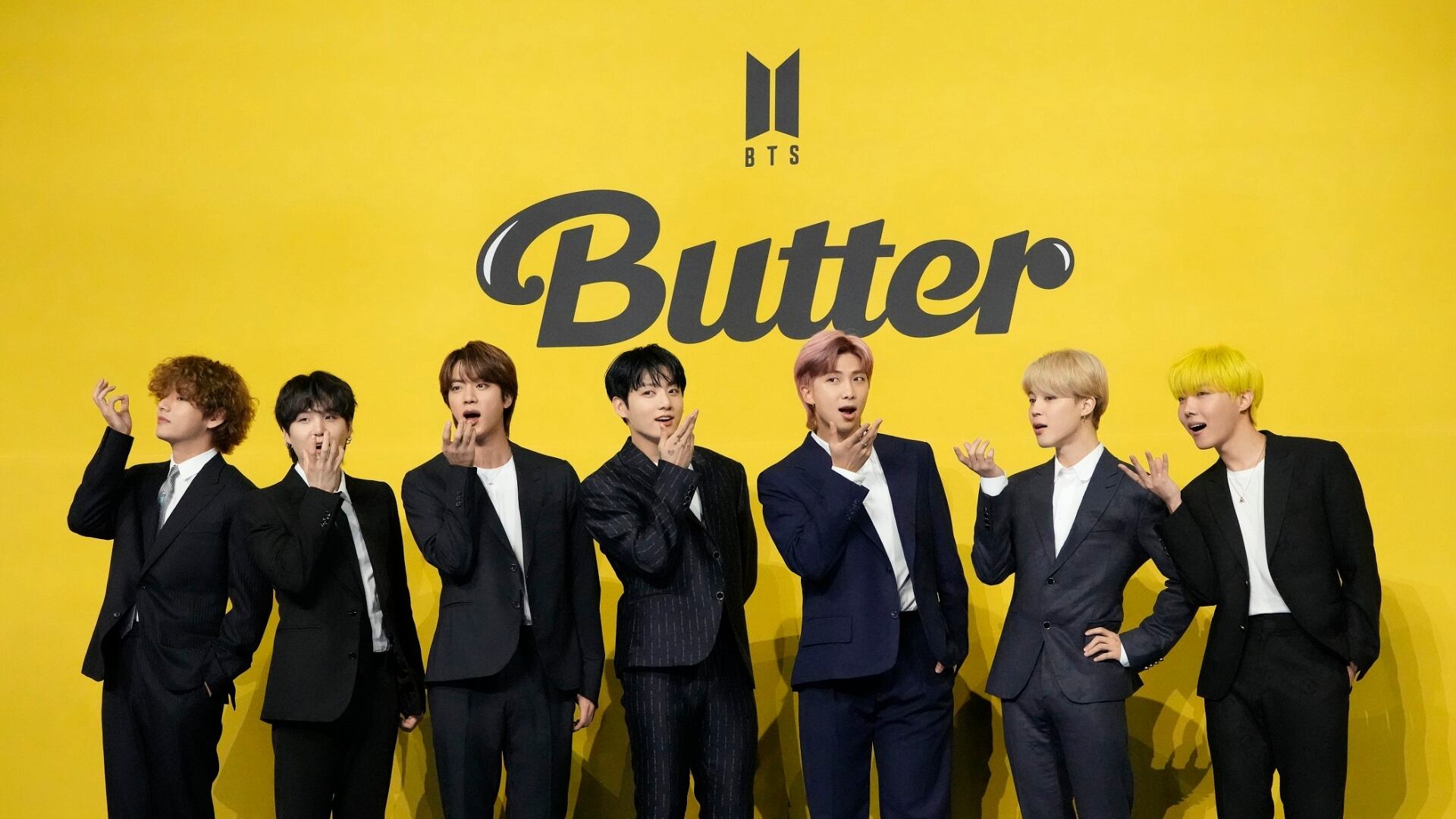
BTS’ hit single “Butter” tops the zeitgeist again, bumping back up to number one on Billboard’s Hot Trending Chart. The chart tracks what songs people are talking about rather than what they're listening to.
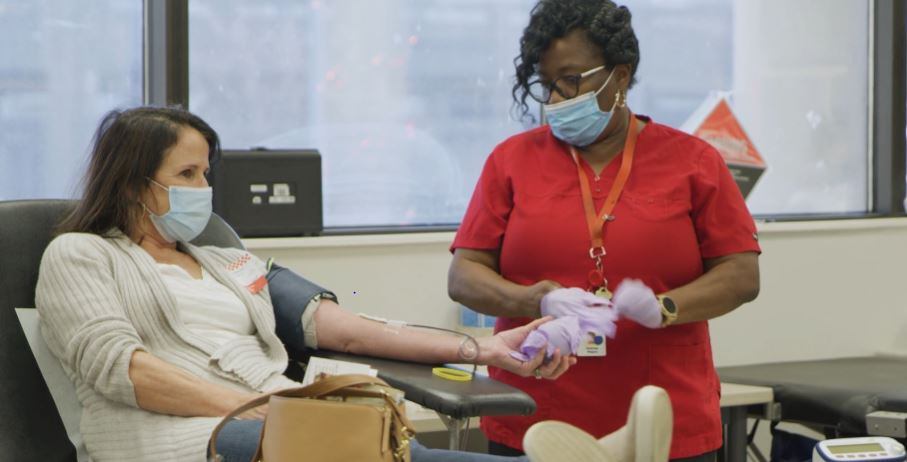
The American Red Cross has declared its first-ever "national blood crisis" in the United States. Since COVID hit the U.S. in March 2020, blood donations have declined by 10 percent. American Red Cross Medical Director, Dr. Baia Lasky joined Cheddar News to discuss the country facing the worst blood shortage in over a decade. Dr. Lasky noted that as much as 40 percent of Americans are eligible to donate blood but only about 4 percent do so. "This is going to be ongoing," she said. "This is not an acute shortage. We really do need the commitment of people to come out and donate and donate again." Appointments to donate can be made by using the Red Cross Donor App, at RedCrossBlood.org, or calling 1-800-RED CROSS (1-800-733-2767).
On this episode of ChedHER: Co-Founder of VC firm CaJE breaks down how she's creating a new era of venture capital and empowering Black women with 'soil' funding to start and grow their businesses; AYO Foods Co-Founder discusses how the brand is bringing West African cuisine to the frozen food industry and building a grocery aisle her daughters can be proud of; Chief Marketing & Customer Experience Officer at Chase Auto talks her experience being a woman of color in the auto industry, and why transportation is so important to financial freedom.
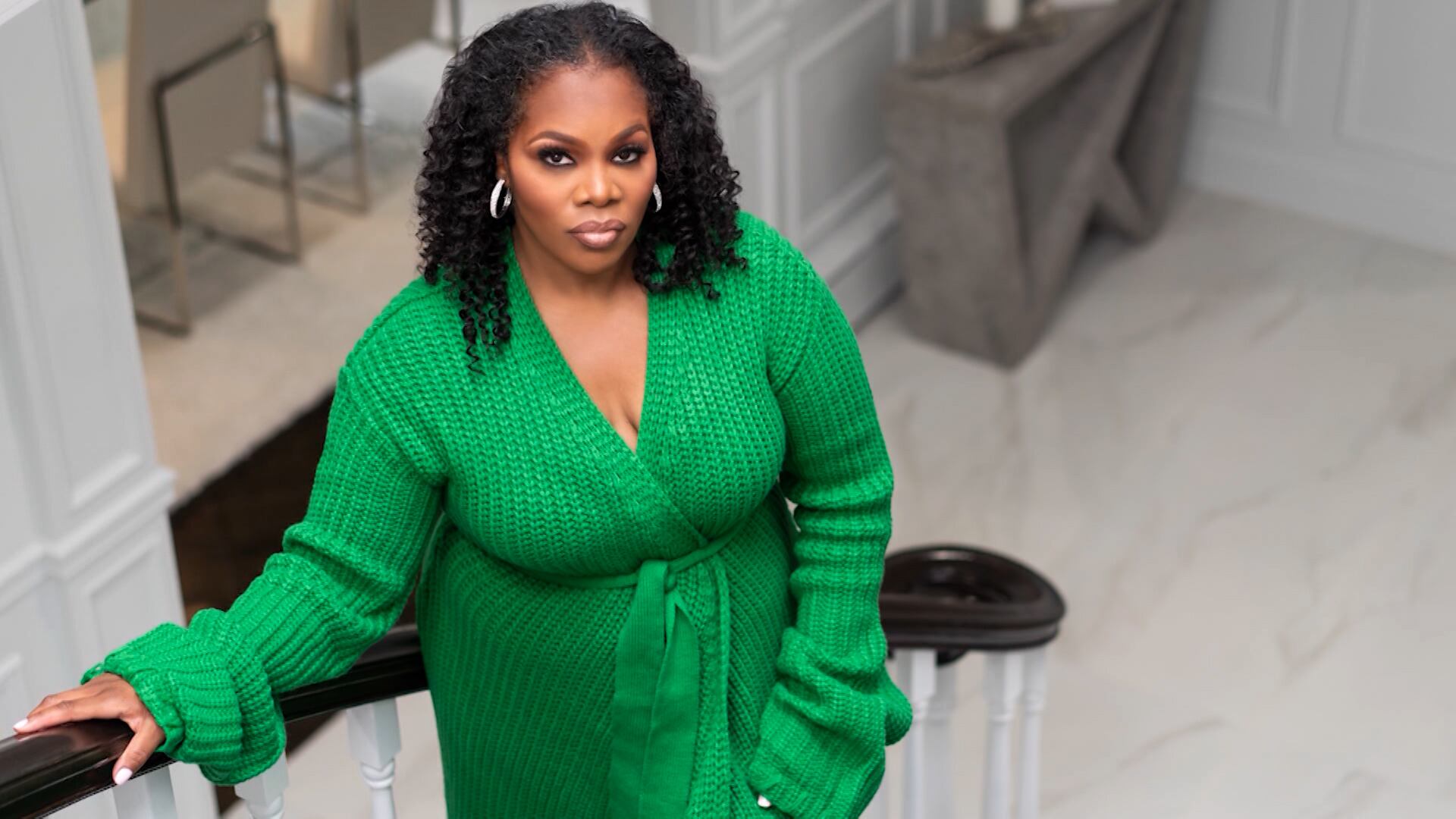
Renée Horne, chief marketing and customer experience officer at Chase Auto, joins ChedHER to discuss her experience being a woman of color in the auto industry and why transportation is so important to financial freedom.
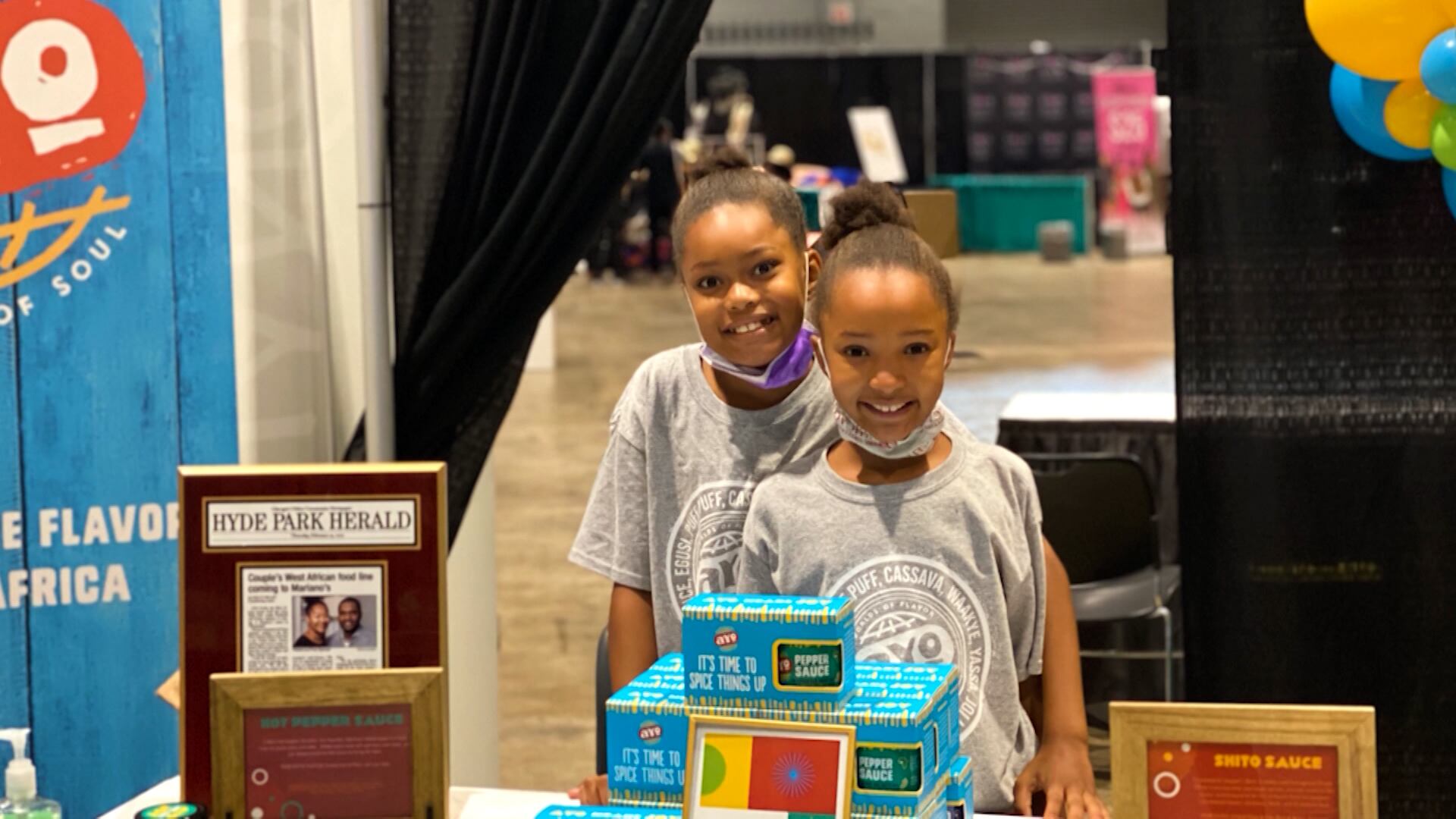
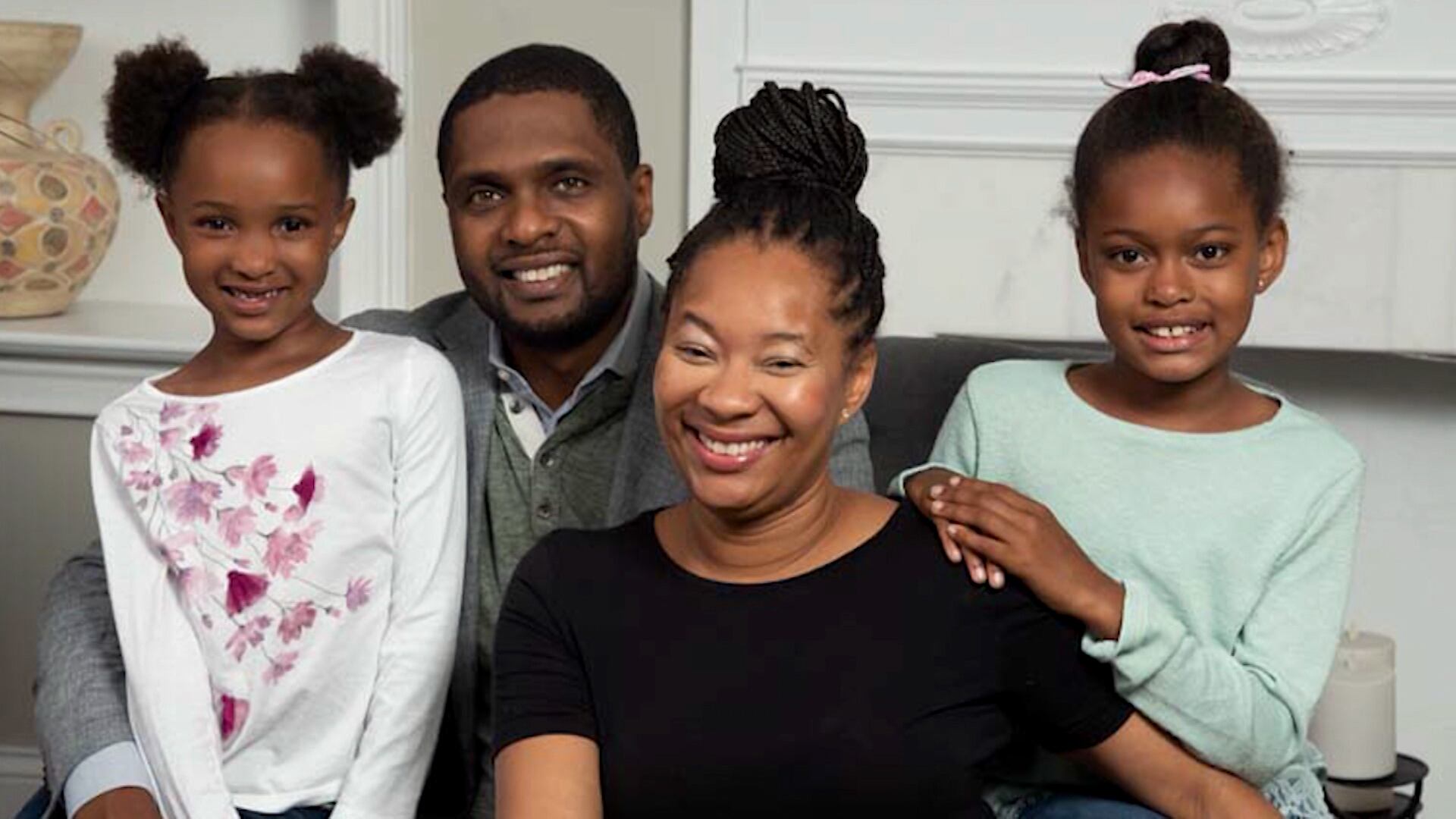
Perteet Spencer, Co-Founder of AYO Foods, joins ChedHER to discuss how the brand is bringing West African cuisine to the frozen food industry and building a grocery aisle her daughters can be proud of.
Crystal Etienne, Founder and CEO of period apparel company Ruby Love and Co-Founder of VC firm CaJE, joins ChedHER to discuss her experience bootstrapping her company to $10 million, and how she's creating a new era of venture capital and empowering Black women with 'soil' funding to start and grow their businesses.