*By Britt Terrell*
For electric vehicles to truly take off with consumers, car dealerships will have to get on board, and manufacturers will have to find ways to competitively price their cars for American drivers.
A new [study](https://electrek.co/2018/05/21/electric-car-adoption-deceptive-car-dealerships-new-study/) about European car-buying in the journal Nature Energy found that car dealers may be hurting the sales and adoption of electric vehicles because salespeople are "dismissive and deceptive."
Brian Deagon, a senior reporter at Investor's Business Daily, said the same is likely true in the United States.
"We're on a slow growth track," Deagon said Wednesday in an interview with Cheddar. "Even though we've heard so much about hybrid vehicles and electric cars, they still represent something like 1 percent of the total cars on the road in the U.S."
Electric cars generally cost more than gas cars. Business Insider [estimates](http://www.businessinsider.com/electric-cars-roadblocks-tax-credit-2018-4?r=UK&IR=T) that the average price ー before subsidies and incentives ー for electric vehicles is around $42,000 compared to $34,000 for the average new car.
Federal and state governments are also beginning to back away from subsidies once granted to companies like Tesla to reduce the price of electric vehicles.
"Here in the state of California, for example, millions and millions have been applied to those subsidies and many consumers have been enticed by these subsidies, saving $7,000 or more," said Deagon. "That's a lot of money."
Car manufacturers will have to find news ways to make electric cars less expensive in the future.
"There is going to be a tremendous amount of familiarization that needs to take place, and it will," said Deagon. "But again, over time, I think people will go into a car lot and go 'Do I get an electric car or a gas car?' and it's going to come down to which one represents the better value for the consumer."
Automakers including Tesla, Ford, GM and BMW are investing billions in electric vehicles, Deagon said. "They'll certainly have the finances to persuade the car dealers at some point to open their doors and promote their cars."
For full interview, [click here](https://cheddar.com/videos/electric-vehicles-dealership-dilemma).
U.S. stocks closed Thursday at their lowest levels of the trading day, as investors continue to eye inflation ahead of the May CPI report out Friday. Art Hogan, Chief Market Strategist for National Holdings, joins Cheddar News' Closing Bell to discuss.
Creating a brand is one of the most important steps in building a business. It can help set you apart from the competition and tells customers what your values are, but many companies don't know how to brand themselves effectively. Tiana Von Johnson, CEO & Chief Brand Strategist of TVJ World, gives expert tips on the do’s and don’ts of branding.
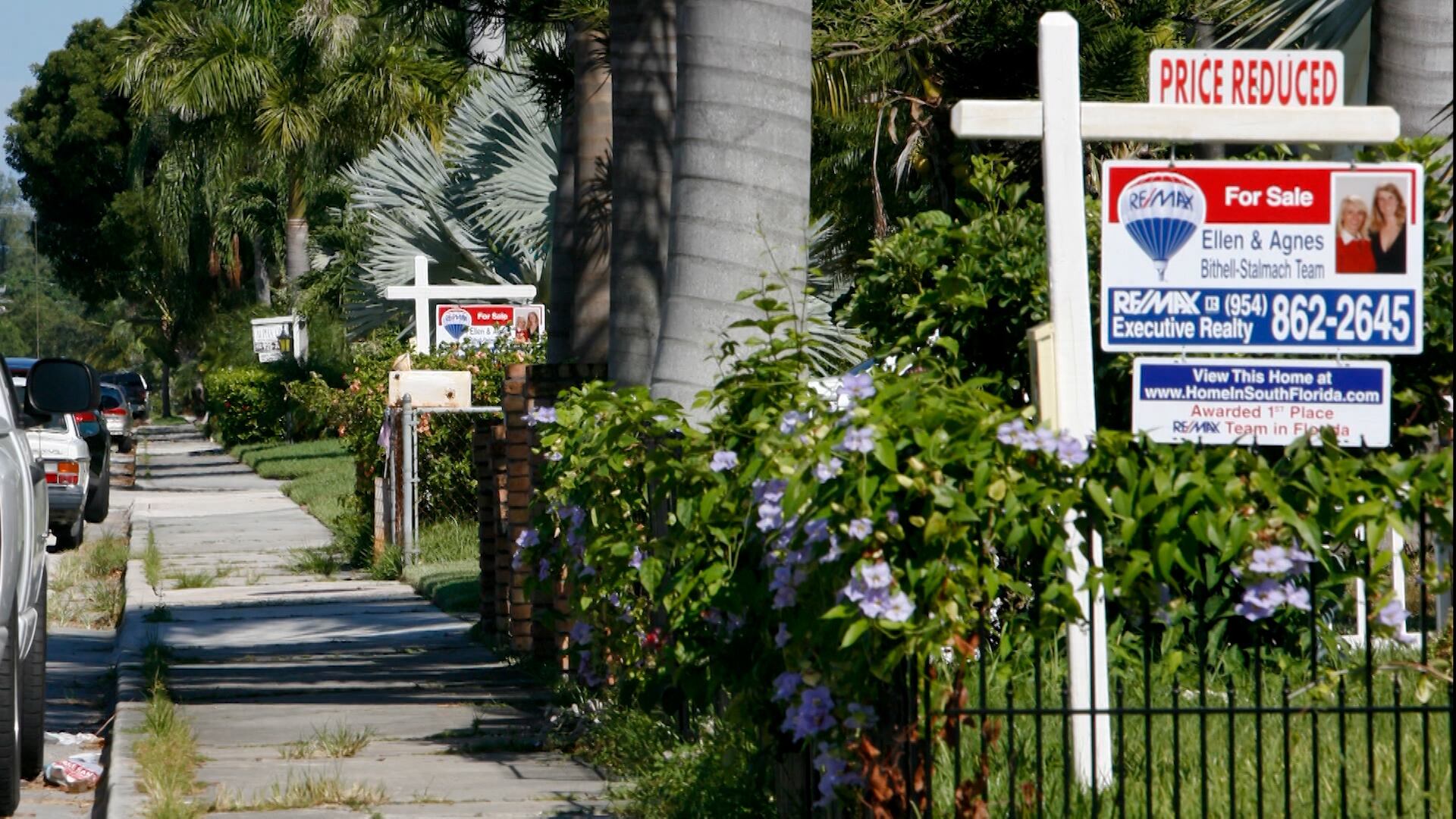
Housing affordability has collapsed to its lowest level on record over the last year. According to the national association of realtors, affordability has dropped by 29%, thanks to surging home prices and mortgage rates. Odeta Kushi, Deputy Chief Economist of First American, breaks down the housing market, and when buyers can expect prices to finally drop.
U.S. markets opened sharply lower on Friday on hotter-than-expected inflation data. The May CPI showed an 8.6% jump in consumer prices year-over-year, higher the expected 8.3%. Mark Howard, Senior Multi-Asset Specialist at BNP Paribas joined Cheddar's Opening Bell to discuss.
U.S. stocks closed Friday at session lows after May CPI data showed inflation in the U.S. has not peaked and is still rising rapidly. For the week, the S&P fell 5.06%, the Dow lost 4.58%, and the Nasdaq dropped 5.60%, marking the worst week since January for all three major indexes. Mike Zigmont, Head of Trading and Research at Harvest Volatility Management, joins Cheddar News' Closing Bell to discuss.
Residents often have to wait on federal assistance after a disaster, but one group has a solution: hiring community members to help clean up and improve their neighborhoods. Resilience Force tackles two problems at once by creating jobs in response to growing climate-related disasters. LaTanja Silvester, director of New Orleans programming for Resilience Force, joins Closing Bell to discuss how the organization creates jobs in communities that need help and higher employment, the importance of creating a "green" workforce, and more.
Benefits brokerage, Nava Benefits, raised $40 million in a Series B round. Nava says it's on a mission to fix healthcare, one benefits plan at a time. The startup is working to bring benefits to small business that are normally available to only Fortune 500 companies. Brandon Weber, Co-Founder and CEO of Nava Benefits, joined Cheddar News' Closing Bell to discuss.
Yung Lim, CEO and Fixed Income Strategist at FolioBeyond, joined Closing Bell to discuss the May CPI report, as inflation is still red-hot going into a key decision from the Federal Reserve about interest rates.