In this handout photo taken from a footage released by Russian Defense Ministry Press Service on March 26, 2021, A Russian nuclear submarine breaks through the Arctic ice during military drills at an unspecified location. Russian President Vladimir Putin on Friday hailed the military's performance during recent Arctic drills, part of Moscow's efforts to expand its presence in the polar region. (Russian Defense Ministry Press Service via AP)
By Vladimir Isachenkov
Russian President Vladimir Putin on Friday hailed the military's performance during recent Arctic drills, part of Moscow's efforts to expand its presence in the polar region.
Navy chief Adm. Nikolai Yevmenov reported to Putin that the exercise has featured three nuclear submarines simultaneously breaking through Arctic Ice, and warplanes flying over the North Pole.
This week’s drills were conducted around Alexandra Land, an island that is part of the Franz Josef Land archipelago where the military has recently built a base.
Russia has prioritized beefing up its military presence in the Arctic region, which is believed to hold up to one-quarter of the Earth’s undiscovered oil and gas. Putin in the past has cited estimates that put the value of Arctic mineral riches at $30 trillion.
Russia, the United States, Canada, Denmark and Norway all have been trying to assert jurisdiction over parts of the Arctic, as shrinking polar ice opens new opportunities for tapping resources and opening new shipping lanes.
As part of its efforts to project its power over the Arctic, the Russian military has rebuilt and expanded numerous facilities across the polar region in recent years, revamping runways and deploying additional surveillance and air defense assets.
As part of this week's maneuvers, a pair of MiG-31 fighters flew over the North Pole, Yevmenov said. A Defense Ministry video featured them being refueled by a tanker plane.
The video also showed three nuclear submarines that smashed through the Arctic ice next to one another.
Putin noted that the exercise was unprecedented for the military and praised its skills. He added that the maneuvers also have proven the reliability of Russian weapons in polar conditions.
“I order to continue Arctic expeditions and research in the Far North to help ensure Russia's security,” Putin told the navy chief.
The Russian military has expanded the number and the scope of its war games amid bitter tensions in ties with the West, which have sunk to post-Cold War lows after Russia’s 2014 annexation of Ukraine’s Crimea.
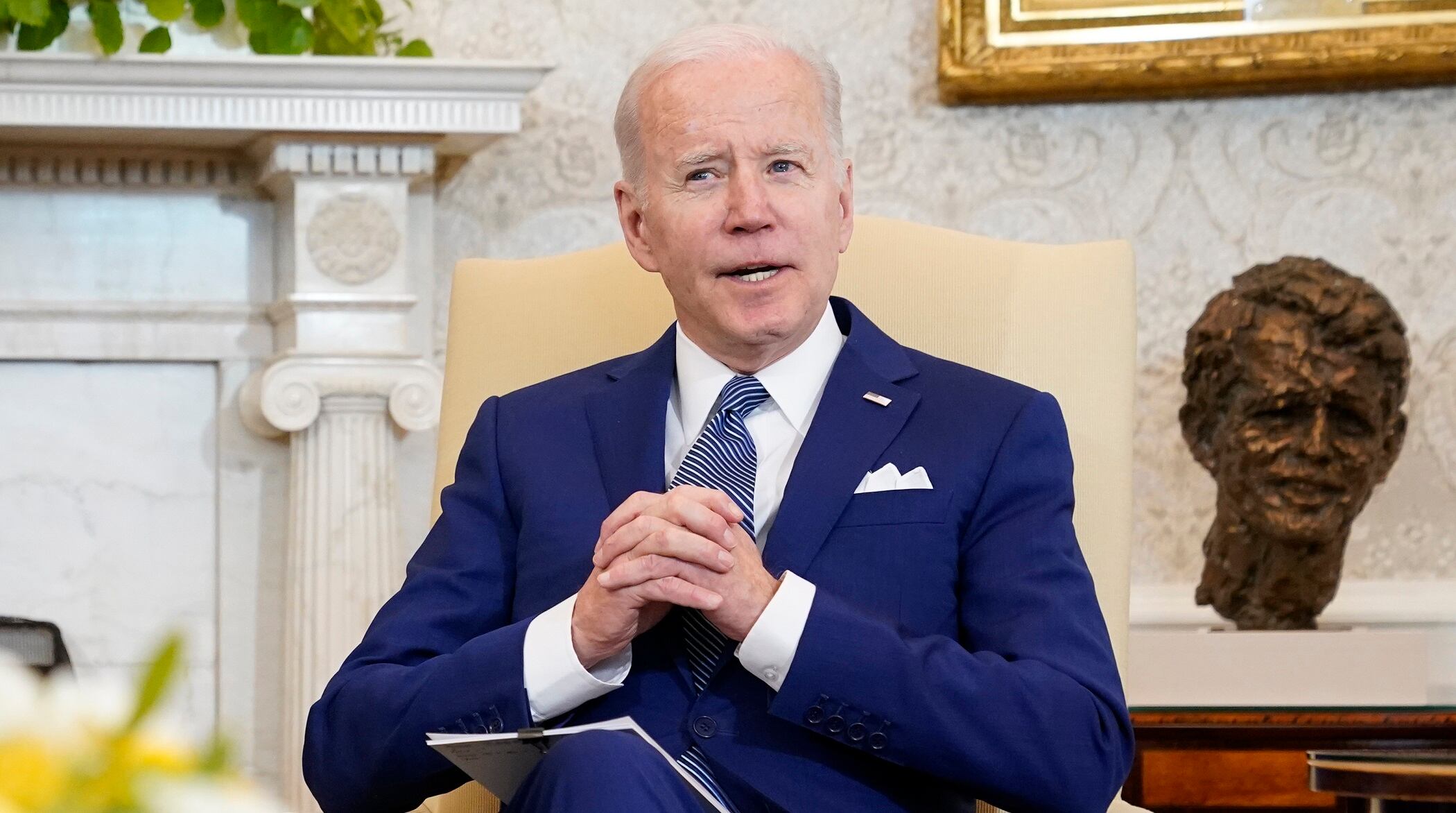
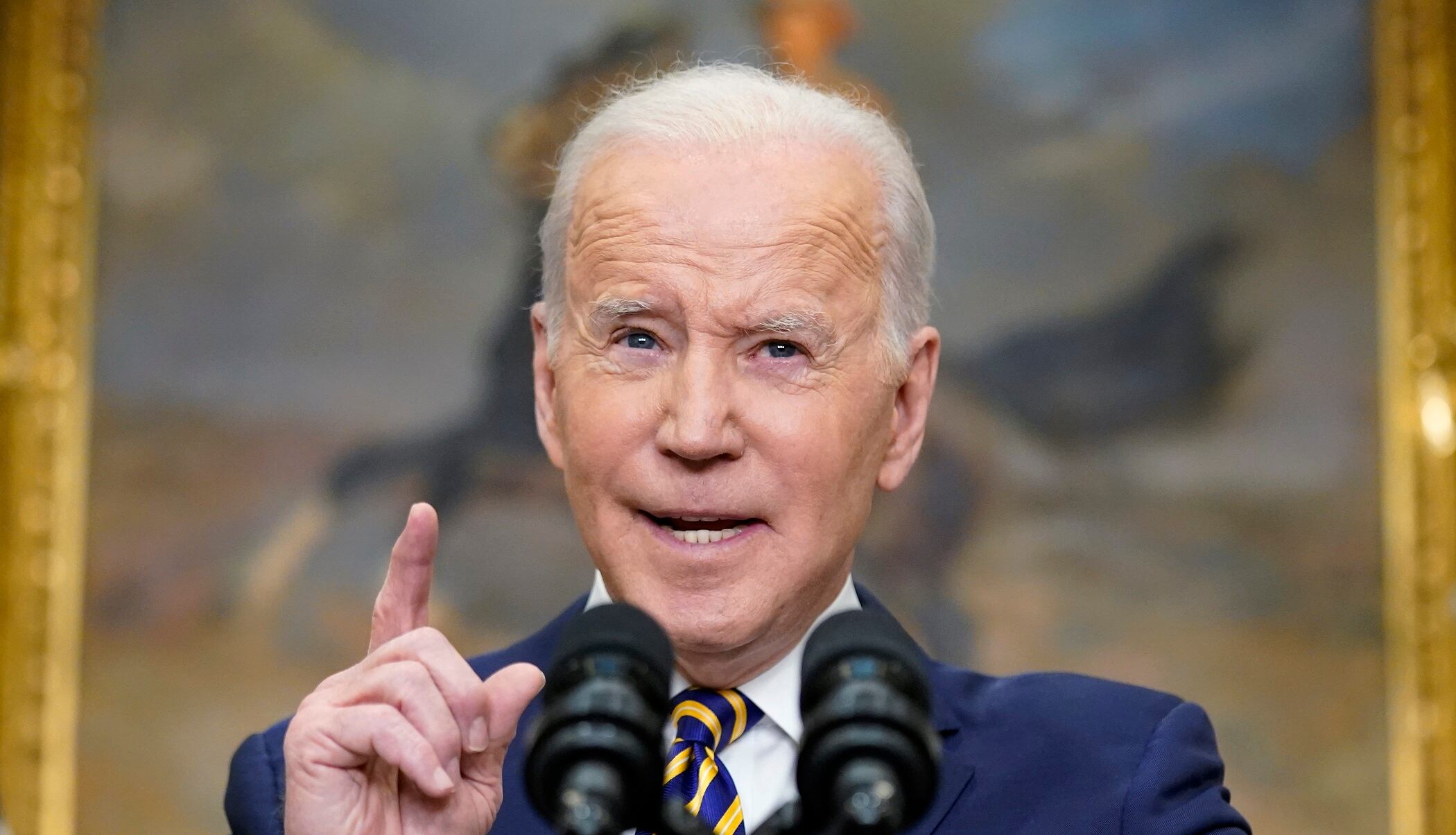
President Joe Biden on Wednesday signed a long-awaited executive order on cryptocurrencies, striking a careful balance between highlighting the risks of digital assets and touting their potential benefits.
McDonald’s said Tuesday it is temporarily closing all of its 850 restaurants in Russia in response to the country's invasion of Ukraine. The burger giant said it will continue paying its 62,000 employees in Russia.
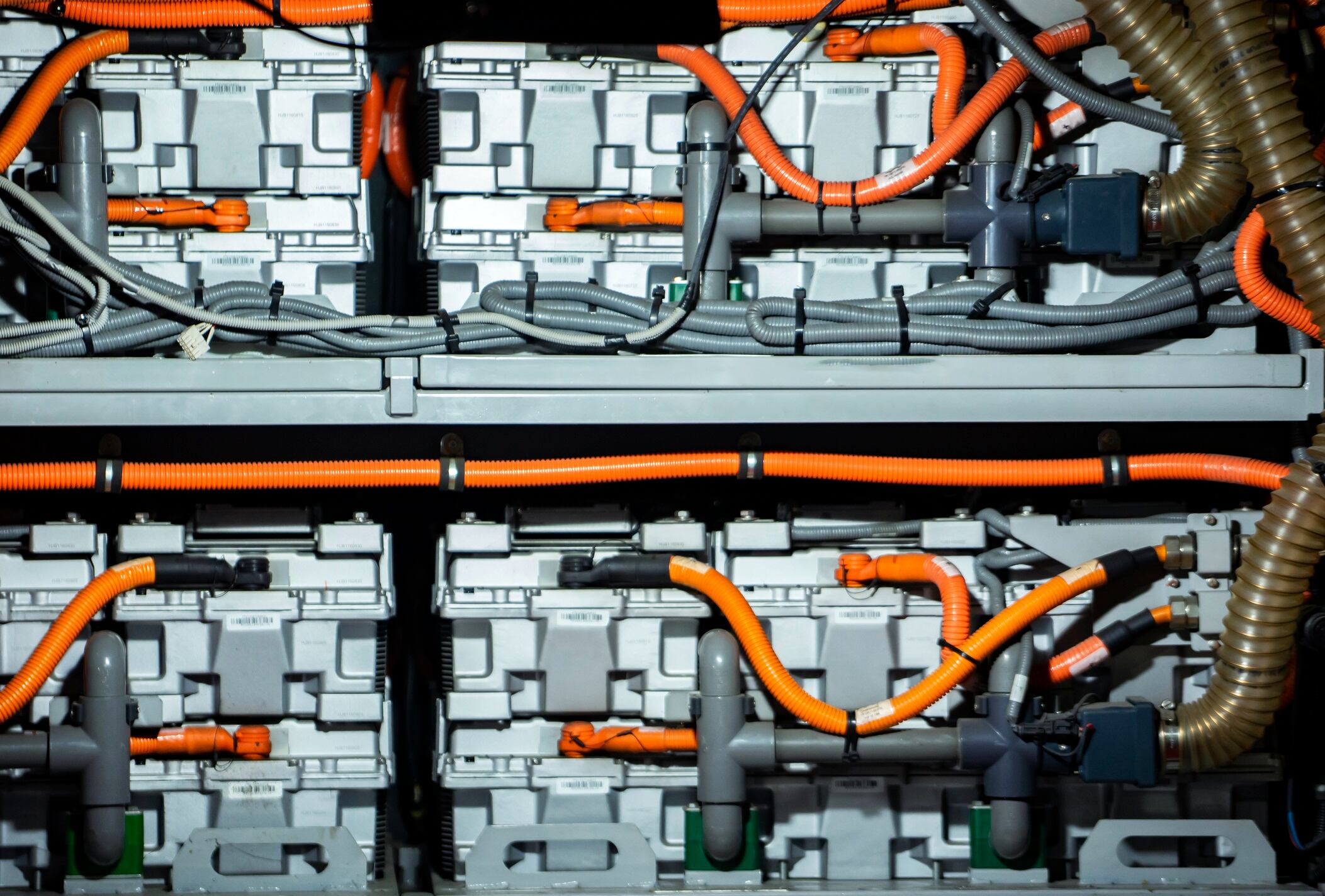
The price of nickel, one of the key minerals needed to produce stainless steel and lithium-ion batteries, saw an unprecedented surge Tuesday amid fears that Western sanctions could cut off Russian supplies of the crucial commodity.
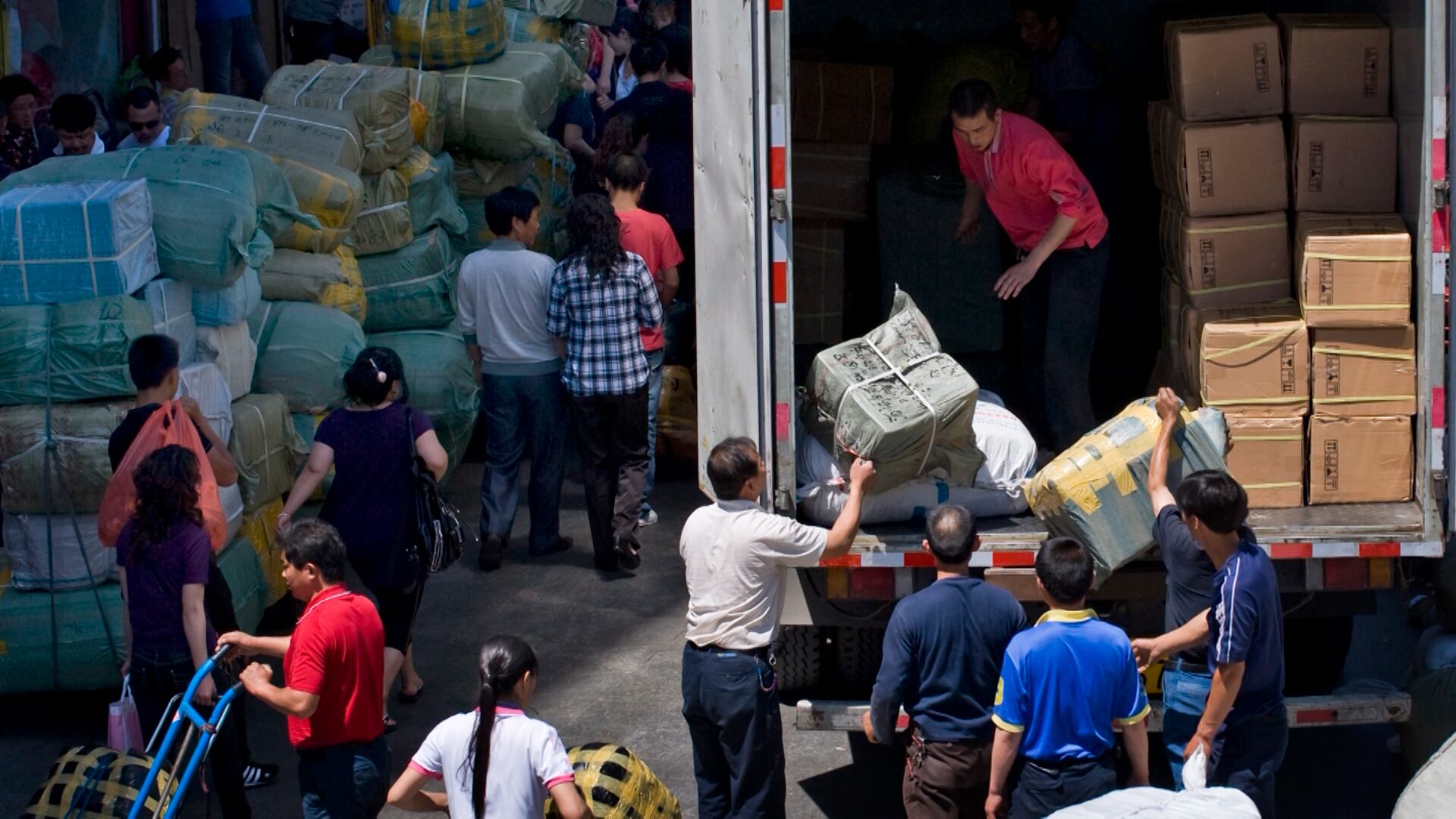
As Western companies cut ties with Russia over its invasion of Ukraine, there's a possibility their Chinese rivals could move in and fill the void. Major corporations such as Apple, Samsung, Dell, and more have halted sales in Russia in hopes of encouraging Putin to back down, but now it seems those sanctions could be presenting a unique opportunity for China. Michael Friedson, Co-founder and Executive Editor of The Media Line News Agency, joined Cheddar's Opening Bell to discuss how these Western boycotts are reshaping geopolitical alignments, the global economy, and international trade.
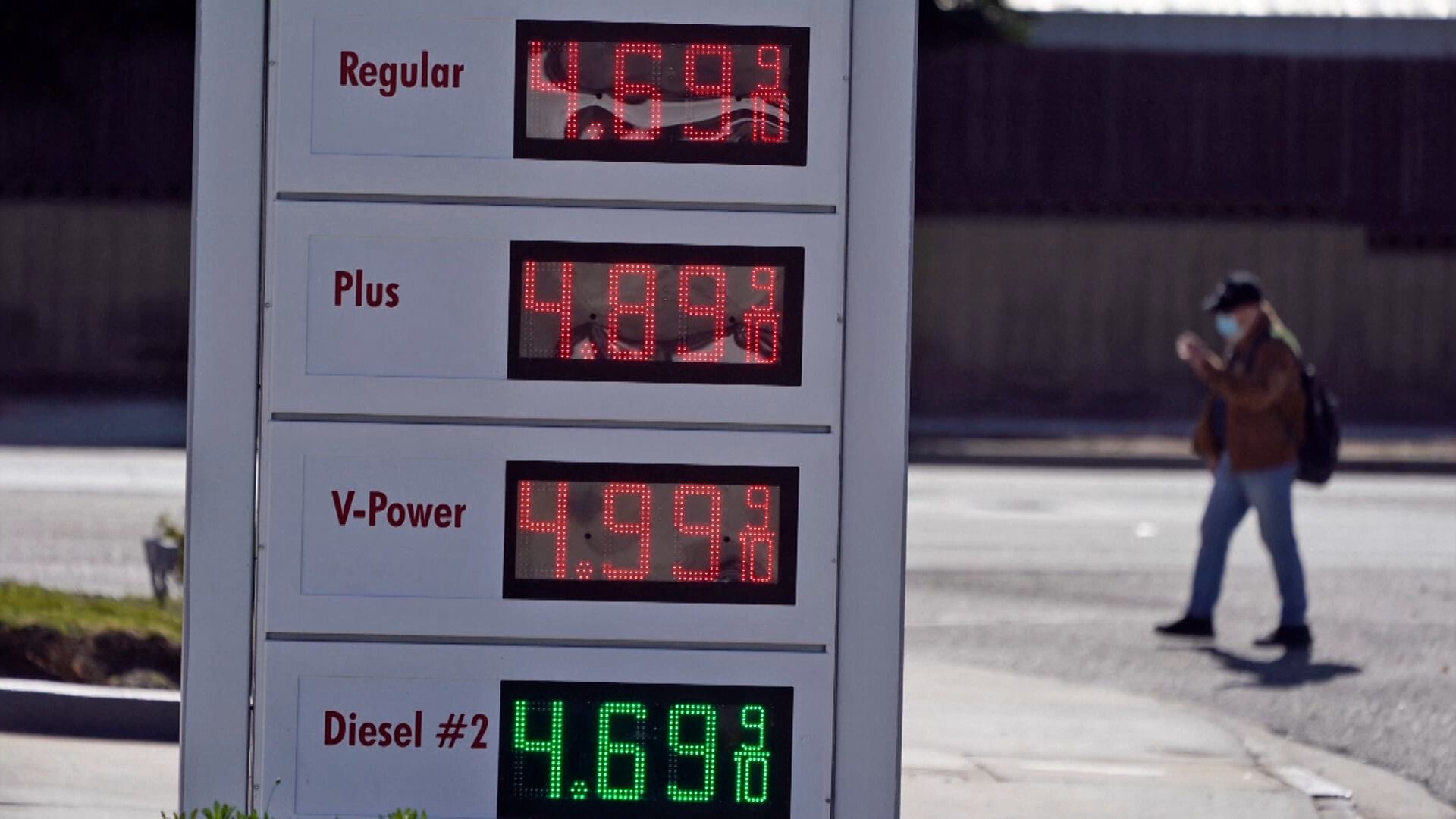
Gas prices have reached their highest level since 2008, topping an average of $4 across the country. The surge comes as Russia's invasion of Ukraine triggers supply concerns in what was already an extremely tight oil market. Jay Hatfield, Chief Investment Officer at ICAP, breaks down why costs at the pump are so high right now, and just how high they could go.
President Joe Biden has announced that the U.S. will ban all Russian oil imports, toughening the toll on Russia’s economy in retaliation for its invasion of Ukraine.
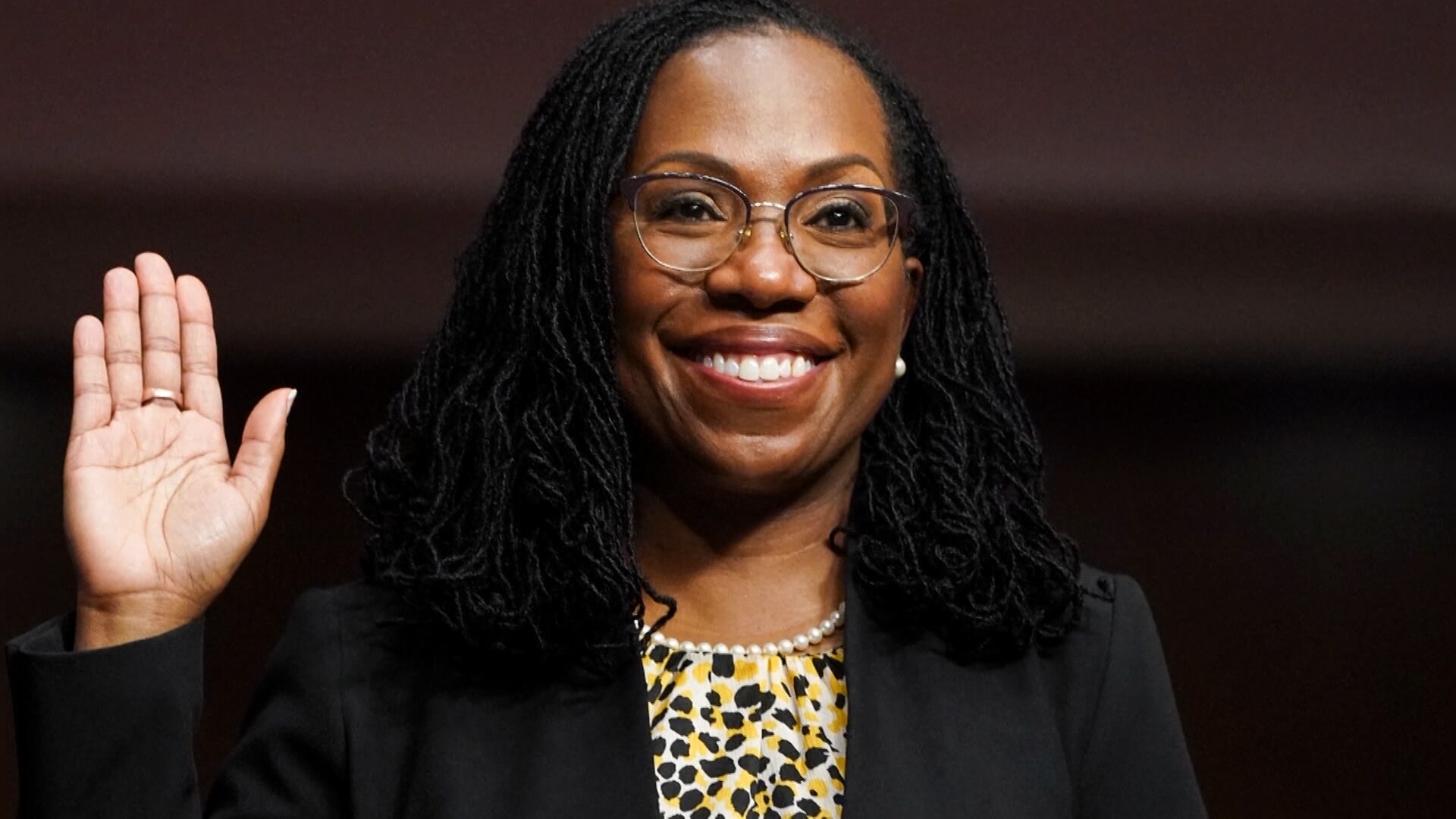
If confirmed, judge Ketanji Brown Jackson could become the first black woman on the bench of the U.S. Supreme Court. Cheddar News speaks with Katie Barlow, Chief Legal Correspondent at Fox 5 to discuss the significance of the nomination.
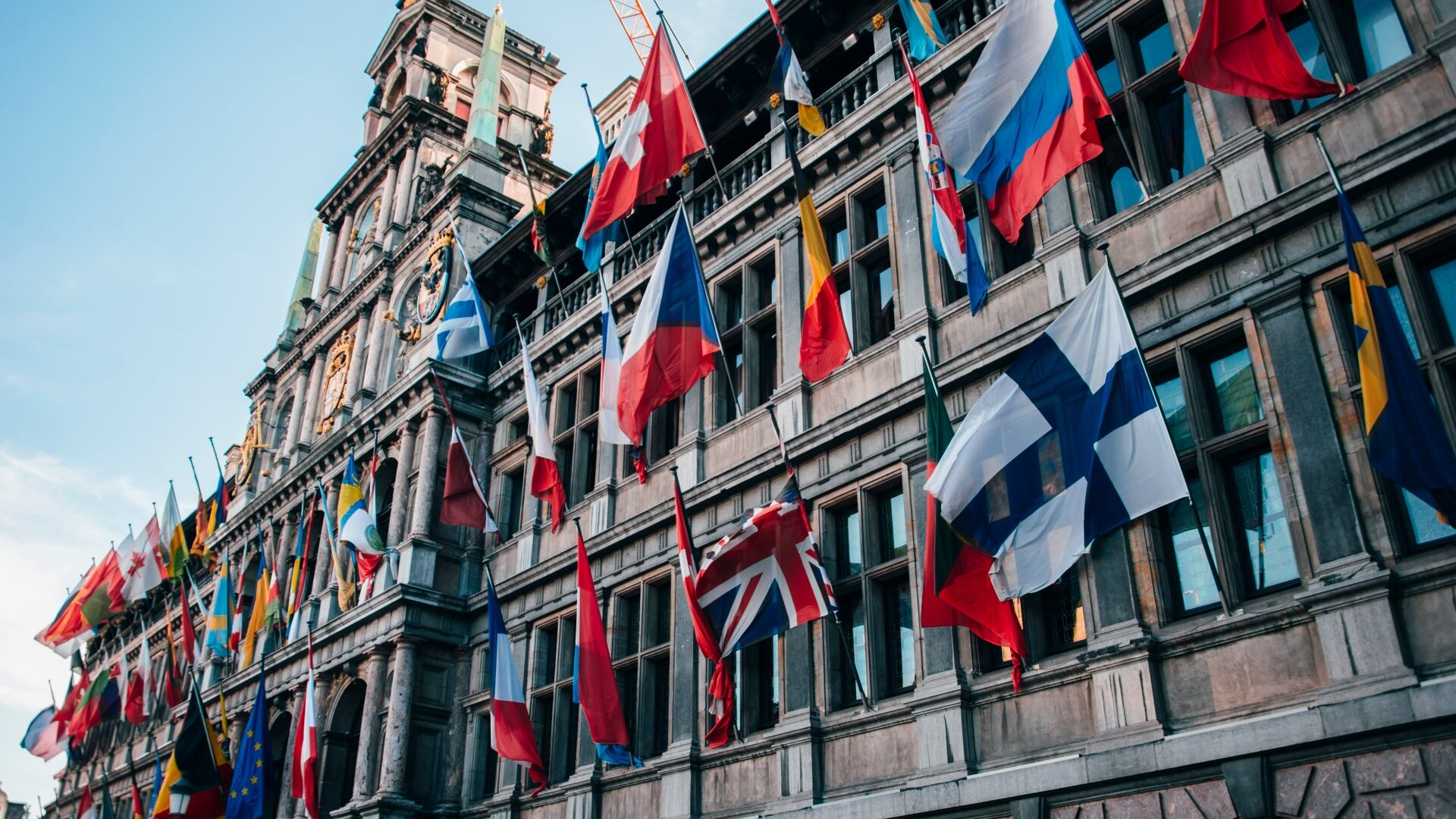
The European Union is historically divided and slow when it comes to decision-making, but in the recent weeks, the 27 members have agreed upon several sanctions and decisions regarding foreign policy and defense. The EU has cut off Russian banks from the swift payment system, blocked Russian propaganda channels, and closed European skies for air travel to and from Russia. Germany, for example, who has refused to send any deadly weapons to conflict zones, has now agreed to send lethal weapons to Ukraine. Rupert Steiner, London Bureau Chief at Barron's, joins cheddar news to discuss.
Sam Stovall, Chief Investment Strategist at CFRA Research, joins Cheddar News' Closing Bell where he dives into the factors contributing to Monday's market plunge and what could be in store when February's CPI data comes out on Tuesday.
Derek Shearer, former U.S. Ambassador to Finland and contributing writer for Washington Monthly, joins Cheddar News to discuss the latest developments in the Russia-Ukraine conflict.