*By Bridgette Webb*
Public Radio Exchange (PRX) and Public Radio International (PRI) are joining forces in a bid to capitalize on the booming popularity of podcasts.
The radio producers are two of the four national distributors of programming for public radio stations in the United States, and the first among their peers to merge.
PRX's chief executive, Kerri Hoffman, said there's a real synergy between the two companies.
"Think of PRX and PRI as siblings born a generation apart," Hoffman said Friday in an interview on Cheddar. "There are some things, at our core, at both organizations that we can strengthen. And the things that are differentiators are really where the opportunity is."
The merger may have arrived just in time, with listeners slowly tuning out traditional broadcasts in favor of on-demand and streaming options.
The number of people listening to podcasts has more than doubled over the past five years and is expected to hit roughly 73 million listeners this year, according to [Edison Research](http://www.edisonresearch.com/podcast-consumer-2018/).
That growth has been buoyed by podcasts' ability to showcase diverse and compelling content ー with voices that were traditionally neglected by mainstream radio.
Hoffman said it's a trend she hopes will continue.
"The barriers to entry is so much lower, but that is just part of they story," she said. "The thing that we learned over many years is that we need a whole suite of services that help people get successful."
According to PRX, the combined organization will reach more than 28.5 million listeners a month through 885 stations’ broadcast signals and websites. The companies are projecting $38 million in revenue in the first year after the merger.
Hoffman sees some roadblocks ahead, specifically, the proposal by [Republican lawmakers](http://www.latimes.com/entertainment/tv/la-et-st-pbs-cpb-npr-trump-budget-cuts-20170316-story.html ) to reduce funding for the Corporation for Public Broadcasting. Still, she thinks public media is here to say ー largely because of listener and viewer support.
" It's always a threat, but we really believe the American public has demonstrated over and over again that there is a strong and important place for non-commercial media in a Democratic society."
For more on this story, [click here](https://cheddar.com/videos/public-radio-platforms-merge-to-create-podcast-powerhouse).
Social media has helped fuel massive opportunity in the travel industry, but with opportunity, comes cutthroat competition, Trivago CEO Rolf Schrömgens said Wednesday. "People are really traveling in general more. They want to experience stuff, they don't want to buy stuff anymore," Schrömgens told Cheddar.
These are the headlines you Need 2 Know for Wednesday, Feb, 6, 2019.
Abra, a five-year-old crypto company that has historically been focused on remittances, is starting to look like a fintech app itself; it will soon give users the ability to use their bitcoin to invest in traditional assets “like Apple, Amazon, gold and the S&P 500," according to a customer email it sent late Tuesday.
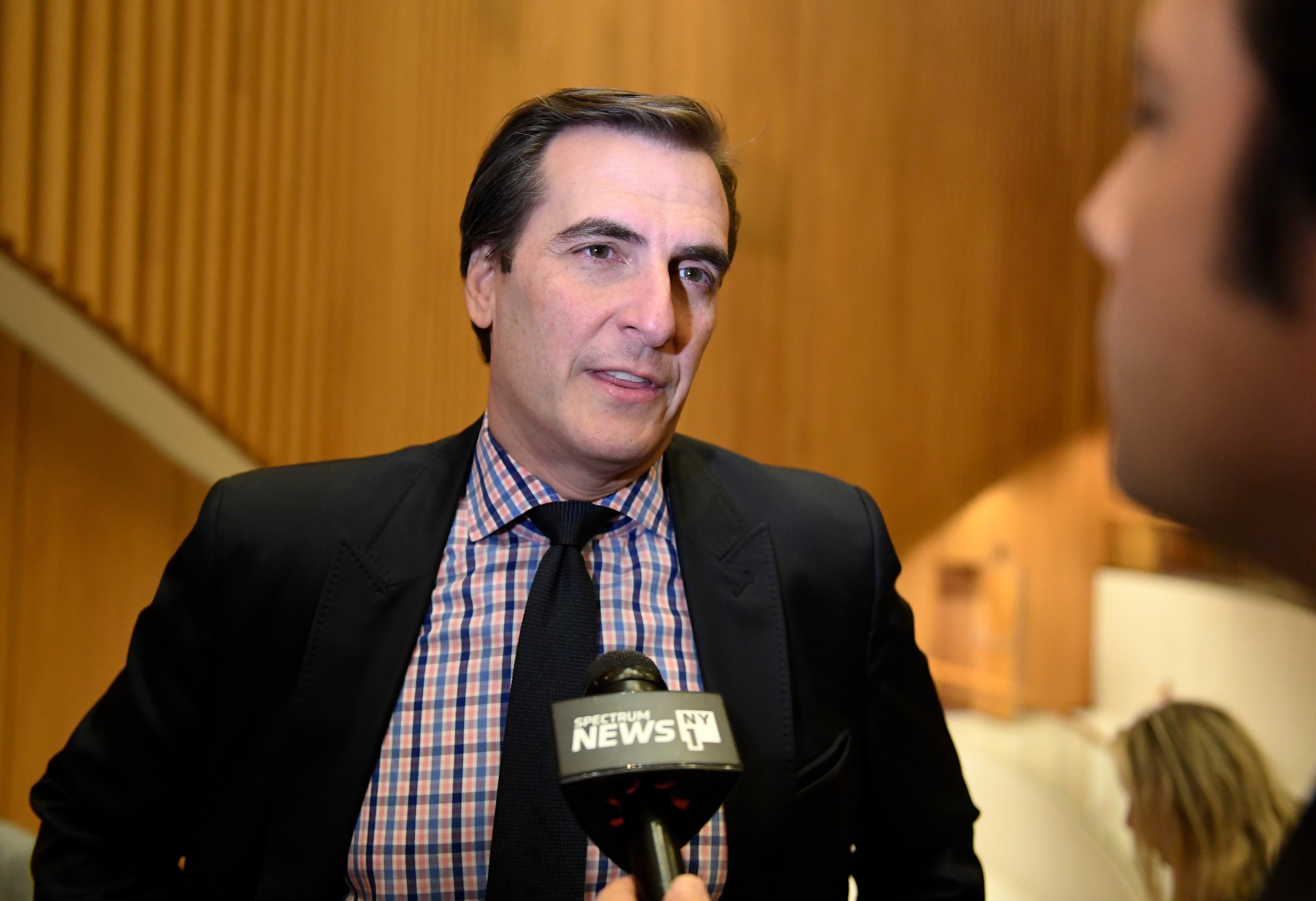
Amazon may have met the David to its Goliath in the epic battle for Long Island City ー provided that Gov. Cuomo doesn't stand in his way. State Sen. Michael Gianaris, who represents New York's 12th district, including Amazon's planned Long Island City outpost, said the tech giant's plan ー promising 25,000 jobs in exchange for billions in city funds ー doesn't even merit negotiation.
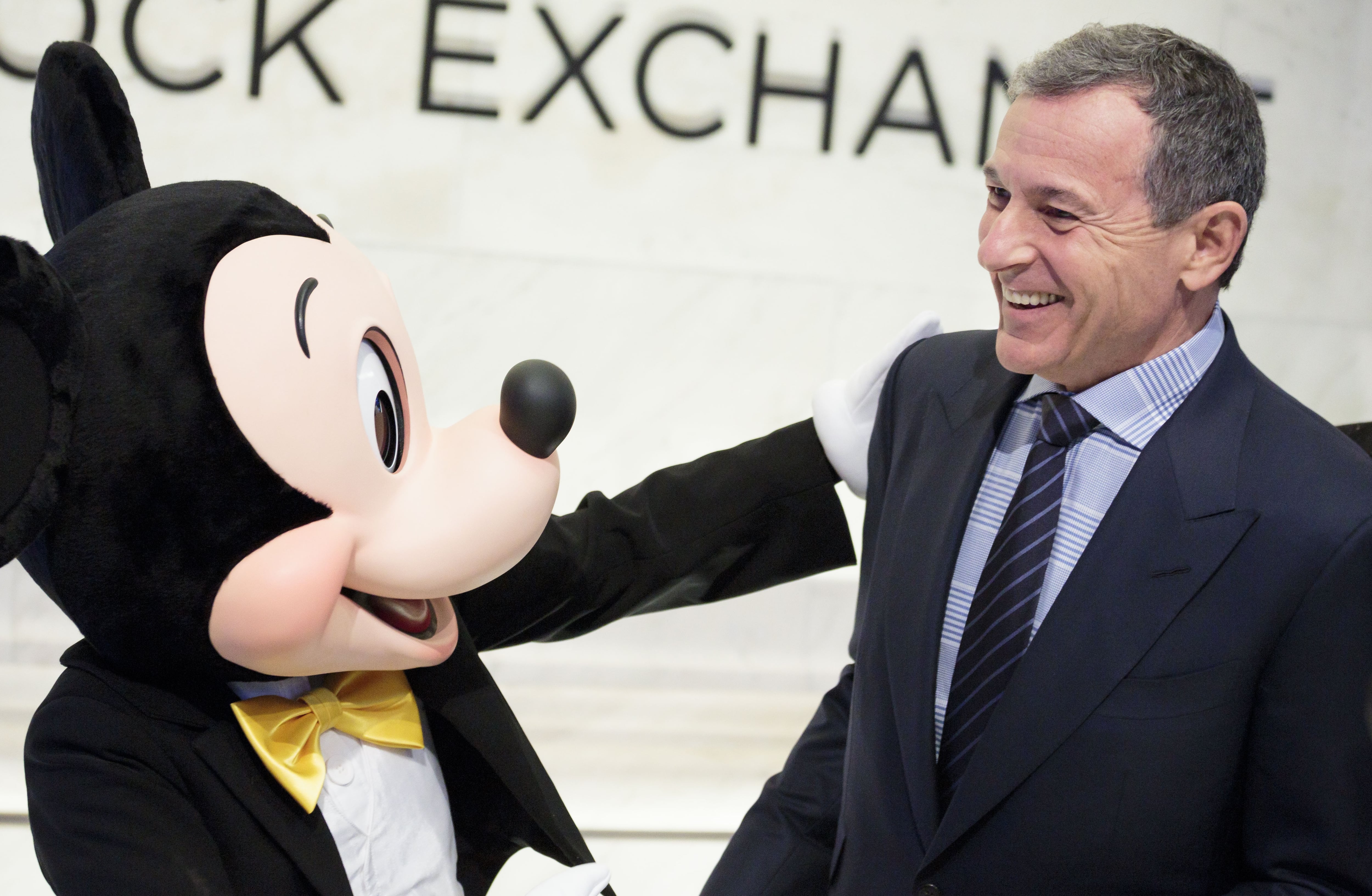
Shares of Disney jumped after the bell on Tuesday, boosted by revenue growth in its television and parks divisions. The report was good news for investors looking to gauge Disney’s strength as it deepens its direct-to-consumer offerings in an effort to compete against rivals like Netflix and Apple.
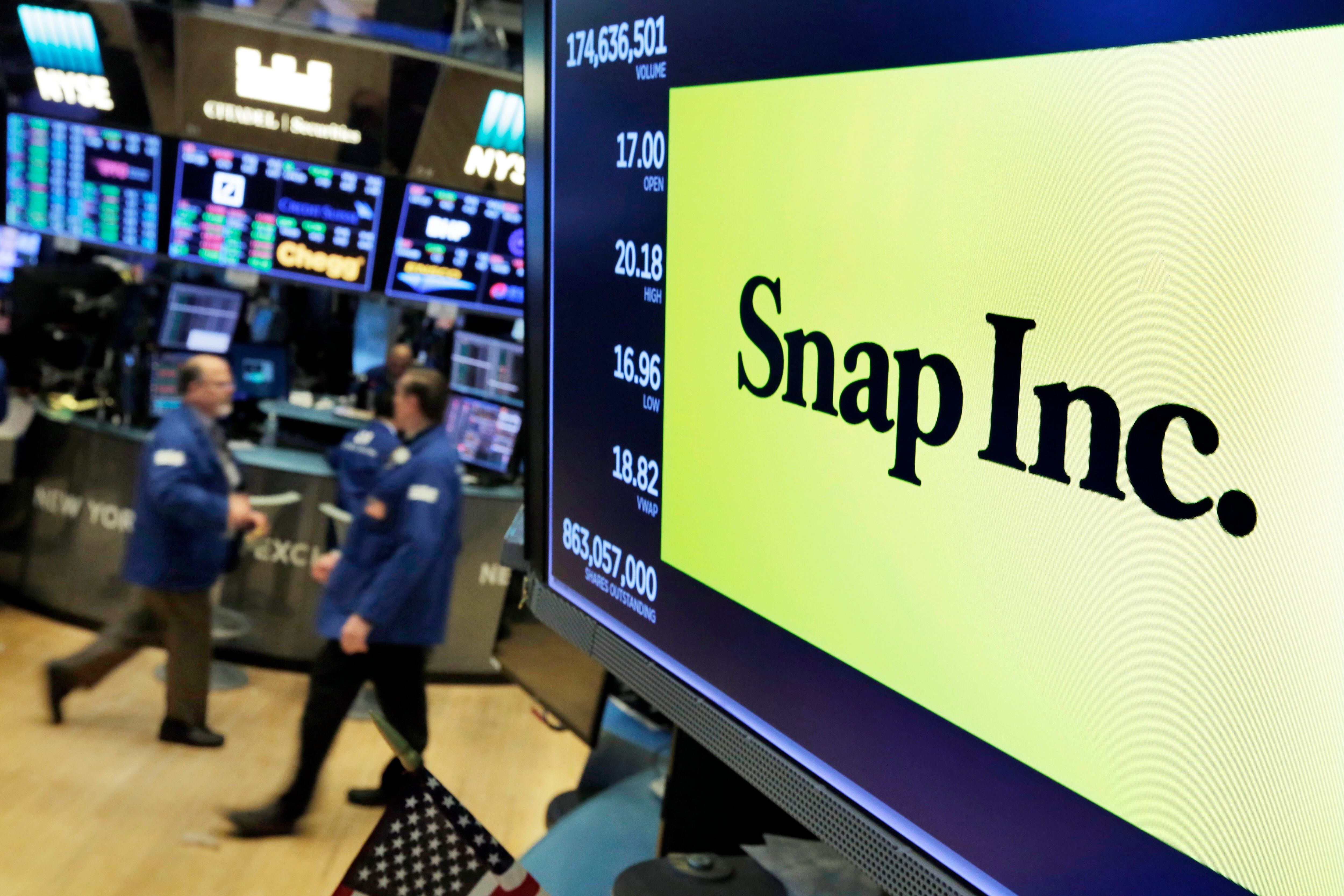
Shares of embattled social media company Snap soared more than 16 percent in extended trading on Tuesday, after beating Wall Street's expectations for its fourth-quarter financial results and reporting relatively stable daily active users year-over-year. Wedbush's Dan Ives said the results showed signs of progress.
Viacom CFO Wade Davis says the company's recent acquisition of Pluto TV gives it a competitive advantage as it vies for consumers in a saturated market."The market for video products has been segmenting for some time now," Davis told Cheddar Tuesday. "With this segmentation, consumers have become a lot more value conscious, and we think that that underscores the opportunity in what we talk about as the free price point."
Blue Hexagon, a company focused on protecting companies from cyberthreats, has raised $31 million from Benchmark Capital and Altimeter Capital, which called the startup's deep learning technology a "game changer" in cybersecurity.
Google parent company Alphabet slipped in extended trading on Monday after the FAANG stock beat Wall Street expectations on its top and bottom lines, but cost-per-click ー or the amount Google charges advertisers when an ad gets clicked ー fell 29 percent on Google properties.
Facebook has made its first acquisition in the blockchain space. The social network has quietly hired the team behind Chainspace, a small blockchain startup founded by researchers from University College London, Cheddar has learned. Chainspace was building a decentralized “smart contracts” system that could facilitate payments and other services through blockchain technology.