Public Radio CEO on Podcast Fervor and Latest Merger
*By Bridgette Webb*
Public Radio Exchange (PRX) and Public Radio International (PRI) are joining forces in a bid to capitalize on the booming popularity of podcasts.
The radio producers are two of the four national distributors of programming for public radio stations in the United States, and the first among their peers to merge.
PRX's chief executive, Kerri Hoffman, said there's a real synergy between the two companies.
"Think of PRX and PRI as siblings born a generation apart," Hoffman said Friday in an interview on Cheddar. "There are some things, at our core, at both organizations that we can strengthen. And the things that are differentiators are really where the opportunity is."
The merger may have arrived just in time, with listeners slowly tuning out traditional broadcasts in favor of on-demand and streaming options.
The number of people listening to podcasts has more than doubled over the past five years and is expected to hit roughly 73 million listeners this year, according to [Edison Research](http://www.edisonresearch.com/podcast-consumer-2018/).
That growth has been buoyed by podcasts' ability to showcase diverse and compelling content ー with voices that were traditionally neglected by mainstream radio.
Hoffman said it's a trend she hopes will continue.
"The barriers to entry is so much lower, but that is just part of they story," she said. "The thing that we learned over many years is that we need a whole suite of services that help people get successful."
According to PRX, the combined organization will reach more than 28.5 million listeners a month through 885 stations’ broadcast signals and websites. The companies are projecting $38 million in revenue in the first year after the merger.
Hoffman sees some roadblocks ahead, specifically, the proposal by [Republican lawmakers](http://www.latimes.com/entertainment/tv/la-et-st-pbs-cpb-npr-trump-budget-cuts-20170316-story.html ) to reduce funding for the Corporation for Public Broadcasting. Still, she thinks public media is here to say ー largely because of listener and viewer support.
" It's always a threat, but we really believe the American public has demonstrated over and over again that there is a strong and important place for non-commercial media in a Democratic society."
For more on this story, [click here](https://cheddar.com/videos/public-radio-platforms-merge-to-create-podcast-powerhouse).
Cloud-based AI-powered writing assistant Grammarly recently raised $200 million in a funding round that values the company at $13 billion. The funding will be used to help Grammarly achieve its goal of becoming more ubiquitous, as the company says it wants to be the go-to writing assistant for wherever people type. Grammarly also says it aims to solve what it calls one of the most critical problems facing people and businesses today -- ineffective communication. Grammarly global head of product Rahul Roy-Chowdhury joins Cheddar News' Closing Bell to discuss.
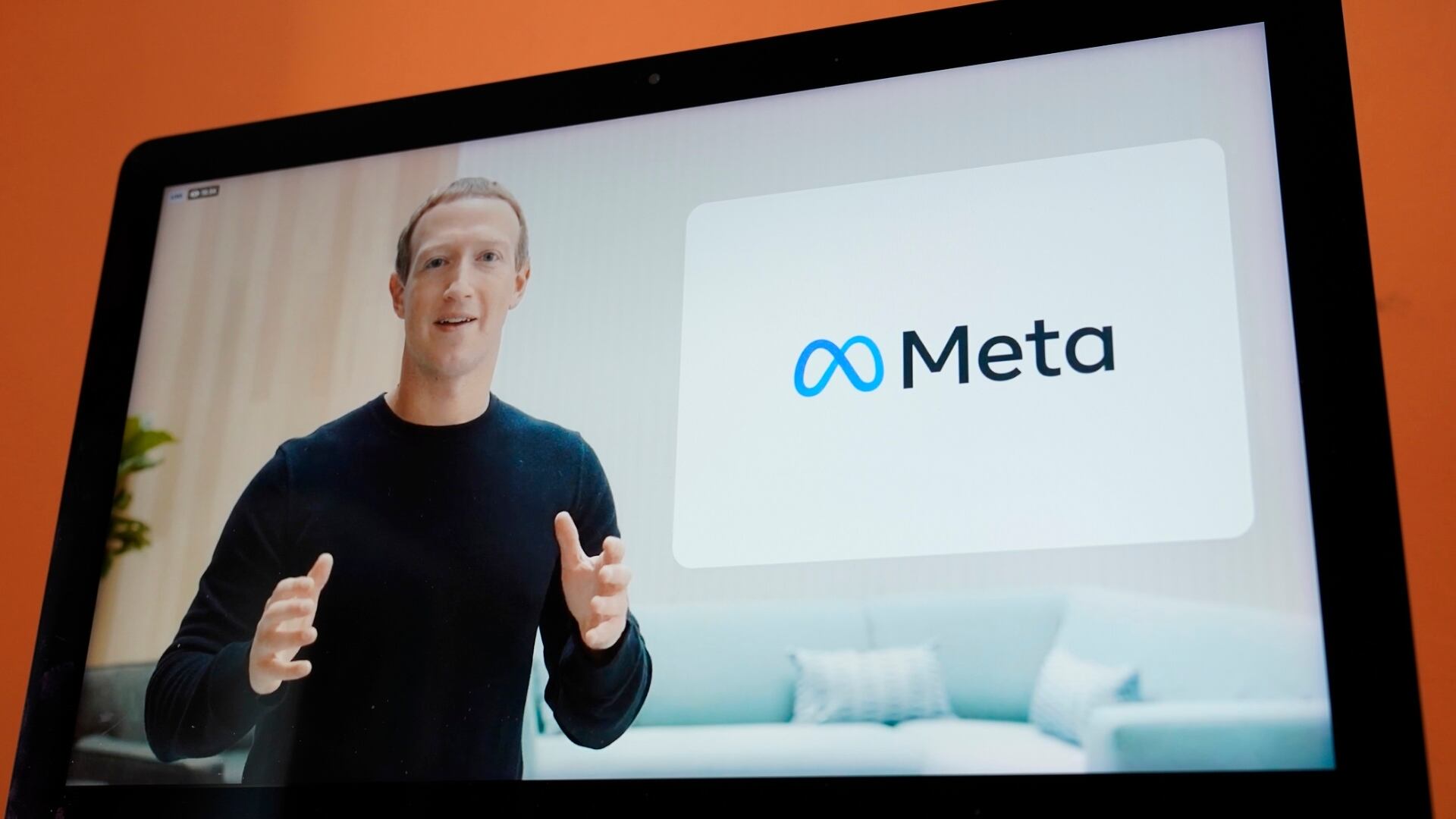
The Competition and Markets Authority in the UK moved to block Facebook parent company Meta from acquiring the image sharing platform Giphy after saying advertisers and consumers would be adversely impacted. Hatem Dhiab, managing partner at Gerber Kawasaki Wealth & Investment, joined Cheddar to break down the decision and noted that the CMA's order could also halt other big tech firms from making similar purchases in the future. "I think this is going to be true for Facebook, it's going to happen for other big tech companies — Amazon, perhaps Google, so it's interesting that the UK is starting this wave," he said.
Namita Dhallan, Chief Product Officer at Brightcove, joins Cheddar to discuss how artificial intelligence and machine learning are creating room for more personalization in video, and how these technologies are shaping the future of the video tech industry.
NASA indefinitely delayed a spacewalk to repair an ISS antenna, citing concerns about space debris. It was unclear if the warning from the space agency to astronauts aboard the ISS was related to the recent destruction of a non-functioning Russian satellite.
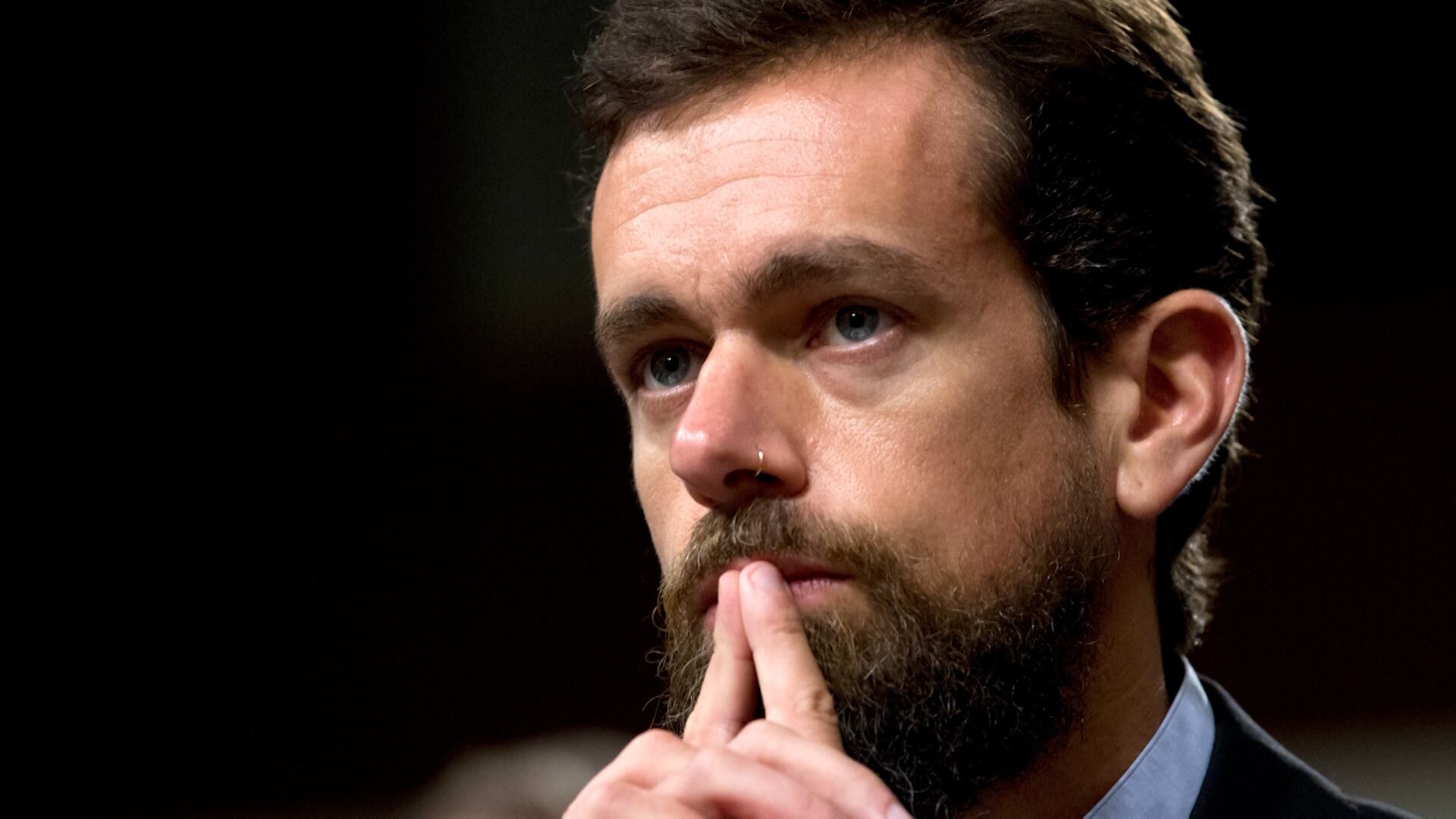
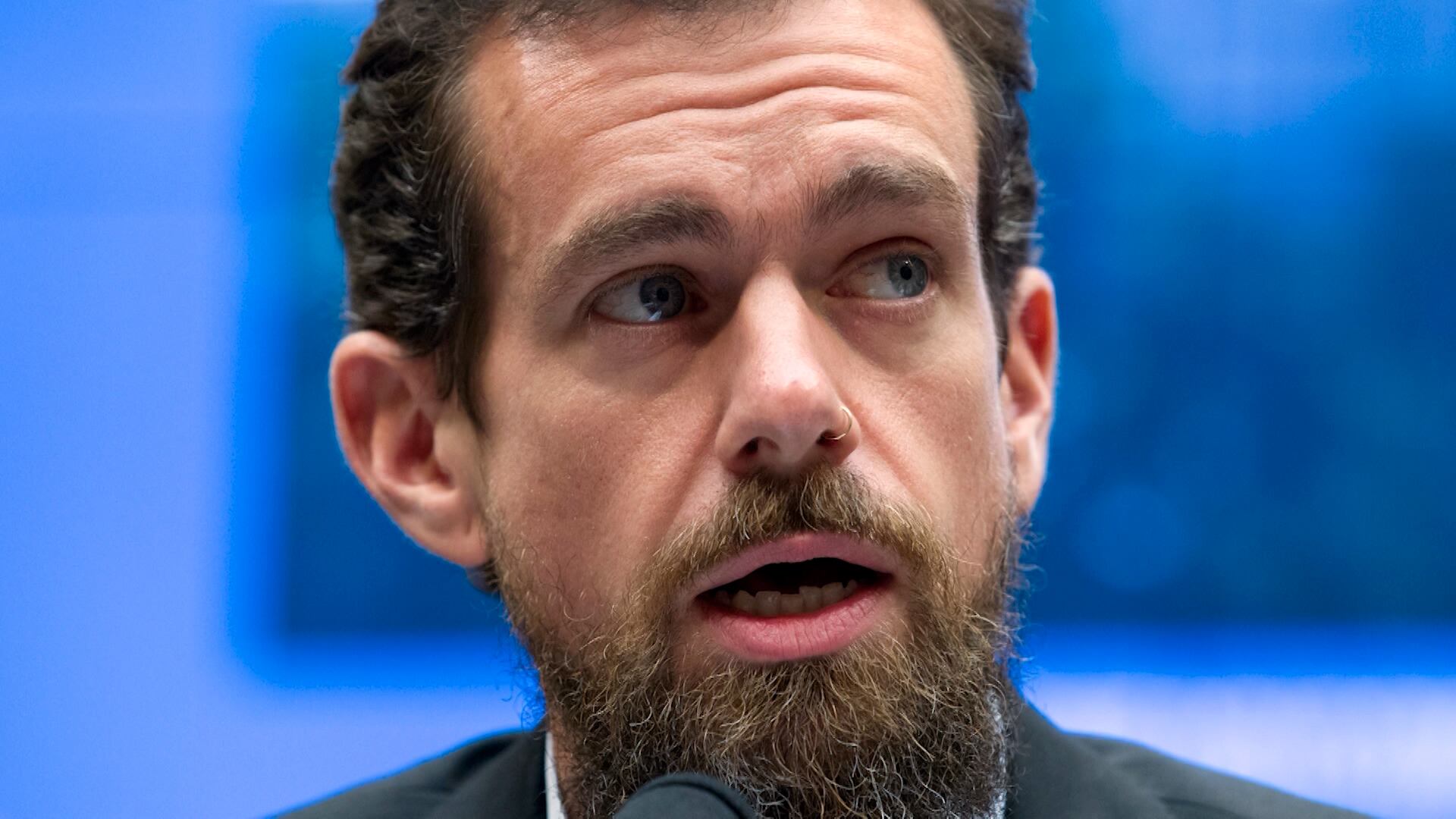
Jack Dorsey has officially stepped down as CEO of Twitter.
In a statement -- he says he is leaving because the company is ready to move on from its founders. Tom Morton, Global Chief Strategy Officer, R/GA joined Cheddar's Opening Bell to discuss the implications of the move.
Mike Proulx, VP and research director at Forrester, joined Cheddar to talk about what Jack Dorsey's departure from Twitter as CEO means for the social media platform. He noted that while Dorsey had been the face of the company, "he's been a part-time CEO" since also taking on the leadership position at Square. Stepping down from leading Twitter allows his replacement Parag Agrawal, the former CTO, to be a dedicated leader of the company. However, Proulx noted that Agrawal faces headwinds on policy and political ramifications that will come with the job.
The UK's Competition and Markets Authority blocked Facebook parent company Meta's acquisition of the image sharing platform Giphy, stating that the deal would harm UK advertisers and social media users. Meta responded and said that it is considering an appeal.
Jill and Carlo cover the latest developments with the Omicron variant that are spooking markets once again. Twitter's @Jack is leaving, SCOTUS takes up abortion rights and the world has a brand new republic.