President Donald Trump, from a podium at the White House on Wednesday, said the U.S. will impose new sanctions on Iran in his first public remarks since Iranian missiles hit two military bases in Iraq that house American troops.
Iran launched more than a dozen ballistic missiles on Tuesday night in response to the U.S. drone strike that killed top military Gen. Qassem Soleimani. U.S. and Iraqi officials said there were no fatalities resulting from the "revenge" attacks, although Iranian news outlets claim dozens were killed.
Trump told the nation that Iran appeared to be standing down from the escalating conflict and asked NATO, an organization he has shunned, to be more involved in the Middle East. He also announced the U.S. will further raise sanctions on Iran, though he did not immediately provide details. Current sanctions have had a substantial impact on the country and additional sanctions levied against Iran's central bank late last year after its suspected attack on Saudi Arabia, further crippled its economy.
Trump also defended his decision to take out Iran's top general and stressed: "Soleimani's hands were drenched in both Iranian and American blood."
"As long as I am President of the United States Iran will never be allowed to have a nuclear weapon," the president said in the Grand Foyer of the White House standing in front of Vice President Mike Pence and an assortment of cabinet secretaries and military officers in uniform. He said the U.S. is "ready to embrace peace."
Stocks rallied and the Nasdaq and S&P 500 hit all-time highs after the president concluded his comments.
The president said the U.S. had "sent a valuable message to terrorists."
He also alleged the missiles launched by Iran last night were "paid for by the funds made available by the last administration." The money he was referring to were funds that had been frozen after the shah of Iran fell in 1979. Obama agreed to return the long-disputed funds as part of a nuclear deal.
He also referenced what he said was the U.S.'s independence from foreign oil. Though it is true the U.S. produces far more oil than it did years ago, it still imports about 10 million barrels daily. Most U.S. oil comes from Canada, but oil still flows in from Saudia Arabia, Iraq, and other nations in the Middle East.
Hours after launching its missiles, Iranian foreign minister Mohammad Javad Zarif tweeted the nation did not "seek escalation or war." It was unclear if Iran had planned more attacks after Iran's Revolutionary Guard yesterday said in a statementthe attacks were the start of "the fierce revenge." Zarif said Iran "took & concluded proportionate measures in self-defense," suggesting yesterday's attack was the last. Trump's comments seemed to confirm Zarif's statement.
Just after the U.S. carried out the drone attack the killed Soleimani last week, Trump said he had authorized the strike due to an "imminent" threat and he had intended to prevent a war, not start one. Since then, U.S. officials, like Secretary of State Mike Pompeo agreed the move was done to send a message to Iran.
While Iran and the U.S. have held tense relations for more than four decades, the recent escalation began when an American military contractor was killed by an Iranian-backed militia group in the final week of December. The U.S. responded with airstrikes in areas where the militias are based. Then, on New Year's Eve, Iranian-backed militias stormed the U.S. Embassy in Baghdad and trapped American diplomats in the compound. Gen. Soleimani was killed in response by a drone strike last Friday.
Krutika Amin, associate director at the Kaiser Family Foundation for the Program on the Affordable Care Act, joins Cheddar Politics to discuss the Biden administration's plan to fix the so-called 'family glitch' in the Affordable Care Act preventing millions of Americans from accessing government-subsidized health plan.
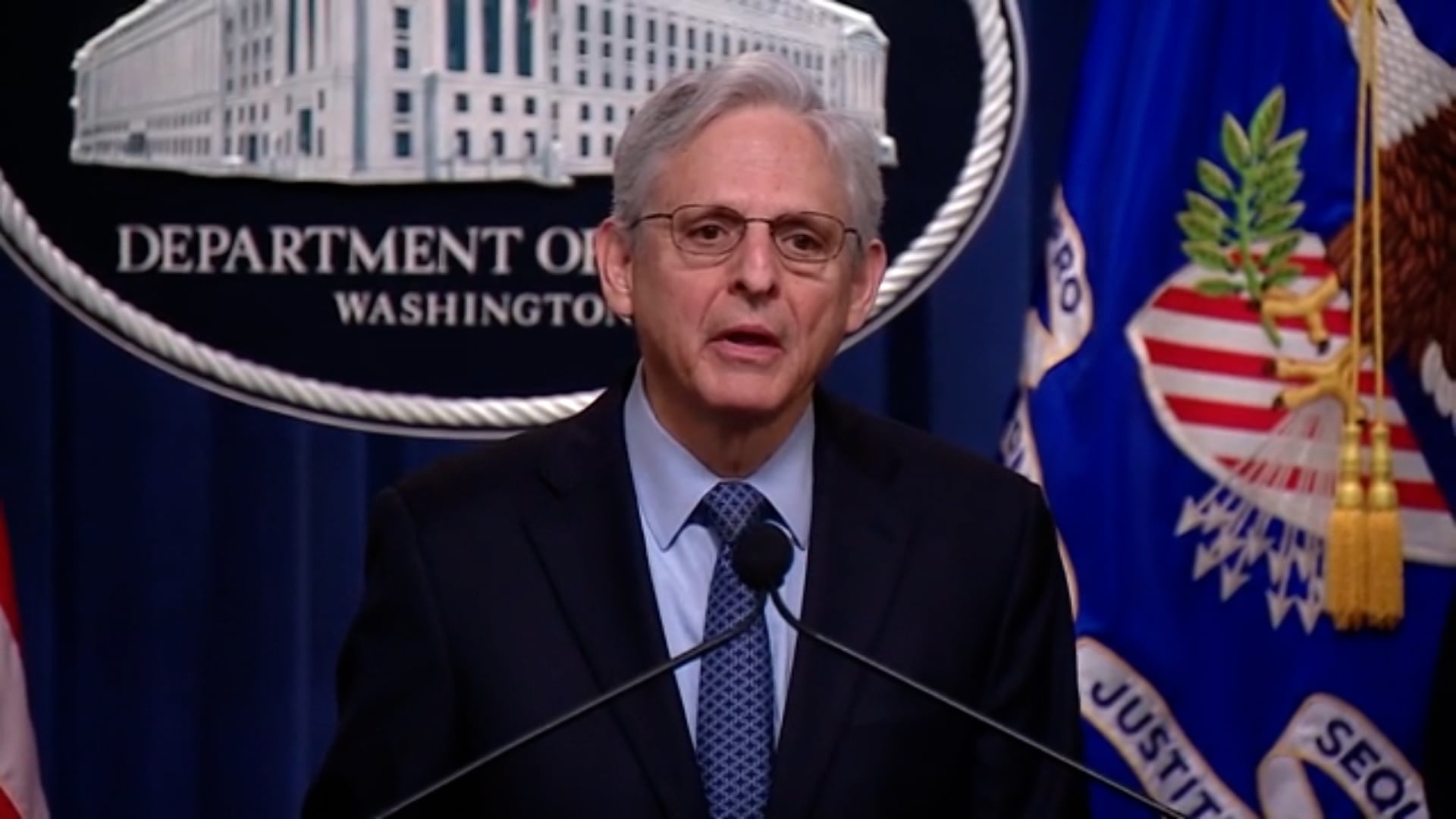
Abdallah Fayyad, opinion writer at the Boston Globe, joins Cheddar Politics to discuss the House's vote to hold former Trump aides Dan Scavino and Peter Navarro in contempt of Congress and send the recommendation to the Department of Justice. Fayyad also weighs in on the pressure facing Attorney General Merrick Garland to be more aggressive in prosecuting the January 6 case.
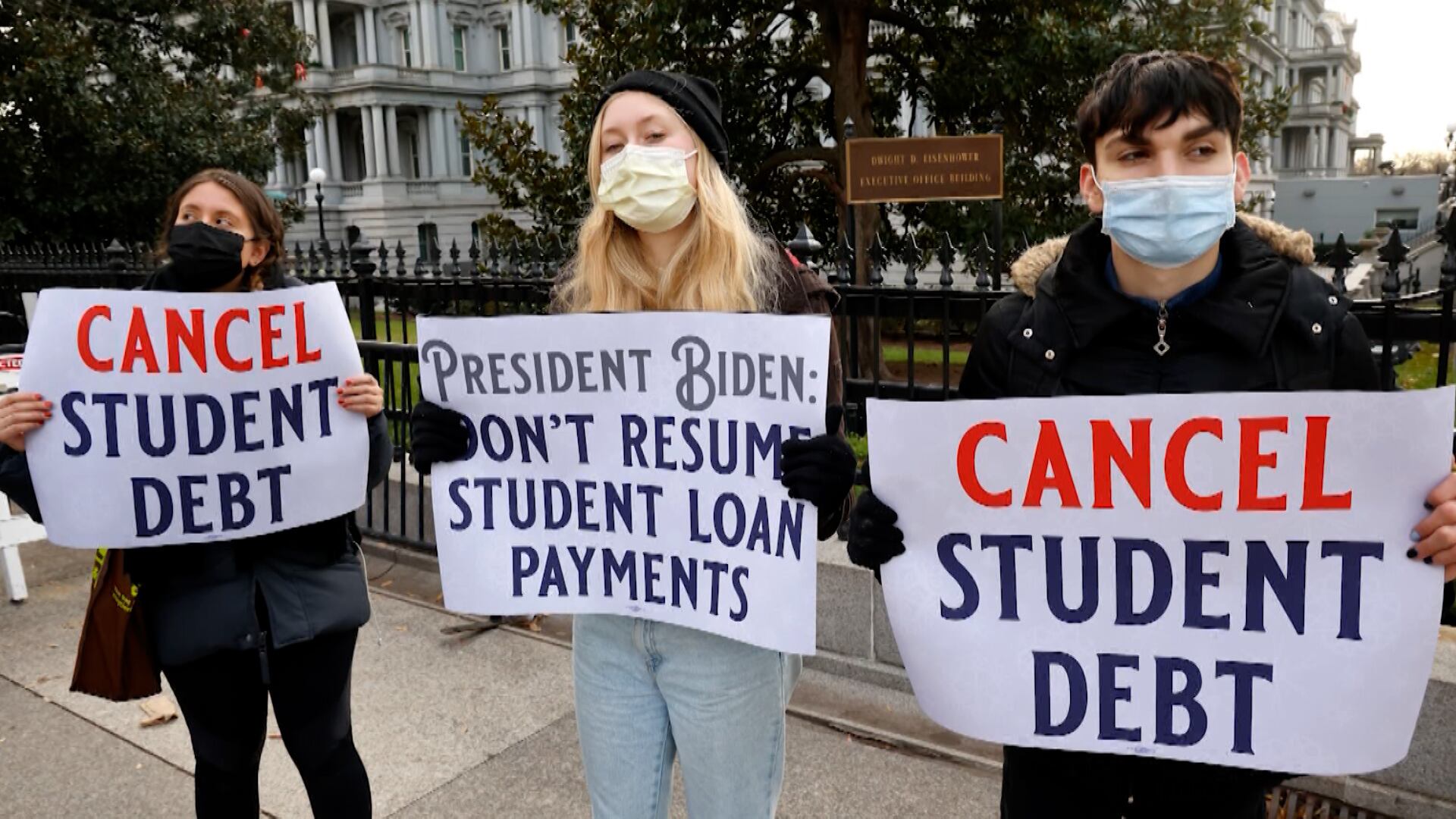
Those paying back federal student loans are getting a few extra months of relief. President Biden just announced another extension of the pandemic relief program allowing millions of borrowers to freeze their student loan payments. The pause began in March 2020 and it has been extended six times. Tomas Campos, co-founder and CEO of Spinwheel, joins Cheddar News to discuss.
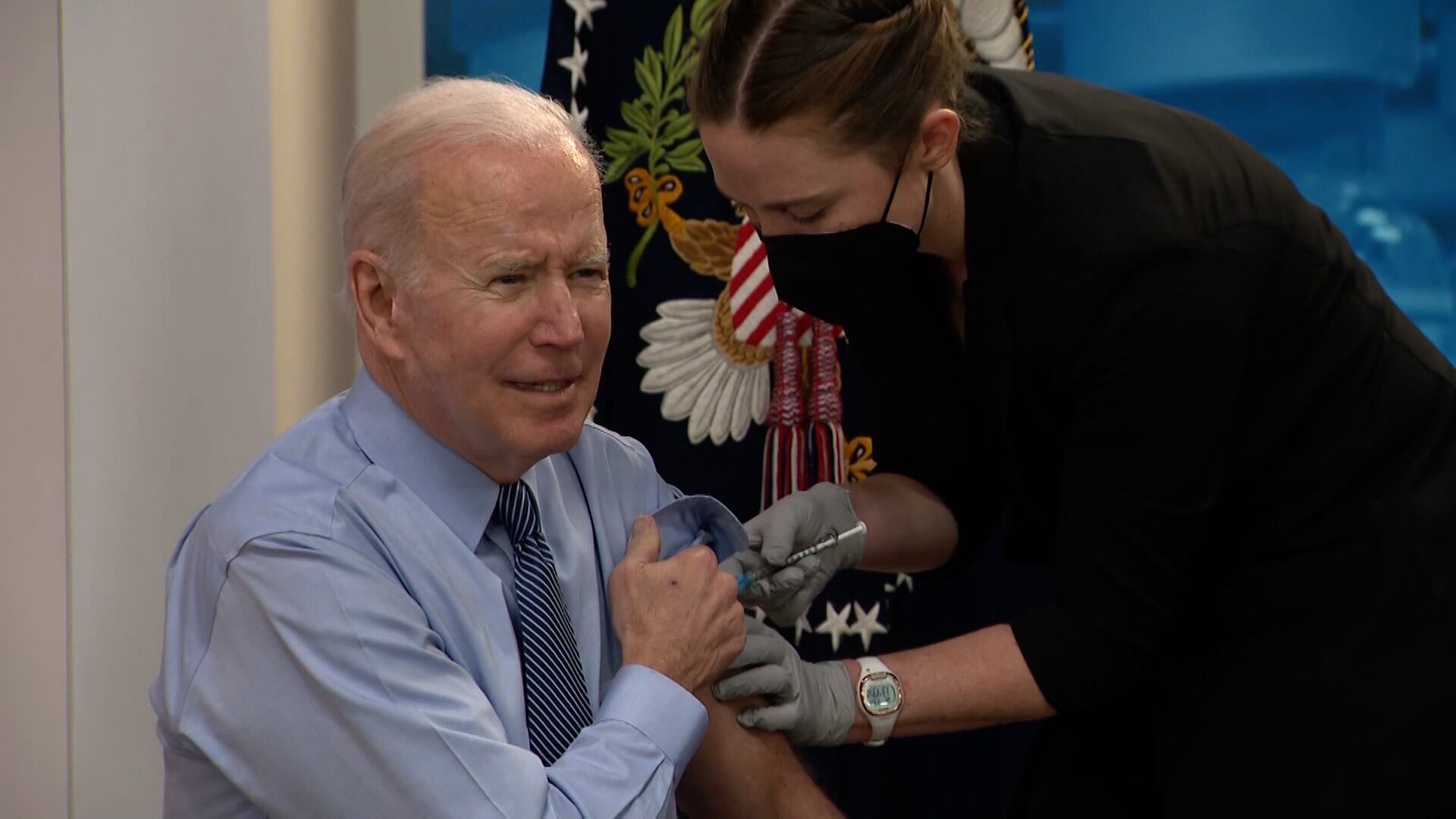
There has been notable disagreement in the medical community about a fourth COVID-19 vaccine dose. The FDA last week authorized a second booster dose for older and immunocompromised individuals, as some agency officials did not support the idea. The FDA made the decision without meeting with its advisory committee, as it had ahead of its recommendations on the previous COVID-19 vaccine doses.
The CDC followed in the footsteps of the FDA and authorized a fourth dose as well. Reports say the agency also did not discuss the move with its own advisory team of vaccine experts. Now, a growing number of doctors are speaking out against the decisions - leaving people confused about whether they should get another vaccine dose. Dr. Julie Morita, a member of the CDC's advisory committee to the director, and the executive vice president of the Robert Wood Johnson Foundation, joins Cheddar News' Closing Bell to discuss.
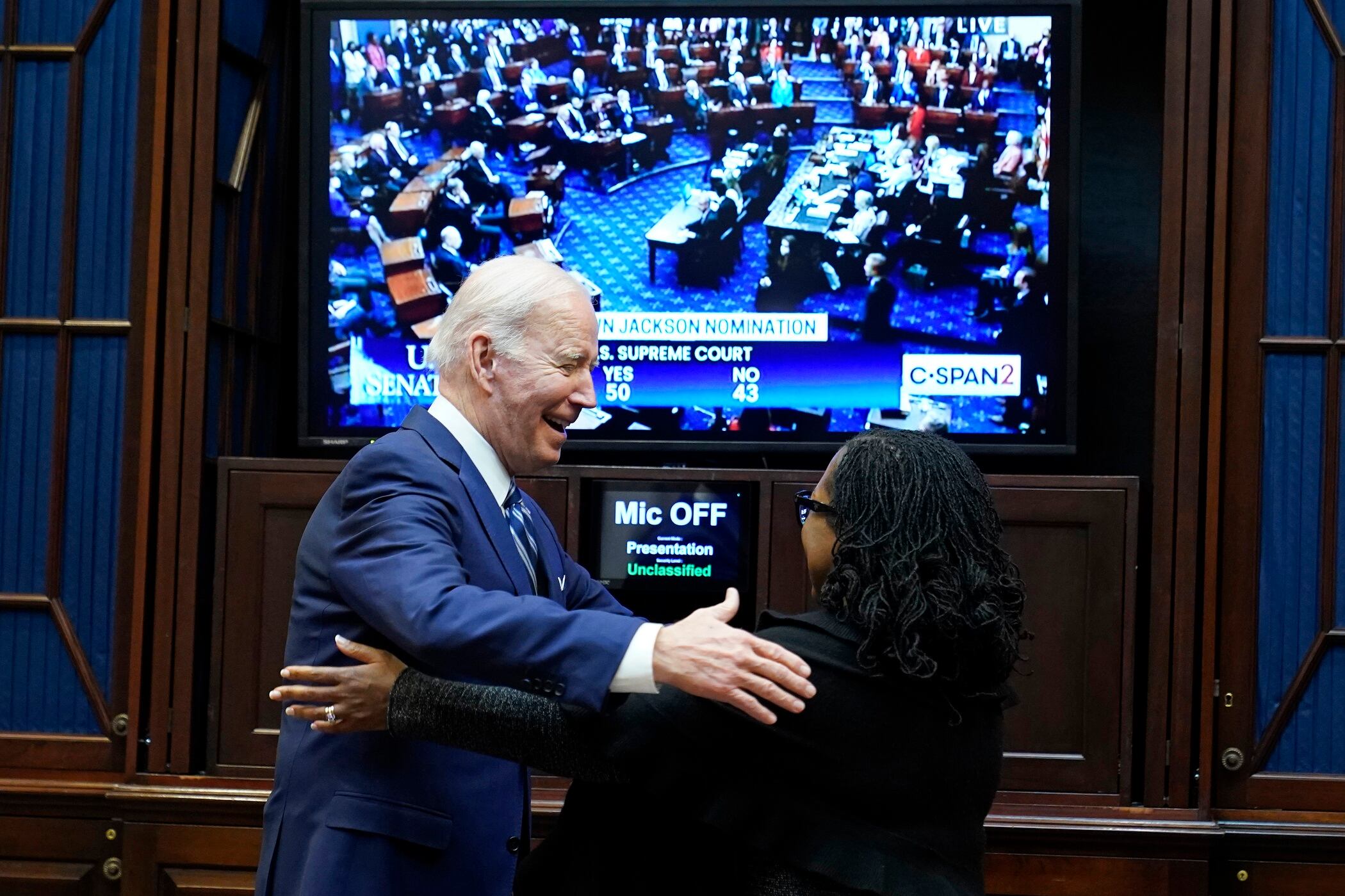
The Senate has confirmed Ketanji Brown Jackson to the Supreme Court, shattering a historic barrier by securing her place as the first Black female justice and giving President Joe Biden a bipartisan endorsement for his effort to diversify the court
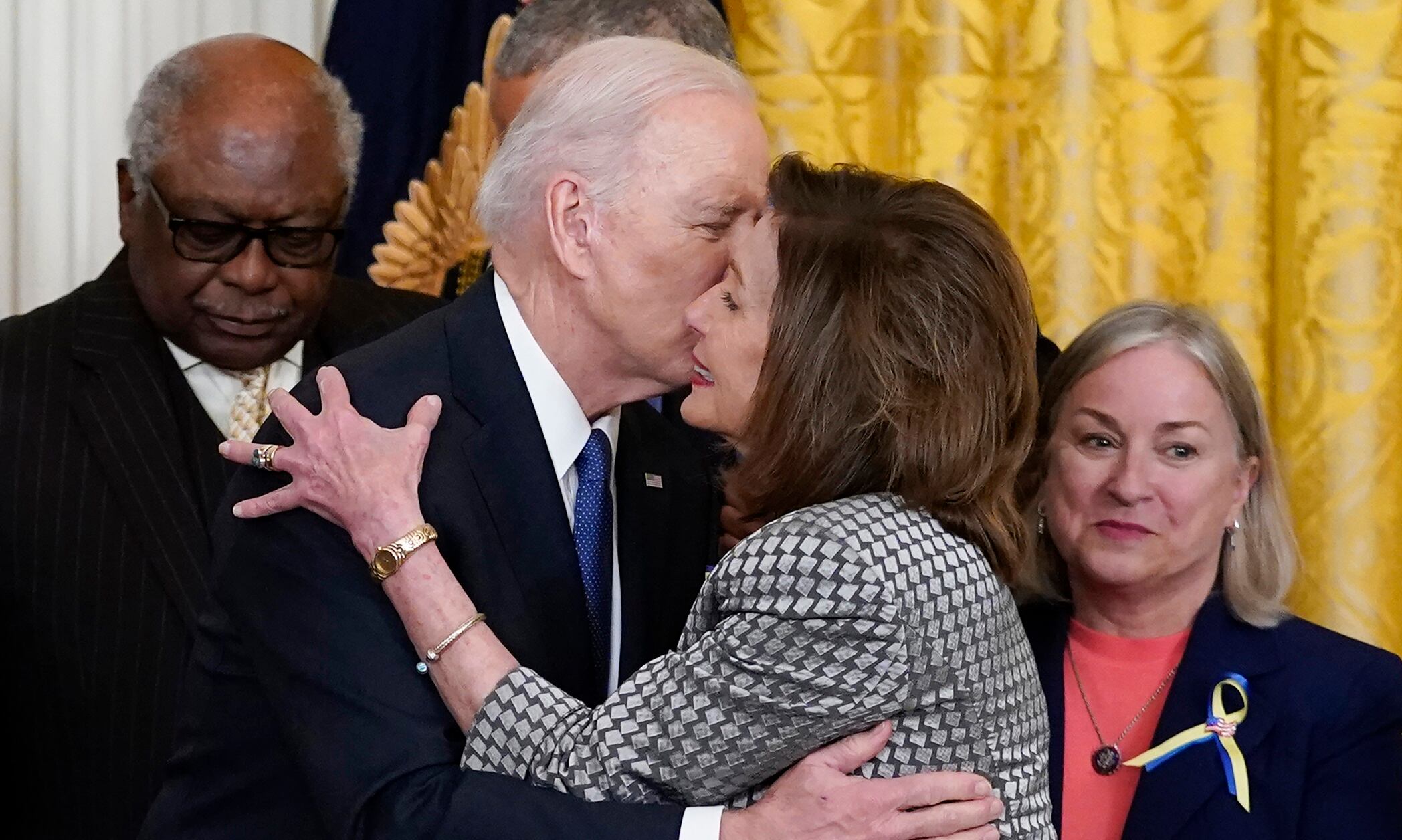
House Speaker Nancy Pelosi has tested positive for COVID-19, her spokesman says. That's a day after the 82-year-old Democratic leader appeared unmasked at a White House event with President Joe Biden.
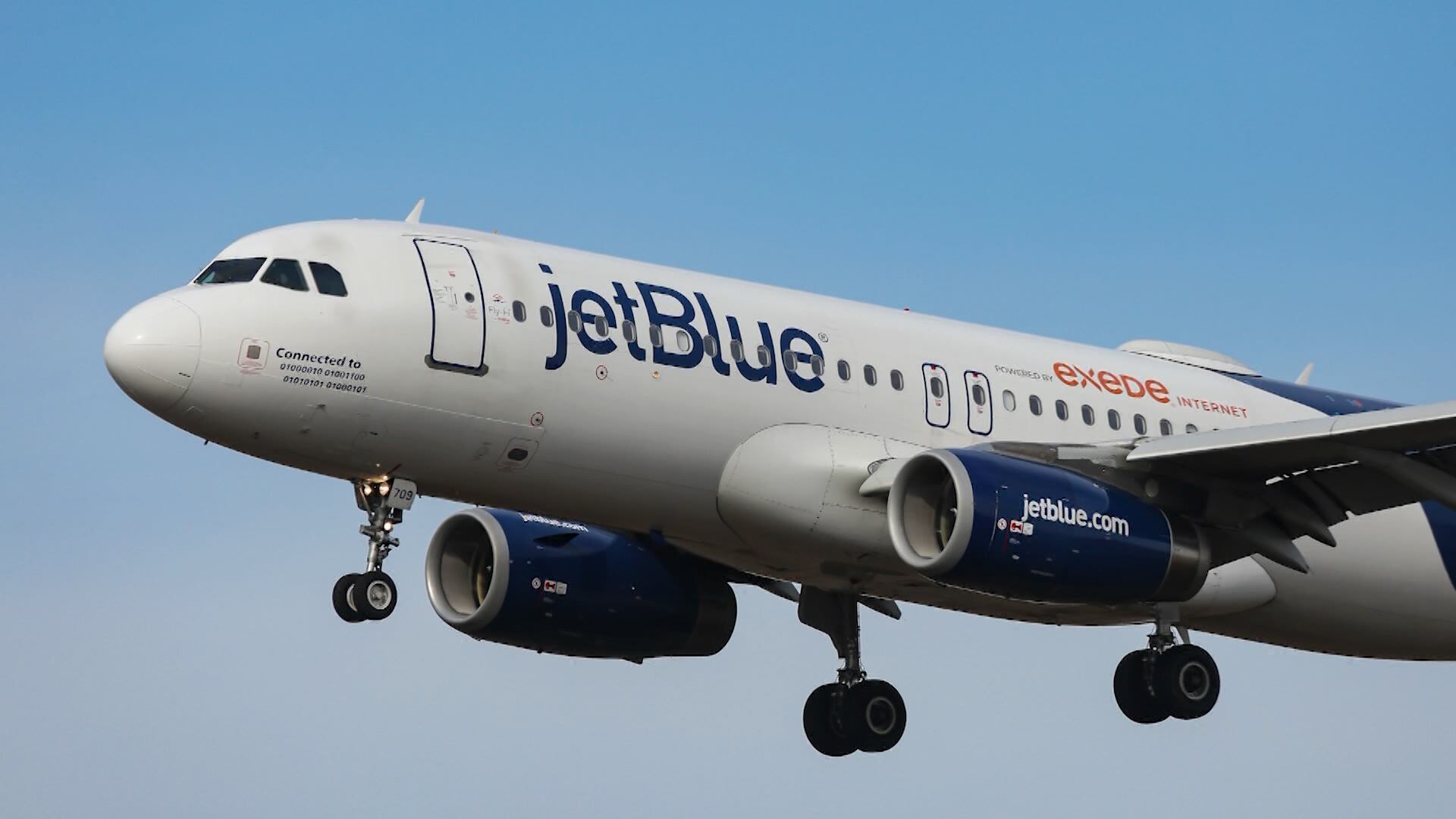
JetBlue made an unsolicited offer to buy low-cost carrier Spirit Airlines, potentially jeopardizing the original offer from Frontier Airlines. Several analysts sounding the alarm on JetBlue's proposed $3.6 billion merger, saying the deal doesn't quite make sense. Jim Corridore, Senior Insights Manager at Similarweb joined Cheddar's Opening Bell to discuss.
The Biden administration is once again extending the pause on federal student loans payments — this time, through the end of August. In a statement, President Biden cited a recent analysis from the Fed that if the payments were to resume, millions of student loan borrowers would face significant "economic hardship, delinquencies, and defaults that could threaten America's financial stability." Sarah Foster, an analyst at Bankrate, breaks down the impact of the extension on borrowers, the economy, and the future of student loan forgiveness. "I think this is just an instance of the federal student loan forbearance program kind of creating additional uncertainty for borrowers, especially in the sense that these past four extensions from the Biden administration have kind of come at the 11th hour here," she said.