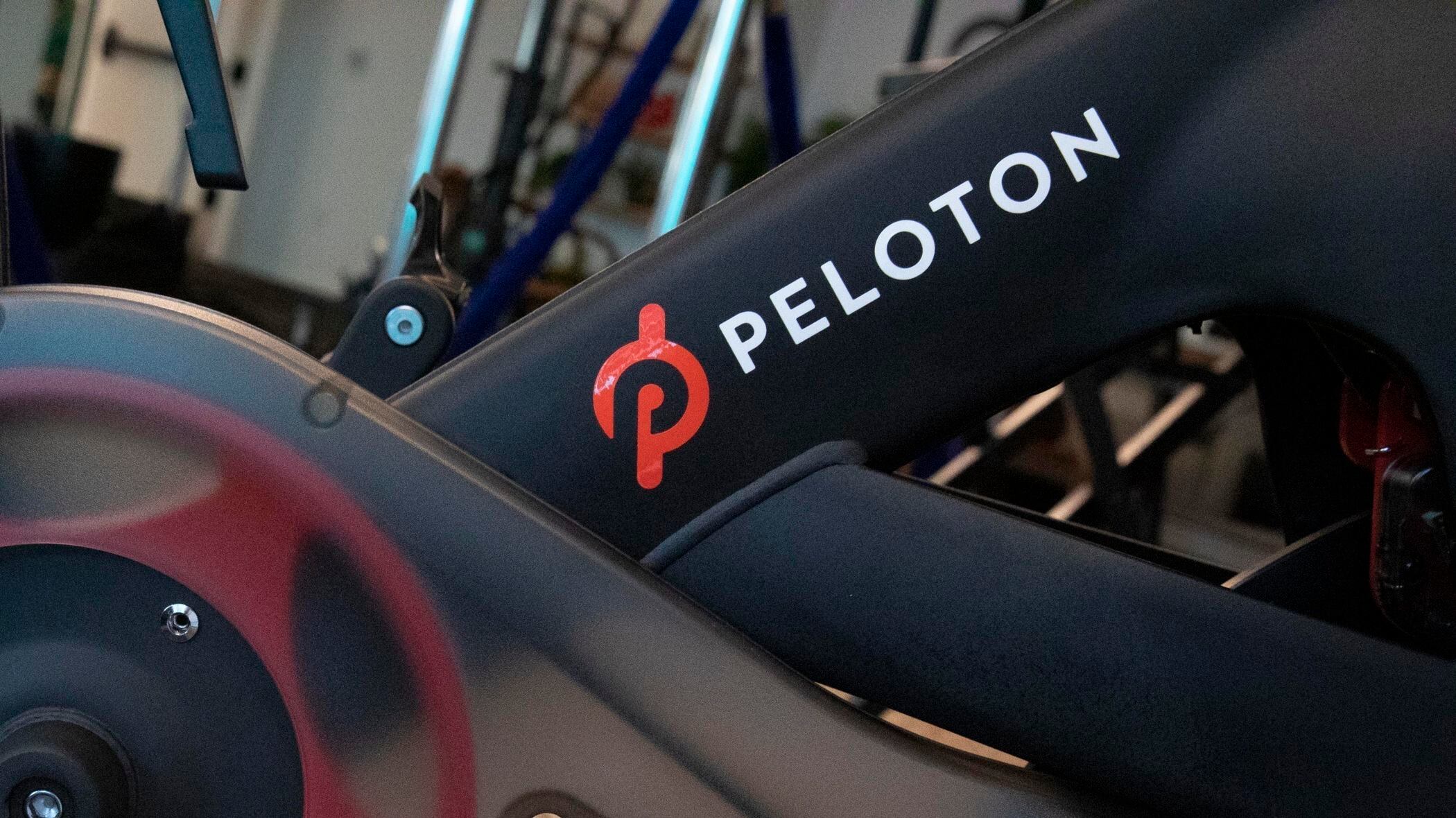
In this Sept. 26, 2019 file photo, the Peloton logo is displayed on the company's stationary bicycle in New York. Peloton plans to spend about $400 million to build its first U.S. factory in Ohio. The exercise equipment maker said Monday, May 24, 2021, that the Peloton Output Park will make the Peloton Bike, Bike+ and Peloton Tread starting in 2023. (AP Photo/Mark Lennihan, File)
Peloton plans to spend about $400 million to build its first U.S. factory in Ohio.
The exercise equipment maker said Monday that the Peloton Output Park will make the Peloton Bike, Bike+ and Peloton Tread starting in 2023. It will have more than 200 acres and more than 1 million square feet of manufacturing, office and amenities space.
Peloton Interactive Inc. said it plans to break ground on the site in Troy Township over the summer. The company anticipates adding more than 2,000 jobs in Ohio over the next few years. Positions will span corporate, manufacturing, assembly and quality assurance functions.
The New York-based company employs about 3,700 people, according to FactSet.
Peloton has faced surging demand during the pandemic. It reported that revenue in the first three months of the year more than doubled on strong subscription growth. Last December, the company spent $420 million to acquire Precor, a company whose fitness machines populate hundreds of commercial and hotel gyms. That deal gave Peloton its first manufacturing capacity in the U.S.
“While we will continue to invest in our Asian manufacturing footprint as well as our existing facilities in the U.S. via our Precor sites, the new Peloton Output Park gives us a massive strategic lever to make sure we have capacity, quality, and economies of scale in our bike and tread product lines, to support our continued growth for years and years to come," said Peloton CEO John Foley.
The plans still need final approvals from state and local officials.
Shares of Peloton fell less than 2% in afternoon trading.
U.S. stocks closed Thursday at their lowest levels of the trading day, as investors continue to eye inflation ahead of the May CPI report out Friday. Art Hogan, Chief Market Strategist for National Holdings, joins Cheddar News' Closing Bell to discuss.
Creating a brand is one of the most important steps in building a business. It can help set you apart from the competition and tells customers what your values are, but many companies don't know how to brand themselves effectively. Tiana Von Johnson, CEO & Chief Brand Strategist of TVJ World, gives expert tips on the do’s and don’ts of branding.
Housing affordability has collapsed to its lowest level on record over the last year. According to the national association of realtors, affordability has dropped by 29%, thanks to surging home prices and mortgage rates. Odeta Kushi, Deputy Chief Economist of First American, breaks down the housing market, and when buyers can expect prices to finally drop.
U.S. markets opened sharply lower on Friday on hotter-than-expected inflation data. The May CPI showed an 8.6% jump in consumer prices year-over-year, higher the expected 8.3%. Mark Howard, Senior Multi-Asset Specialist at BNP Paribas joined Cheddar's Opening Bell to discuss.
U.S. stocks closed Friday at session lows after May CPI data showed inflation in the U.S. has not peaked and is still rising rapidly. For the week, the S&P fell 5.06%, the Dow lost 4.58%, and the Nasdaq dropped 5.60%, marking the worst week since January for all three major indexes. Mike Zigmont, Head of Trading and Research at Harvest Volatility Management, joins Cheddar News' Closing Bell to discuss.
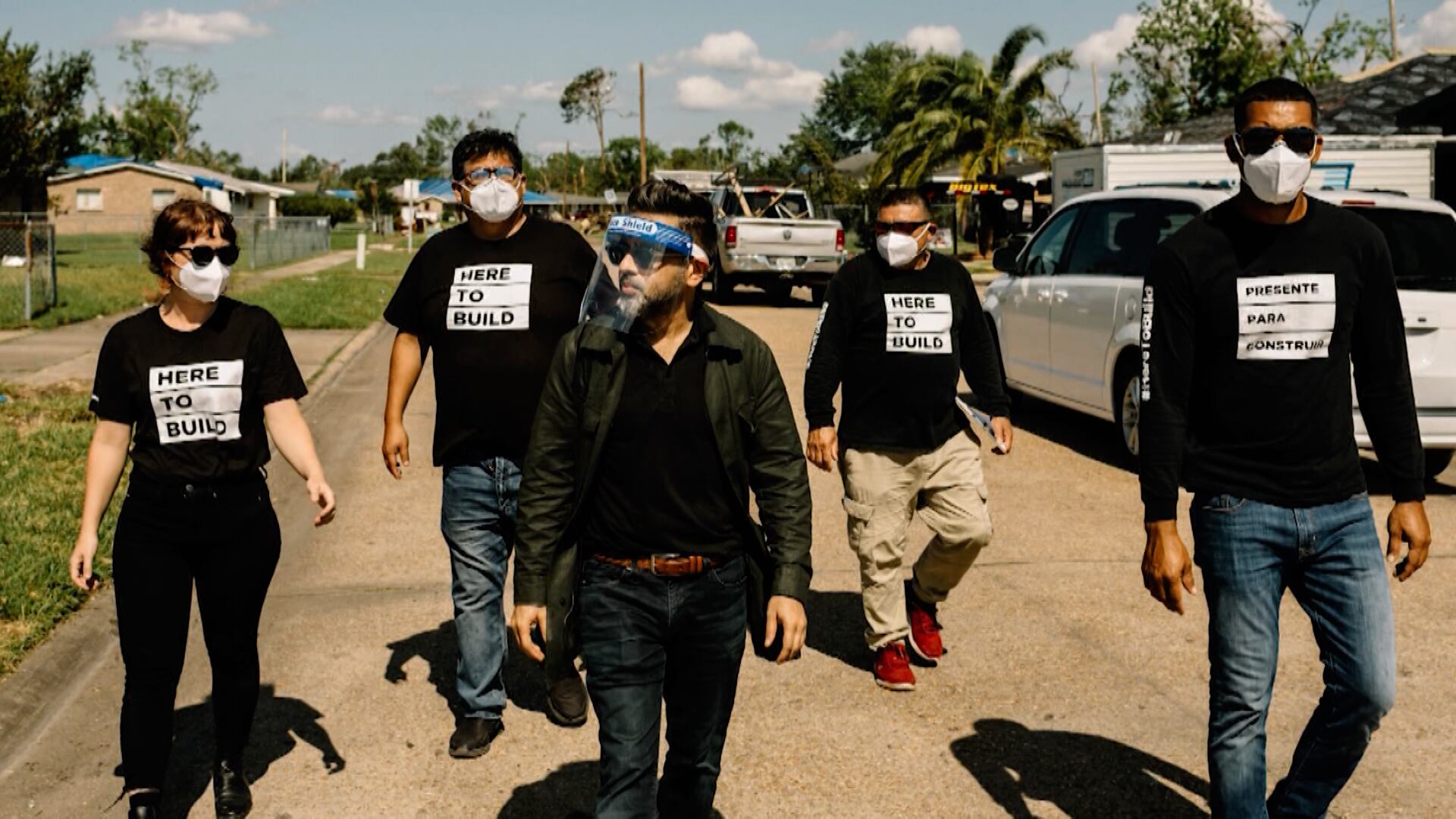
Residents often have to wait on federal assistance after a disaster, but one group has a solution: hiring community members to help clean up and improve their neighborhoods. Resilience Force tackles two problems at once by creating jobs in response to growing climate-related disasters. LaTanja Silvester, director of New Orleans programming for Resilience Force, joins Closing Bell to discuss how the organization creates jobs in communities that need help and higher employment, the importance of creating a "green" workforce, and more.
Benefits brokerage, Nava Benefits, raised $40 million in a Series B round. Nava says it's on a mission to fix healthcare, one benefits plan at a time. The startup is working to bring benefits to small business that are normally available to only Fortune 500 companies. Brandon Weber, Co-Founder and CEO of Nava Benefits, joined Cheddar News' Closing Bell to discuss.
Yung Lim, CEO and Fixed Income Strategist at FolioBeyond, joined Closing Bell to discuss the May CPI report, as inflation is still red-hot going into a key decision from the Federal Reserve about interest rates.