One Government Worker's Furlough Struggle: 'We Don't Know When It's Going to End'
*By Justin Chermol*
As the partial government shutdown spans its 18th day, furloughed federal workers like Sam Shirazi who have been placed on unpaid leave are struggling with both an immediate financial reality and a more amorphous sense of uncertainty.
"We don't know when it's going to end, and it doesn't seem like it's going to end anytime soon," Shirazi told Cheddar's J.D. Durkin on Tuesday. "That's creating frustration for everyone who works for the federal government."
About 420,000 federal employees deemed essential are working without pay while another 380,000 have been furloughed.
Beyond his paycheck, Shirazi's most pressing priority is to care for his daughter ー whose daily routine has been derailed by the shutdown. Her daycare is located in a federal building that has been temporarily shuttered, which presents a major challenge for Shirazi, who must keep her engaged and occupied all day.
"It's difficult because the Smithsonian is closed, the National Zoo is closed," he said of the federally-funded sources of amusement on which he might typically rely. "We have to figure out ways to keep her entertained."
"With small children you need a normal routine or otherwise things go a little haywire, so we're just trying to do our best," he added.
Although some of his peers are considering a shift to the private sector, Shirazi said he values his job with the federal government, but he is "concerned this will affect retention, and also hiring."
"I think people don't want to go into a situation that's so uncertain," he said.
Above all Shirazi said he simply wants to resume his life as a public servant without interruption.
"We want to work, we believe in public service, and we hope that this ends sooner rather than later so we can get back to work. I just hope that our leaders are able to resolve this."
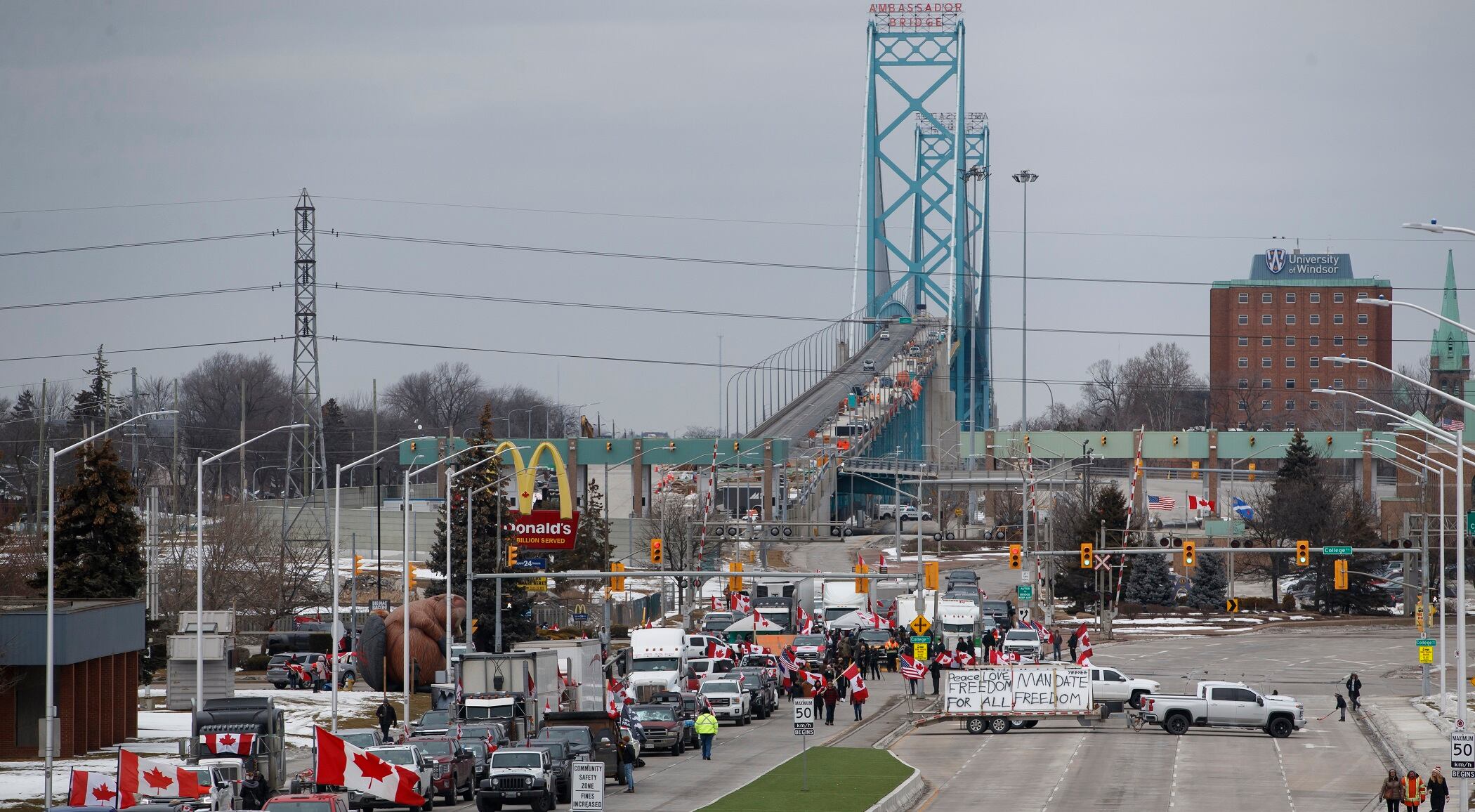
The truck blockade at the U.S. border by Canadians protesting the country’s COVID-19 restrictions is tightening the screws on the auto industry, forcing Ford, Toyota and General Motors to shut down plants or otherwise curtail production.
Inflation was hotter than expected in January, but the debate over what this means for the economy is getting even hotter as markets brace for a flurry of Fed rate hikes in 2022.
Inflation soared over the past year at its highest rate in four decades, hammering America’s consumers, wiping out pay raises and reinforcing the Federal Reserve’s decision to begin raising borrowing rates.
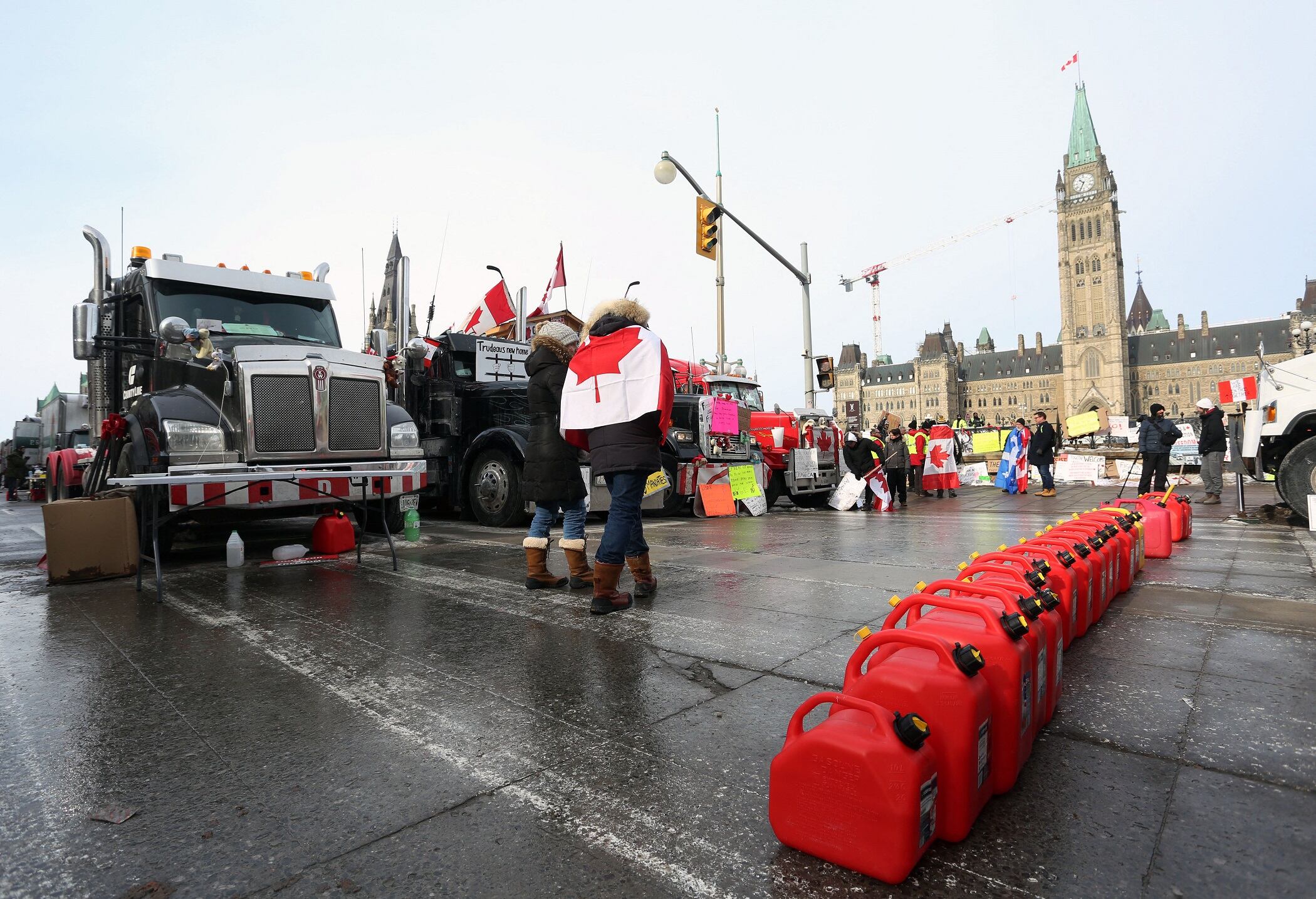
A rapidly growing list of Canadian provinces moved to lift their COVID-19 restrictions as protesters decrying vaccine mandates and other precautions kept up the pressure with truck blockades.
The House has approved legislation financing federal agencies for another month. It's the latest emblem of Congress’ inability to finish its budget work on time.
The IRS said Monday it will suspend the use of facial recognition technology to authenticate people who create online accounts after the practice was criticized by privacy advocates and lawmakers.
The first lady says real people often are caught in the middle. She spoke Monday in Washington about a now-stalled proposal for tuition-free community college, which she's pushed for a long time as a community college professor.
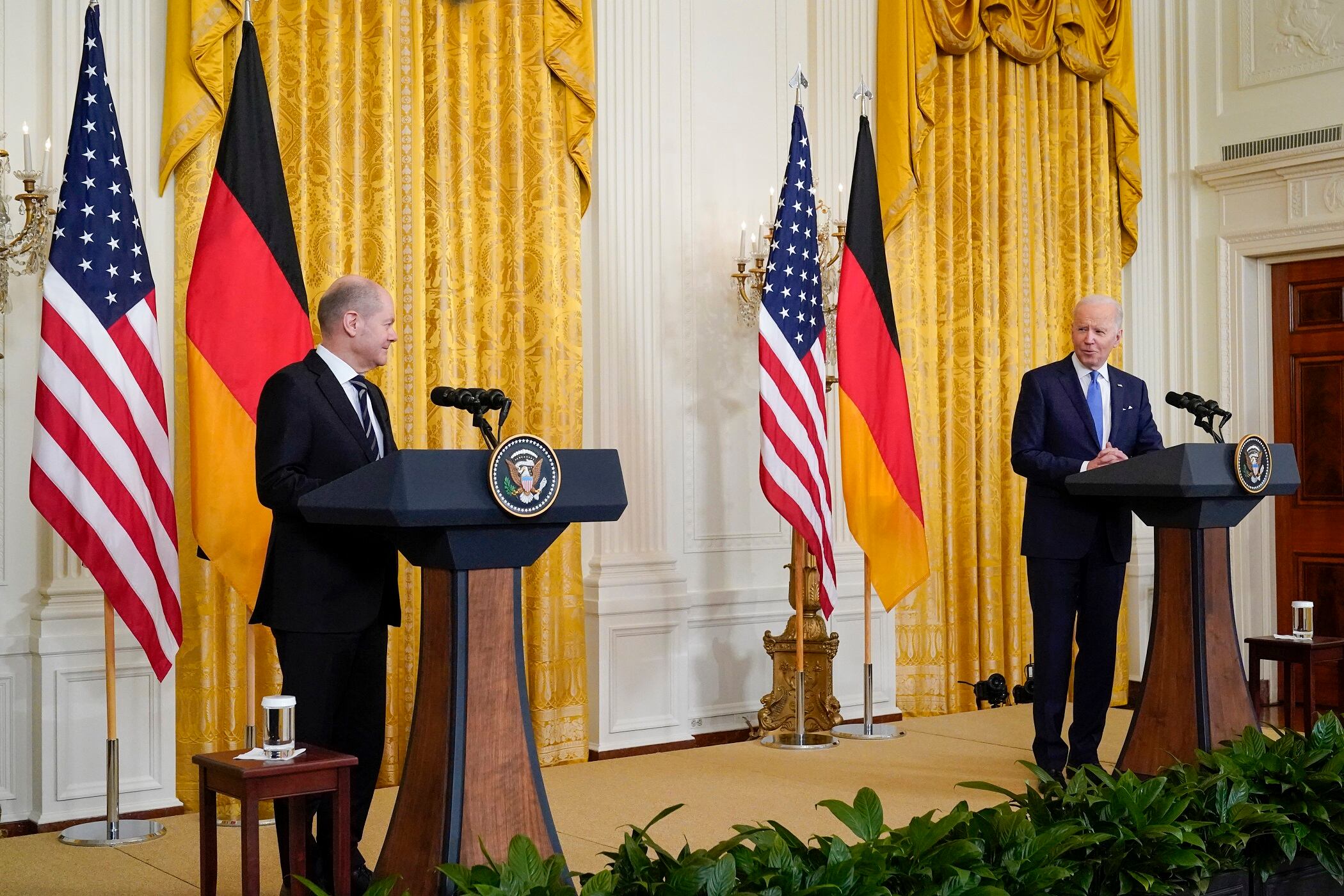
In a flurry of diplomacy across two continents, President Joe Biden emerged from a meeting with Germany’s new leader to vow the crucial Nord Stream 2 gas pipeline in Europe would be blocked if Russia further invades Ukraine.
Kristin Myers, Editor-in-Chief at The Balance, joined Cheddar News to preview the January jobs report, and to break down the racial disparity in employment numbers in the U.S.