One Government Worker's Furlough Struggle: 'We Don't Know When It's Going to End'
*By Justin Chermol*
As the partial government shutdown spans its 18th day, furloughed federal workers like Sam Shirazi who have been placed on unpaid leave are struggling with both an immediate financial reality and a more amorphous sense of uncertainty.
"We don't know when it's going to end, and it doesn't seem like it's going to end anytime soon," Shirazi told Cheddar's J.D. Durkin on Tuesday. "That's creating frustration for everyone who works for the federal government."
About 420,000 federal employees deemed essential are working without pay while another 380,000 have been furloughed.
Beyond his paycheck, Shirazi's most pressing priority is to care for his daughter ー whose daily routine has been derailed by the shutdown. Her daycare is located in a federal building that has been temporarily shuttered, which presents a major challenge for Shirazi, who must keep her engaged and occupied all day.
"It's difficult because the Smithsonian is closed, the National Zoo is closed," he said of the federally-funded sources of amusement on which he might typically rely. "We have to figure out ways to keep her entertained."
"With small children you need a normal routine or otherwise things go a little haywire, so we're just trying to do our best," he added.
Although some of his peers are considering a shift to the private sector, Shirazi said he values his job with the federal government, but he is "concerned this will affect retention, and also hiring."
"I think people don't want to go into a situation that's so uncertain," he said.
Above all Shirazi said he simply wants to resume his life as a public servant without interruption.
"We want to work, we believe in public service, and we hope that this ends sooner rather than later so we can get back to work. I just hope that our leaders are able to resolve this."
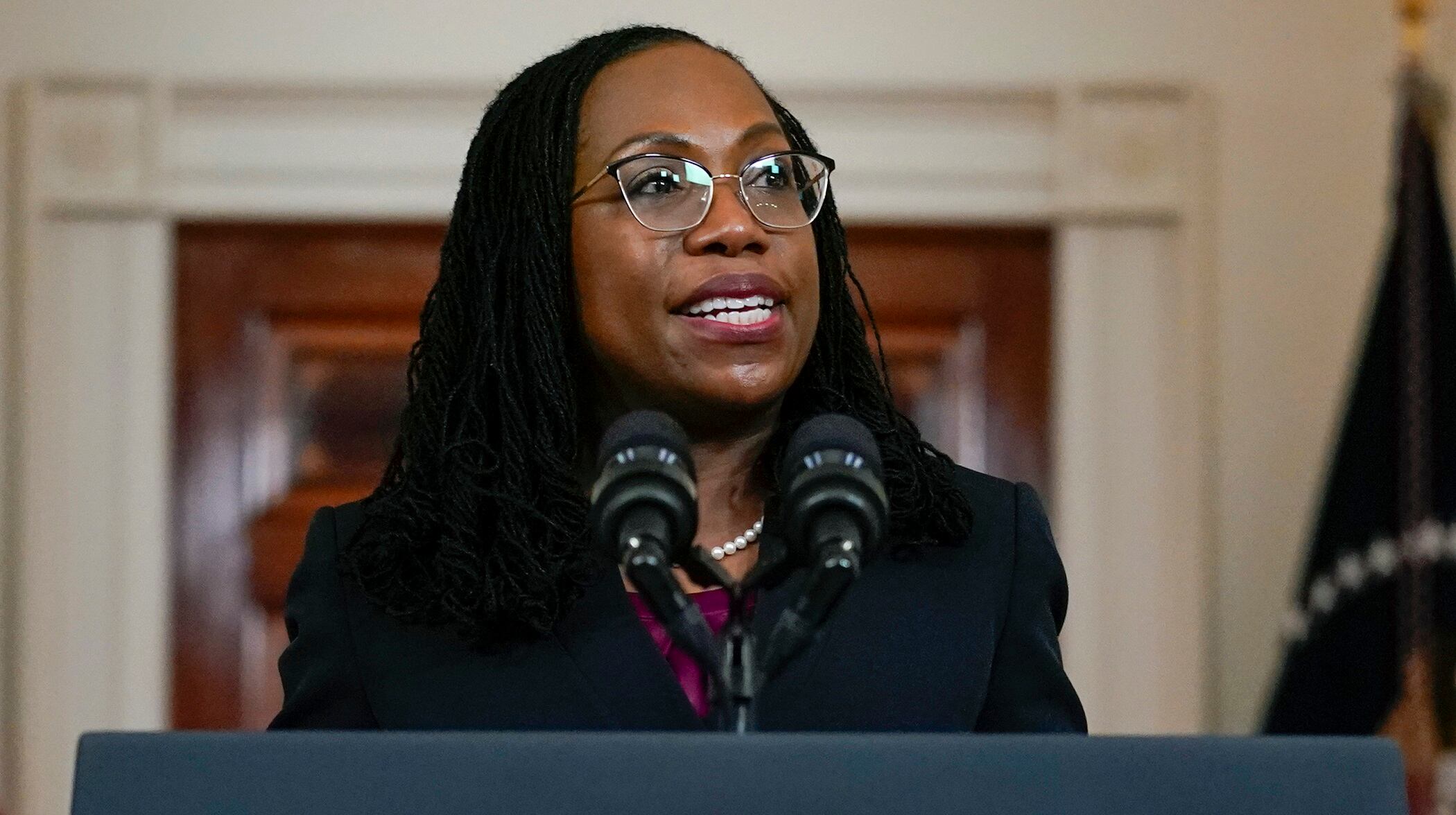
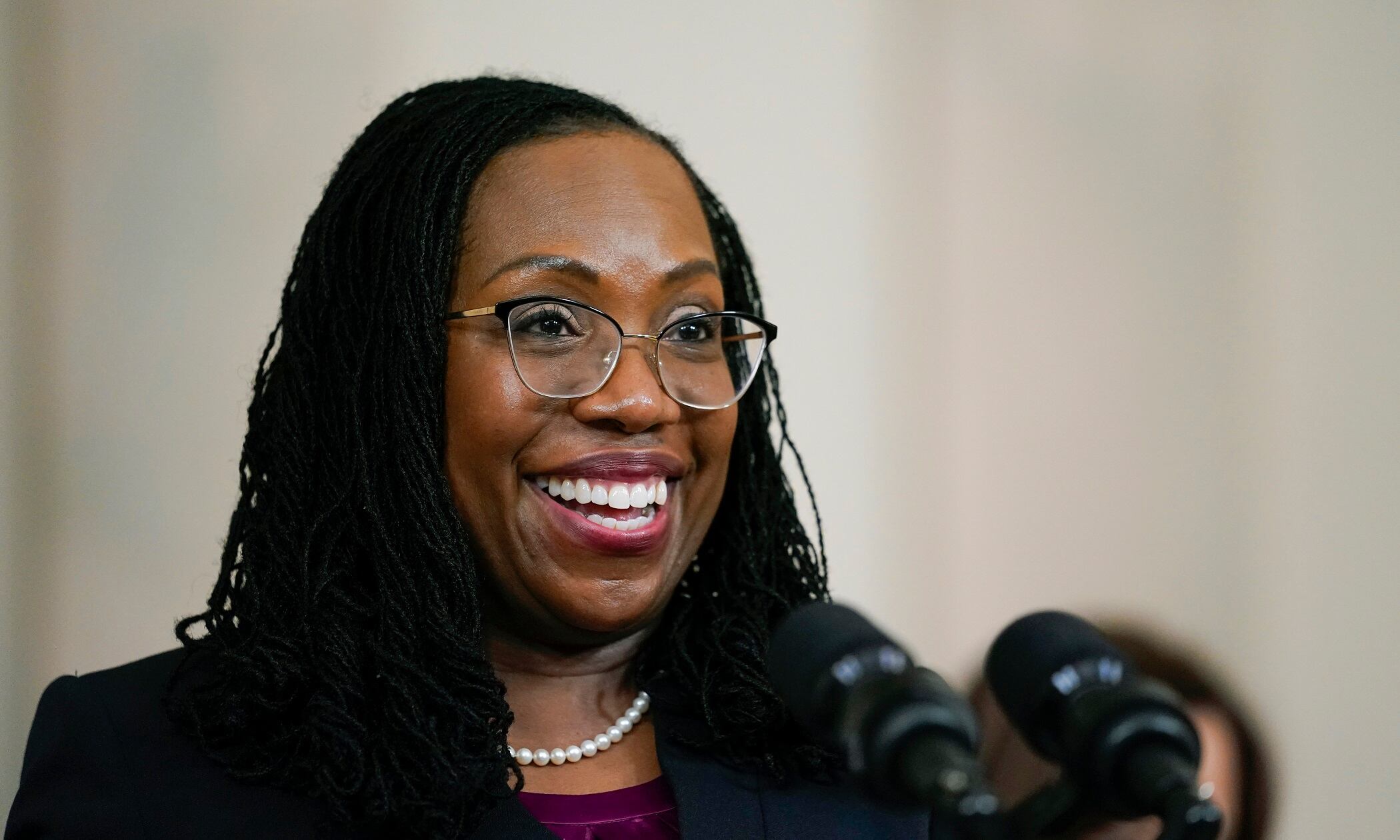
As we celebrate Black History Month, Cheddar is highlighting prominent Black Americans who are carving their own historic paths and trailblazing in their fields. Today we feature Ketanji Brown Jackson, the first Black woman SCOTUS nominee.
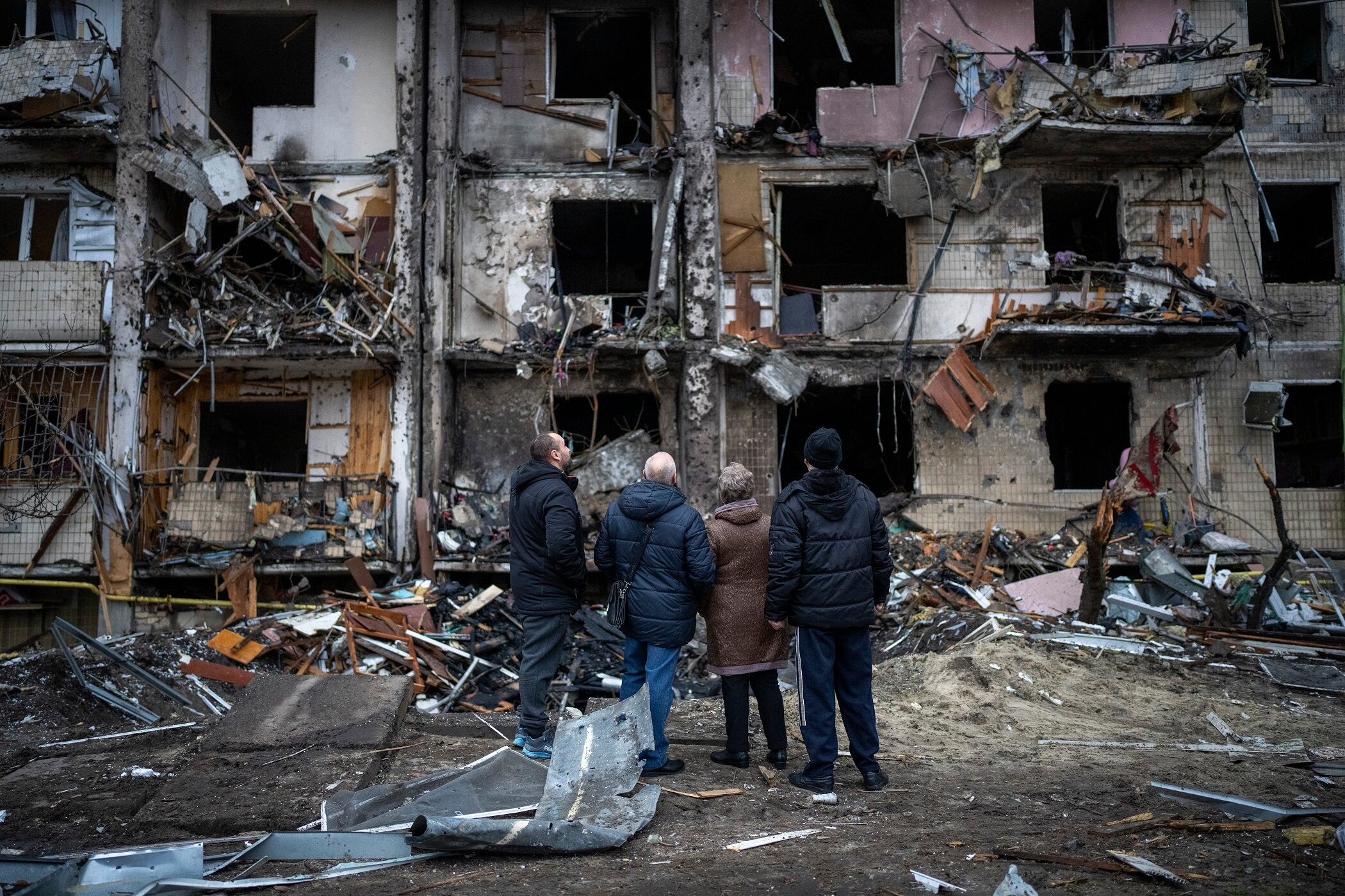
Russia's invasion of Ukraine went hand in hand with cyberattacks against Ukrainian government websites and financial institutions. Cheddar News speaks with cybersecurity expert Karim Hijazi, CEO of Prevaillon, on why the Russian cyberwarfare is concerning to other nations.
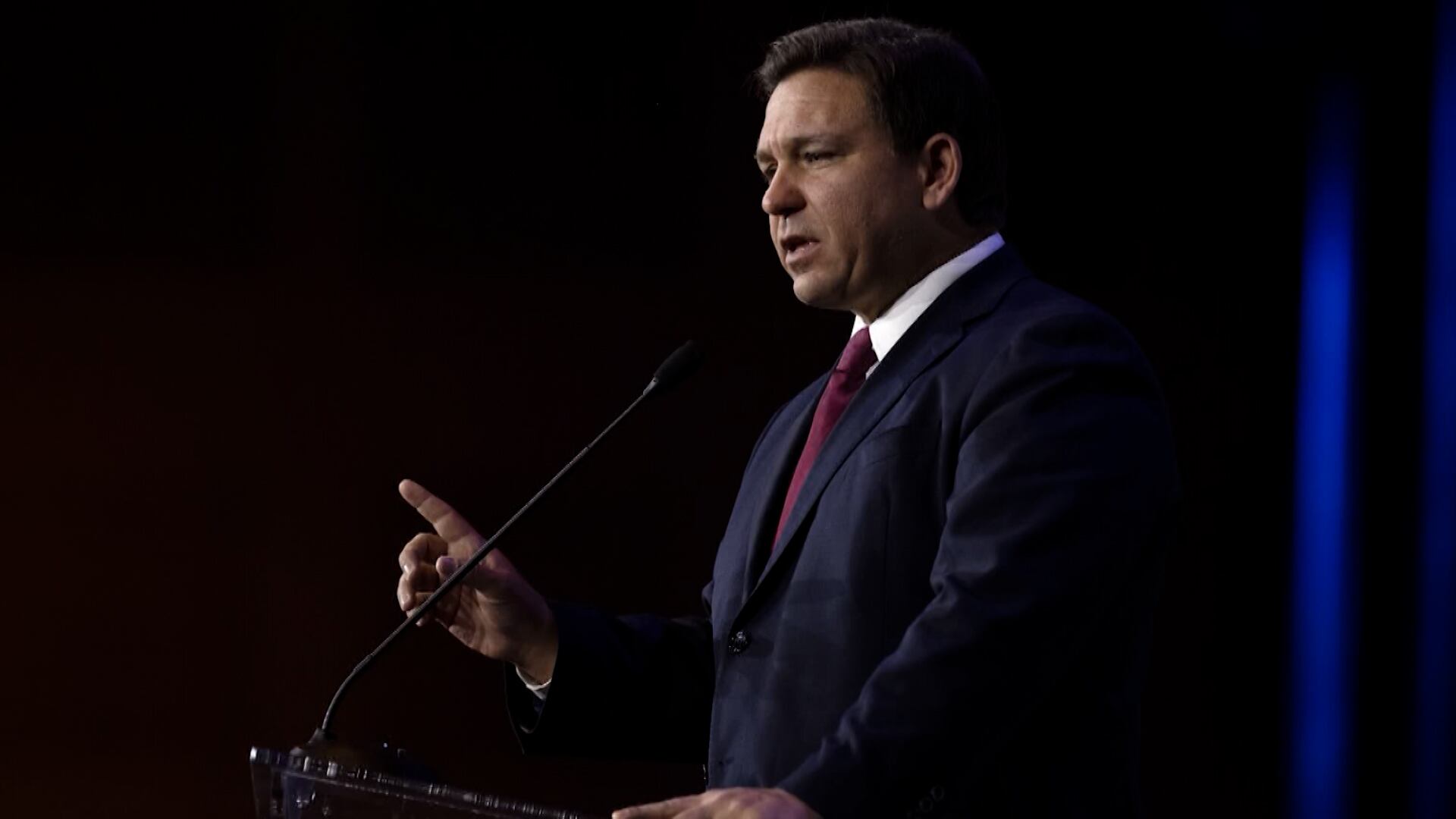
Florida legislation being called the 'Don't Say Gay' bill would restrict some discussion of sexual orientation and gender identity in classrooms with young students. Jon Harris Maurer, public policy director at Equality Florida, joins Cheddar News to discuss.
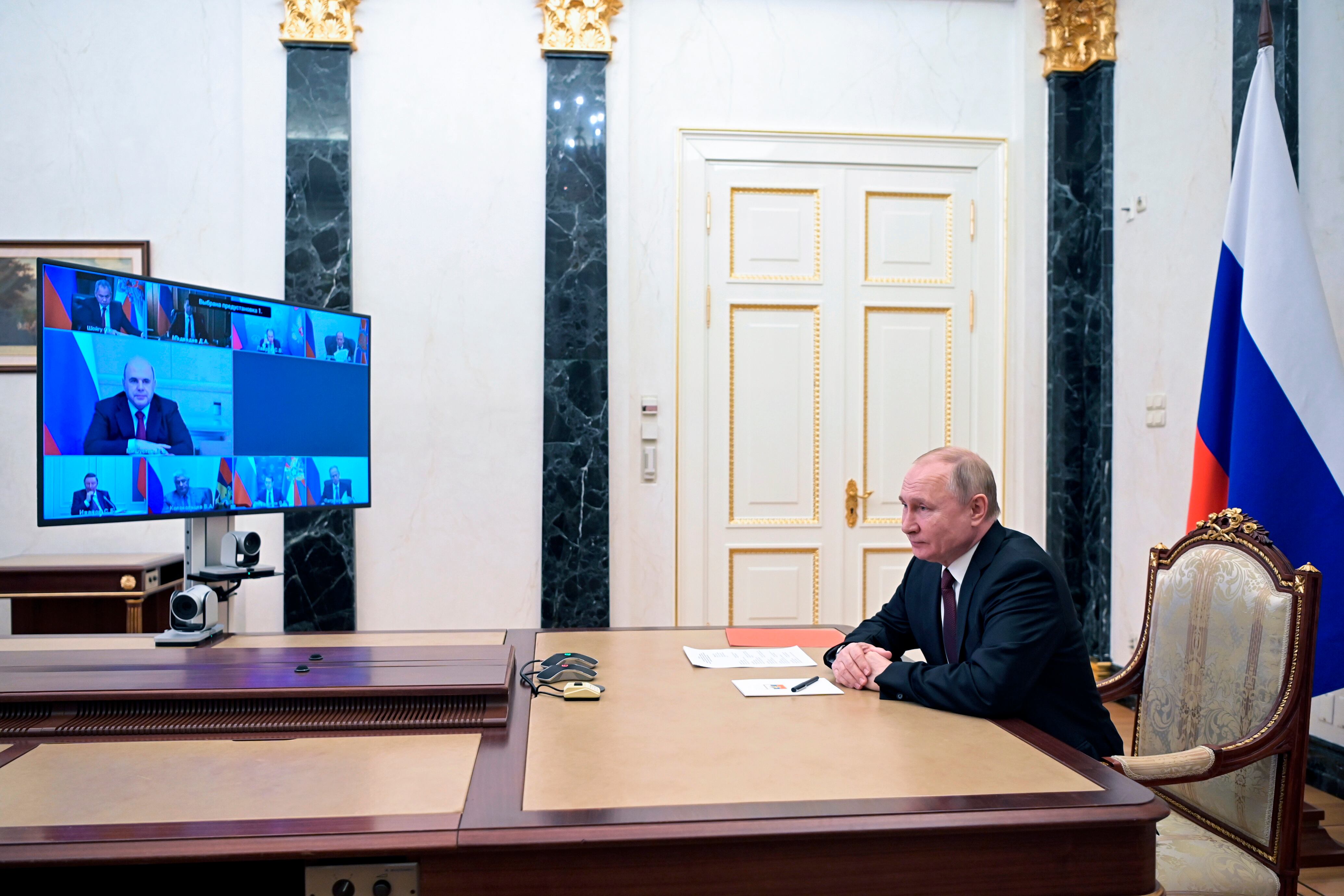
President Joe Biden promised during his campaign to focus on stable and ally-focused foreign policy, and the Russia-Ukraine crisis seems like an opportunity for him to focus on that tactic after last year's chaotic Afghanistan withdrawal. So far, Biden and western allies have banned together to sanction Russian banks, billionaires, and even President Vladimir Putin himself. Meanwhile, Biden has not deployed U.S. troops to intervene directly in Ukraine. Jack Detsch, national security reporter at Foreign Policy, joins Closing Bell to discuss why Biden is focusing on a sanctions-based, ally-focused strategy, what impact sanctions could have on Russia's economy, and more.
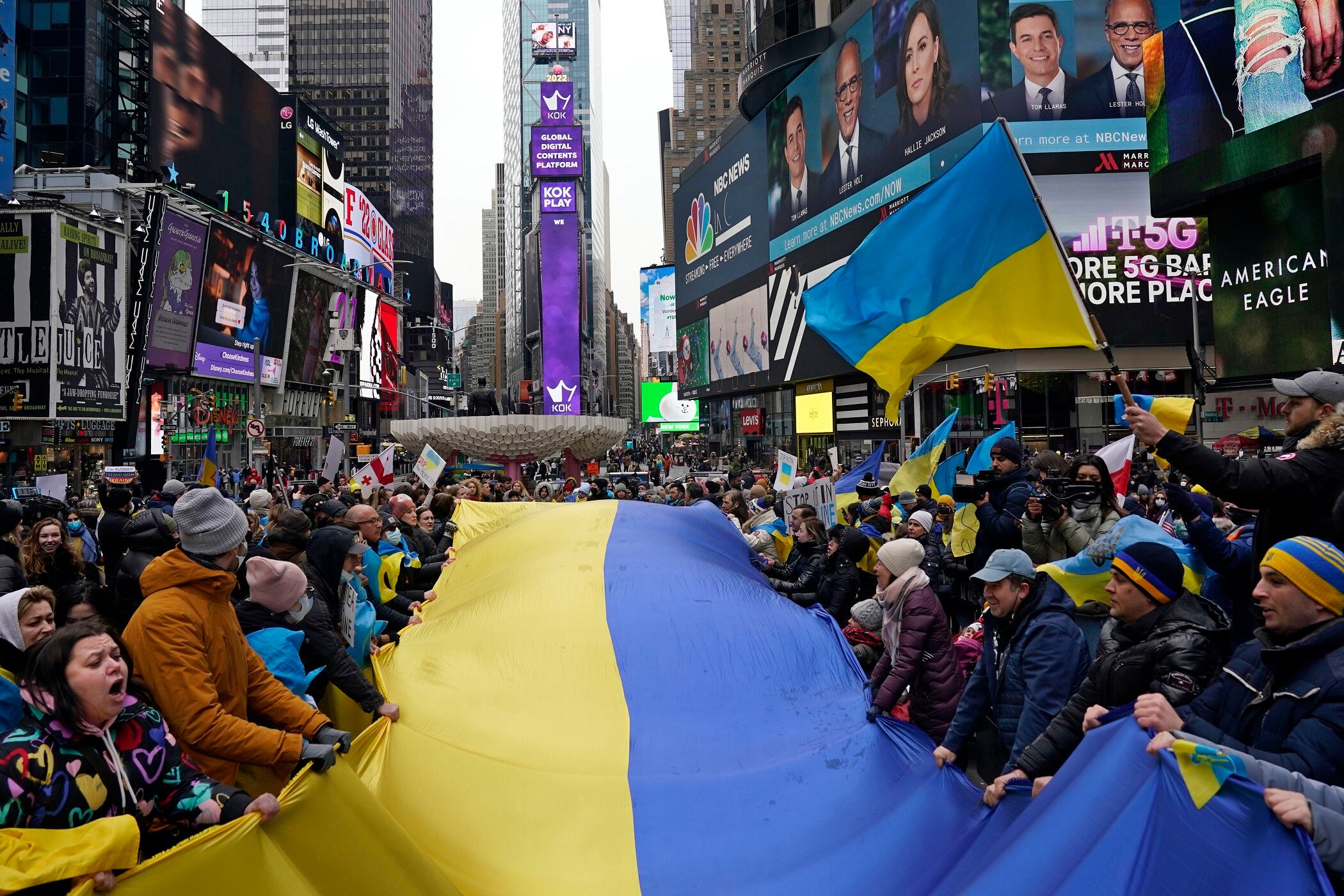
As Russia continues its attack on Ukraine, protests are popping up in major cities across the U.S., including across the street from the United Nations in New York City.. Chloe Aiello reports.