After President Trump authorized a military strike killing a top Iranian military commander, the escalating conflict sent stocks down around the world, and oil and gold prices up on the first Monday of the new year.
Brent oil prices, the international benchmark, hit the $70 mark for the first time in three months and the price of West Texas Intermediate, the American oil benchmark, reached more than $63 a barrel after the Pentagon's announcement confirming an airstrike at Baghdad's airport. Crude oil last hit the $70 mark in September after drones suspected to have been launched by Iran struck Saudi Arabian oil plants. Saudi Arabia, Iran, and Iraq account for almost half of the world's oil reserves.
Prices are up amid a growing list of concerns after the killing of Gen. Qassem Soleimani: Iran may close the Strait of Hormuz, has already threatened retaliation, and said it will no longer abide by the 2015 nuclear deal the U.S. withdrew from two years ago, and Iraq voted to expel U.S. troops. The State Department warned of a "heightened risk" of a missile attack near U.S. bases.
It is unclear how Iran will respond to Trump's unilateral move. Oanda's Jeffrey Halley noted that "a big fat dollop of geopolitical uncertainty has landed on investors desks" in a report.
But J. Jay Park, CEO of ReconAfrica, said the geopolitical uneasiness isn't, alone, enough to continue driving oil prices up. He said what may continue to drive up prices is a change in supply. Park said supply, demand, OPEC decisions and compliance, geopolitics, and public sentiment about those four items affect oil prices. Uncertainty in Iran, coupled with a change in supply or demand may change the game. Iran may choose to close the Strait of Hormuz, a move Britain has forestalled by sending the Royal Navy to help ships pass through the Strait, through which 21 percent of 2018's global petroleum liquids consumption flowed.
"If that were to happen, the sky's the limit, over $100 easily," Park told Cheddar on Monday.
With the region on edge, stocks fell in Japan, Hong Kong, South Korea, and across European markets.
In the meantime, Park said the current crisis may not drive up oil prices further.
"In the recent past we've seen a number of conflicts, for example the suspected Iranian attack on Abqaiq in Saudia Arabia, that kind of underwhelmed in terms of the extent to which these changes affected the overall price and how long that effect lasted," he said.
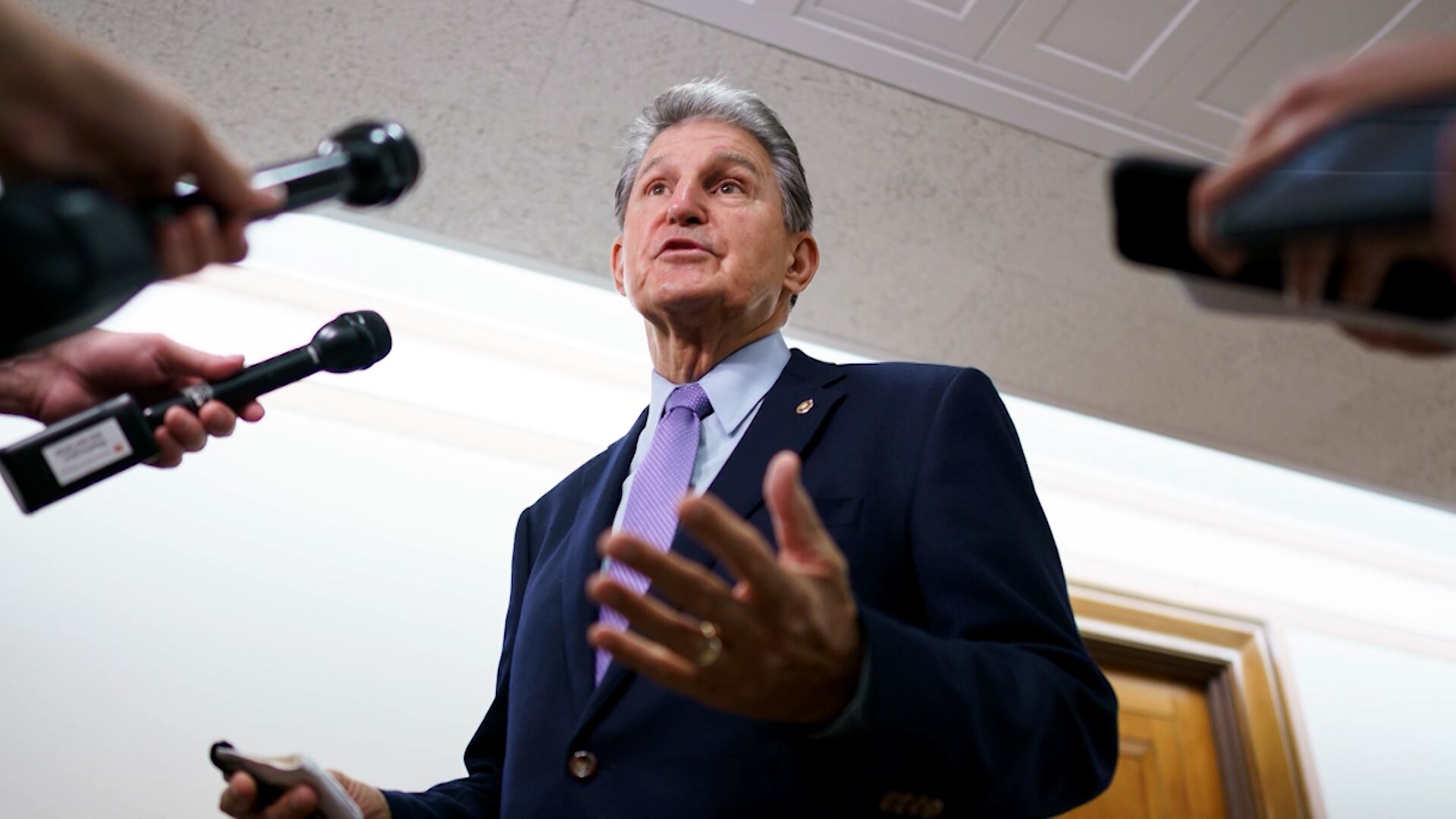
Stephanie Akin, Politics Reporter for CQ Roll Call, breaks down
Senator Manchin's donation pool, and highlights what this support means for the conservative Democrat as well as the Republican party.
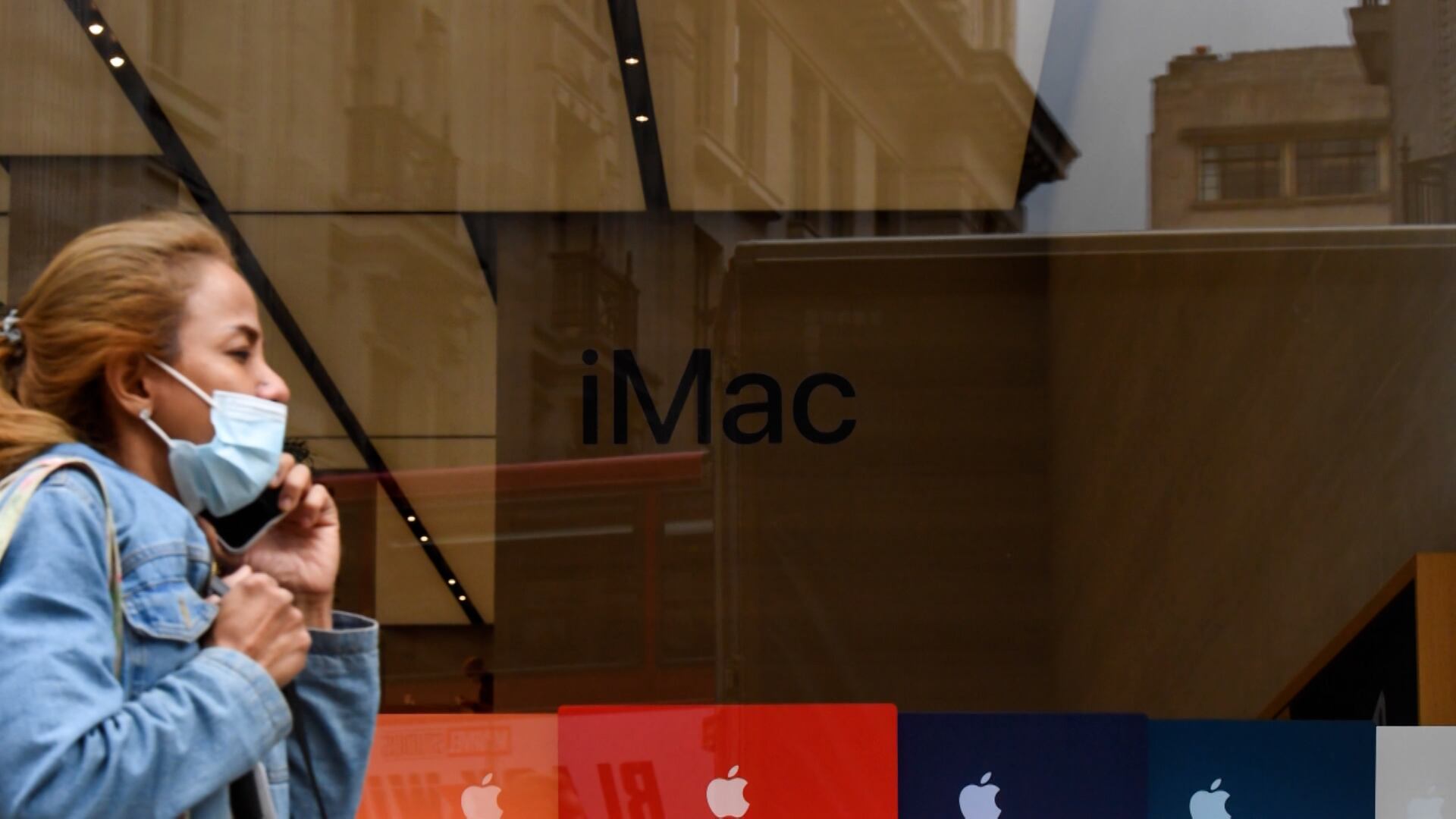
Julie Gillespie, Trading Analyst at TipRanks, breaks down Apple's record-breaking quarter and highlights areas of the business where the tech giant may see potential growth throughout the year.
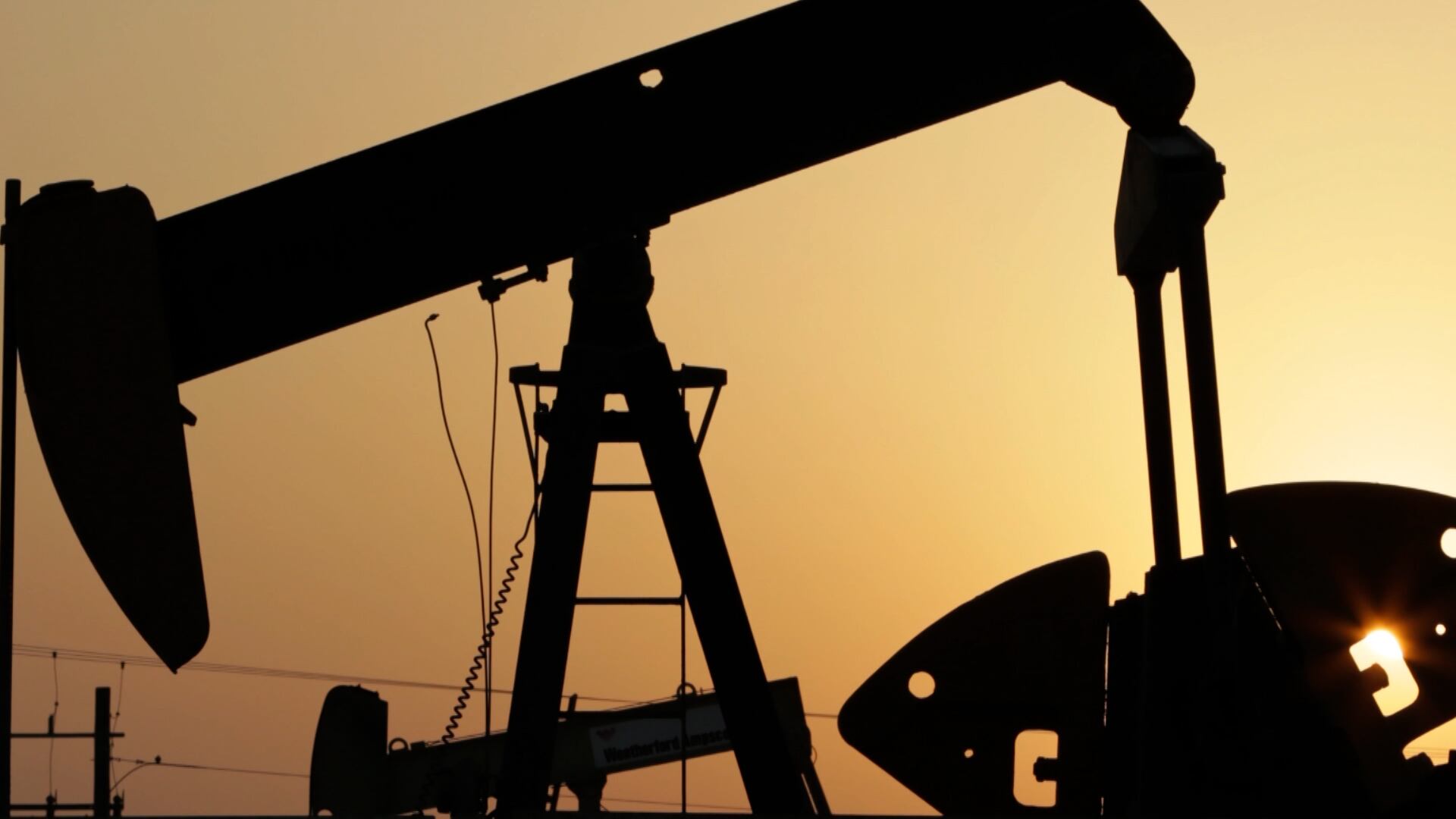
The global oil benchmark surpassed $90 for the first time in more than seven years. This comes as growing tensions between Russia and Ukraine add to concerns about the already-tight market. Jay Hatfield, Chief Investment Officer at ICAP, joined Cheddar to discuss what this benchmark means for the oil industry, and what might happen if Russia does invade its neighbor.
The EU relaxed its Covid travel restrictions for vaccinated individuals among the union's 27 member states, doing away with testing or quarantine requirements for travelers. This comes soon after the World Health Organization said the omicron variant could help make the pandemic more manageable. The new rules take effect February 1st. Bryce Conway, Founder, 10xTravel joined Cheddar's Opening Bell to discuss.
General Motors will be releasing its earnings report on Tuesday. Paulina Likos, investing reporter for U.S. News & World Report, joined Cheddar News to discuss how investors will be eyeing the automaker's forecast as it expands its EV division and attempts to navigate a supply shortage."Investors, first and foremost, are going to want to understand how the company has been able to navigate the chip shortage and how they're going to be able to do that throughout the year to come," Likos noted.
If you're in China you may have noticed that the 1999 film "Fight Club" which features Brad Pitt has somehow got itself a new ending. In the new ending on the streaming service Tencent, the narrator is killed and the explosions are replaced with a black screen saying "the police arrested criminals".It's unclear as to exactly why the changes were made. However, it is the latest example of China playing by its own rules when it comes to entertainment and attempting to control everything its citizens watch. Media Reporter at Axios, Sarah Fisher, joined Cheddar to discuss more.
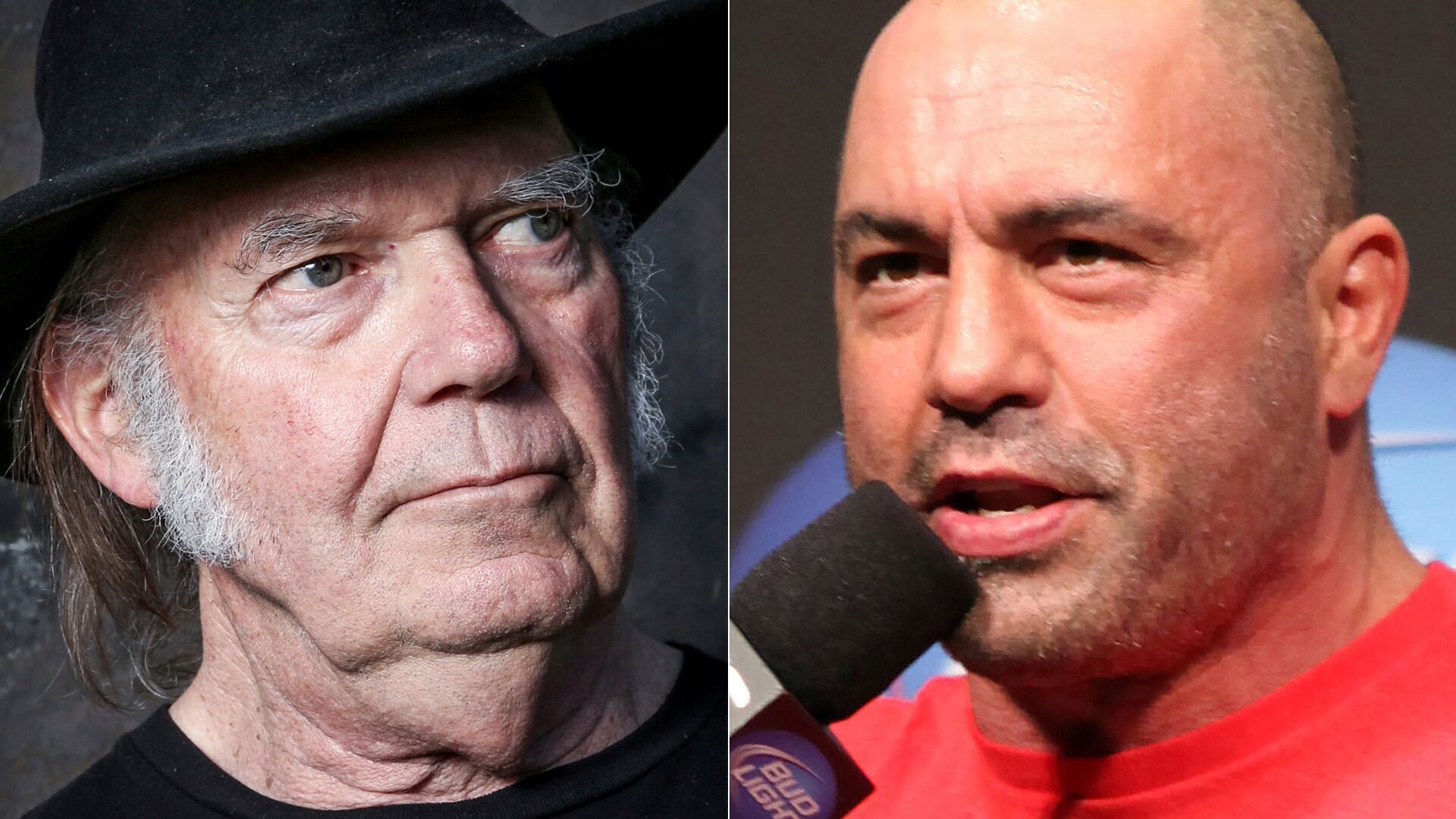
Neil Young gave the streaming service Spotify an ultimatum demanding that his music be removed if the Joe Rogan experience remained on the platform. Joe Rogan's platform has been questioned a number of times as a result of some of his takes on covid treatment strategies and at times downright misinformation. Ultimately, Spotify decided to stick with Joe Rogan's podcast. The Director for the Business and Entertainment Program at American University, John Simson, joined Cheddar to discuss more.