After President Trump authorized a military strike killing a top Iranian military commander, the escalating conflict sent stocks down around the world, and oil and gold prices up on the first Monday of the new year.
Brent oil prices, the international benchmark, hit the $70 mark for the first time in three months and the price of West Texas Intermediate, the American oil benchmark, reached more than $63 a barrel after the Pentagon's announcement confirming an airstrike at Baghdad's airport. Crude oil last hit the $70 mark in September after drones suspected to have been launched by Iran struck Saudi Arabian oil plants. Saudi Arabia, Iran, and Iraq account for almost half of the world's oil reserves.
Prices are up amid a growing list of concerns after the killing of Gen. Qassem Soleimani: Iran may close the Strait of Hormuz, has already threatened retaliation, and said it will no longer abide by the 2015 nuclear deal the U.S. withdrew from two years ago, and Iraq voted to expel U.S. troops. The State Department warned of a "heightened risk" of a missile attack near U.S. bases.
It is unclear how Iran will respond to Trump's unilateral move. Oanda's Jeffrey Halley noted that "a big fat dollop of geopolitical uncertainty has landed on investors desks" in a report.
But J. Jay Park, CEO of ReconAfrica, said the geopolitical uneasiness isn't, alone, enough to continue driving oil prices up. He said what may continue to drive up prices is a change in supply. Park said supply, demand, OPEC decisions and compliance, geopolitics, and public sentiment about those four items affect oil prices. Uncertainty in Iran, coupled with a change in supply or demand may change the game. Iran may choose to close the Strait of Hormuz, a move Britain has forestalled by sending the Royal Navy to help ships pass through the Strait, through which 21 percent of 2018's global petroleum liquids consumption flowed.
"If that were to happen, the sky's the limit, over $100 easily," Park told Cheddar on Monday.
With the region on edge, stocks fell in Japan, Hong Kong, South Korea, and across European markets.
In the meantime, Park said the current crisis may not drive up oil prices further.
"In the recent past we've seen a number of conflicts, for example the suspected Iranian attack on Abqaiq in Saudia Arabia, that kind of underwhelmed in terms of the extent to which these changes affected the overall price and how long that effect lasted," he said.
Florists are dreading weekend pickups for this year's Valentine's Day, which lands on a Monday. Christina Stembel, founder and CEO of Farmgirl Flowers joined Cheddar News to discuss the challenges presented by shortages caused by supply chain issues, lack of labor, and climate change and how her company is preparing for this year's holiday. “A Monday delivery is just really hard for small businesses like us," said Stembel. "Larger companies have the scale that some of the large transportation carriers will provide a Sunday pick up for Monday delivery, but for small companies like us, that's not an option. So we have to try to convince people to order early."
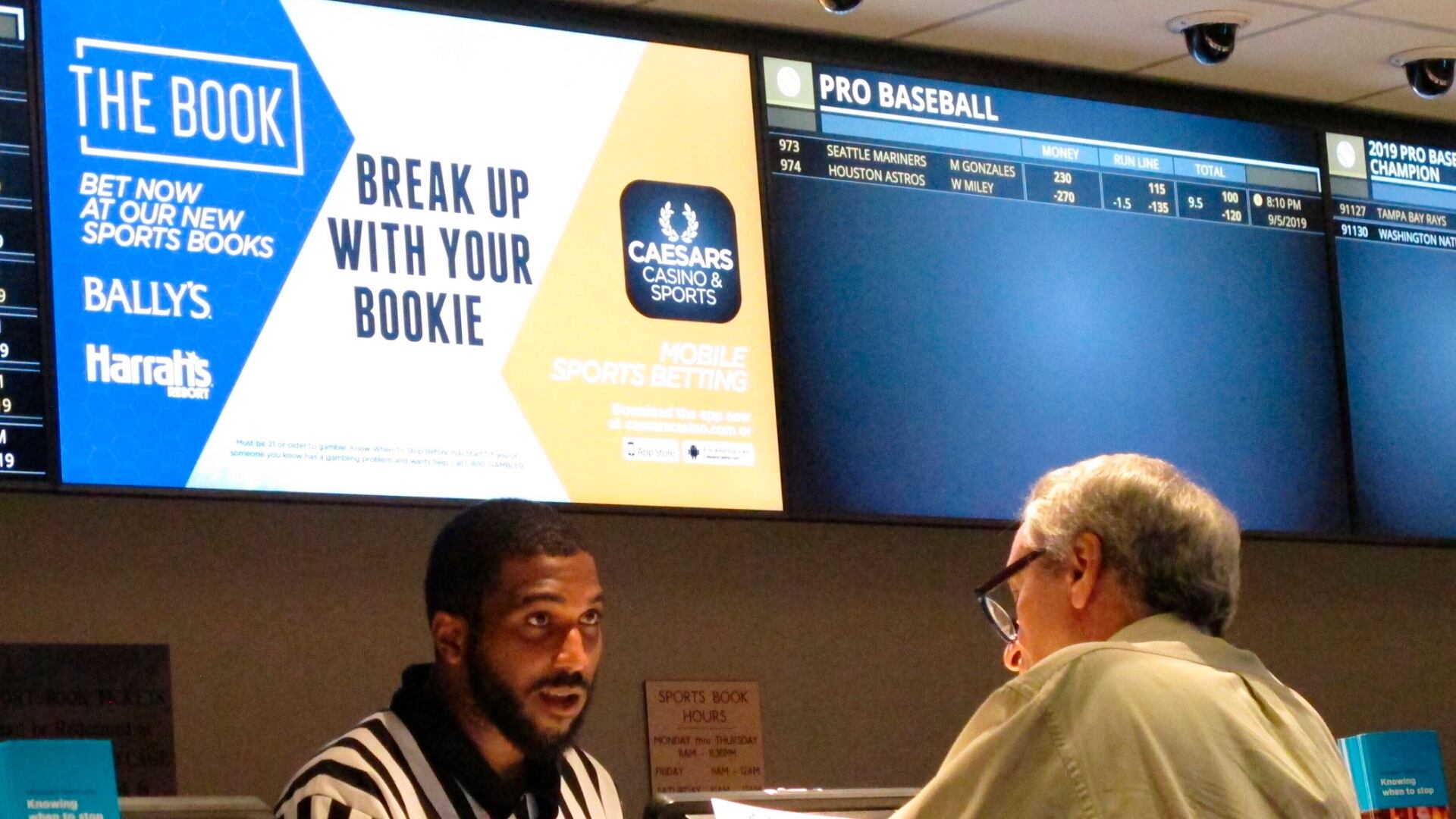
Americans placing bets on the Super Bowl is expected to reach a record high due to multiple states legalizing sports gambling. Hana Ostapchuk, the host of Cheddar Bets, joined Baker Machado on Between Bells to discuss the action on the Big Game.
Chipotle posted its quarterly report showing a beat on earnings and revenue. The restaurant chain was able to stay ahead of inflation by raising prices and noted digital sales made up more than 40 percent of overall sales.
trivago reported its last earnings of 2021 yesterday, marking the end of a rollercoaster year. The online hotel search site was forced to cut costs during the pandemic as the travel industry shut down entirely, instead pivoting its strategy to meet customer demand in other ways. Matthias Tillmann, CFO of trivago, joined Cheddar's Opening Bell to discuss the company's results and why he's optimistic about the future of the travel industry in 2022.
PLAY, a low-cost airline headquartered in Iceland, is expanding service to New York Stewart International Airport, marking its third destination in the United States. PLAY is the latest affordable carrier to fly onto the scene, debuting its first flights a little more than six months ago. Birgir Jonsson, CEO of PLAY, joined Cheddar to discuss what this expansion means for the airline and what it's been like to lead a new airline during a pandemic. "For us to get into the market now, have the availability of great, brand new aircraft at historically low prices, and basically being able to secure a low operating cost base for the future is a completely rare opportunity," Jonsson said. "We can get into the market now when our competitors are also weak."