Voting rights groups in Ohio are being lauded for their oversight efforts which uncovered massive errors in the state's recent bid to remove hundreds of thousands of voters from its rolls. The inspection, which was carried out primarily by nonprofit volunteers, found that more than 40,000 voters were mistakenly included on the state's to-be-deleted list.
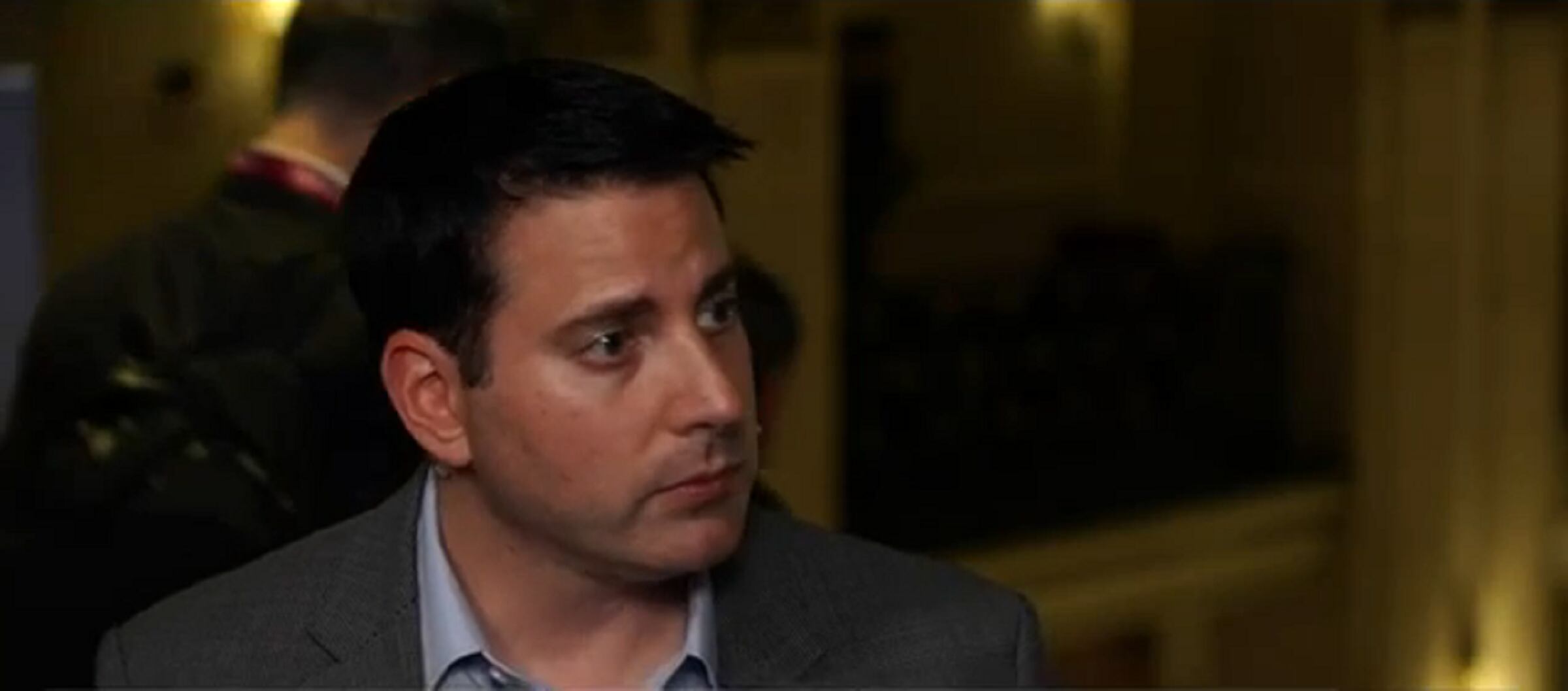
"It definitely showed that Ohio's registration system needs a major upgrade," Jen Miller, the director of the League of Women Voters of Ohio, told Cheddar on Monday. "We can't be using a policy as severe as a purge when we can't even be sure that our purge lists are correct."
In an unusual move, this past August Ohio's Secretary of State Frank LaRose publically released a list of 235,000 voters that were set to be deleted from the state's registry. By reviewing the long spreadsheet, the League of Women Voters and several other groups uncovered gross inaccuracies, including the inclusion of Miller's name.
Yet Secretary LaRose, a Republican, has praised the process, saying his office undertook the most transparent review of Ohio's voting rolls to date. "Because of our collaboration with outside organizations, the proper safeguards are in place to ensure any eligible voter will have the opportunity to have their voice heard," LaRose said in a statement after revising the list.
The list maintenance process, as it's officially called, is legally mandated in Ohio and seeks to clear the state's system of deceased residents, inactive voters, or people who have moved out of state. Voter purging, however, has become a major issue nationwide as Republican-led initiatives in several states have sought to remove voters through controversial registration requirements, which critics say primarily target minority or Democratic voters.
Other oversight groups that participated in the review include the National Association for the Advancement of Colored People, All Voting is Local, and the Fair Elections Center.
A record number of women are on the ballot next week, but many have struggled to finance their campaigns. Sarah Chamberlain, president and CEO of Republican Main Street Partnership, explains the funding gap that follows women on the campaign trail.
Axios is taking a different approach to success than many of its traditional media rivals. In a click-bait media universe, the digital media start-up is prioritizing engagement over page views. "We need engaged users, not just users," co-founder Roy Schwartz told Cheddar.
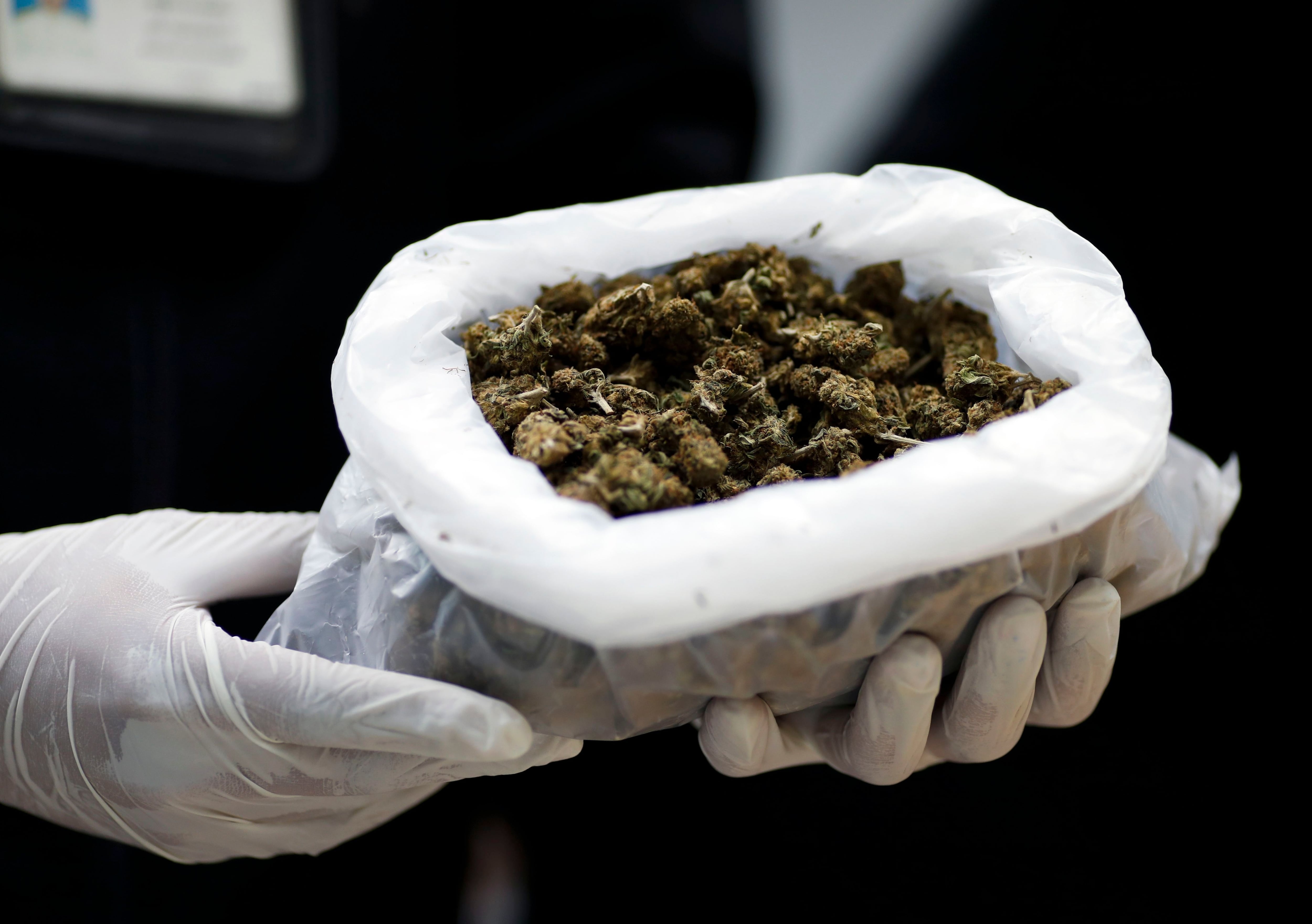
On Tuesday, Missouri could become the 32nd state in the U.S. to legalize medical marijuana. Cannabis legalization has garnered more public support in recent years, and medical pot is often thought to be the gateway to fuller legalization. While the Missouri medical community is split on the drug's medicinal value, much of the student body at the University of Missouri has a pro-legalization stance.
These are the headlines you Need 2 Know.
Debbie Mucarsel-Powell, the Democratic candidate running in Florida's 26th district, is slamming ads attacking her, including one that shows a man pointing a gun. Mucarsel-Powell lost her father to gun violence.
The markets looked to recover losses for October in the last day of trading for the month. Facebook shares were making solid gains on the heels of its third-quarter earnings results. Revenue slowed but the company beat estimates on earnings per share. Plus, Debbie Mucarsel-Powell, an Ecuadorian immigrant running to represent Florida's 26th district, tells Cheddar the changes she would make if elected to office. The midterms are just six days out.
October's reputation as a volatile month for stocks will remain unbroken ー at least for now. The S&P 500 will close its worst October since the financial crisis a decade ago and its worst month in eight years. The gains in equities from a summer rally have been wiped out across just about every slice of the market.
These are the headlines you Need 2 Know.
It's been nearly two weeks since Canada opened the retail market for recreational marijuana, and now it faces a shortage of supply across many of the retail operations in a number of provinces. "Given the robustness of the demand, suppliers clearly did have challenges getting the stores full and adequately supplied," Cowen Managing Director Vivien Azer told Cheddar's CannaBiz Tuesday.
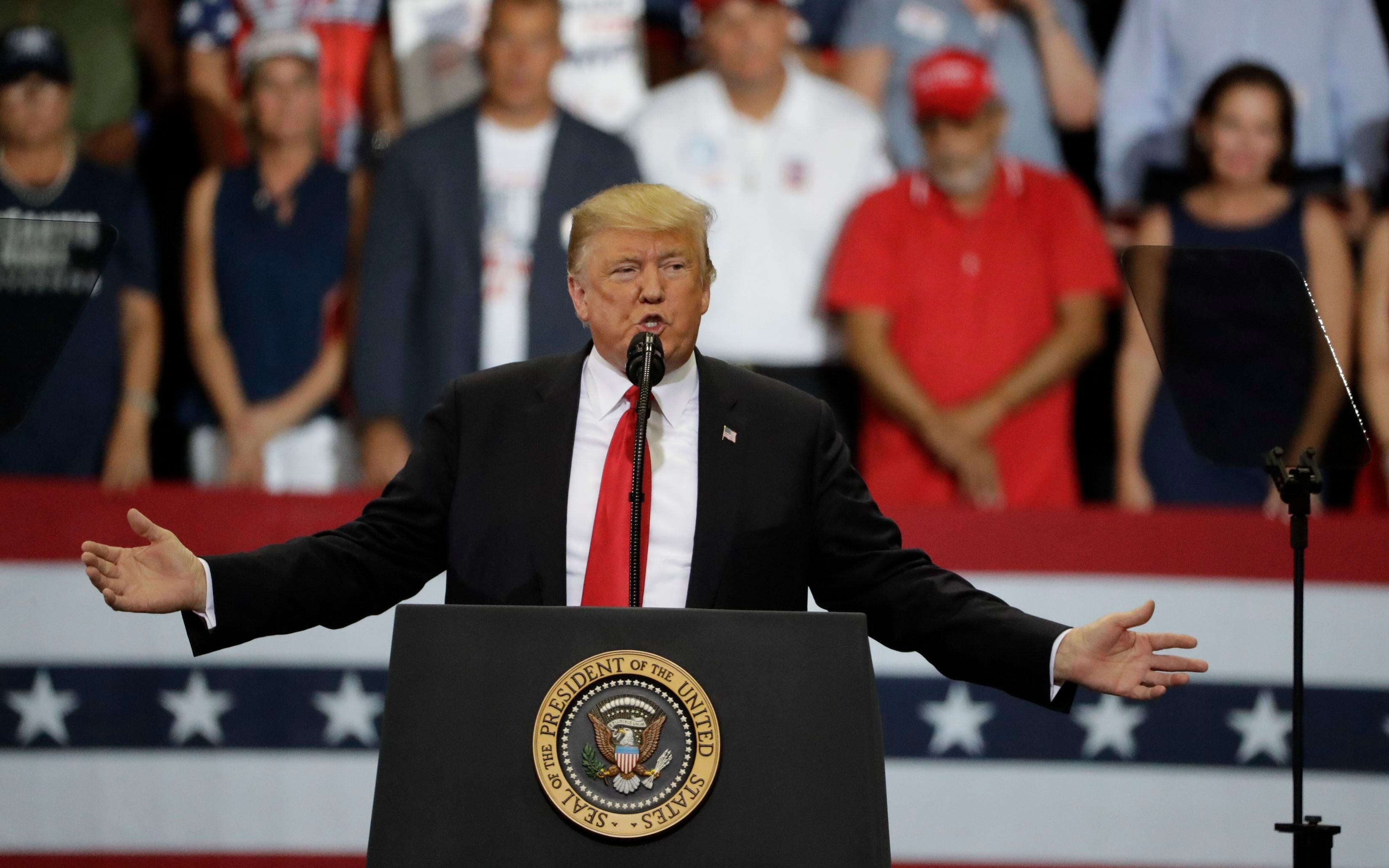
It's not a coincidence that President Trump said he would sign an executive order to end birthright citizenship a week before a pivotal election. That's according to David Graham, a staff writer at The Atlantic, who explained the politics behind the bombshell announcement.