Voting rights groups in Ohio are being lauded for their oversight efforts which uncovered massive errors in the state's recent bid to remove hundreds of thousands of voters from its rolls. The inspection, which was carried out primarily by nonprofit volunteers, found that more than 40,000 voters were mistakenly included on the state's to-be-deleted list.
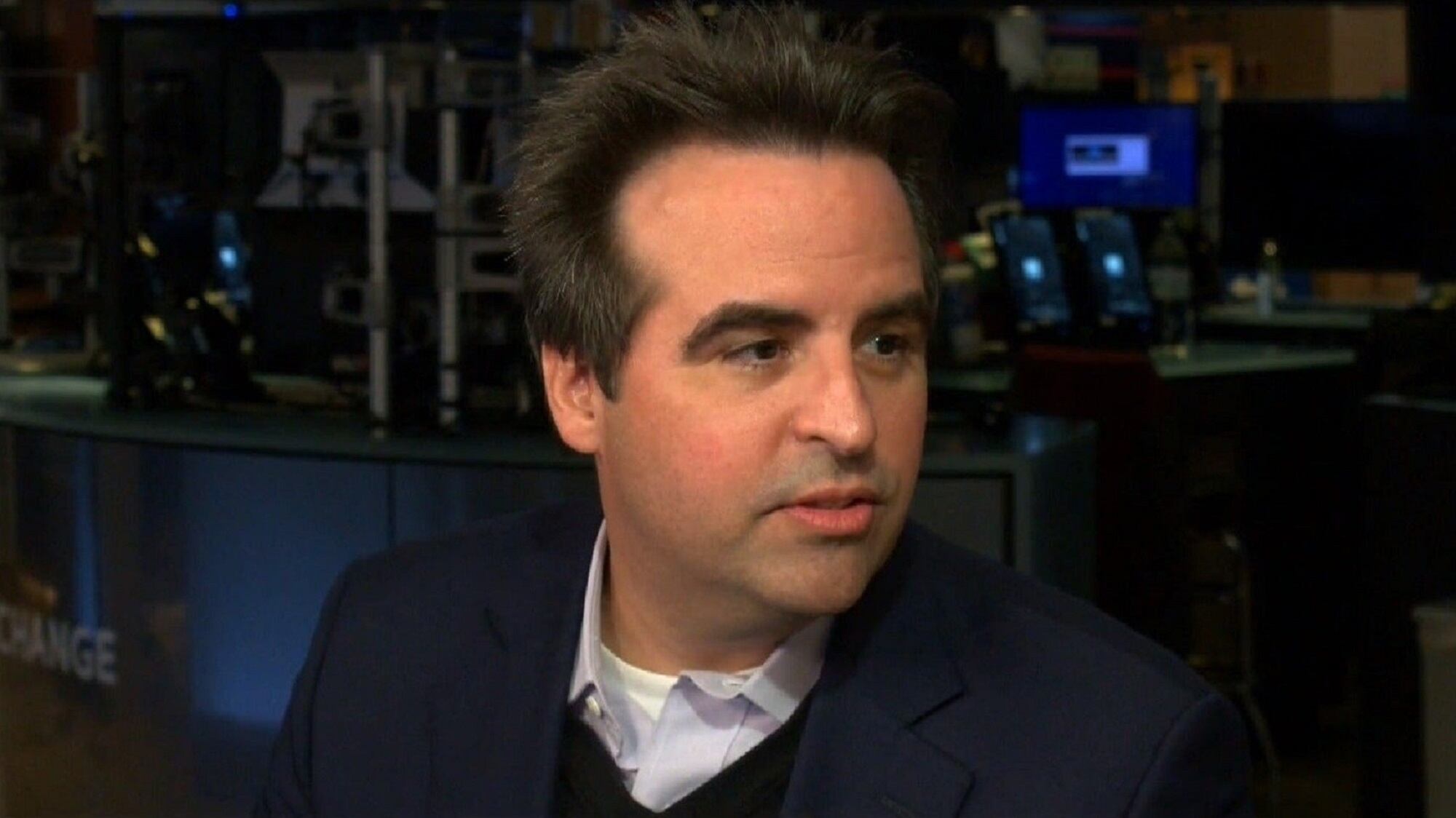
"It definitely showed that Ohio's registration system needs a major upgrade," Jen Miller, the director of the League of Women Voters of Ohio, told Cheddar on Monday. "We can't be using a policy as severe as a purge when we can't even be sure that our purge lists are correct."
In an unusual move, this past August Ohio's Secretary of State Frank LaRose publically released a list of 235,000 voters that were set to be deleted from the state's registry. By reviewing the long spreadsheet, the League of Women Voters and several other groups uncovered gross inaccuracies, including the inclusion of Miller's name.
Yet Secretary LaRose, a Republican, has praised the process, saying his office undertook the most transparent review of Ohio's voting rolls to date. "Because of our collaboration with outside organizations, the proper safeguards are in place to ensure any eligible voter will have the opportunity to have their voice heard," LaRose said in a statement after revising the list.
The list maintenance process, as it's officially called, is legally mandated in Ohio and seeks to clear the state's system of deceased residents, inactive voters, or people who have moved out of state. Voter purging, however, has become a major issue nationwide as Republican-led initiatives in several states have sought to remove voters through controversial registration requirements, which critics say primarily target minority or Democratic voters.
Other oversight groups that participated in the review include the National Association for the Advancement of Colored People, All Voting is Local, and the Fair Elections Center.
In the aftermath of earthquakes, one of the U.S. territory’s top architects is making the case for short-term assistance combined with long-term vision.
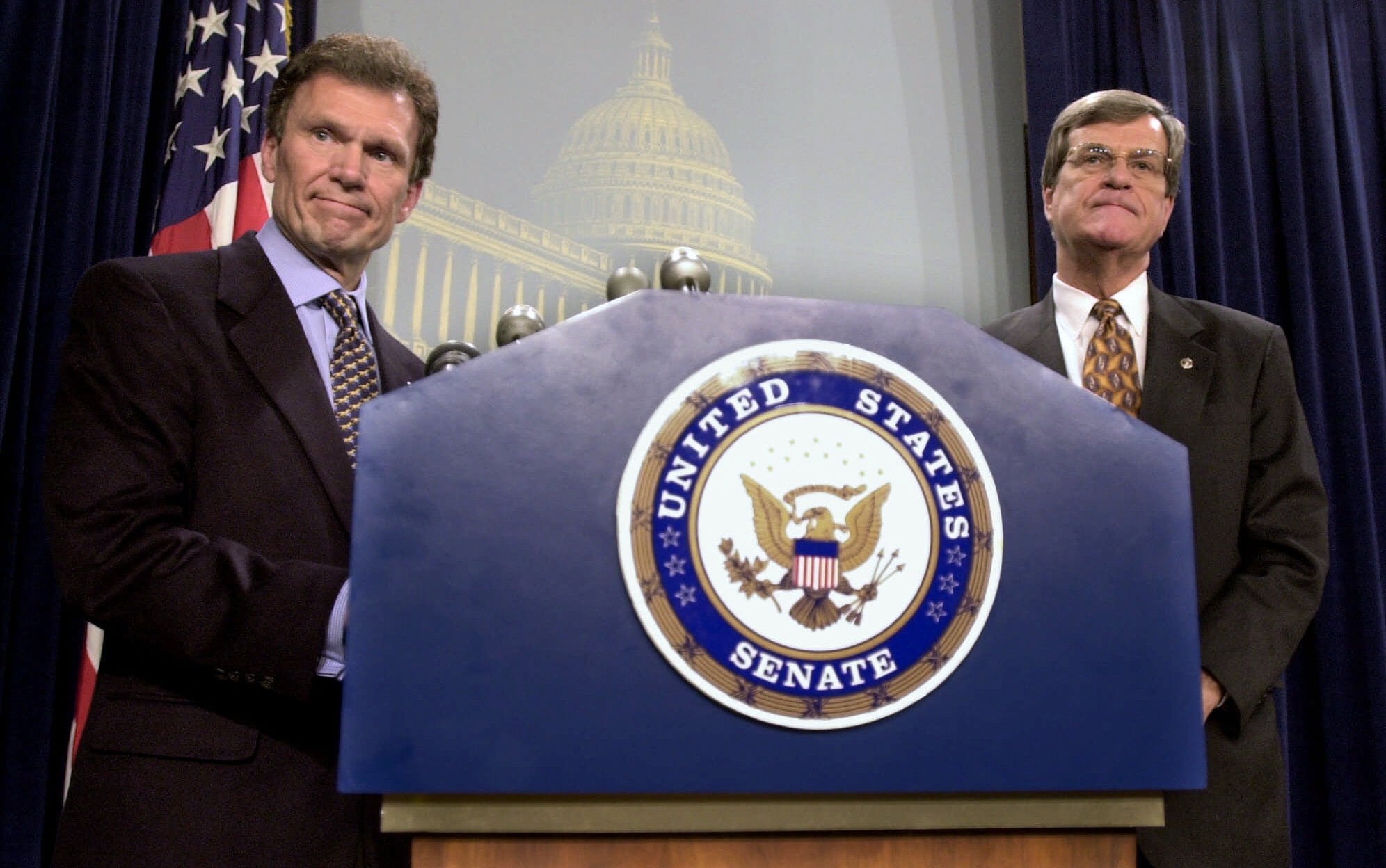
When President Bill Clinton was impeached more than 20 years ago, the Senate leaders who controlled his fate say they sought to appear neutral and separate from the White House and wanted to make the trial a bipartisan process. At least that’s how Trent Lott and Tom Daschle remember it today.
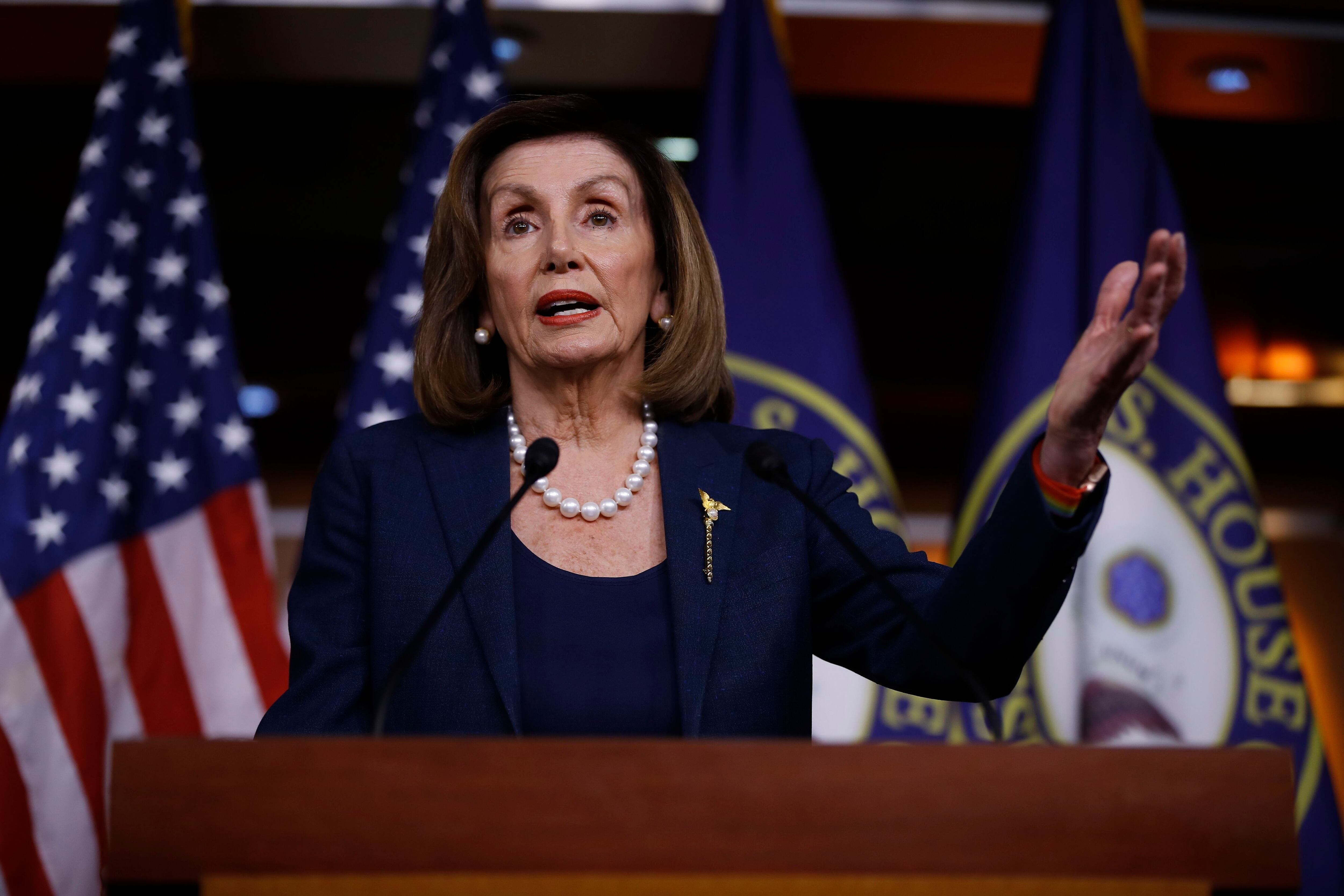
House Speaker Nancy Pelosi called Facebook’s behavior “shameful” during her weekly press conference Thursday.
The federal government's watchdog agency said Thursday a White House office violated federal law in withholding security assistance to Ukraine.
These are the headlines you Need 2 Know for Thursday, January 16, 2020.
The House delivered the articles of impeachment against President Donald Trump to the Senate Wednesday hours after Speaker Nancy Pelosi named seven managers to handle prosecute the trial.
“[Trump] would win right now because the Democrats have not succeeded in making this election a referendum on Trump,” longtime Republican and political strategist Rick Wilson told Cheddar on the eve of another sort of referendum — the president’s impeachment trial.
President Trump signed a so-called "phase one" trade deal with China on Wednesday, signaling a détente in a protracted trade war that resulted in hundreds of billions of dollars of tariffs being exchanged on exports between the world's two largest economies over the better part of two years.
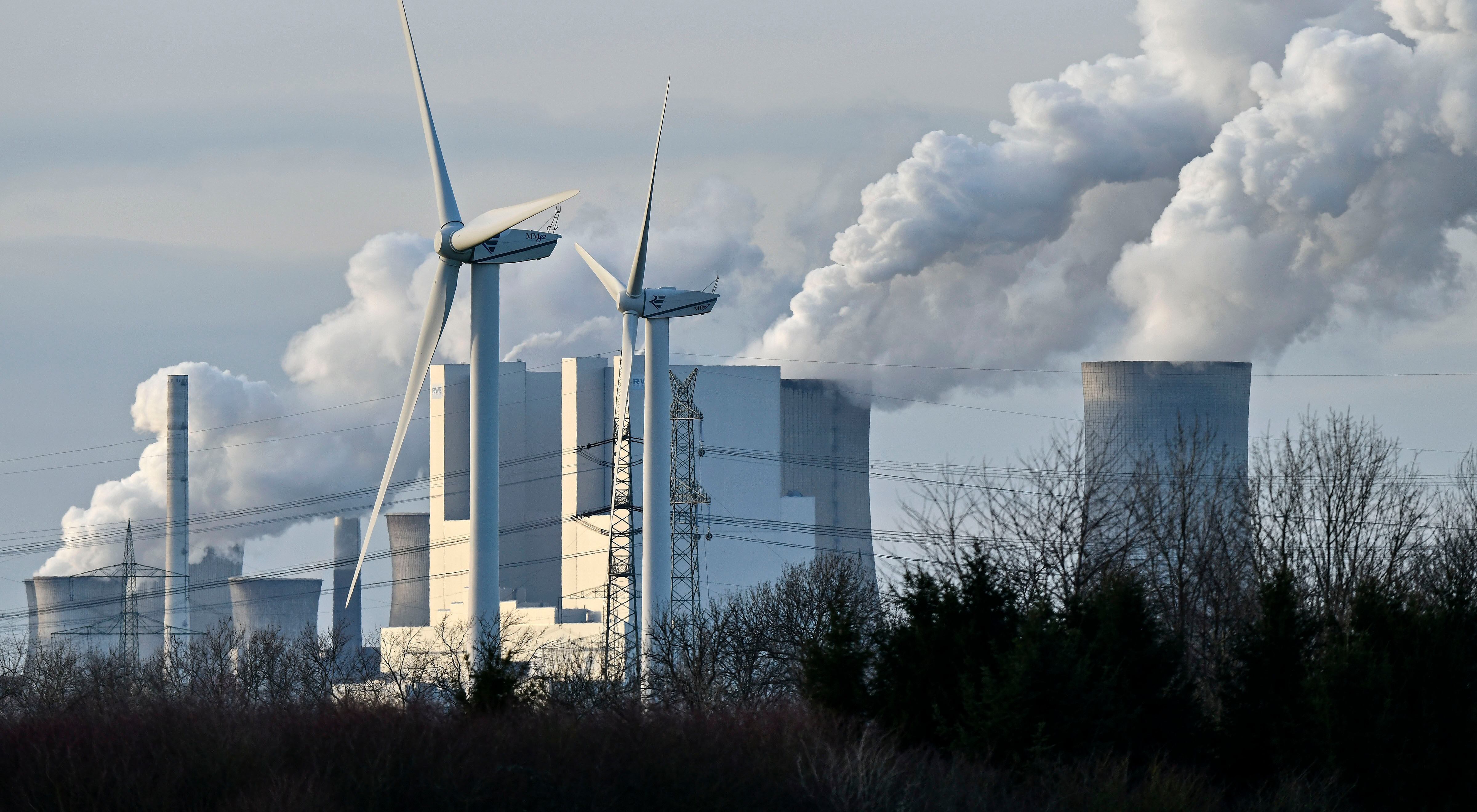
Weeks after the White House unexpectedly derailed a bipartisan tax deal for electric vehicles, offshore wind energy, and other major green priorities, dozens of emissaries from the nation’s renewable energy industries and environmental advocacy groups are gathering in the nation’s capital to begin charting their green-energy push for 2020 — and to dissect what went wrong in the final hours of its 2019 influence campaign.
Here are the headlines you Need 2 Know for Wednesday, January 15, 2020.