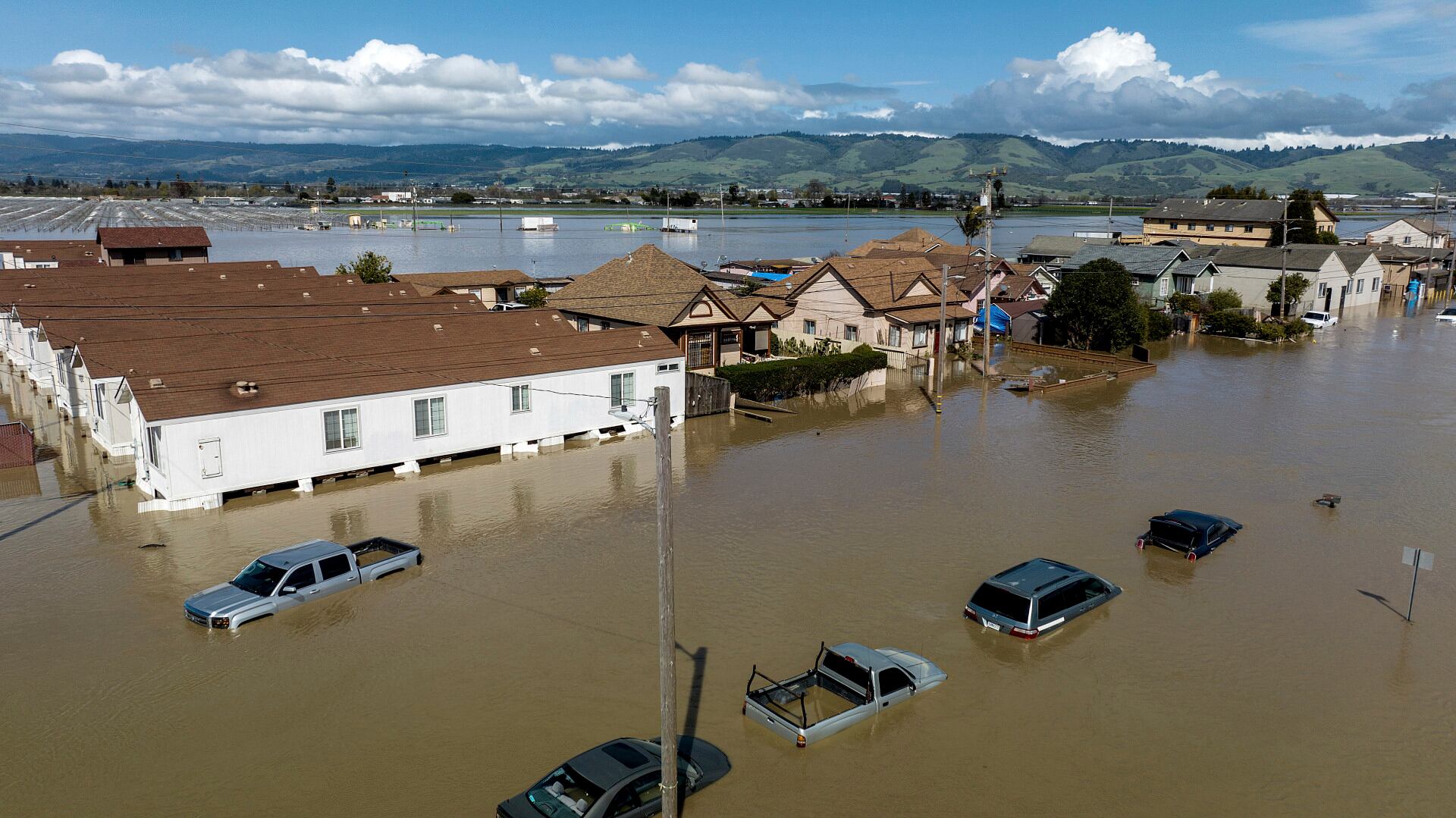
The National Oceanic and Atmospheric Administration has released its 2023 Spring outlook and the ongoing trend of unseasonable weather could be continuing.
One of the major takeaways from the report is that drought conditions in the Western U.S. are set to improve. The region that has been inundated with wet weather for much of the winter will see some reprieve when it comes to drought.
"Climate change is driving both wet and dry extremes, as illustrated by NOAA's observations and data that inform this seasonal outlook," said Rick Spinrad, Ph.D, NOAA administrator. "Under the Bipartisan Infrastructure Law and Inflation Reduction Act, and in support of the Biden Administration's priority to tackle the climate crisis, NOAA will invest significant resources to build a Climate-Ready Nation that gives communities tailored information about changing conditions so that residents and economies are protected."
In California, drought status is expected to improve even more as snowpacks that built up over the winter eventually melt. The conditions in the central Plains and in Florida are also expected to improve with Spring rainfalls.
Meanwhile, when it comes to heat and high temperatures, a swath of Southern and East Coast states will be above average. Alaska and Hawaii are also predicted to see above average temperatures between April and June.
NOAA said flooding could also significantly impact most states east of the Mississippi River.
"Approximately 44 percent of the U.S. is at risk for flooding this spring," said Ed Clark, the director of NOAA's National Water Center. "California's snowpack, coupled with spring rain, is heightening the potential for spring floods."
In the aftermath of earthquakes, one of the U.S. territory’s top architects is making the case for short-term assistance combined with long-term vision.
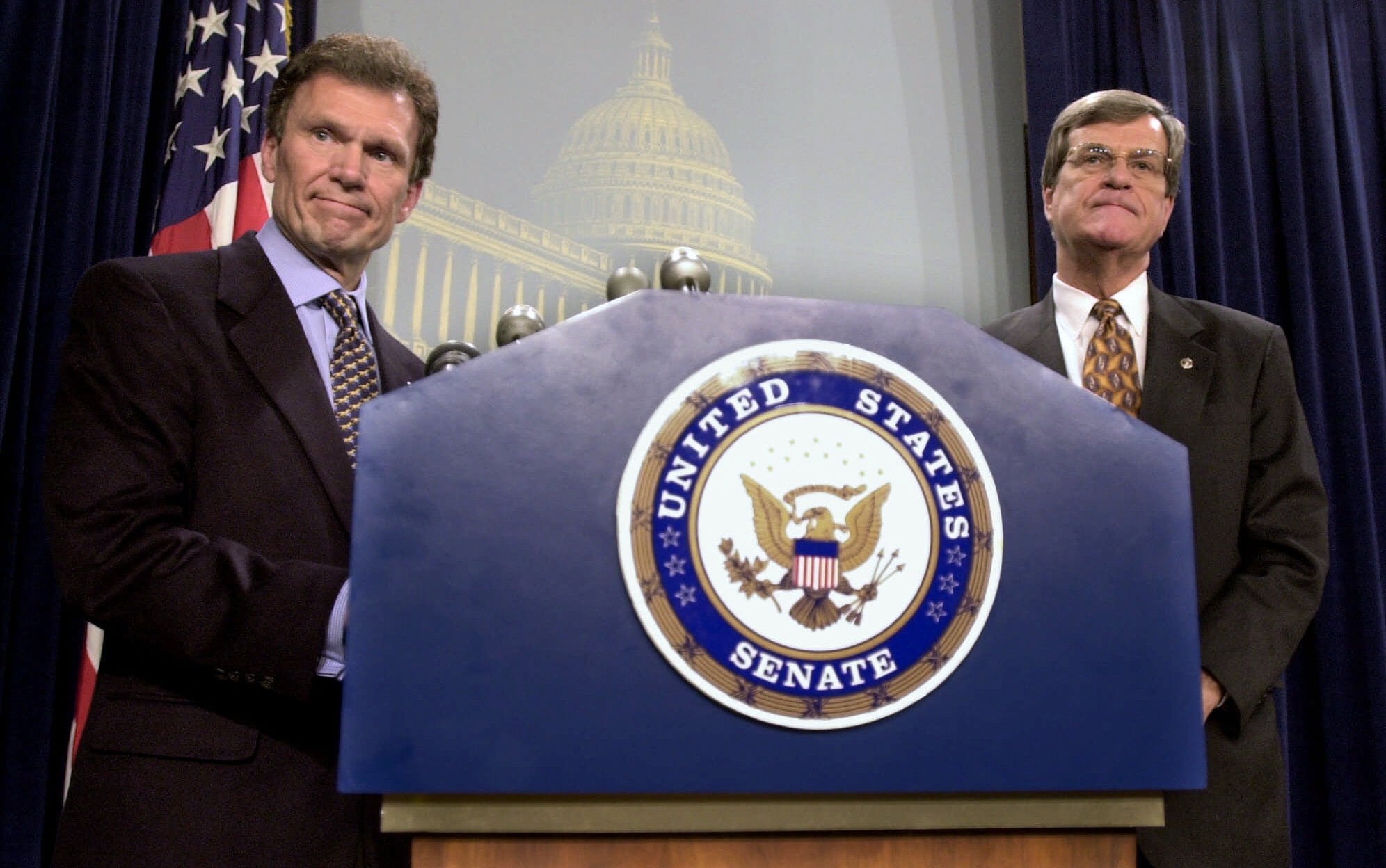
When President Bill Clinton was impeached more than 20 years ago, the Senate leaders who controlled his fate say they sought to appear neutral and separate from the White House and wanted to make the trial a bipartisan process. At least that’s how Trent Lott and Tom Daschle remember it today.
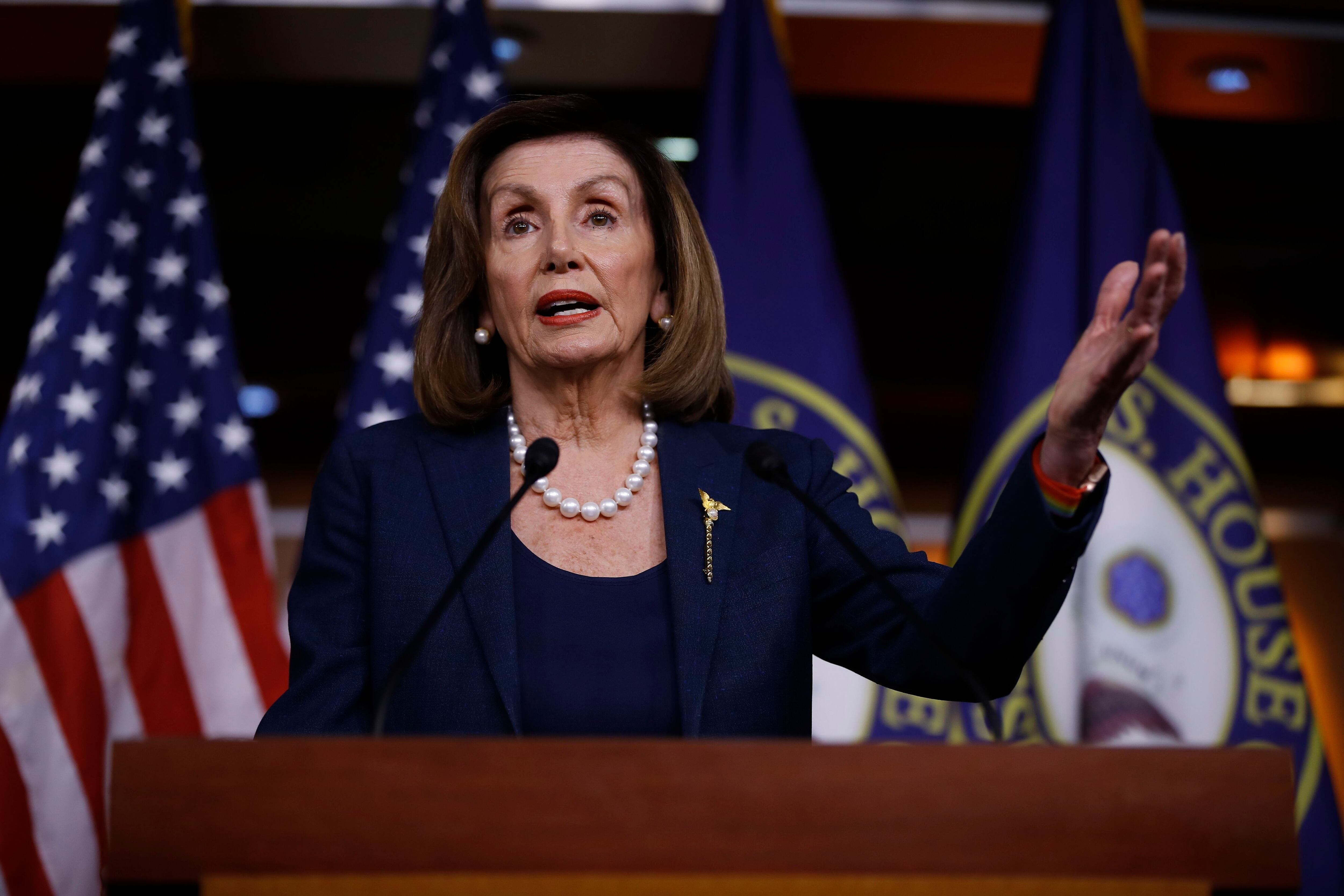
House Speaker Nancy Pelosi called Facebook’s behavior “shameful” during her weekly press conference Thursday.
The federal government's watchdog agency said Thursday a White House office violated federal law in withholding security assistance to Ukraine.
These are the headlines you Need 2 Know for Thursday, January 16, 2020.
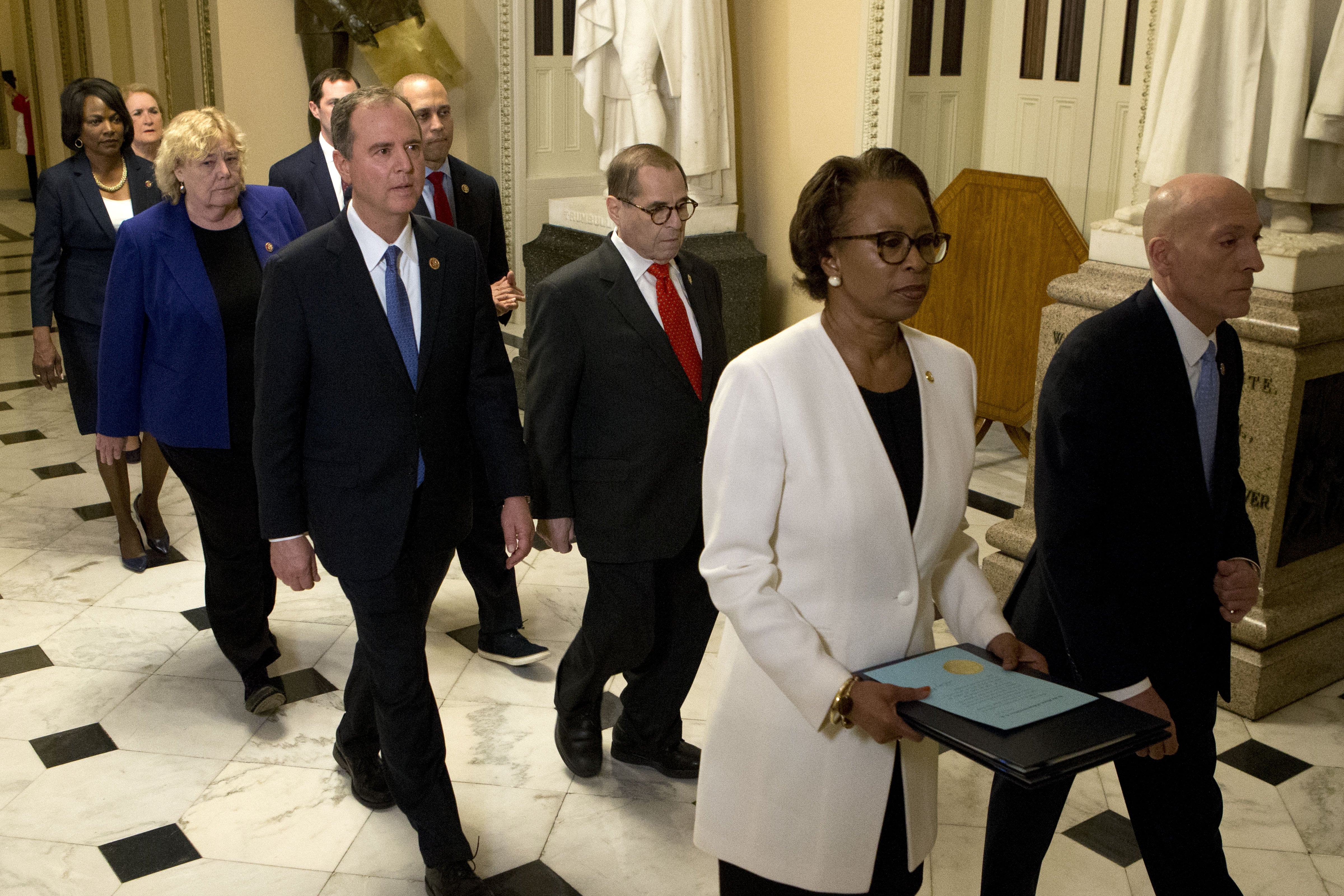
The House delivered the articles of impeachment against President Donald Trump to the Senate Wednesday hours after Speaker Nancy Pelosi named seven managers to handle prosecute the trial.
“[Trump] would win right now because the Democrats have not succeeded in making this election a referendum on Trump,” longtime Republican and political strategist Rick Wilson told Cheddar on the eve of another sort of referendum — the president’s impeachment trial.
President Trump signed a so-called "phase one" trade deal with China on Wednesday, signaling a détente in a protracted trade war that resulted in hundreds of billions of dollars of tariffs being exchanged on exports between the world's two largest economies over the better part of two years.
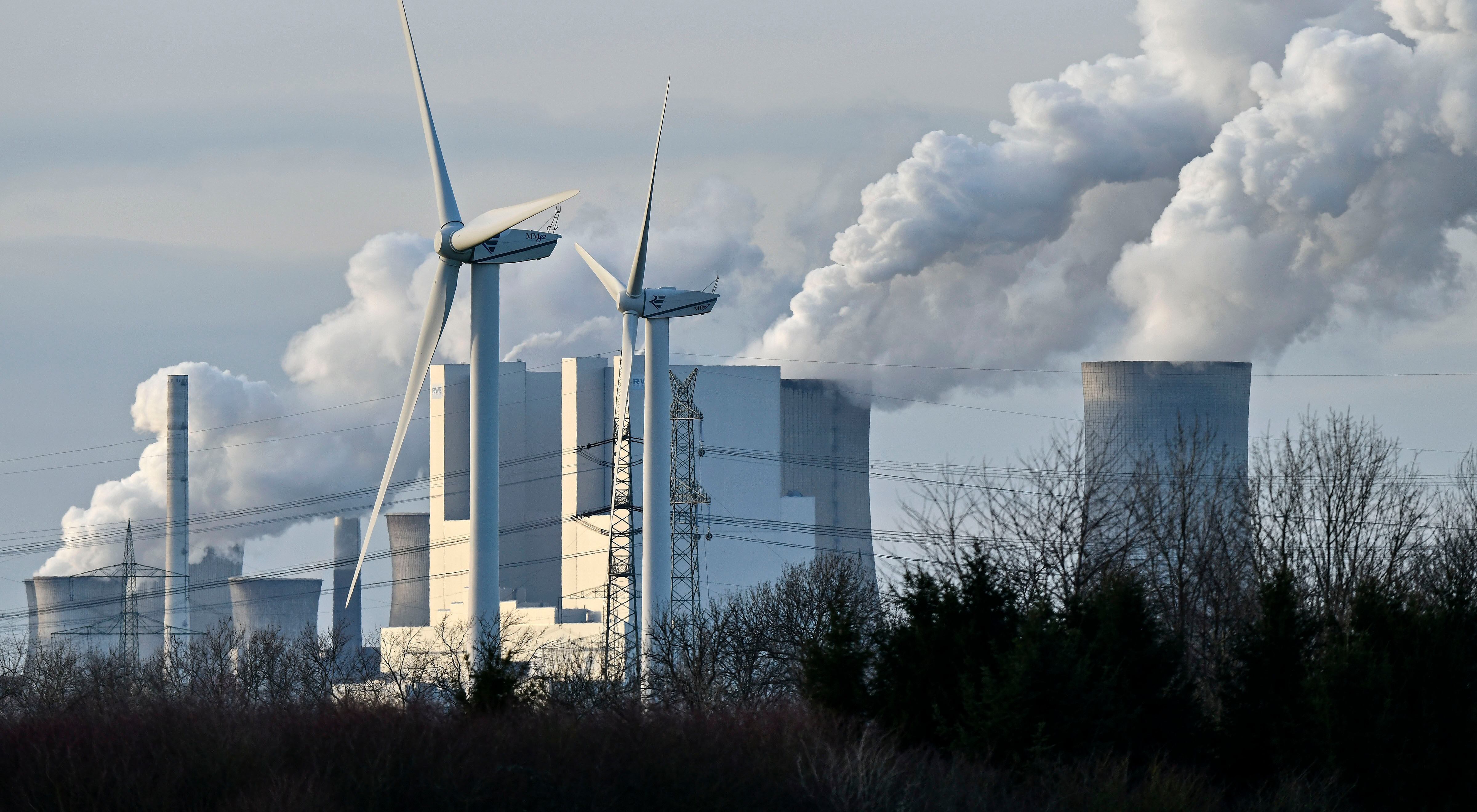
Weeks after the White House unexpectedly derailed a bipartisan tax deal for electric vehicles, offshore wind energy, and other major green priorities, dozens of emissaries from the nation’s renewable energy industries and environmental advocacy groups are gathering in the nation’s capital to begin charting their green-energy push for 2020 — and to dissect what went wrong in the final hours of its 2019 influence campaign.
Here are the headlines you Need 2 Know for Wednesday, January 15, 2020.